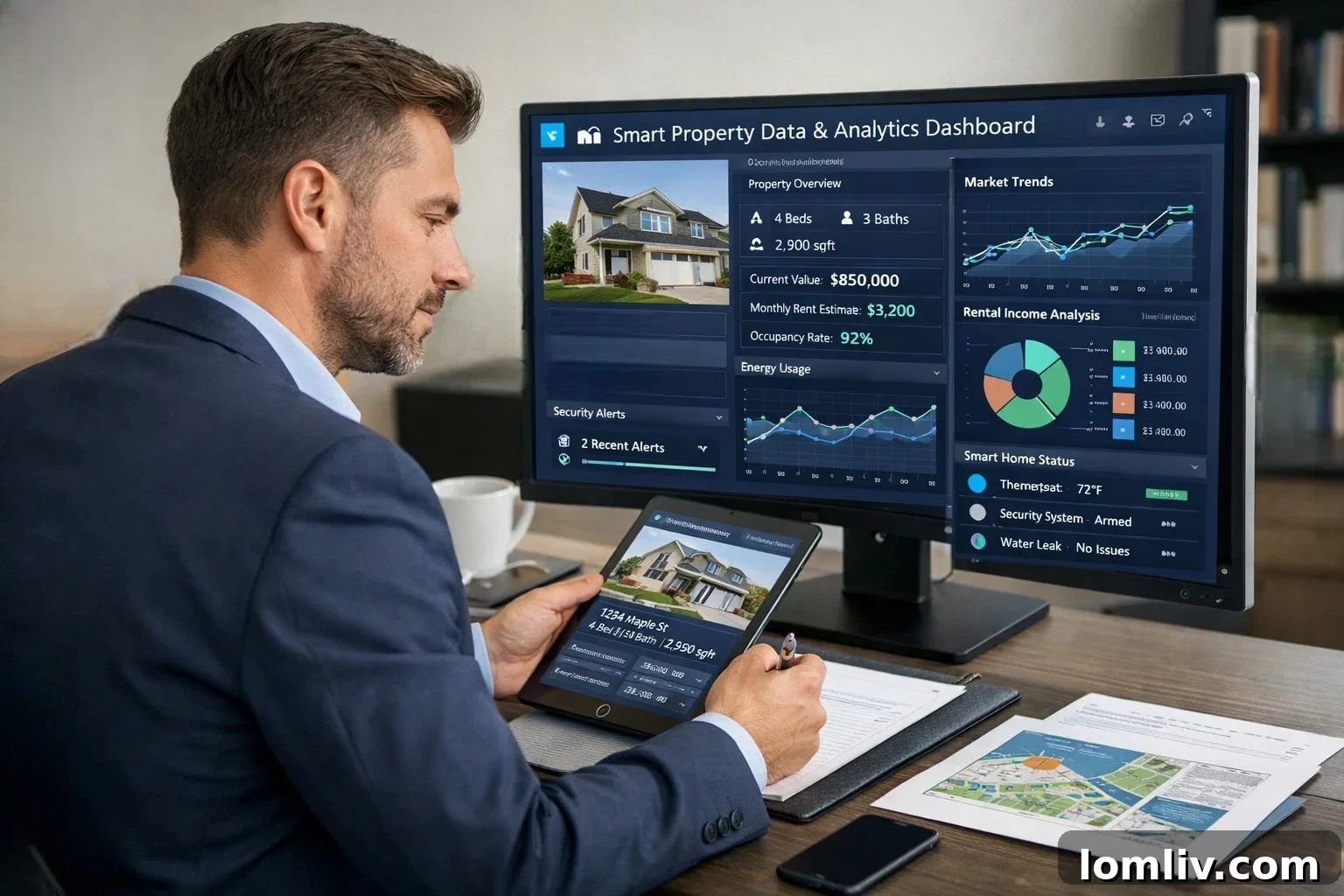
In the dynamic world of real estate, a profound and quiet transformation is underway. Savvy agents who recognize this shift early are consistently outpacing their competition, securing more listings and building stronger client relationships. This isn’t about working longer hours, resorting to outdated cold-calling tactics, or merely hoping for the next referral to land. It’s about a smarter, more strategic approach driven by intelligent data.
Forget the dusty spreadsheets filled with generic information. The data that truly matters today is the kind that empowers you with foresight: identifying precisely who is most likely to sell their home, pinpointing the optimal when for their potential move, and understanding why they should choose you as their trusted advisor. If your prospecting strategy still relies solely on traditional methods, you’re undoubtedly leaving valuable opportunities untapped in a market that increasingly rewards precision and insight.
Join us as we explore how smart property insights, powered by sophisticated data analysis, predictive analytics, and actionable homeowner signals, can revolutionize your lead generation. Discover how these cutting-edge tools can help you consistently secure more exclusive listings, elevate your professional standing, and allow you to truly stand out in today’s fiercely competitive real estate landscape.
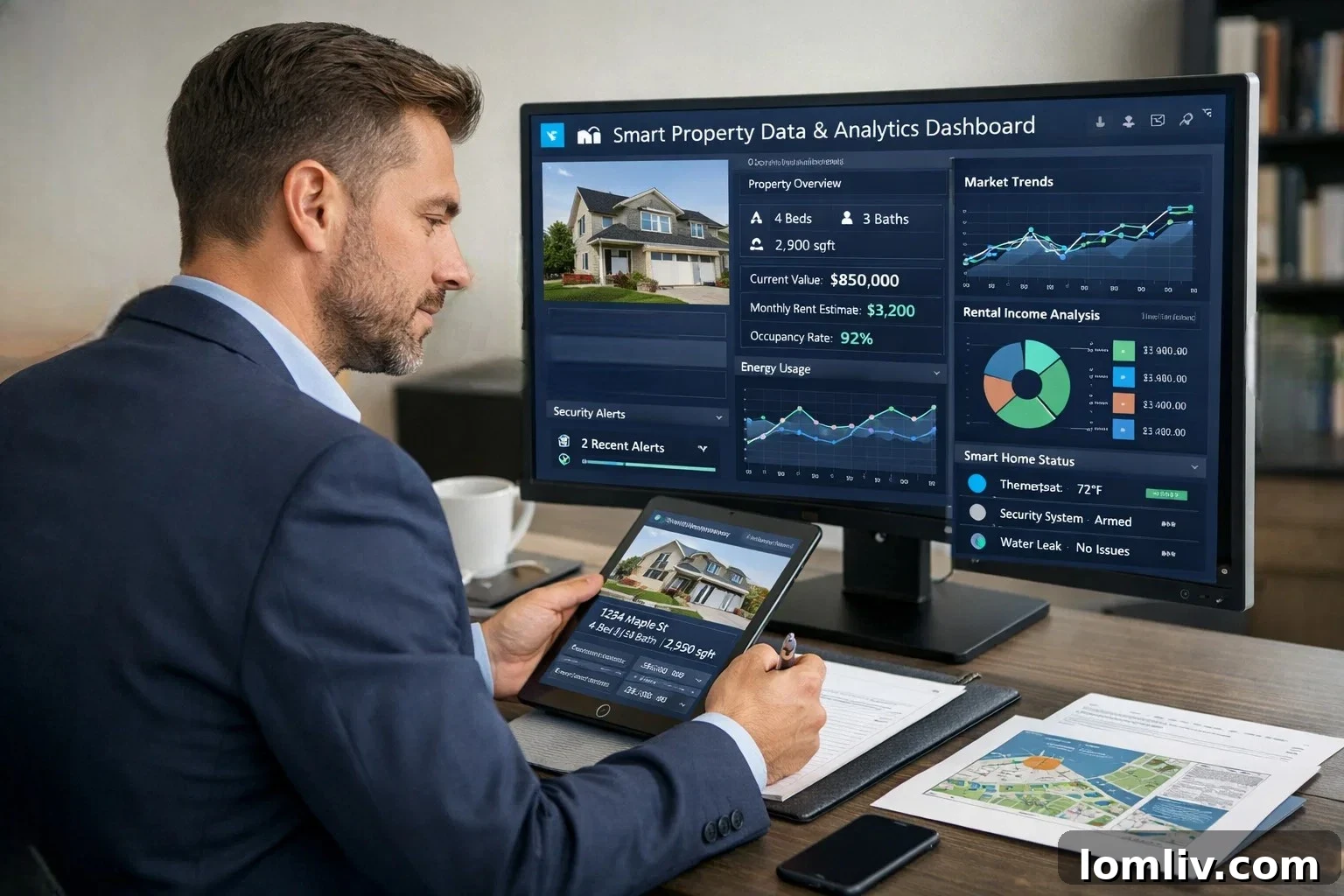
The Unstoppable Evolution of Real Estate Data
A mere decade ago, the cornerstone of a successful real estate agent’s practice often comprised little more than sharp gut instinct, extensive local knowledge, and perhaps a rudimentary Customer Relationship Management (CRM) system. While these elements remain valuable, they are no longer sufficient. Today, they represent the absolute baseline expectation for any agent hoping to thrive.
The sheer volume, velocity, and variety of data available to real estate professionals have exploded. It’s no longer confined to basic sales histories or aggregated Multiple Listing Service (MLS) activity. Modern data sets delve far deeper, offering unprecedented clarity into homeowner behavior and market dynamics. We now have sophisticated access to a wealth of information, including:
- Behavioral Homeowner Data: Insights into online activity, property searches, and engagement with real estate platforms.
- Equity Insights: Detailed understanding of a homeowner’s accumulated equity and potential financial motivations.
- Mortgage Timelines: Data on mortgage maturity dates, refinancing activity, and other loan milestones that often precede a sale.
- Online Activity Signals: Triggers like repeated home value checks, property comparisons, or engagement with ‘sell your home’ resources.
- Algorithm-Driven Valuations: Sophisticated automated valuation models (AVMs) that provide precise property estimates.
- Life Event Indicators: Information suggesting potential triggers for moving, such as changes in family size, job relocations, or retirement planning.
This rapid expansion in data availability coincides with significant shifts within the housing market itself. According to the 2024 Profile of Home Buyers and Sellers, a stark reality emerged: only 24% of home purchases were made by first-time buyers, marking the lowest recorded level since 1981. Concurrently, the median household income for buyers soared to a remarkable $108,800, with repeat buyers often earning considerably more. This tells us a critical story: the contemporary seller is increasingly experienced, remarkably well-informed, and frequently in a stronger financial position than previous generations. Consequently, their expectations for their real estate agent have risen dramatically, demanding more than just traditional services.
The Unignorable Rise of Algorithm-Driven Selling
Another crucial market signal reinforces the need for data mastery: technology isn’t merely assisting agents; it’s actively competing with them, profoundly altering seller expectations. The emergence of iBuyers – institutional home purchasers – stands as a prime example.
These companies have pioneered the use of algorithm-based valuation models to acquire homes directly from sellers, often through swift all-cash offers. A compelling analysis from the Cornell University Baker Program highlights how these entities rely on automated pricing systems to streamline transactions, effectively bypassing the conventional listing process. At their peak, just four major iBuyers commanded a staggering 95% of this market segment, with Opendoor alone accounting for 56% of those purchases.
While their overall share of U.S. home sales might appear modest, estimated around 1.3%, their influence far exceeds this percentage. Why? Because iBuyers have fundamentally reshaped seller expectations by prioritizing:
- Speed: Rapid offers and quick closing times.
- Convenience: A simplified, hassle-free selling process with minimal showings.
- Certainty: Guaranteed cash offers and a predictable timeline.
- Data-Backed Pricing: Transparent valuations derived from sophisticated algorithms.
Sellers now anticipate a faster, more transparent, and more data-informed transaction, whether they engage an iBuyer or a traditional agent. Ignoring these shifts means falling behind. Embracing data, however, positions you to meet and even exceed these new demands.
From Raw Data to Actionable Insights: The Agent’s Competitive Edge
Simply possessing vast quantities of data is no longer enough to guarantee success. The true competitive advantage lies in the intelligent interpretation and strategic application of that data. This is where raw numbers transform into actionable insights, providing agents with a clearer path to winning listings.
What Exactly Are “Smart Property Insights”?
Smart property insights are highly specific, predictive signals that enable you to identify homeowners who demonstrate a significantly higher likelihood of listing their property in the near future. They move beyond basic demographics to uncover hidden motivations and timing indicators. Examples of these powerful signals include:
- High Equity & Low Mortgage Balance: Properties where owners have substantial equity and minimal outstanding debt, indicating financial readiness to sell.
- Extended Ownership Duration: Homes where owners have resided for 7-10 years, aligning with typical turnover cycles and life stage changes.
- Recent Refinancing Activity: While sometimes indicating a plan to stay, a recent cash-out refinance can also signify preparing for a move or leveraging equity for a down payment elsewhere.
- Behavioral Digital Signals: Instances such as a homeowner repeatedly checking their home’s value online, browsing comparable properties in their area, or engaging with “how to sell” content.
- Key Life Events: Triggers like marriage, divorce, job relocation, children leaving home (downsizing), or expanding families (upsizing).
- Property Condition & Age: Older homes or properties with specific features that align with current buyer demand.
While each of these signals holds individual meaning, their true power is unleashed when they are combined and analyzed collectively. This synergy allows you to shift from a broad, speculative approach to highly targeted, probability-driven outreach. Instead of guessing, you’re operating with informed precision, significantly increasing your chances of connecting with motivated sellers.
Predictive Analytics: The Ultimate Advantage for Agents
Predictive analytics represents the pinnacle of data utilization in real estate. It involves leveraging historical data, current market trends, and a myriad of behavioral signals to identify patterns and forecast future outcomes. In simpler terms, predictive analytics helps you answer the most critical question for any agent: “Who is most likely to sell their home next, and when?”
This sophisticated capability transforms your prospecting efforts from a random, often frustrating exercise into a highly efficient, laser-focused campaign. Instead of blindly cold-calling or sending generic mailers to entire neighborhoods, you can direct your energy and resources towards a curated list of high-probability homeowners. The benefits are profound and measurable:
- Significantly Fewer Wasted Efforts: Eliminate unproductive calls, emails, and marketing spend on unmotivated prospects.
- More Meaningful Conversations: Approach potential sellers with pre-existing knowledge, allowing for more relevant and impactful discussions.
- Higher Conversion Rates: Focus on individuals who are already exhibiting signals of intent, leading to a much greater likelihood of securing a listing appointment.
- Shorter Sales Cycles: Engage with sellers earlier in their decision-making process, reducing the time from initial contact to a signed listing agreement.
By shifting to a proactive, data-driven methodology, agents can build a healthier, more predictable pipeline, leading to consistently better outcomes and a significant competitive edge.
Prospecting That Actually Converts: Practical Application of Insights
Translating sophisticated data and predictive insights into tangible listings requires a strategic and systematic approach. It’s about optimizing every step of your prospecting funnel, from initial contact to the final listing presentation. Here’s how to effectively turn insights into a steady stream of new business:
1. Targeted, Hyper-Relevant Outreach
Gone are the days of blanket marketing that casts a wide net but yields limited returns. With smart property insights, your outreach becomes surgically precise. Instead of sending generic messages to an entire neighborhood, you craft bespoke communications tailored to specific segments of potential sellers. This allows you to reach:
- Owners with Rapidly Rising Equity: Highlighting their accumulated wealth and the opportune moment to capitalize on it.
- Homes Nearing Typical Turnover Cycles: Engaging with owners who are approaching the average duration of homeownership in their area, often coinciding with life changes.
- Properties Displaying Digital Engagement Signals: Addressing individuals who have shown online interest in selling or valuing their home, demonstrating a clear intent.
- Owners in Areas with High Demand: Informing homeowners in specific micro-markets experiencing robust buyer activity.
The result? Your messaging becomes remarkably sharper, far more relevant to the recipient’s current situation, and consequently, much harder to ignore. This resonance not only grabs attention but also establishes your expertise and understanding from the very first interaction.
2. Mastering the Art of Timing Your Approach
In real estate, timing is not just important; it’s absolutely everything. Traditional prospecting often means you’re reacting to properties already on the market or relying on referrals that come when a seller is ready. Smart insights completely flip this dynamic, enabling you to proactively engage with homeowners before they have even publicly considered listing their home, and certainly before another agent gets involved.
Consider these critical windows of opportunity that data can reveal:
- Repeated Home Value Checks: A homeowner checking their property’s value multiple times within a month is a strong indicator of intent.
- Mortgage Milestones: When a homeowner’s mortgage is nearing payoff, or a key interest rate adjustment is approaching, it can trigger a review of their housing situation.
- Comparable Sales in the Neighborhood: A sudden flurry of sales of similar properties nearby can prompt other homeowners to consider their own options, especially if prices are rising.
- Pre-Mover Indicators: Online searches for schools in new areas, job postings in different cities, or browsing homes in higher price brackets.
These are your prime windows to initiate contact. By identifying these signals, you position yourself as the knowledgeable expert who can anticipate needs, offering solutions precisely when homeowners are beginning to contemplate a move, often before they even realize they need an agent.
3. Crafting Personalized, Data-Driven Conversations
When you arrive armed with specific knowledge, your conversations become infinitely more impactful. The adage “know more, say less – but better” truly applies here. Instead of relying on generic scripts or broad market platitudes, your dialogue is rich with specific, relevant details:
- Referencing Local Market Changes: You can discuss how recent sales of specific properties nearby might impact their home’s value.
- Highlighting Equity Opportunities: You can accurately explain their potential equity gains and how that translates into their next financial move.
- Discussing Realistic Pricing: Backed by robust data and comparative market analysis (CMA), you can confidently present a realistic pricing strategy, building immediate credibility.
- Addressing Specific Concerns: If you know their property might be nearing a milestone, you can proactively address potential concerns or opportunities related to that.
This level of personalization doesn’t just build trust faster; it demonstrates your professionalism, your commitment to their unique situation, and your superior understanding of the market. It positions you not just as an agent, but as a strategic partner.
Why Embracing Tech Adoption Sets Agents Apart
Let’s face a clear reality: a significant portion of real estate agents continue to operate using outdated, traditional methodologies. While their dedication may be commendable, their effectiveness is increasingly limited in a fast-evolving market. This adherence to the old ways, however, presents a monumental opportunity for those willing to adapt.
When you integrate modern tools powered by advanced data and predictive analytics into your practice, you instantly differentiate yourself. You transition from being a reactive agent who waits for opportunities to being a proactive, informed leader in your market. Sellers are acutely aware of this distinction. They seek agents who are not guessing, but rather acting with precision and insight.
Effectively Competing With Institutional Buyers (iBuyers)
The success of iBuyers isn’t primarily attributed to superior negotiation tactics. Their strength lies in their ability to harness and deploy data at an unprecedented scale. Consider this telling statistic from a Zillow market data release: an astonishing 83.6% of homes sold to major iBuyers were never publicly listed on the open market. Pause and consider the implications of that figure.
These were listings that your traditional prospecting methods would never encounter. They were captured early, often through sophisticated, data-driven outreach that identified motivated sellers before they even contacted an agent or placed a “For Sale” sign. If you continue to rely solely on conventional strategies, you are, by definition, competing at a significant disadvantage against entities that are leveraging the most powerful tool available: advanced data insights.
To succeed in this evolving landscape, agents must learn from the iBuyer model and integrate similar data-driven intelligence into their own practices, albeit with the invaluable addition of human expertise and personalized service.
Leveraging the Pricing Edge for Your Clients
Another crucial insight from market analysis studies, such as one examining iBuyer market share, reveals that iBuyer purchase prices are often approximately 1.3% below estimated market value. This seemingly small gap exists for several compelling reasons:
- Sellers Prioritize Speed: Many homeowners are willing to sacrifice a slight percentage for the convenience of a fast, guaranteed sale.
- Sellers Trust Data-Backed Offers: The transparency and apparent objectivity of an algorithm-driven offer build confidence.
- Sellers Desire Certainty: Knowing the exact sale price and closing date upfront reduces stress and uncertainty.
As a traditional real estate agent, you are uniquely positioned to offer a superior value proposition that combines the best of both worlds. You can confidently present a compelling alternative by providing:
- Data-Backed Pricing Plus Human Strategy: Offering meticulous comparative market analysis alongside your expert guidance on market positioning and timing.
- Optimal Market Exposure Plus Targeted Marketing: Leveraging the full breadth of the open market combined with data-driven campaigns to attract the right buyers.
- Advanced Insights Plus Expert Negotiation: Utilizing predictive analytics to understand buyer behavior and then applying your seasoned negotiation skills to secure the best possible outcome for your client.
This powerful combination – data intelligence infused with personalized service, strategic market exposure, and expert negotiation – is incredibly difficult for any iBuyer or competitor to beat. It empowers you to maximize your client’s return while providing the assurance and expertise they crave.
Harnessing the Power of a Real Estate Lead Generation Platform
The good news is that you don’t need to manually construct or manage this complex data ecosystem. Modern real estate lead generation platforms are specifically designed to aggregate, analyze, and present these critical insights in one streamlined solution. These platforms are purpose-built to empower agents with the tools necessary to compete and win in today’s market.
Instead of juggling multiple disparate tools, spreadsheets, and data sources, a robust real estate lead generation platform brings everything together, offering a holistic view and integrated functionalities:
- Comprehensive Property Data: Access to an unparalleled depth of property-specific information.
- Detailed Owner Profiles: Insights into homeowner demographics, behaviors, and potential motivations.
- Advanced Predictive Signals: Automated alerts and scores indicating the likelihood of a property being listed.
- Integrated Outreach Capabilities: Tools to launch targeted email campaigns, direct mail, or even cold-calling efforts directly from the platform.
All these elements are seamlessly aligned, providing a coherent and actionable framework for your lead generation strategy.
What Data-Driven Lead Generation Looks Like in Practice
With the right real estate lead generation platform at your fingertips, your daily workflow becomes incredibly efficient and effective. You gain the ability to:
- Filter Homeowners by Likelihood to Sell: Prioritize your efforts by focusing on the highest-probability prospects, saving valuable time and resources.
- Identify Off-Market Opportunities: Discover potential sellers before their homes ever hit the MLS, securing exclusive listings.
- Track Behavioral Signals in Real-Time: Receive alerts when a homeowner engages in activity that suggests a potential move, such as online valuation checks.
- Launch Highly Targeted Marketing Campaigns: Craft personalized messages for specific homeowner segments, improving engagement and response rates.
- Gain Competitive Intelligence: Understand market trends, comparable sales, and buyer demand in specific neighborhoods.
Crucially, these platforms enable you to act quickly and decisively. In real estate, speed to market and speed to a motivated seller often determine success. Being the first informed agent to engage with a potential seller dramatically increases your chances of conversion.
Measuring ROI: Because Results Truly Matter
Ultimately, investing in data-driven strategies and advanced platforms isn’t just about adopting new tools; it’s about achieving superior results and demonstrating a clear return on investment (ROI) for your business. Measuring the impact of smart insights on your lead generation and listing acquisition is paramount.
What Key Changes Can You Expect When Using Smart Insights?
Agents who successfully integrate smart property insights into their workflow typically observe a range of positive transformations across their business metrics:
- Higher Contact-to-Appointment Rates: Because you’re contacting more motivated sellers, your initial outreach leads to significantly more scheduled appointments.
- More Listing Presentations: A greater number of appointments naturally translates into more opportunities to present your services and secure listings.
- Shorter Sales Cycles: Engaging with sellers earlier in their decision-making process often means a quicker path from initial contact to a closed deal.
- Improved Conversion Rates: The precision of targeting and personalization of communication lead to a higher percentage of prospects converting into clients.
- Increased Referrals: Clients who experience a smooth, data-backed, and proactive selling process are more likely to refer you to their network.
And yes, the overarching outcome of all these improvements is consistently more listings and a more robust, profitable real estate business.
A Simple Comparison: Traditional vs. Data-Driven Prospecting
To truly underscore the efficiency gains, let’s consider a simplified comparison:
Traditional Prospecting Scenario:
- 100 random calls → 5 low-quality conversations → 1 hesitant appointment → 0–1 potential listings
This approach often leads to high effort, significant frustration, and a low probability of success.
Data-Driven Prospecting Scenario:
- 50 highly targeted calls → 10 high-quality conversations → 4 enthusiastic appointments → 2+ secured listings
The difference is stark. Data-driven prospecting requires less brute-force effort, generates higher quality interactions, and yields a substantially greater return on your time and resources. It’s about working smarter, not just harder, to achieve superior outcomes.
The Irreversible Shift Agents Can No Longer Ignore
Here is the undeniable reality of today’s real estate market: it is relentlessly dynamic and constantly evolving. The market isn’t waiting for agents to catch up. Buyers are increasingly discerning, equipped with more information than ever before. Sellers, having witnessed the rise of iBuyers and sophisticated online tools, are more informed, demanding, and expect a seamless, data-backed experience. Concurrently, technology continues to advance at an exponential rate, perpetually reshaping industry practices.
In this rapidly changing environment, real estate agents face a critical bifurcation point. Some will proactively adapt, embrace innovation, and leverage new tools to thrive. Others, clinging to outdated methods, will inevitably fall behind, struggling to secure listings and losing market share. The fundamental difference between these two trajectories often boils down to a single, powerful factor: how effectively you acquire, interpret, and utilize information.
Final Thoughts: Empowering the Modern Agent
Winning more listings in today’s intricate real estate market is no longer about simply doing more; it’s emphatically about doing things smarter and with unparalleled precision. The pervasive influence of data has fundamentally reshaped the entire ecosystem of how homes are bought and sold. From the advanced algorithm-driven pricing models employed by iBuyers to homeowners’ increasing reliance on sophisticated online valuation tools, seller expectations have undergone a dramatic and permanent shift.
Agents who persist in relying solely on traditional, generalized methods risk not only stagnating but also missing out on a wealth of high-value opportunities that may never even reach the open market. These are the elusive off-market listings, the prime targets identified through subtle yet powerful homeowner signals.
However, for those forward-thinking agents who choose to embrace the power of smart property insights and predictive analytics, the landscape is brimming with potential. By adopting these transformative tools and strategies:
- They Show Up Earlier: Intercepting potential sellers at the crucial initial contemplation phase, before competitors even know the property is for sale.
- They Speak with Unwavering Confidence: Backing every recommendation and valuation with robust, actionable data, instilling profound trust and authority.
- They Consistently Win More Listings: Converting a higher percentage of prospects into satisfied clients by understanding their needs and timing with unprecedented accuracy.
By skillfully combining the intelligence of predictive analytics, the clarity of homeowner behavioral signals, and the strategic deployment of targeted outreach, you can effectively position yourself as the indispensable agent who understands not just the broad market, but the precise moment and unique motivations of each individual seller. In the competitive realm of real estate, where every decision counts, impeccable timing is truly everything.