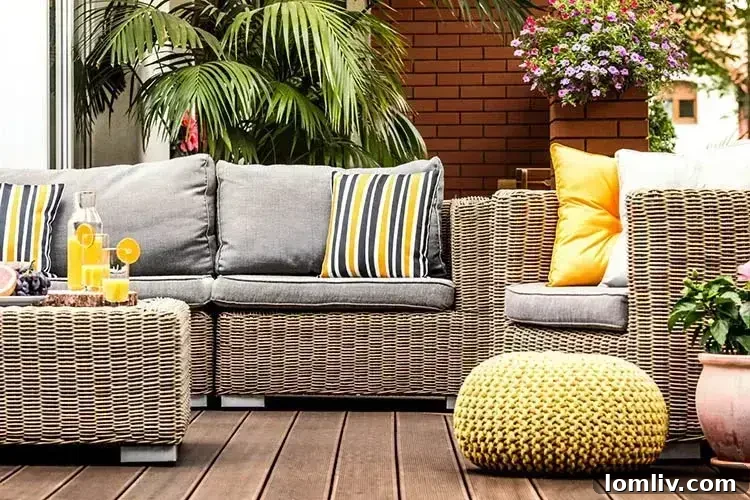
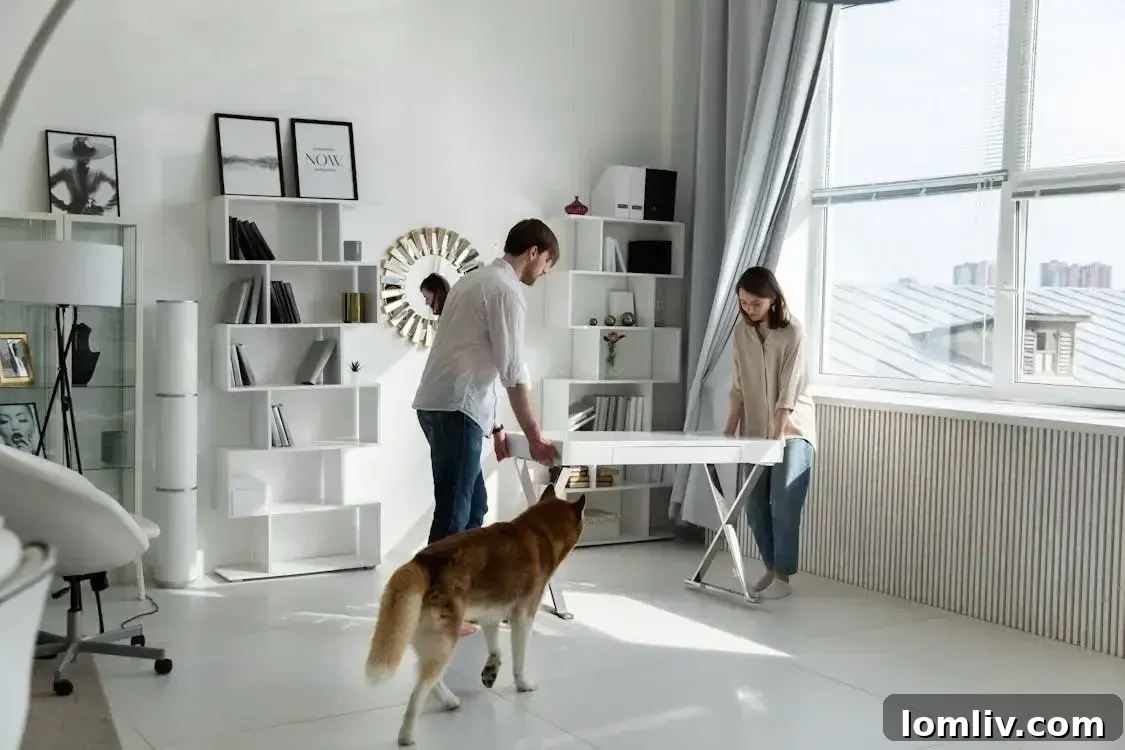
Does your living space feel a little lackluster, perhaps a touch “meh,” but the thought of a complete home overhaul seems daunting due to budget constraints or a lack of expertise? You’re not alone. Many homeowners desire a fresh, updated look without breaking the bank or undertaking complex renovations. The good news is that you don’t need a massive budget or a team of interior designers to transform your home’s aesthetic. Small, strategic changes can yield remarkable results, elevating your space from ordinary to extraordinary. This comprehensive guide will unveil ten easy and affordable ways to refresh your home, helping you infuse new life into every corner and achieve that captivating, “mesmerizing” feel you’ve been dreaming of.
From simple organizational hacks to creative decor updates, these tips are designed to be practical, accessible, and budget-friendly. Get ready to discover how minor adjustments can make a major impact on your home’s ambiance, functionality, and overall appeal.
1. Deep Clean and Declutter Your Space for a Fresh Start
Before any significant aesthetic upgrade, a thorough deep clean and decluttering session is paramount. Not only does clutter make your home appear uninviting and messy, but research indicates that excess clutter can contribute to increased stress levels and difficulty focusing. Prioritizing cleanliness and organization is fundamental for fostering peace of mind, enhancing productivity, and creating a truly relaxing home environment.
Start your transformation by embarking on a comprehensive deep clean. Vacuum every carpet and rug, mop all hard floors, dust all surfaces – including often-overlooked spots like ceiling fans, baseboards, and light fixtures. Wipe down windows, mirrors, and appliances until they sparkle. This meticulous cleaning process removes accumulated dirt, dust, and grime, instantly brightening your home and preparing it for subsequent upgrades.
Once your home is sparkling, it’s time to declutter. Adopt a systematic approach, perhaps tackling one room or even one category of items at a time. Be ruthless in your assessment: ask yourself if an item still serves a purpose, brings you joy, or is genuinely needed. For items that no longer add value, consider donating them to charity, selling them at a garage sale or online marketplace, or responsibly disposing of them. Remember, less is often more when it comes to creating a serene and spacious feel.
Finally, organize what remains. Invest in practical storage solutions such as decorative baskets, stylish shelves, drawer dividers, and cabinet organizers. Utilize vertical space with tall bookshelves or wall-mounted units. Label containers for easy access and maintain a system that makes it simple to put things away. An organized home not only looks better but also functions more efficiently, reducing daily stress. As a rule of thumb, clutter can significantly cheapen the appearance of your home, so dedicate time to this crucial first step!
2. Elevate Your Home with Updated Window Treatments
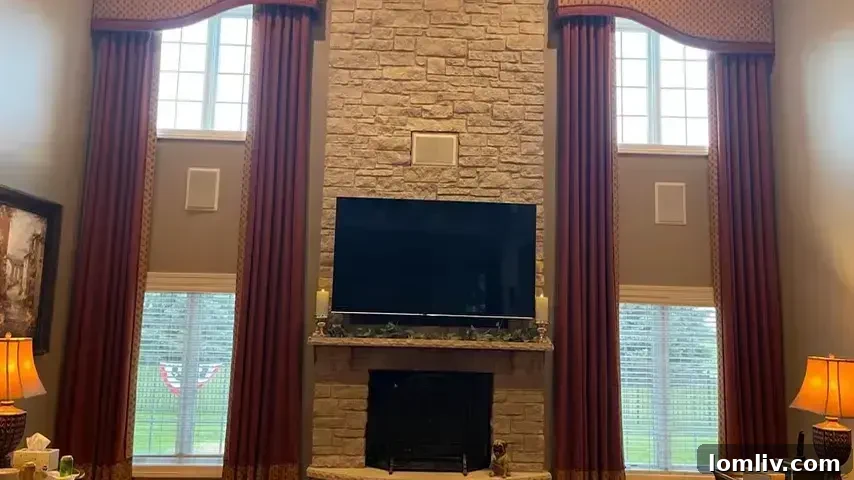
Windows are often referred to as the “eyes of your home,” and by extension, window treatments serve as their beautiful eyelashes, framing the view and influencing the room’s entire mood. Giving them a “lash lift” can dramatically enhance your interior design without the need for extensive renovation. Modern window treatment ideas offer a blend of functionality, privacy, and aesthetic appeal.
Consider replacing old, worn, or outdated curtains or blinds with fresh, contemporary styles. Explore various materials and designs that align with your home’s existing decor and address your specific needs. For instance, sheer curtains can softly filter natural light while maintaining an airy feel, perfect for living rooms. Blackout blinds or drapes are ideal for bedrooms, offering complete privacy and light control. Linen drapes provide a relaxed, natural look, while velvet can add a touch of luxury and warmth.
Experiment with curtain lengths to achieve different visual effects. Short, café-style curtains or Roman shades can make a room feel more open and allow maximum light entry. Floor-length curtains, especially when hung high and wide (extending beyond the window frame), can create an illusion of taller ceilings and add a sense of drama and elegance. For an extra touch of sophistication, incorporate valances, cornices, or swags. These decorative top treatments can introduce visual interest and texture without obstructing too much natural light.
If you’re unsure which window treatment options best suit your space, or if you desire a truly customized design, consider consulting a window treatment expert. Professionals like Zana Dodig, founder of Prestige Decor, possess extensive knowledge in this field. They can guide you through selecting the ideal type of window treatments – from roller shades to shutters – and suggest complementary fabrics, hardware, and even automation options for a seamless, perfectly tailored look. Their expertise ensures your window decor not only complements your home’s aesthetic but also enhances its functionality and energy efficiency.
3. Rearrange Your Furniture for a Fresh Perspective
One of the most budget-friendly yet impactful ways to refresh your home is by simply rearranging your furniture. This free home renovation tip allows you to explore new layouts, improve traffic flow, and discover what truly works best for your lifestyle and the room’s dimensions. A new arrangement can instantly make a familiar space feel entirely new and invigorated.
Before you start pushing heavy items around, take some time to plan. Measure your room and your furniture, perhaps sketching out a few different layouts on paper or using an online room planner. Identify the room’s focal point – this could be a fireplace, a large window with a beautiful view, a television, or a prominent piece of art. Arrange your key pieces, such as a sofa, bed, or dining table, to anchor the design around this focal point. For living rooms, create conversational groupings that encourage interaction and comfort.
Consider the function of each area within a room. In an open-concept space, furniture can be used to subtly define different zones – a reading nook, a dining area, or a conversation zone. Ensure there’s adequate space for movement around furniture, maintaining clear pathways. Pulling furniture slightly away from walls can also make a room feel larger and more inviting.
If your rearrangement reveals that certain older furniture pieces no longer fit the refreshed layout or aesthetic, and you have some budget allocated, consider shopping smart. Exploring a furniture sale or visiting second-hand stores and online marketplaces can lead to fantastic deals on pieces that complement your updated design. Upcycling existing furniture with a fresh coat of paint or new hardware is another excellent, cost-effective option to seamlessly integrate old pieces into your new scheme.
4. Create a Cohesive Color Palette
The power of color in influencing mood and perception cannot be overstated. Establishing a cohesive color palette is an incredibly affordable and effective way to unify your home’s aesthetic, making it feel harmonious, sophisticated, and inviting. A well-chosen palette doesn’t demand perfect matching; rather, it focuses on mixing complementary colors, textures, and tones that flow seamlessly from one space to the next.
Start by understanding the basics of color theory. Do you prefer warm colors (reds, oranges, yellows) for a cozy feel, or cool colors (blues, greens, purples) for a calm and serene atmosphere? You can opt for an analogous palette (colors next to each other on the color wheel), a monochromatic palette (variations of a single color), or a complementary palette (colors opposite each other for vibrant contrast). The key is to select two or three primary colors and then introduce varying shades, tints, and textures to add depth without clutter.
A simple way to begin is by picking an existing piece you adore – perhaps a favorite piece of art, a patterned rug, or a decorative pillow – and drawing colors from it to build your palette. Use a dominant color for larger elements like walls or sofas, and then introduce accent colors through accessories, smaller furniture pieces, and textiles like cushions and throws. This creates a sense of continuity and thoughtful design throughout your home.
Remember that your home’s color palette can, and often should, evolve with your tastes and experiences. Don’t be afraid to experiment with new shades that resonate with your current mood and style. A cohesive color scheme transforms your living space into a unified, elegant, and personal sanctuary.
5. Paint and Repaint Your Home for Instant Impact
Building on the concept of a cohesive color palette, painting is undeniably one of the most transformative and affordable ways to update your home decor. A fresh coat of paint can instantly brighten a room, make it feel larger, or infuse it with a completely new personality, all without the need for a full-scale renovation.
While painting an entire room is always an option, you can achieve significant impact by focusing on smaller, strategic areas. Consider giving your trim, interior doors, or even existing furniture a fresh coat of paint. A pop of unexpected color on an accent wall, a vibrant hue on a forgotten dresser, or crisp white on yellowing baseboards can instantly refresh a space. These targeted updates require less paint and effort, making them ideal for a quick, budget-friendly makeover.
Unleash your creativity with paint by experimenting with stencils to create intricate patterns, painting bold stripes for a modern statement, or designing geometric shapes for a unique, personalized touch. These techniques add character and visual interest that standard wall paint alone cannot achieve. Don’t forget to consider different paint finishes – matte for a sophisticated, velvety look; eggshell for durability and a subtle sheen; or semi-gloss for high-traffic areas and trim due to its easy-to-clean properties.
Brush Up On This Bold Trend: A particularly impactful yet simple way to change the look of your home is by painting your window frames black. Black windows provide a striking contrast against lighter walls, adding a modern, sophisticated, and often industrial design element. If you currently have standard wooden or white windows, a careful application of black paint can dramatically transform your home’s exterior and interior aesthetic, offering a bold and stylish upgrade.
6. Fix and Add Strategic Lighting
Proper lighting is crucial not only for aesthetics but also for well-being and safety. Studies show that individuals experiencing insufficient natural light in their homes are 1.4 times more likely to feel depressed and 1.5 times more likely to experience falls. This underscores the profound importance of good lighting in maintaining both mental well-being and ensuring a safe, functional living environment. Fortunately, enhancing the light in your home is an affordable way to cultivate a fresher, more inviting, and safer atmosphere.
Begin by assessing your current lighting situation. To brighten up your space, consider replacing outdated or inefficient light fixtures with modern, energy-efficient designs. Swap out old flush mounts for contemporary pendants, stylish chandeliers, or sleek track lighting. Think about the three layers of lighting: ambient (general illumination), task (for specific activities like reading or cooking), and accent (to highlight features). Ensure each room has a balance of these layers.
Additionally, strategically add extra lighting where necessary. Table lamps can provide warm, localized light for reading nooks or bedside tables, while floor lamps offer ambient lighting and can serve as stylish decorative elements. Wall sconces can illuminate hallways, art, or add architectural interest. Dimmer switches are also an affordable upgrade, allowing you to control the mood and intensity of your lighting.
Finally, maximize natural light whenever possible. Keep your windows sparkling clean to allow maximum sunlight penetration. During the day, open curtains and blinds wide to let sunlight flood your home. Placing mirrors opposite windows can also work wonders, reflecting natural light deeper into a room and making the space feel larger and brighter. Choose light-colored wall paints and furniture to further amplify natural light.
7. Bring In the Life and Vibrancy of Indoor Plants
Introducing indoor plants is a simple, affordable, and incredibly effective way to brighten up any space, purify the air, and add a refreshing touch of nature to your home. Plants bring life, color, and texture, instantly making a room feel more vibrant and welcoming. Beyond their aesthetic appeal, studies suggest that houseplants can boost mood, reduce stress, and even improve concentration, making them a fantastic addition to any living environment.
When selecting plants, consider the specific lighting conditions of each room. For darker rooms or areas with limited natural light, opt for low-light tolerant plants such as Pothos, Snake Plants (Sansevieria), ZZ Plants, or Peace Lilies. These resilient varieties thrive with minimal sun and are generally very low maintenance. For brighter indoor spaces, sun-loving varieties like succulents, cacti, Fiddle Leaf Figs, or Monstera plants will flourish, adding a dramatic or sculptural element to your decor.
Think about creative ways to display your greenery. Hanging planters can save floor space and add visual interest at different heights. Plant stands elevate smaller plants, making them more noticeable, while large potted plants can serve as stunning focal points. If you’re looking for a fun, creative, and relatively low-maintenance project, why not try creating a terrarium? These miniature enclosed gardens are charming, self-sustaining ecosystems that require minimal upkeep and can add a unique, whimsical touch to shelves or tabletops. Choose small, slow-growing plants like moss, ferns, or tiny succulents for your terrarium.
Remember that even a few strategically placed plants can make a significant difference. Consider plant placement on bookshelves, windowsills, coffee tables, or in empty corners to inject natural beauty and fresh energy into your home.
8. Make the Most of Your Bay Windows
Bay windows are architectural gems, offering abundant natural light and often a charming nook that can be transformed into a functional and inviting space. Instead of letting them go unused or simply placing a solitary plant, maximize their potential to enhance both the aesthetics and utility of your home.
One of the most popular ways to utilize bay windows is by adding custom shelving or built-in seating. A cozy window seat adorned with plush cushions and decorative pillows instantly creates a bright and inviting corner perfect for reading, relaxing, or enjoying your morning coffee. Underneath the seating, integrated storage compartments can be built, providing an excellent spot for blankets, books, or toys, effectively decluttering your living area. Alternatively, custom bookshelves can frame the window, turning it into a beautiful display area for your favorite books, plants, or decorative items.
Beyond built-ins, consider how to dress up your bay window with appropriate window treatments. Since bay windows have multiple angles, standard curtains may not be suitable. Opt for custom-fitted blinds (like Roman blinds or cellular shades) or specially designed bay window curtains that can be tailored to each section. This approach ensures optimal light control, privacy, and a polished, integrated look that enhances the window’s unique shape. You can also use café curtains for partial privacy while allowing light to stream in from the top.
Bay windows can also serve as a dedicated dining nook, a mini-office space, or a vibrant display area for a collection of indoor plants, allowing them to bask in ample sunlight. By thoughtfully designing this unique feature, you can transform it into a beloved, functional, and beautiful corner of your home.
9. Add a Cozy and Stylish Rug
Rugs are incredibly versatile and creative tools for instantly adding style, warmth, and defining spaces within your home. They can dramatically refresh a room’s aesthetic, introduce new textures, and tie together different elements of your decor. Investing in a new rug is an affordable way to make a significant visual impact.
When choosing a rug, look for pieces that not only complement your overall color palette but also enhance your decor style. A vibrant, patterned rug can inject personality and serve as a statement piece in a minimalist room, while a subtle, textured rug can add warmth and sophistication to a more eclectic space. Consider different materials like soft wool for luxury, durable jute for a natural look, or synthetic blends for high-traffic areas and easy cleaning.
Rugs play a crucial role in defining seating areas, especially in open-concept layouts. For a living room, ensure the rug is large enough so that at least the front legs of all major furniture pieces (sofa, armchairs) rest on it, creating a unified zone. In a dining room, the rug should be expansive enough for dining chairs to remain entirely on the rug even when pulled out. In bedrooms, a large rug placed under the front two-thirds of the bed can ground the space and add a luxurious feel underfoot.
Don’t be afraid to play around with different sizes and shapes. While rectangular rugs are common, incorporating round or oval rugs can create a more inviting aura and give your space a dynamic, less rigid feel. You can even layer smaller rugs over a larger, neutral base rug to add extra texture, color, and depth. A well-chosen rug not only softens hard floors and reduces noise but also acts as an anchor for your furniture, making a room feel complete and thoughtfully designed.
10. Dress Up Your Stairs with Elegance and Safety
Staircases are often central features in a home, yet they are frequently overlooked when it comes to decor. Dressing up your stairs can add a surprising touch of elegance and character to your entryway or living space, while also enhancing safety. One of the most effective ways to do this is by adding a staircase runner.
A staircase runner is a long piece of carpet specifically designed to cover the middle portion of your stairs, leaving the wood or other flooring exposed on either side. Beyond its aesthetic appeal, a runner provides several practical benefits: it adds crucial traction, reducing the risk of slips and falls; it helps muffle noise, making your home quieter; and it protects your stairs from daily wear and tear, preserving their original finish.
When choosing a runner, consider what best complements your home’s overall decor style. A bold patterned runner (geometric, striped, or floral) can make a striking statement and become an instant focal point, especially in a neutral-colored hallway. Conversely, a solid-color runner offers a more classic, understated vibe that can seamlessly blend with various interior designs. Explore materials like wool for durability and softness, or synthetic options for stain resistance and ease of cleaning.
Proper installation is key for both safety and aesthetics. While it’s possible for a DIY project, for best results, consider hiring a professional installer. If doing it yourself, ensure the runner is installed securely using quality rug grippers, tack strips, or stair rods to prevent any slipping or wrinkling. Precise measurements and careful alignment are essential for a polished look. Additionally, consider other stair enhancements like painting the risers a contrasting color, adding decorative elements to landings, or upgrading lighting fixtures above the staircase for improved visibility and ambiance. These small details can collectively transform your staircase from a functional pathway into a stunning architectural feature.
How To Freshen Up A House On A Budget: Your Ultimate Guide
Transforming your living space doesn’t have to be an expensive endeavor. Our comprehensive guide provides ten budget-friendly home renovation tips, offering easy and affordable ways to breathe new life into your home. Whether you’re looking to enhance functionality, boost curb appeal, or simply create a more inviting atmosphere, these strategies demonstrate that even slight changes can make a monumental difference. Remember, the journey from a “meh” home to a “mesmerizing” sanctuary is within reach with a little creativity and effort. So, don’t hesitate to revisit this blog whenever you’re seeking inspiration or run out of ideas for refreshing your home. Roll up your sleeves, embrace your creative instincts, and most importantly, enjoy the rewarding process of making your house truly feel like a home.
About the Author:
Zana Dodig is a passionate expert in the field of interior design, with a particular fondness for decorating, organizing, and remodeling. With over 20 years of experience, her specialization and greatest passion lies in the realm of window coverings. Her extensive knowledge and keen eye for design have led her to a successful career as a Window Treatment Consultant. In addition to her hands-on work, Zana is also a dedicated writer at PrestigeDecor.ca, where she shares her insights and expertise, helping others enhance the beauty and functionality of their homes. Her commitment to excellence and her deep understanding of interior aesthetics make her a trusted voice in the world of interior design.