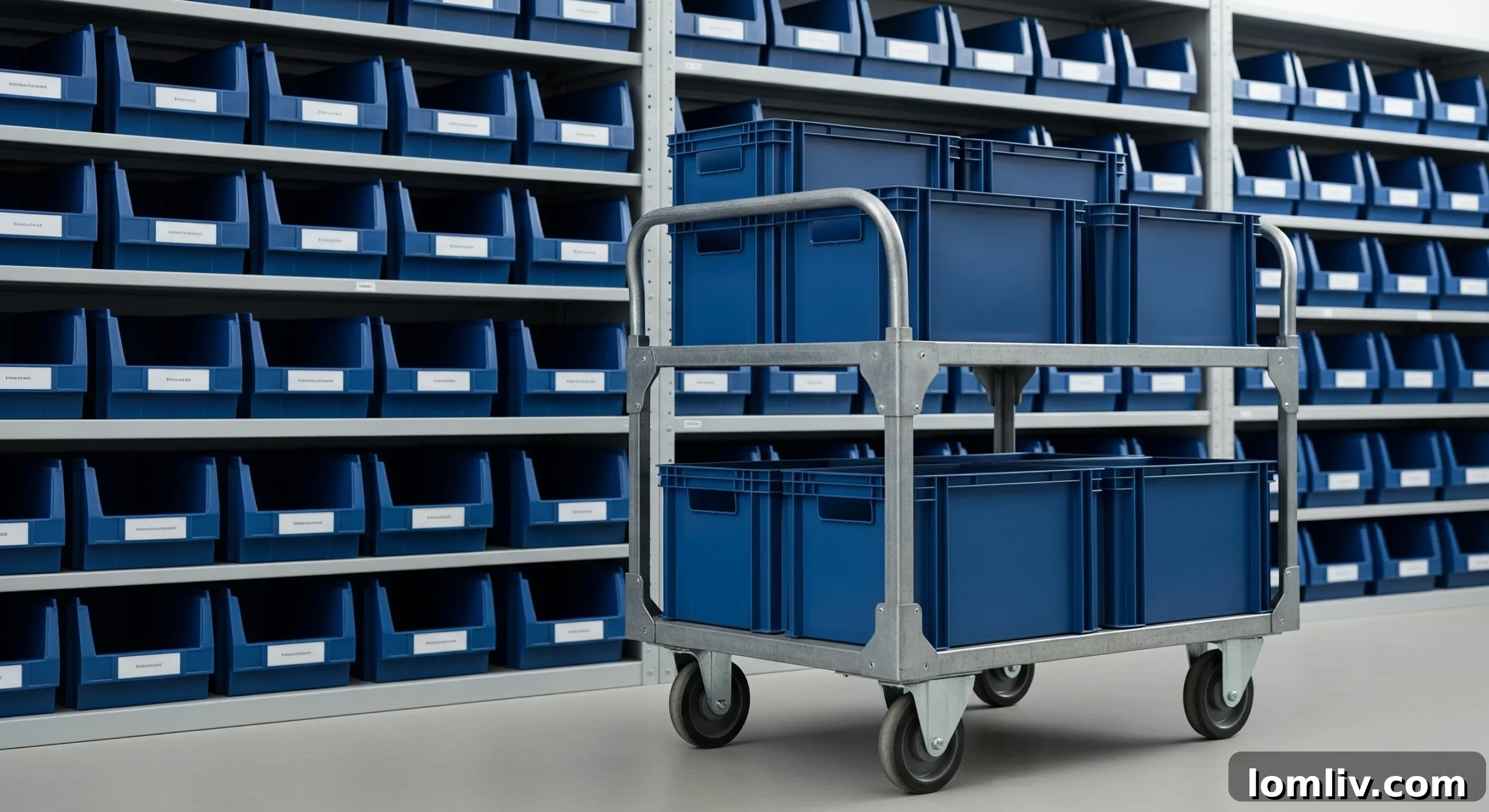
In the bustling environment of a warehouse or manufacturing facility, some inventory problems don’t just show up as discrepancies on a spreadsheet. They manifest visibly on the floor: a critical component lost amidst a chaotic pile, half-open bags spilling their contents, or staff members wasting valuable time digging through disorganized bins searching for a single, elusive piece. This scenario is all too common, even for highly efficient teams, particularly when dealing with a multitude of small items. Organizer bins have emerged as a remarkably simple yet profoundly effective solution to these pervasive issues. They introduce a much-needed layer of order and structure, streamlining operations without ever compromising workflow speed. Instead of dictating how people work, these practical storage solutions empower them by making their work inherently easier and more efficient.
The Unique Challenges of Managing Small Parts Inventory
Small parts inventory presents a distinct set of challenges that differ significantly from managing larger, more manageable components. Unlike bulkier items that stay put, small parts – such as screws, bolts, washers, fittings, labels, clips, and electronic components – possess an uncanny ability to roll away, mix with other items, hide under equipment, or simply vanish. A workstation that starts impeccably clean at the beginning of a shift can quickly descend into disarray by mid-afternoon, solely due to the rapid pace and constant handling of these tiny elements during daily operations. This persistent scattering not only creates a messy environment but also contributes to substantial productivity losses.
Traditional makeshift solutions, such as flimsy plastic bags or repurposed cardboard boxes, often exacerbate the problem rather than solving it. Plastic bags are prone to tearing, leading to spills and mixing. Cardboard boxes can collapse under weight, absorb moisture, or simply occupy excessive space without offering adequate organization. When workers, in an attempt to tidy up or save space, begin consolidating “almost empty” containers, the accuracy of inventory counts takes an immediate and severe hit. This is precisely how stock levels drift from reality, leading to frustrating discrepancies that can disrupt an entire production line or delay critical customer orders because that one missing piece cannot be located.
These mounting frustrations are precisely why many businesses and logistics teams increasingly explore robust organizer bins when their inventory management begins to show critical vulnerabilities. The primary objective is not to achieve an aesthetically perfect workspace, though that is a welcome bonus. The real goal is to eliminate the costly and time-consuming cycle of constant re-sorting, recounting, and searching, which drains resources and diminishes overall operational efficiency. Implementing a systematic approach with the right storage solutions fundamentally transforms how small parts are handled, making inventory control more reliable and less burdensome.
Smart Shelf Optimizer
Don’t guess. Calculate exactly how many bins fit on your industrial shelving.
Shelf Dimensions (Inches)
Select Bin Type
4″ W x 6″ D (e.g., Screws, Bolts)
6″ W x 11″ D (e.g., Fittings, Tools)
11″ W x 15″ D (e.g., Heavy Parts)
0
0%
0
0
48″ x 18″
Active Bin
Wasted Space
How Organizer Bins Revolutionize Inventory Accuracy and Efficiency
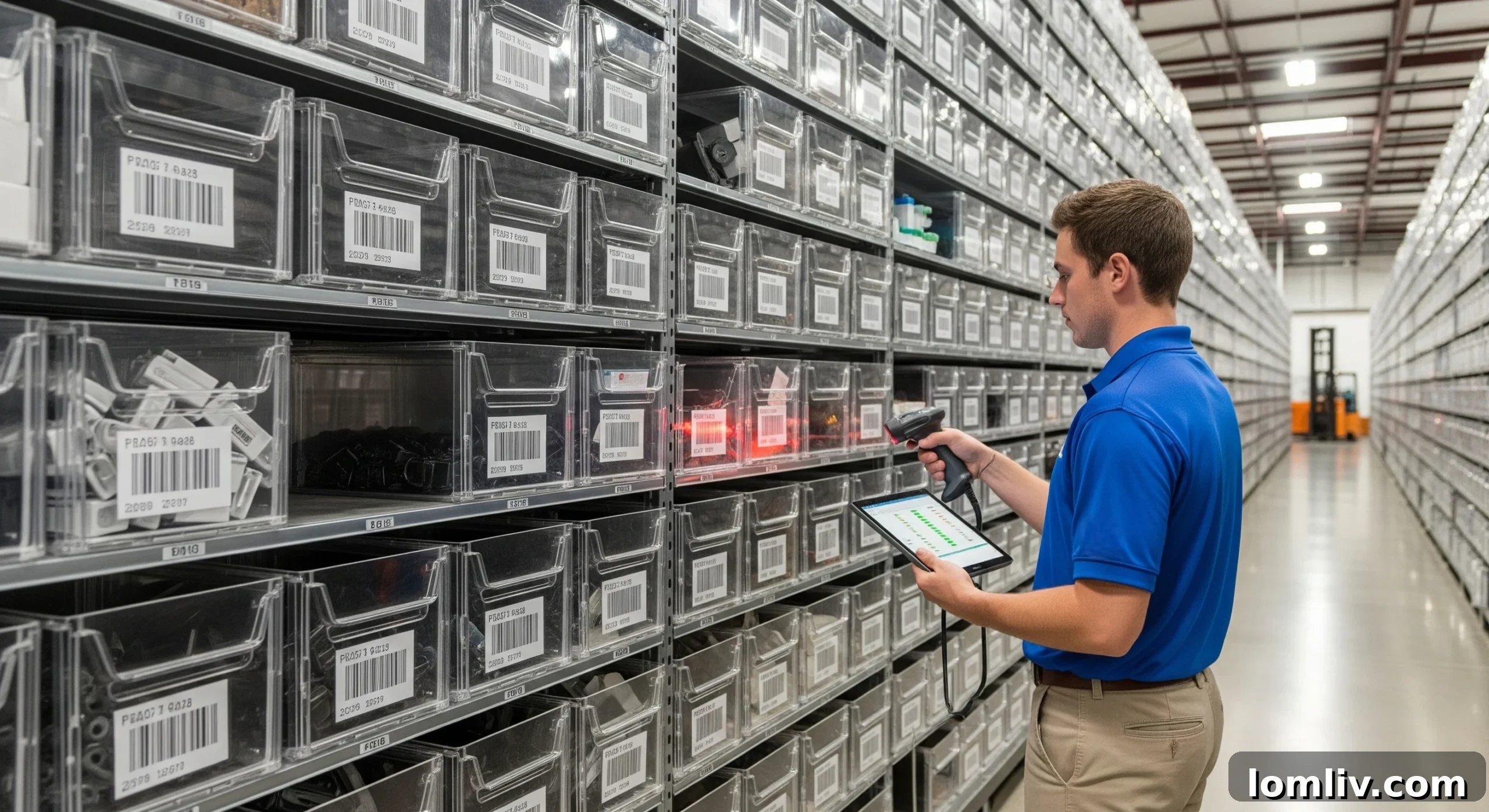
While organizer bins are not a magic bullet that instantaneously rectifies all stock issues, they provide an indispensable structural framework that empowers workers to manage fast-moving small parts without losing track of a single item. The inherent predictability of their layout, combined with consistent bin sizes, enables personnel to quickly and accurately locate specific components, significantly reducing search times and preventing disruptions to the workflow. This systematic approach is critical for maintaining robust inventory control and enhancing overall operational fluidity.
Enhanced Visibility for Rapid Stock Checks
One of the most significant advantages offered by high-quality organizer bins is the dramatic improvement in visibility. When these bins are strategically placed on shelves or carts, their open-front design or transparent material allows workers to instantly identify what’s inside. This eliminates the need for time-wasting activities such as shaking closed bags, peeling open sealed boxes, or dumping parts onto a workbench just to count them or confirm their presence. The clear, immediate view into each bin ensures that every item is accounted for at a glance.
This enhanced visibility is particularly beneficial during critical inventory processes like cycle counting. A quick visual inspection is often sufficient to determine whether a bin requires replenishment, thereby saving countless hours that would otherwise be spent meticulously searching through a jumble of mixed containers. By making inventory levels transparent, organizer bins contribute directly to faster, more accurate stock management, reducing the likelihood of unexpected shortages or costly overstocking.
Leveraging Labeling and Color-Coding for Flawless Organization
To further amplify accuracy and reduce picking errors, organizer bins are ideally suited for comprehensive labeling and color-coding systems. When every bin adheres to a standardized label placement, workers can effortlessly find the necessary information without having to hunt for it. This consistency is a cornerstone of efficient warehouse organization. Furthermore, integrating color-coding allows for the intuitive separation of product families, different stages of work, or even items categorized by urgency levels. Such visual cues dramatically cut down on mispicks, accelerate the training process for new hires, and reduce cognitive load for experienced staff.
Many teams develop their own bespoke labeling systems once the organizer bins are integrated into their workflow. Some prefer durable, pre-printed labels for a professional, permanent solution; others opt for flexible magnetic tags that can be easily repositioned, or simple markers for quick adjustments. The crucial aspect is that the bins themselves facilitate and reinforce the consistency of this system, preventing the gradual degradation of organization that often occurs with less structured storage methods. This adaptable framework ensures that the system remains relevant and effective as inventory needs evolve.
Optimizing Setup: Integrating Organizer Bins on Shelves and Carts
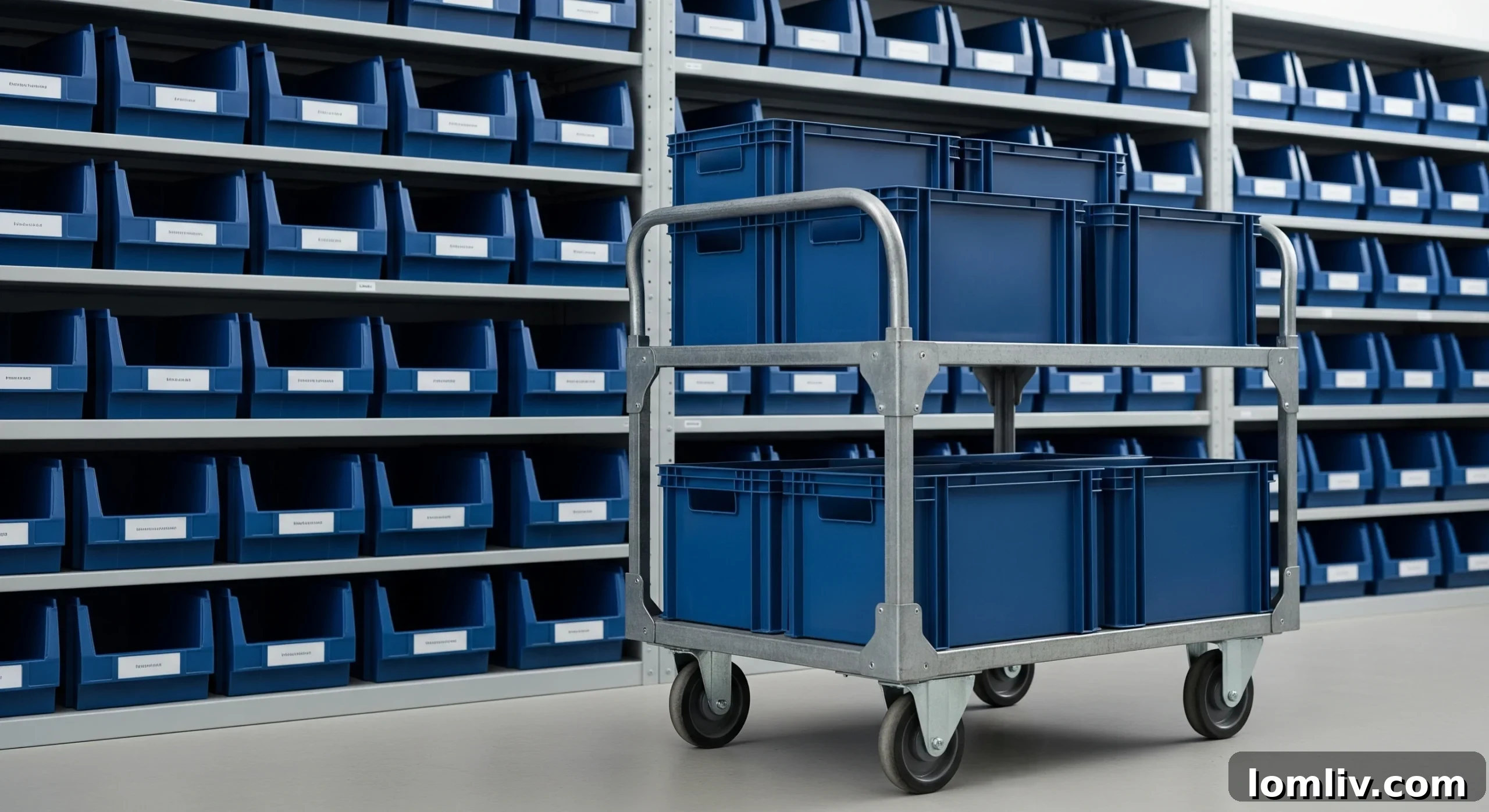
One of the compelling advantages of organizer bins is their seamless integration into existing operational setups with minimal effort. Industrial shelving units, for instance, immediately appear cleaner and more orderly because bins can be precisely lined up, preventing items from sprawling or spilling into adjacent rows or levels. This tidiness not only improves aesthetics but also reduces potential safety hazards. Mobile carts benefit even more profoundly: loose parts remain securely contained even during transit across the facility, eliminating the frustration of chasing components that roll off or fall during movement. This containment ensures that parts arrive at their destination intact and ready for use.
The optimal setup for organizer bins typically depends on the movement velocity of the stored items. High-traffic parts – those accessed frequently throughout the day – should be placed at eye level or within easy ergonomic reach to minimize bending or stretching. Conversely, slower-moving or less critical parts can be stored on higher or lower shelves, maximizing the utilization of vertical space without impeding daily operations. This strategic placement aligns with lean manufacturing principles, reducing wasted motion and improving efficiency.
Moreover, organizer bins play a pivotal role in maintaining balance and order at individual workstations. Instead of tools, fasteners, and other small parts gradually encroaching upon valuable workspace throughout the day, they remain neatly contained within their designated bins. This structured environment means workers don’t have to waste precious time clearing clutter or searching for misplaced items before commencing the next task. A clean and organized workstation fosters greater focus, reduces stress, and ultimately enhances productivity, allowing teams to complete more work in less time with fewer errors.
Strategies for Sustaining Long-Term Organization with Bins
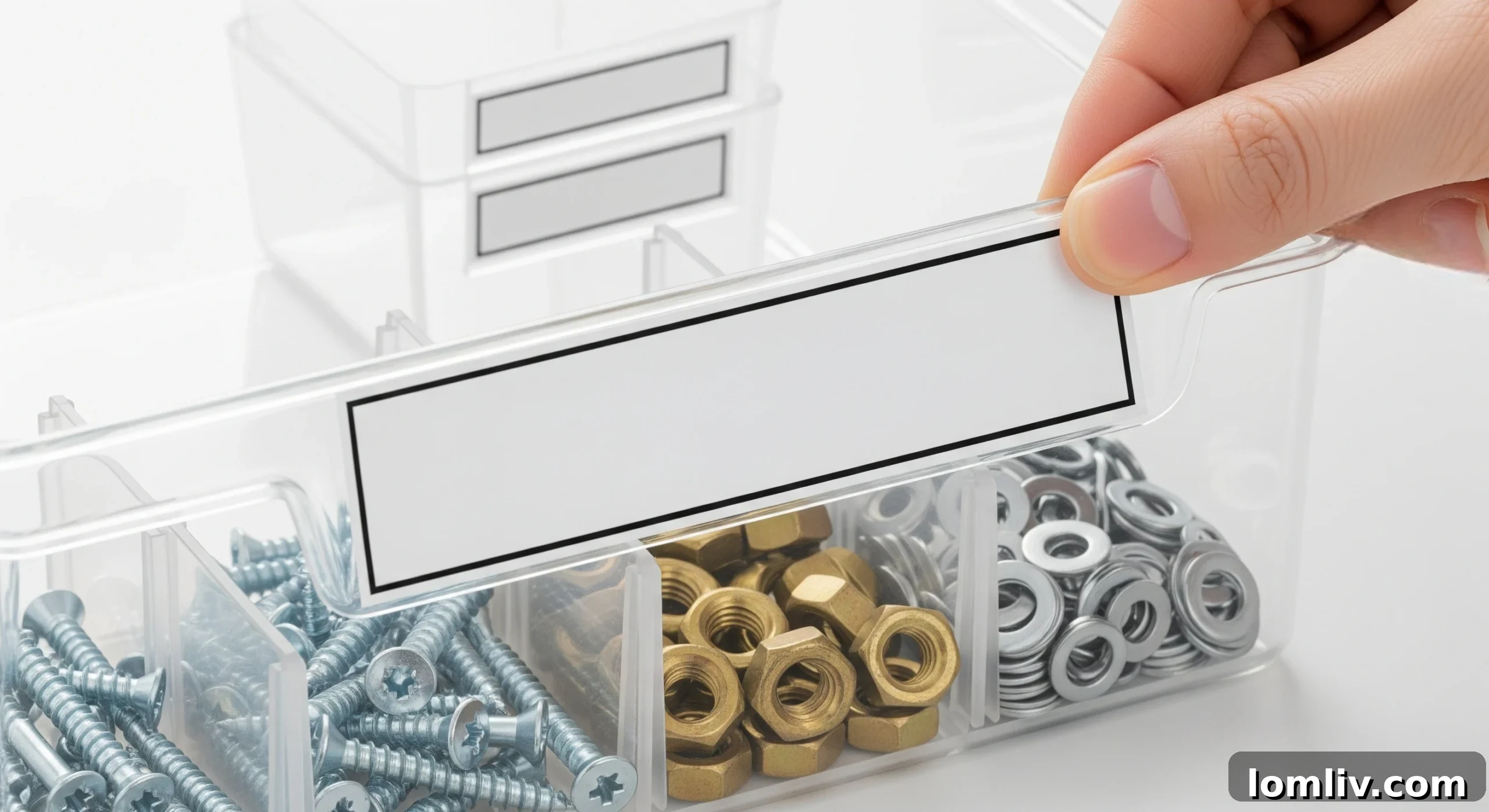
Any new organizational system often looks impressive on its inaugural day. However, the true measure of its effectiveness lies in its ability to withstand the rigors of real-world use over several weeks and months. Organizer bins inherently possess a strong advantage in this regard because they are designed to make “putting things back in their place” the path of least resistance. When a dedicated spot exists for every item, the temptation to leave things scattered diminishes significantly. Nevertheless, a few proactive habits are essential to ensure the system remains robust and prevents a gradual slide back into disarray:
- Maintain a Small Reserve of Extra Bins: Keeping a modest number of empty bins nearby is crucial for accommodating unexpected overflow or temporary changes in inventory, preventing new clutter from accumulating.
- Regularly Refresh Labels: When new items are introduced, old stock is phased out, or product specifications change, promptly updating labels ensures that the system’s clarity and accuracy are preserved. Faded or incorrect labels are an invitation to chaos.
- Utilize Dividers for Mixed Parts: For parts that are similar in appearance or frequently used together, internal bin dividers are invaluable. They prevent items from mixing, maintaining clear separation and making individual pieces easier to identify and retrieve.
- Periodically Revisit Layout: Workflows and inventory types are rarely static. If there are significant shifts in production processes or the types of items being handled, take the time to reassess and adjust the bin layout to maintain optimal efficiency and accessibility.
Individually, none of these steps demand a significant investment of time. However, when consistently applied, they collectively serve as powerful safeguards, preventing the organizational system from reverting to its previous state of clutter. When organizer bins are thoughtfully implemented and maintained in a way that genuinely complements how people perform their work, the entire inventory management process becomes dramatically smoother and less stressful. The tangible benefits include less time spent searching, a significant reduction in picking and counting errors, and a substantial decrease in end-of-day frustration, leading to a more productive and harmonious workplace.
If your operation is ready to upgrade its inventory system and move beyond the frustrations of disorganization, Container Exchanger offers a comprehensive selection of both new and used organizer bins. Their diverse range of high-quality storage solutions is specifically designed to fit seamlessly onto shelves, carts, and busy workstations, making it effortless to build an efficient setup that actively supports your team’s productivity rather than hindering it.