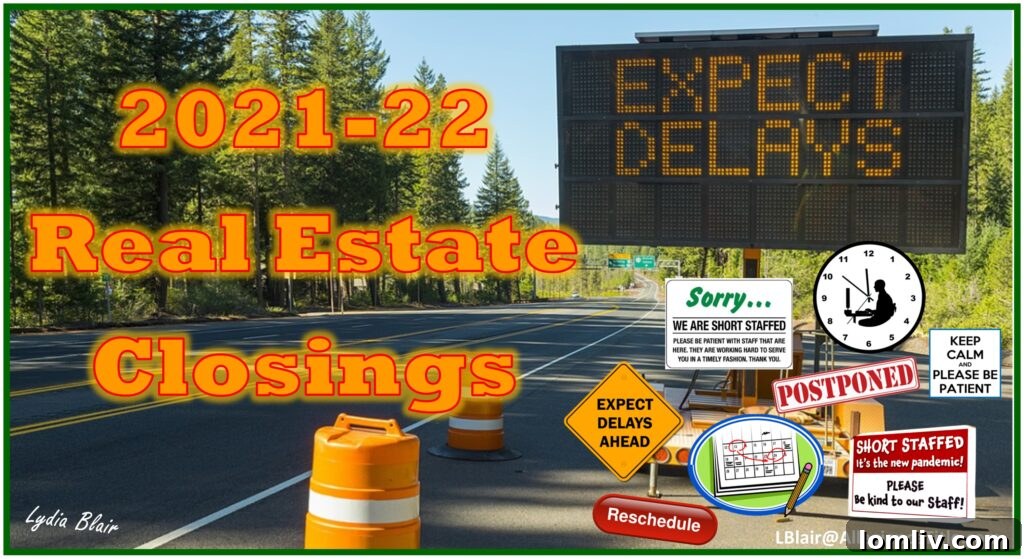
Are you planning to buy, sell, or refinance a property in the upcoming weeks or months? If so, it’s wise to anticipate potential delays in your real estate transaction. The U.S. economy, like many others globally, has been navigating a significant labor and staffing shortage across numerous sectors. This ripple effect has profoundly impacted the real estate industry, leading to unexpected hurdles for buyers, sellers, and even those looking to refinance their homes. Understanding the root causes of these property closing delays and knowing how to proactively address them can make a substantial difference in ensuring a smoother process.
The current housing market is characterized by high demand, fluctuating interest rates, and a complex web of interconnected services. While real estate professionals are working diligently to keep pace, the underlying capacity issues and workforce shortages are creating bottlenecks. This article aims to shed light on the various factors contributing to real estate transaction delays and provide actionable strategies to help you navigate these challenges effectively.
Understanding the Causes of Real Estate Transaction Delays
A real estate transaction is a complex process involving numerous individuals and entities, each playing a critical role from the initial offer to the final closing. Consequently, there are many potential points where delays can occur. While most closing delays are not intentional, they often arise from unforeseen circumstances or capacity limitations within the industry. We are currently experiencing a unique real estate market environment where new obstacles seem to emerge frequently, making advance planning more challenging than ever.
Just like restaurants, retail stores, and fulfillment centers, the real estate sector is grappling with significant labor and supply chain problems. While there isn’t a shortage of dedicated real estate agents or title companies, the unprecedented demand for homes and mortgage loans, particularly observed in recent years, has strained the capacity of many real estate-related businesses. This imbalance between high demand and limited operational capacity is a recipe for snags and postponements in the closing process.
While the majority of real estate closings are still completed on time, a significant backlog and an increased frequency of delays can be attributed to specific bottlenecks within the system. Let’s delve deeper into the key players and factors contributing to these property closing delays:
Mortgage Lenders and Financing Issues
Financing issues stand out as a primary culprit for closing delays. According to reports from organizations like the National Association of Realtors, almost a third of all transaction delays can be traced back to challenges with lending. Mortgage lenders are currently processing record volumes of loan applications, ranging from new home purchases to a wave of refinances. This surge in demand, coupled with persistent staffing shortages within their underwriting and processing departments, creates significant backlogs. The intricate nature of mortgage applications, tightened regulatory scrutiny, and the need for meticulous documentation review further compound these issues. Even minor discrepancies or additional information requests can add days, if not weeks, to the overall timeline.
Appraisal Backlogs and Valuation Challenges
Appraisal issues represent the second most common reason for real estate closing delays. The demand for property appraisals has reached an all-time high, driven by the hot housing market and the sheer volume of transactions. Simultaneously, the industry faces a critical shortage of licensed appraisers. This isn’t a new problem; it’s been exacerbated by an aging workforce and stringent licensing requirements that limit the influx of new professionals. Appraising properties in rapidly appreciating or volatile markets also adds complexity, as appraisers must meticulously analyze comparables and market conditions to determine an accurate and unbiased valuation. The time required for an appraiser to schedule a visit, complete their detailed report, and for the lender to review and approve it, often leads to significant slowdowns.
Surveyor Shortages and Land Documentation
Similar to appraisers, the surveying industry is experiencing high demand coupled with a shortage of licensed professionals. Property surveys are crucial for defining property lines, identifying easements, and ensuring there are no encroachments, which are vital for establishing clear title. With an increased number of property transfers and new construction projects, the demand for timely and accurate surveys has soared. The specialized nature of the work, the need for precise measurements, and the often site-specific challenges contribute to longer lead times for obtaining survey reports, subsequently impacting the overall closing schedule.
Home Inspection Scheduling and Report Delays
Home inspectors are another group working tirelessly to keep up with the overwhelming demand. With competitive markets often requiring quick contract execution, buyers are eager to schedule inspections as soon as possible to understand the condition of their potential new home. The thoroughness required for a proper home inspection, which covers everything from structural integrity to plumbing and electrical systems, makes it a time-consuming process. Scheduling conflicts, the time needed to prepare a detailed report, and subsequent negotiations based on inspection findings can all contribute to delays in the real estate timeline.
Underwriting Bottlenecks and Risk Assessment
Underwriters, whether for lending or title insurance, play a pivotal role in assessing risk and ensuring all legal and financial requirements are met before a transaction can close. The sheer volume of transactions in the current market has left lending and insurance underwriters overwhelmed. Their job involves a meticulous review of all documents, from credit histories and income statements to property titles and surveys. This detailed scrutiny is essential for protecting all parties involved but becomes a significant bottleneck when resources are stretched thin. Any additional information requested by an underwriter can halt the process until it’s provided and reviewed, potentially causing substantial delays.
Supply Chain and Labor Issues for Repairs and Moves
Beyond the core real estate professionals, other industries that are essential to the home buying and selling process are also feeling the pinch of labor and supply problems. This includes repairmen, contractors, and movers. If a home inspection reveals issues requiring repairs before closing, finding available contractors and sourcing materials can be challenging due to ongoing supply chain disruptions and a scarcity of skilled labor. Similarly, scheduling movers, particularly during peak seasons, can be difficult, leading to last-minute changes that affect closing dates or move-in timelines. These external factors, though not directly part of the real estate transaction chain, can nonetheless introduce significant delays.
Strategies to Mitigate Real Estate Closing Delays
While some delays are unavoidable in the current market, proactive planning and diligent communication can significantly reduce their impact. Both buyers and sellers have a role to play in streamlining the process. Here are actionable steps you can take to help minimize potential setbacks and navigate your transaction more smoothly:
- Get Pre-Approved by a Lender Before Signing a Contract: This is perhaps the most crucial first step for buyers. Obtaining a full pre-approval from a reputable lender demonstrates your seriousness as a buyer and gives you a clear understanding of what you can afford. More importantly, it allows the lender to begin the initial underwriting process, identifying and addressing any potential financing hurdles early on. Once you commit to a lender, stick with them; switching lenders mid-transaction almost guarantees delays.
- Set Realistic Contract Dates and Timelines: In a fast-paced market, it’s tempting to push for a quick close. However, given the current backlogs across various services, it’s more prudent to plan for longer closing periods. Instead of the traditional 30 days often seen in some markets like Texas, consider aiming for 45 or even 60 days to close. This extra buffer can accommodate potential delays with appraisals, surveys, and underwriting, reducing stress for all parties.
- Book Essential Inspections and Repairs as Soon as Possible: As soon as your offer is accepted, prioritize scheduling your home inspection. Work with your real estate agent to secure a qualified inspector immediately. If the inspection reveals necessary repairs that are part of the contract, initiate contact with repairmen or contractors without delay. Both buyers and sellers share the responsibility of securing qualified professionals for these tasks in a timely manner.
- Confirm Appraisal Order and Monitor Progress Proactively: The appraisal is a critical component of the lending process. Ensure that your lender orders the appraisal at least three to four weeks prior to your projected closing date. Follow up regularly to confirm it has been scheduled and completed. Once the appraisal report is submitted, it still needs to be reviewed and approved by the lender and their underwriter, which can take additional time. Proactive monitoring can help flag any issues early.
- Ensure Survey Approval or Order a New One Early: If an existing survey is available, ensure it meets the requirements of the title company, lender, and underwriter as soon as possible. If a new survey is required, order it at least three weeks before closing. Surveys can sometimes reveal unexpected easements or boundary disputes that need to be resolved, and addressing these early prevents last-minute scrambling. The timely review and approval of any survey by all relevant parties is non-negotiable.
- Provide Lender Documents Promptly and Completely: Throughout the loan process, your lender will frequently request additional documents or clarifications. The quicker you provide these accurately and completely, the faster your loan can move through underwriting. Delays in submitting requested paperwork are a common cause of financing slowdowns, so make it a priority to respond to your lender’s requests immediately.
- Maintain Open and Frequent Communication: Effective communication is paramount. Work closely with your real estate agent, who should be in regular contact with your lender and title company. Proactive check-ins, anticipating potential issues, and promptly addressing concerns can prevent small problems from escalating into major delays. Surprise delays or last-minute rescheduling are frustrating for everyone involved, so transparency is key.
- Partner with Responsive and Experienced Professionals: The quality of your real estate team significantly impacts your experience. Choose a real estate agent, lender, and title company known for their responsiveness, experience, and ability to troubleshoot problems effectively. Professionals who are proactive, communicative, and well-versed in navigating current market challenges can be invaluable in keeping your transaction on track.
- Be Prepared, Patient, and Empathetic: Finally, approach the process with a mindset of preparation, patience, and kindness. Recognize that all professionals involved are working under immense pressure and doing their best to manage high volumes and unforeseen challenges. While it’s essential to advocate for your transaction, a respectful and understanding attitude can foster better collaboration and help resolve issues more smoothly during these difficult times.
The current real estate landscape demands a heightened level of awareness, flexibility, and strategic planning. By understanding the common causes of delays and adopting these proactive measures, both buyers and sellers can significantly improve their chances of a smoother and more timely closing. Navigating a real estate transaction in today’s market requires diligence, communication, and a strong partnership with your chosen professionals.