
Curiosity about your surroundings is natural, especially when it comes to understanding who owns properties in your neighborhood or the area you’re considering. Whether you’re a prospective homebuyer conducting due diligence, a long-term resident wanting to connect with neighbors, a service provider needing to identify a property owner, or simply engaged in genealogical or historical research, knowing who owns a house in the U.S. can be incredibly valuable. The good news is that accessing this information is often much simpler than many people imagine, thanks to the public nature of most property records.
Understanding Public Property Records in the U.S.
In the United States, property ownership records are generally considered public information. This transparency is foundational to the real estate system, ensuring clear titles, fair transactions, and accountability. This means that if a property’s address is publicly accessible online, through government records, or on a people search website, you are typically within your legal rights to look up its ownership details. This open access facilitates a variety of important functions, from community planning and tax assessment to protecting buyers from fraudulent claims. However, it’s crucial to understand that while ownership is public, personal contact information might have varying degrees of accessibility depending on the source and state laws.
Effective Strategies to Uncover Property Ownership
Finding out who owns a property can be approached from several angles, ranging from digital searches to in-person inquiries. Each method offers unique advantages and can provide different levels of detail. Here’s a comprehensive guide to help you in your search:
1. Leverage Online People Search and Reverse Address Lookup Sites
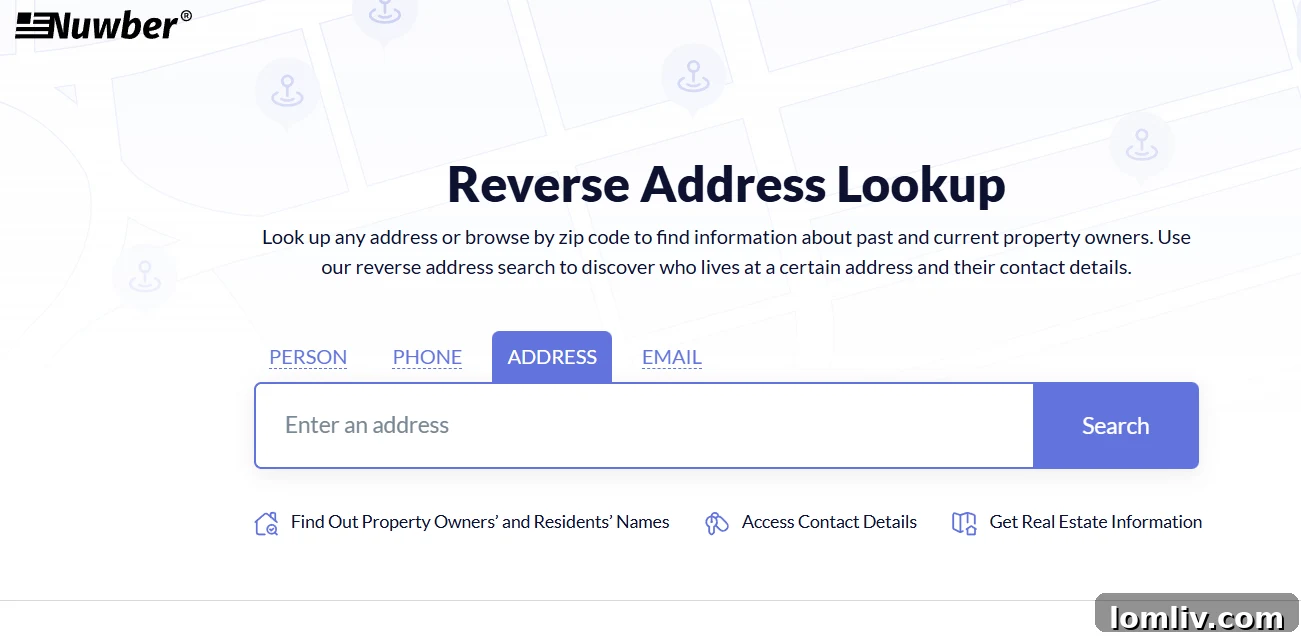
One of the quickest and most convenient ways to begin your search is by utilizing a reverse address search on specialized people search engines. These platforms aggregate vast amounts of publicly available data to provide comprehensive reports. To perform an accurate search, input the property address into the search bar, typically in the format: street number, street name, city/town, state abbreviation (e.g., TX for Texas), and ZIP code. For instance, “123 Main St, Anytown, TX 75001”.
Upon conducting a reverse address lookup, you may uncover a wealth of information beyond just the current owner. Many sites provide details on previous owners, their estimated ages, potential phone numbers, associated relatives, and even insights into the property’s characteristics and the surrounding neighborhood. While some basic information might be available for free, more in-depth reports often come with a subscription or a one-time fee. Always cross-reference information from these sites, as data can sometimes be outdated or less precise than official government records.
2. Consult Your Local County Clerk or Assessor’s Office
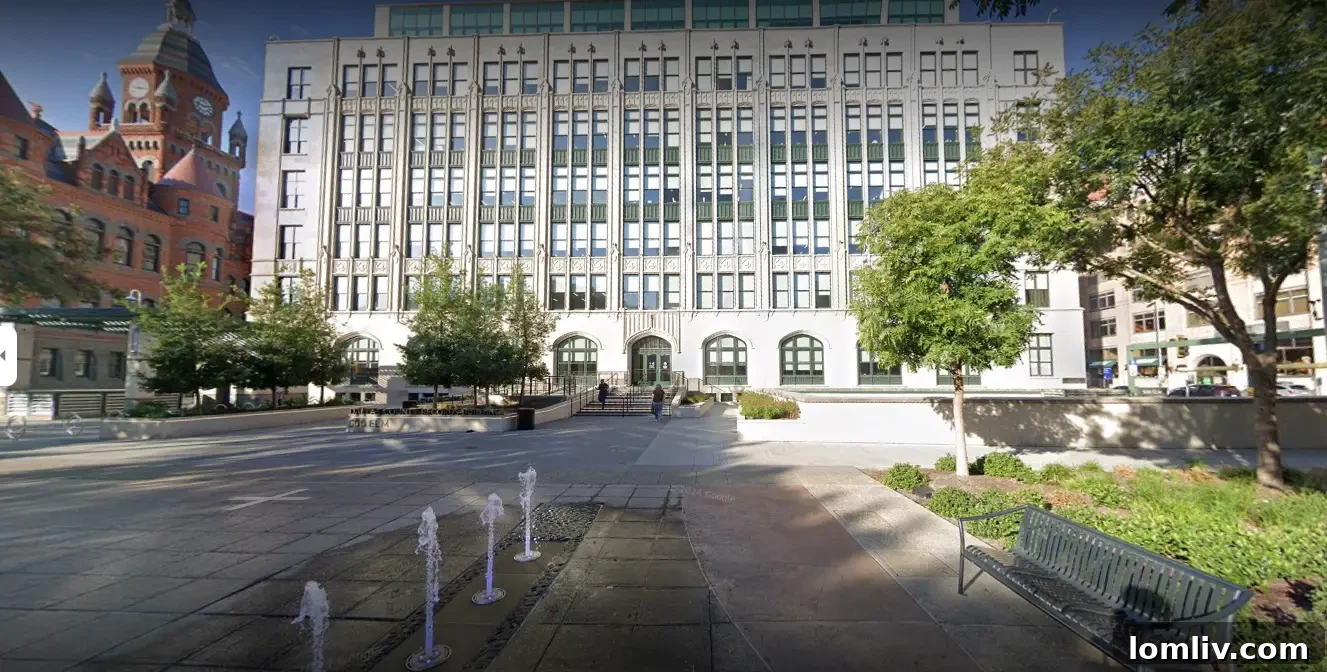
The County Clerk’s office (or the County Recorder, Assessor, or Register of Deeds, depending on your locality) is the definitive official source for property ownership information. This governmental department maintains all legally recorded documents related to real estate transactions within its jurisdiction. Here, you can typically find:
- Property Deeds: These are the legal documents that transfer ownership from one party to another. They explicitly name the current and past owners.
- Mortgages and Liens: Records of financial claims against a property, which often include owner details.
- Tax Records: The County Assessor’s office specifically handles property valuation and tax collection. Tax records are publicly accessible and will list the owner responsible for property taxes.
- Recorded Documents: A wide array of other legal documents pertinent to a property, such as easements, boundary agreements, and sometimes even surveys, are recorded here.
Many County Clerk’s and Assessor’s offices across the U.S. now offer convenient online portals where you can search for property ownership information using an address or parcel number. These online databases are often free and provide immediate access to official records. For more specific inquiries, certified copies of documents, or assistance with complex searches, visiting the office in person is always an option. Be prepared to provide the property address and potentially a small fee for copies of documents.
3. Explore Property Details on Social Media Platforms (Legally!)

While not a primary source for official ownership, social media can sometimes offer clues or direct connections, especially if individuals or businesses openly share their location or property details. Many people mention their living or business location on platforms like Facebook, Instagram, or X (formerly Twitter). By typing the necessary address into the search bar of these platforms, you might find posts where the address has been tagged, mentioned in property listings, or even featured on someone’s profile or business page.
Utilizing relevant hashtags on Instagram or X can also yield results, particularly if a property is for sale, rent, has undergone recent renovations, or is associated with a local event. For instance, searching “#[City]RealEstate” or “#[Address]” could reveal posts by real estate agents, home staging companies, or even the owners themselves. Remember that information found on social media should always be taken with a grain of salt and verified through official channels, as it can be incomplete, outdated, or even misleading. This method is more about generating leads or context rather than definitive proof of ownership.
4. “Google It”: Effective Search Engine Techniques

A simple Google search can often provide surprisingly quick results, especially if the property has been involved in recent transactions, news articles, or public listings. While not always definitive, this method can direct you to official records or other valuable resources. To maximize your chances, try various search queries:
- “owner of [Full Address]”
- “[Full Address] property records”
- “[Full Address] county assessor”
- “[Full Address] real estate history”
- “who owns [Street Number] [Street Name], [City], [State]”
If the page containing the address information is indexed by Google, you could access relevant data within seconds. However, the accuracy and recency of information found via general search engines can vary significantly. Always exercise caution and critical evaluation regarding the sources you consult. Prioritize government websites, reputable real estate portals, and established news outlets over less credible sources. Additionally, Google Maps and Street View can offer visual context and sometimes link to property data or local business listings associated with an address.
5. Research at Your Local Public Library

Local public libraries are often overlooked but invaluable resources for historical and current property research. Many libraries serve as custodians of local public records, historical archives, and specialized databases that might not be readily available online. Librarians are typically skilled researchers who can guide you to the right resources, which may include:
- Digitized or Microfilmed Records: Access to old property deeds, tax records, and city directories.
- Local History Collections: Information about older properties and their past owners, often including photographs and anecdotes.
- Specialized Real Estate Databases: Some larger libraries subscribe to commercial real estate databases that offer detailed property reports.
- Newspaper Archives: Historical articles might mention property transactions, developments, or ownership changes.
- City Directories: Pre-dating phone books, these directories often listed residents by address, which can be useful for older properties.
If you’re researching an older property, delving into historical city directories and newspaper archives can unveil a fascinating lineage of ownership. For newer properties, librarians can often direct you to online county records or other digital resources. Don’t hesitate to ask for assistance; librarians are a treasure trove of knowledge about accessing local information.
6. Engage with Neighbors and Community Groups
Sometimes, the most straightforward approach is to simply ask. If you’re looking for information about a specific house in your neighborhood, long-term residents are often the best source of anecdotal, yet frequently accurate, information. Striking up a polite conversation with established neighbors can yield insights into who lives at a certain address, how long they’ve been there, or even who might own a rental property.
A particularly effective way to gather this information is by connecting with members of local community organizations, such as a Neighborhood Watch Group or a Homeowners Association (HOA). These groups are deeply involved in community safety and local activities, and their members often possess a good understanding of who lives where. Attending a Neighborhood Watch meeting, for example, can not only provide direct answers but also offer a broader understanding of the community dynamics and its residents. Always approach these conversations respectfully and be clear about your non-intrusive reasons for asking.
7. Consult with a Real Estate Professional or Title Company

Real estate agents, brokers, and especially title companies, are professionals whose work revolves around property ownership. If a house is currently for sale or rent, inquiring with the local real estate agent listing the property is a legitimate way to find out who owns it. Approach the conversation professionally, briefly explaining your reason for asking. Most agents are willing to provide basic ownership information, as it can sometimes lead to future business opportunities, and typically won’t charge for this simple inquiry.
For a more definitive and legally binding search, especially if you are considering purchasing a property, a title company is the ultimate resource. Title companies conduct comprehensive title searches to ensure a property’s ownership is clear and free of encumbrances before a sale. While a full title report comes with a fee, they can often provide preliminary ownership details and are experts in navigating complex property records. They delve into historical deeds, liens, easements, and other documents to establish a complete chain of title, offering the most accurate and reliable ownership information available.
Important Considerations When Seeking Property Ownership Information
While most property ownership information is public, it’s essential to remember the ethical and legal boundaries. Always respect privacy, avoid intrusive behavior, and ensure your reasons for seeking this information are legitimate. Information gathered should be cross-referenced from multiple reliable sources to ensure accuracy, as errors can occur, especially with older records or third-party data aggregators. By utilizing these diverse methods, you can effectively and responsibly discover who owns a house in the U.S., whether for personal curiosity, professional due diligence, or community engagement.