The Enigmatic Buckner House: A Dallas Landmark’s Uncertain Future
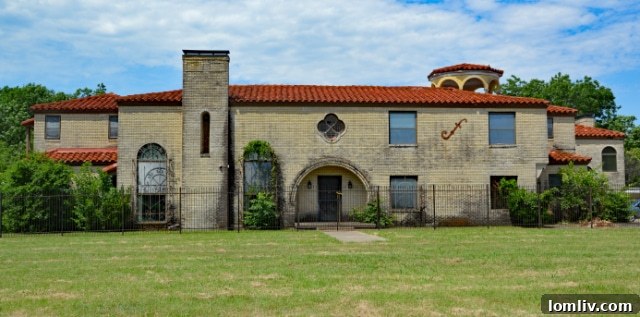
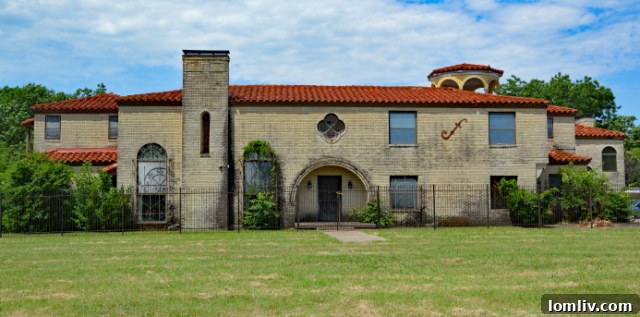
For decades, the stately Mediterranean-style mansion on North Buckner Boulevard has captivated the imagination of Dallas residents and visitors alike. Shrouded in local lore and whispered stories, this historic estate, famously known as The Buckner House, stands as a solitary sentinel amidst the bustling six-lane thoroughfare. Its imposing architecture and air of mystery have long made it a constant source of fascination and speculation, particularly given its prolonged vacancy. Now, a new chapter begins for the iconic property at 1425 N. Buckner Blvd., as it recently moved to a contingent status, sparking renewed interest and a pressing conversation about its future.
More than just a house, this property represents a significant piece of Dallas’s architectural and cultural heritage. Its journey from a grand family residence to a vacant landmark, and now to a potential sale, mirrors broader trends and challenges facing historic homes in rapidly developing urban areas. The contingent status ignites hope for some who envision its restoration, while others fear it may succumb to the prevalent trend of demolition for new construction. Understanding the Buckner House’s story provides a window into the ongoing debate between progress and preservation in a city constantly reinventing itself.
A Glimpse into Grandeur: The Buckner House Details and Market Journey
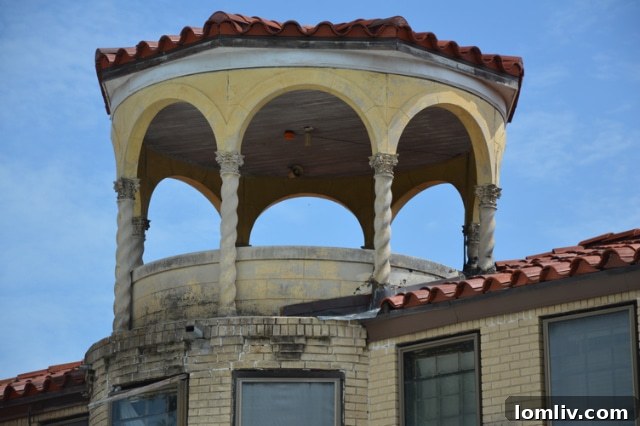
Marketed by Brent King of the distinguished Brent King Group, The Buckner House is an architectural marvel spanning an impressive 5,733 square feet. Built in 1925, this sprawling mansion boasts five spacious bedrooms, four and a half baths, and an undeniable aura of forgotten elegance. Its distinctive Mediterranean Revival style, characterized by stucco exteriors, terracotta roof tiles, and arched windows, harks back to an era of prosperity and classical influence in Dallas architecture. However, despite its inherent grandeur, the property has remained vacant for a disheartening 16 years, leaving many to wonder about the stories held within its silent walls.
The estate’s journey on the market has been as intriguing as its history. It first became available for sale in April 2022, initially listed at a substantial $3.45 million. Reflecting market adjustments or perhaps a strategic re-evaluation, the price has since been reduced to $2.8 million. This price point, combined with the property’s significant acreage and prime location, makes it an attractive proposition for various buyers, from those with a vision for extensive restoration to developers eyeing its potential for subdivision or entirely new construction. The contingent status indicates a serious buyer is now at the table, bringing the Buckner House closer to its next phase.
The Looming Threat: Preservation vs. Development in Dallas
The sale of a significant historic property like The Buckner House inevitably ignites a passionate debate, especially in a city like Dallas, which has seen a concerning “rash of teardowns” in recent years. With its generous 4.18-acre footprint, the likelihood that a new buyer will opt to preserve and restore the existing mansion appears, regrettably, low to many preservation advocates. The economic incentives often favor clearing the land for multiple new, smaller homes or a complete redevelopment, sacrificing irreplaceable architectural heritage for modern expediency. This trend, driven by escalating land values and a demand for contemporary housing, poses a dire threat to the unique character of many Dallas neighborhoods.
For preservationists, the potential loss of estates like The Buckner House is not merely the demolition of an old building; it is a detrimental blow to the very cultural fabric of the city. These homes embody generations of history, craftsmanship, and local identity that cannot be replicated. Once they are gone, they are gone forever, taking with them a tangible link to Dallas’s past and diminishing the architectural diversity that makes the urban landscape rich and engaging. The ongoing challenge for Dallas lies in finding a balance where growth and development can coexist with a profound respect for its irreplaceable heritage.
Norm Alston on the Enduring Value of Restoration
Amidst these concerns, the insightful words of preservation expert Norm Alston offer a powerful counter-narrative, challenging common misconceptions about historic property restoration. Alston’s perspective highlights the resilience of older structures and the profound value in their preservation, articulating a vision where the past can brilliantly inform the future.
People say they cannot fix something because they don’t know how to fix it. I often hear something cannot be fixed, or it’s going to cost too much and is not worth it. If you are not in the restoration and preservation business, you should not be gauging restorability.
No matter how something looks, it’s almost always the case with a residential structure that it is never too far gone to restore. If it has not burned, it’s probably salvageable. Buildings are far more resilient than people give them credit for.
One of the things I encounter with existing buildings that have been allowed to deteriorate is so many people cannot see past that. You have to envision a building as it once was. There is a different approach to economically putting a historic building back. You have to have the skills and know the techniques. We have to look at something and say it has value.
You bring it back, and you will have something greater than a new piece of property. That is why they make TV shows about fixing old houses! Time is not an indicator of salvageability. In Europe, people salvage. They don’t tear down. We struggle with making appropriate decisions about existing buildings. Look at the Baker Hotel in Mineral Wells, for example. It sat vacant for decades. It’s finally being restored to its former glory and turning Mineral Wells into a destination again.
It’s easy to find someone to tell you to tear a building or a house down, but I think we are finally seeing a cultural awakening to the value of cool buildings from our past.
Norm Alston
Debunking Restoration Myths: The Resiliency of Historic Homes
Alston powerfully challenges the common refrain that older homes are “too far gone” or “too expensive” to restore. He argues that this perception often stems from a lack of specialized knowledge. Those outside the preservation industry may not fully grasp the techniques and inherent durability of historic construction. Buildings from eras like the 1920s were often constructed with superior materials and craftsmanship, making them inherently more robust than many modern structures. Their foundational integrity often remains strong, even after years of neglect, proving that “if it has not burned, it’s probably salvageable.”
The Vision for Revival: Beyond Deterioration
A key insight from Alston is the need for vision. He notes that many struggle to look past current deterioration and envision a building’s former splendor. True restoration requires not just technical skill but also an imaginative approach – seeing the potential, understanding its historical context, and appreciating the intrinsic value that can be unlocked. This involves specialized skills and techniques often overlooked in conventional construction. Restoring a historic building is not merely repairing it; it is an act of historical stewardship, an investment in unique character that contemporary architecture rarely achieves.
The Economic and Cultural Value of Preservation
Alston emphasizes that a restored historic building offers “something greater than a new piece of property.” Beyond its monetary value, it contributes to a community’s identity, offers unique charm, and promotes sustainable practices by reusing existing resources rather than consuming new ones. This concept is vividly illustrated by the popularity of shows dedicated to renovating old homes, demonstrating a widespread appreciation for the character and narrative that only age can bestow. The value is not just in the bricks and mortar, but in the story and soul embedded within.
Lessons from Across the Atlantic: A Global Perspective on Heritage
Comparing American practices to those in Europe, Alston points out a fundamental difference: “In Europe, people salvage. They don’t tear down.” This contrast highlights a deeply ingrained cultural and policy-driven approach to heritage preservation in many European nations. Their commitment to maintaining historical continuity offers a powerful model for American cities like Dallas. It underscores that time is not an indicator of salvageability, but rather an enhancement of value when approached with a preservation mindset. This global perspective invites us to reconsider our priorities regarding existing architectural assets.
The Baker Hotel: A Beacon of Successful Restoration
A compelling local example Alston offers is the Baker Hotel in Mineral Wells, Texas. This iconic structure sat vacant and decaying for decades, seemingly beyond hope. Yet, through determined efforts and significant investment, it is now undergoing a spectacular restoration, poised to reclaim its former glory and once again become a regional destination. The Baker Hotel’s renaissance serves as a potent testament to the power of preservation, demonstrating that even long-neglected landmarks can be reborn, bringing economic revitalization and renewed pride to their communities. It offers a tangible blueprint for what could be achieved with The Buckner House.
A Cultural Awakening: Hopes for Dallas’s Architectural Future
Alston concludes on an optimistic note, suggesting that Dallas is witnessing “a cultural awakening to the value of cool buildings from our past.” This growing awareness is crucial. While it remains easy to find voices advocating for demolition, there is a burgeoning appreciation for the unique aesthetics, stories, and sustainability inherent in historic structures. This shift in public sentiment, if cultivated, could prove pivotal in safeguarding remaining architectural treasures like The Buckner House.
The Future of The Buckner House: A Defining Moment for Dallas
As The Buckner House moves into its contingent phase, its fate hangs in the balance, representing a defining moment for Dallas’s architectural heritage. Will it be lovingly restored to once again shine as a beacon of Mediterranean Revival grandeur, or will it fall victim to the wrecking ball, making way for something new but ultimately less meaningful? The outcome of this sale will not only determine the future of one prominent estate but will also send a powerful message about Dallas’s commitment to preserving its unique character and history.
The Buckner House stands as a silent plea for vision, an opportunity to demonstrate that historic preservation is not a barrier to progress but an integral component of sustainable and culturally rich urban development. Let us hope the new custodians of this remarkable property embrace the vision of restoration, ensuring that this cherished Dallas landmark continues to inspire awe and tell its story for generations to come, enriching the cultural tapestry of our vibrant city rather than erasing a precious thread.