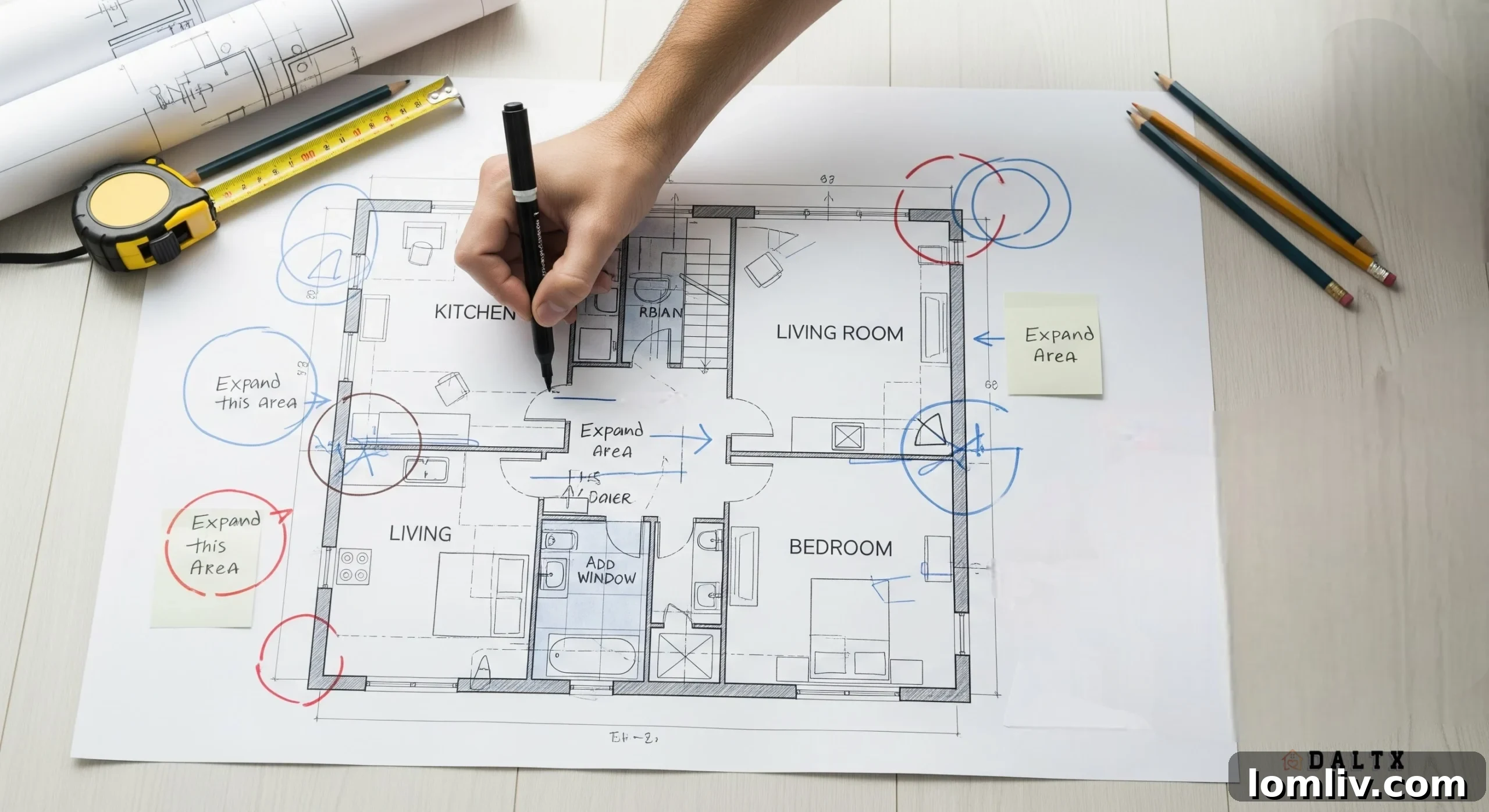
Embarking on the journey of designing your dream home is an incredibly exciting and deeply personal endeavor. It’s far more than just selecting paint colors or fixtures; it’s about meticulously shaping spaces that perfectly align with your lifestyle, reflect your personality, and grow with you through every stage of life. The true magic lies in creating flexible, customizable environments that offer both unparalleled everyday functionality and a distinctly personal touch.
This comprehensive guide is crafted to illuminate the profound advantages of flexible home design, explore the essential features that truly matter, and demystify the entire process from initial concept to the triumphant moment of closing. Within these pages, you’ll discover a wealth of practical ideas, crucial cost considerations, and straightforward strategies to keep your custom home project organized and on track, ensuring a smooth and rewarding experience.
The Enduring Benefits of Customizable Living Spaces
Tailored to Your Unique Lifestyle
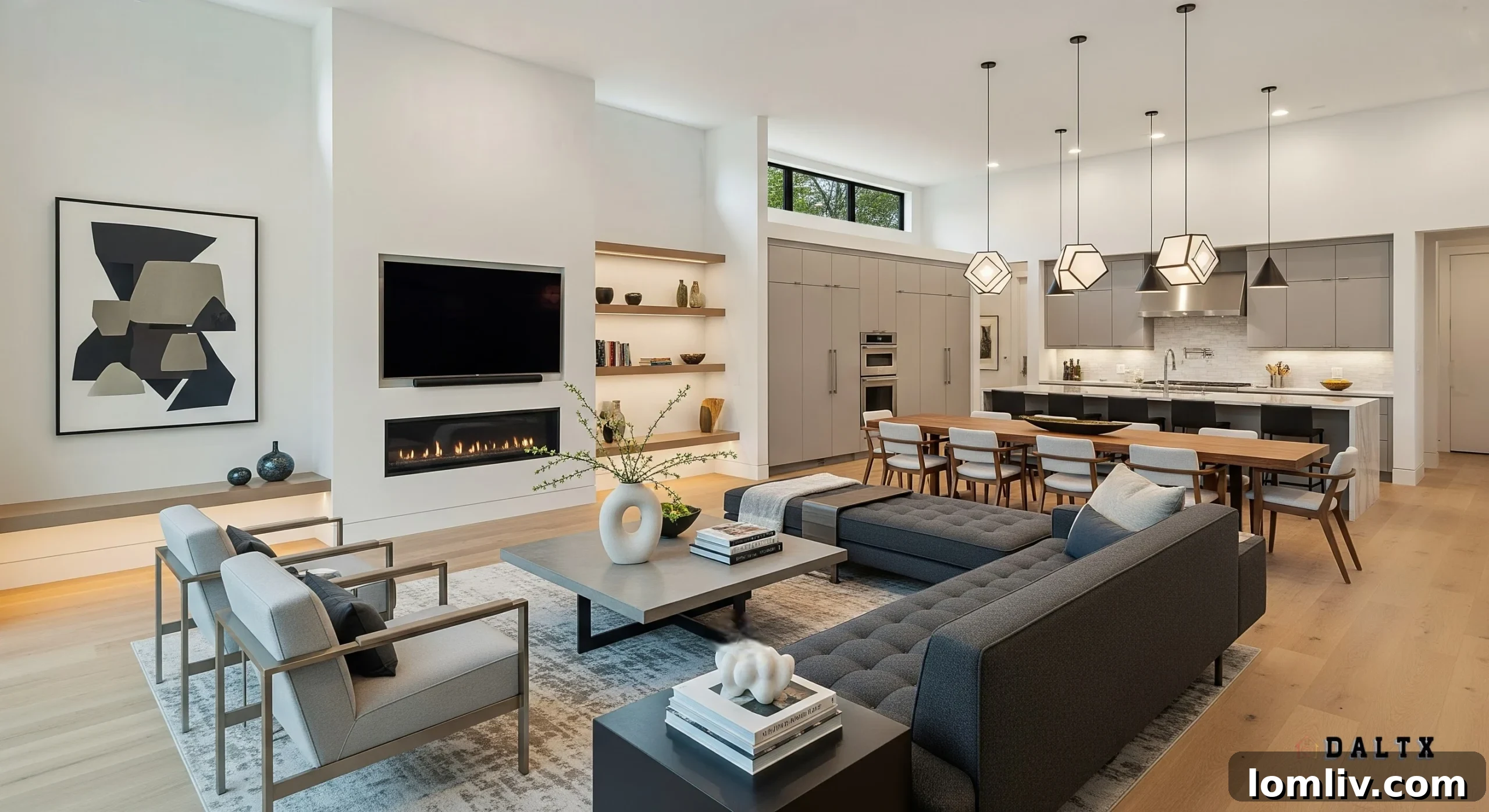
Every household operates with its own distinct rhythm and set of needs. When you have the freedom to plan your rooms around your specific routines and preferences, you unlock a superior level of comfort and optimize the utilization of every square foot. Consider the passionate cook who frequently entertains: their ideal home might feature a generous, chef-inspired kitchen with a perfectly engineered work triangle, ample seating at a grand island, and a convenient walk-through pantry for effortless organization and access. For the dedicated professional working from home, a custom design allows for a tranquil, well-lit office space with built-in storage, strategically placed near the entry for discreet client visits. Alternatively, a bustling family with young children might prioritize a spacious mudroom with individual lockers and durable flooring, along with a dedicated playroom that can easily transition into a teenager’s study lounge or a hobby room as needs evolve. A well-planned, custom layout doesn’t just make your daily flow easier; it transforms it into a more enjoyable and seamless experience, truly feeling like an extension of your life.
Boosting Long-Term Value and Resale Appeal
Investing in thoughtful customization is not merely about immediate gratification; it’s a strategic move that can significantly enhance your home’s appeal and financial value when the time comes to sell. Savvy buyers are increasingly drawn to smart square footage utilization, innovative storage solutions that truly function, and floor plans that strike a perfect balance between open spaciousness and purposeful definition. A home that photographs beautifully, lives exceptionally well, and shows impeccably can command a stronger resale price. This is particularly true when upgrades are carefully chosen for their timeless aesthetic and universal appeal, and when overall maintenance is straightforward. Furthermore, incorporating energy-efficient features and smart home technology during the initial build not only reduces operating costs for future owners but also significantly boosts the home’s perceived value and market desirability, making it a sound long-term investment.
Future-Ready Choices for Evolving Needs
Life is dynamic, and as it evolves, so do your living requirements. Designing flexible zones within your home allows for seamless adaptation without the need for costly and disruptive major remodels down the line. A main-level suite, for instance, can comfortably accommodate visiting parents today, then effortlessly transform into an ideal aging-in-place primary bedroom later, offering convenience and accessibility. Similarly, a vibrant loft space might begin its life as a lively playroom for children, then easily convert into a quiet study nook for teenagers, a dedicated home gym, or even an additional guest bedroom. Subtle yet impactful design elements, such as wider hallways for improved maneuverability, minimal thresholds between rooms to prevent tripping hazards, and strategic blocking within walls for future grab bars or shelving, are small considerations during construction that make a profound difference in a home’s adaptability and functionality over decades.
Essential Features That Make a Home Truly Flexible
Open Flow with Purposeful Definition
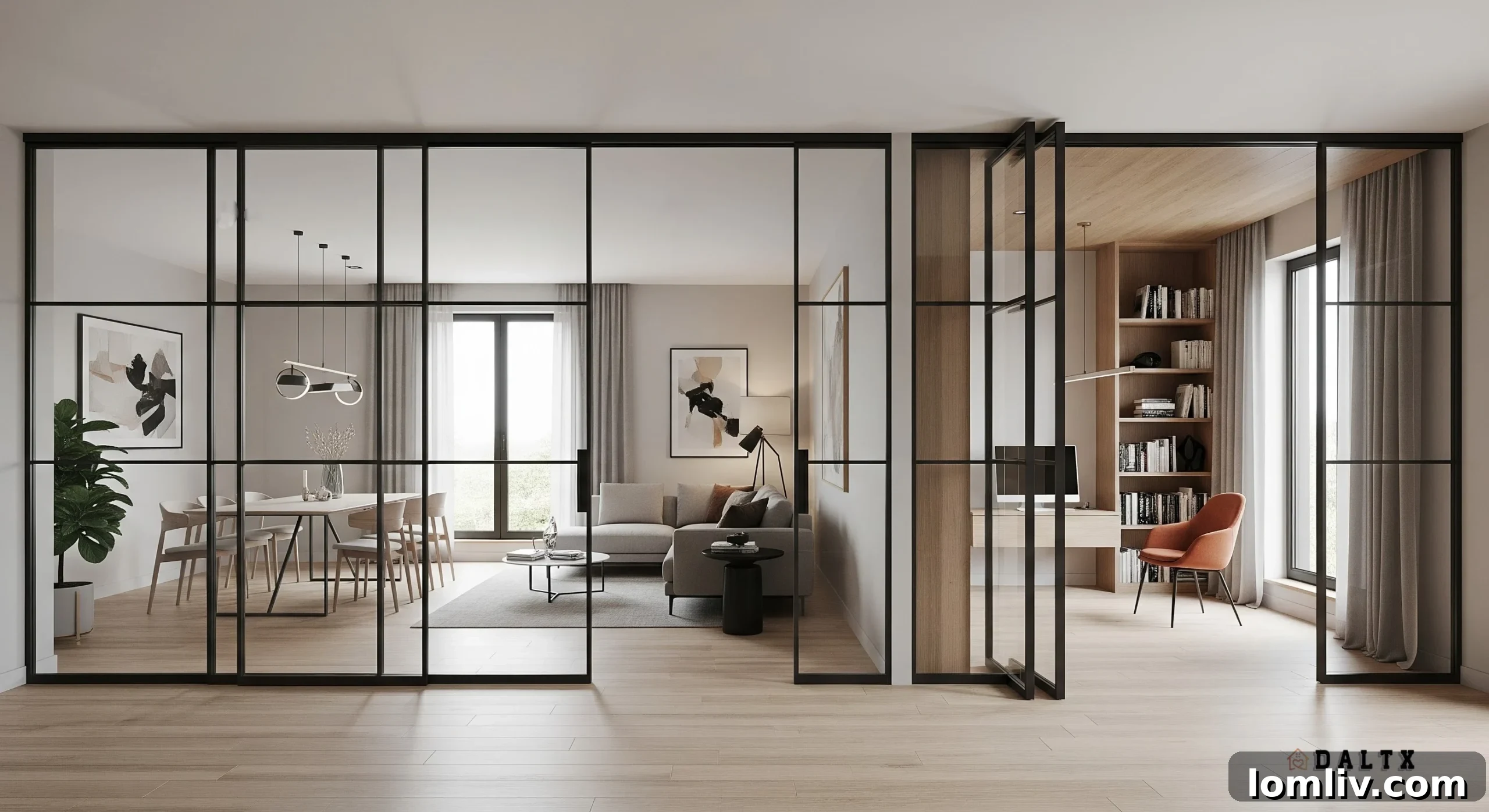
Open floor plans continue to be highly sought after, but their true brilliance shines when distinct zones are thoughtfully defined within the expansive space. Achieve this balance by employing architectural details such as varying ceiling heights, strategically placed built-in shelving units, and sophisticated lighting schemes to subtly guide movement and delineate areas from the kitchen to the dining room and into the living space. Incorporate interior glass doors or wide cased openings to allow a den or flex room to effortlessly transition between a cozy media room, a productive study space, or an overflow guest bedroom. The intelligent integration of multi-use furniture and ensuring sufficient electrical outlets in optimal locations ensures that rooms work harder and more efficiently without ever feeling cluttered or chaotic, maintaining an elegant, uncluttered aesthetic.
Rooms Designed for Multifunctionality
Maximize the utility of every room by designing with versatility in mind. Consider a guest room that features a cleverly integrated wall bed and generous tall closets; this space can then comfortably function as a dedicated home office or hobby room on most days, transforming into a welcoming guest suite only when needed. Enhance privacy and convenience by adding a pocket door between a secondary bedroom and a hall bath, creating a rapid en-suite experience for visitors. Explore the possibility of an inviting alcove off the kitchen, perfect for homework sessions, storing craft supplies, or serving as a compact workstation that offers pleasant views of the backyard, fostering productivity and connection to nature.
Harmonious Natural Light and Indoor-Outdoor Connection
Harness the transformative power of natural light by incorporating expansive windows, high clerestory windows, and versatile sliding or folding glass doors. These elements not only flood your interiors with invigorating light but also forge a seamless, effortless connection to your outdoor living spaces, such as patios and decks. Extend your functional living area with a thoughtfully designed covered outdoor room, complete with a ceiling fan for comfort and simple, elegant lighting for evening use. This space becomes ideal for al fresco dining, leisurely reading, or intimate gatherings. Crucially, plan for adequate shade, privacy solutions, and durable, weather-resistant flooring to ensure the transition from indoors to outdoors feels truly seamless and inviting, blurring the lines between your built environment and the natural world.
Smart, Sustainable, and Efficient Design
Embracing energy-smart choices from the outset is a powerful strategy to significantly lower operating costs over the lifespan of your home while simultaneously boosting year-round comfort. Prioritize superior insulation throughout the walls, ceiling, and foundation, select high-performance windows with low-E coatings, and ensure your HVAC system is precisely sized for your home’s unique specifications. Intelligent technologies such as smart thermostats, occupancy sensors for lighting, and whole-house ventilation systems make your home easier and more economical to run. If solar energy is part of your long-term vision, strategically reserve an unshaded area on your roof and install conduit during the framing phase; this foresight dramatically simplifies and reduces the cost of future solar panel installation, future-proofing your home’s energy profile.
Intelligent Storage Solutions That Simplify Life
Effective storage is the cornerstone of a calm, organized, and functional home. Implement thoughtfully designed built-ins near entryways for convenient storage of shoes, coats, and bags, preventing everyday clutter. Equip your pantry with full-extension drawers and adjustable shelving for maximum accessibility and visibility. In the laundry room, integrate custom cabinetry with a dedicated folding counter to streamline chores. For the garage, develop robust storage solutions for sports gear, tools, and seasonal items. When storage is meticulously planned and integrated from the very beginning of the design process, rooms naturally remain serene, easy to maintain, and contribute significantly to an overall sense of order and tranquility.
Popular Styles You Can Personalize for Your Custom Home
Modern and Minimalist
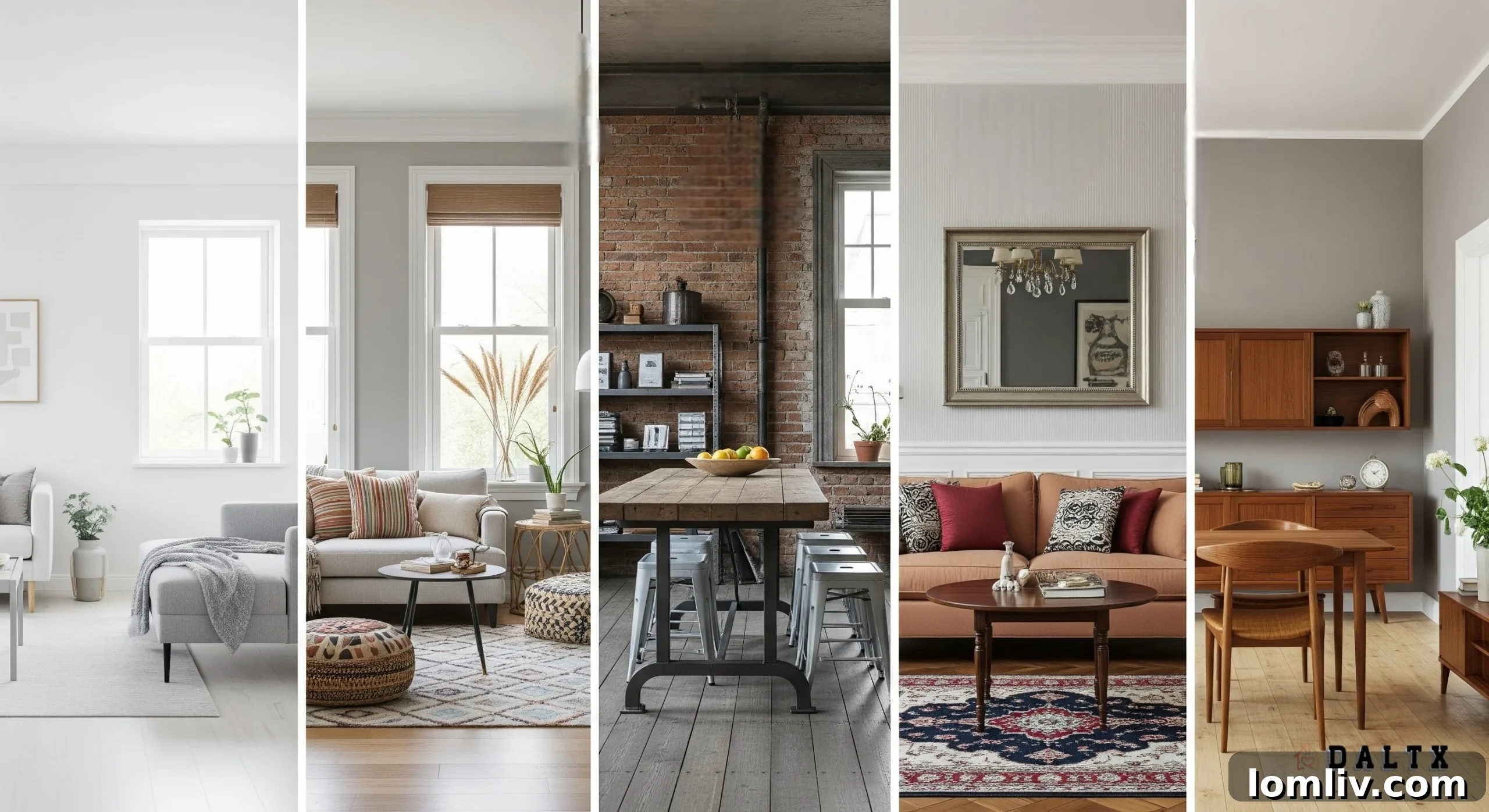
The essence of modern and minimalist design lies in its unwavering focus on clean lines, expansive open spaces, and understated finishes. This aesthetic cultivates an inherent sense of calm and order within the home. You can introduce warmth and texture to this sleek look by incorporating elements such as natural white oak floors, walls finished with a subtle plaster-like texture, and carefully chosen textured tiles. With fewer visual interruptions and an emphasis on simplicity, natural light is able to penetrate deeper into the interior, making even modest square footage feel significantly larger and more airy. This style is ideal for those who appreciate understated elegance and a clutter-free environment, where every element serves a purpose.
Rustic and Farmhouse
Rustic and farmhouse styles exude an inviting, comforting warmth through the abundant use of natural wood, subtle metal accents, and relaxed, tactile textures. Imagine generous wrap-around porches perfect for leisurely evenings, a grand kitchen table that serves as the heart of family gatherings, and a mudroom designed to be truly functional and hard-working. When personalizing this style, opt for durable, authentic finishes and classic hardware that will age gracefully, ensuring the look remains charming and maintenance remains straightforward for years to come. This style celebrates authenticity, comfort, and a connection to natural elements, creating a welcoming sanctuary.
Industrial and Urban
Industrial-style homes draw inspiration from factories and warehouses, placing a strong emphasis on raw, honest materials like exposed brick, various metals (steel, iron), and untreated wood. This design aesthetic is characterized by features such as exposed beams, large, often grid-patterned windows that flood spaces with light, and expansive open-plan interiors, collectively imparting an urban, edgy, and undeniably cool feel to the home. Many contemporary custom homes skillfully incorporate industrial elements to forge a unique and compelling blend of modern convenience with a distinctive, raw aesthetic. This style is particularly well-suited for urban environments or for homeowners who desire a residence brimming with character, a bold personality, and an artistic edge.
Transitional and Traditional
The transitional style offers a harmonious blend of classic elegance and contemporary sophistication, resulting in a look that is perpetually timeless and broadly appealing. This approach masterfully pairs traditional architectural elements with streamlined, modern furnishings and finishes. For example, you might choose a beautifully ornate traditional fireplace surround and juxtapose it with sleek, minimalist cabinetry in the kitchen, or combine vintage-inspired lighting fixtures with flush inset kitchen doors. The inherent adaptability of this mixed style means that future updates or evolving tastes can be accommodated with remarkable ease, ensuring your home remains current and chic without requiring a complete overhaul. It’s the perfect choice for those who appreciate both heritage and innovation.
Your Step-by-Step Guide to Planning Your Custom Home
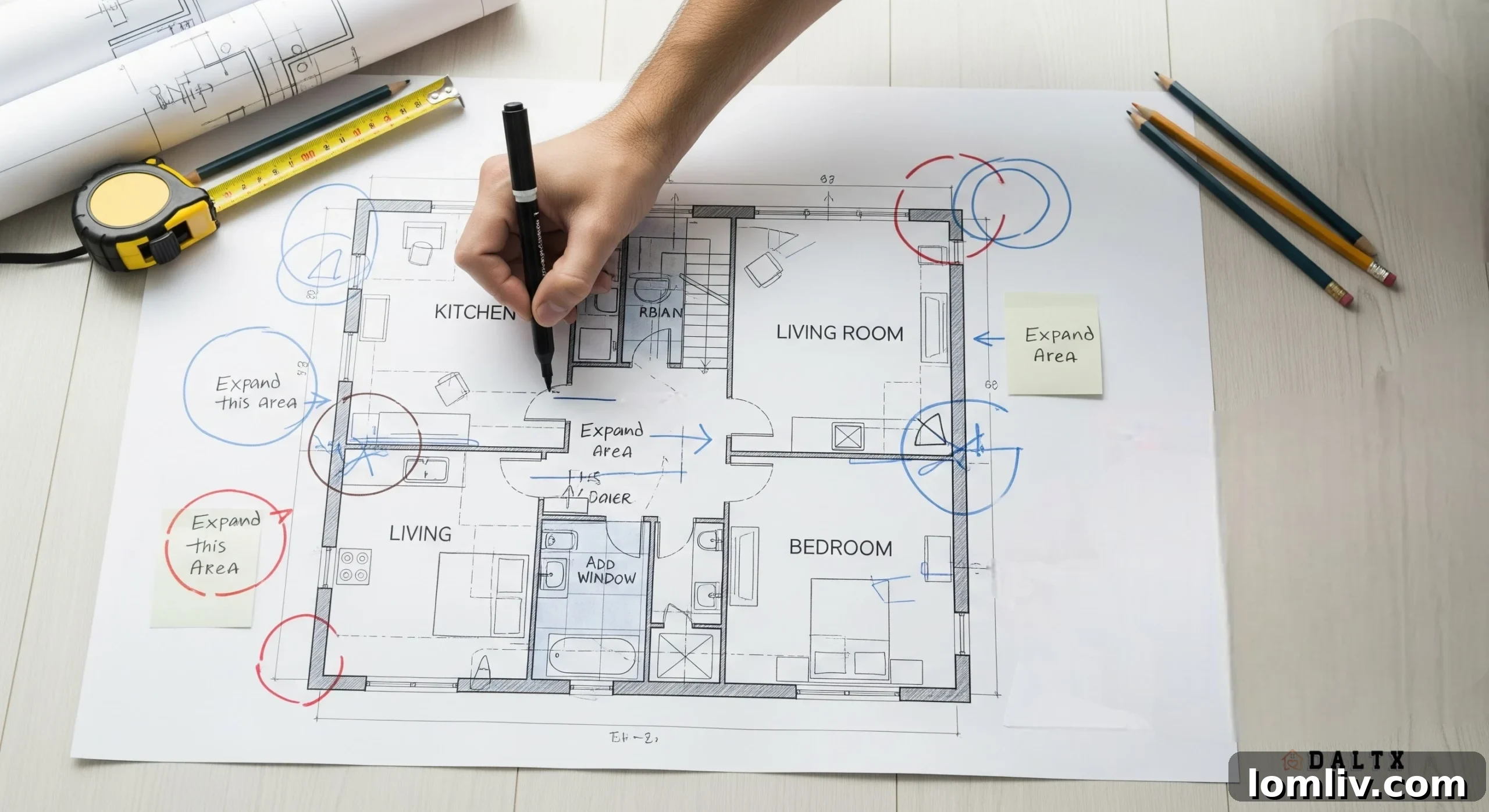
1) Define Your Lifestyle and Needs
Begin your custom home journey by creating a comprehensive list of your absolute must-haves and your desirable nice-to-haves. Take detailed notes on every aspect of your daily life: how many people typically cook in the kitchen at once, where you naturally drop your keys and bags upon entering, how frequently you host guests, and what types of storage you consistently find lacking. Consider your hobbies, work-from-home requirements, and any future family plans. This detailed inventory will serve as your foundational design brief, keeping all subsequent decisions focused, purposeful, and truly tailored to how you envision living in your new home.
2) Establish Scope and Budget Early On
Developing a realistic and robust working budget is paramount. This budget must encompass not only the direct construction costs but also critical elements such as site work (grading, utilities), permits and fees, architectural and design fees, a healthy contingency fund (most owners allocate 10%-15% for unforeseen changes or minor surprises), and even allowances for initial furnishings and landscaping. When purchasing land or closing on a construction loan, also factor in closing costs, typically ranging from 3%-6% of the loan amount. Map out a comfortable monthly mortgage payment that aligns with your long-term financial comfort level, ensuring sustainability and peace of mind.
3) Secure Your Financing
Before you finalize any plans, obtain pre-approval for your home construction loan. This crucial step clarifies your precise financial range and prevents potential disappointment. Your lender will meticulously review your income, credit history, and debt-to-income ratio. If you opt for a construction-to-permanent loan, you’ll experience a single closing process, with the loan seamlessly converting into your permanent mortgage once the home is complete. Ask detailed questions about draw schedules (how funds are disbursed during construction), interest-only periods during the build, and the exact cash required at closing so that your financial timing remains crystal clear and manageable throughout the project.
4) Assemble the Right Team
The success of your custom home largely hinges on the expertise and collaboration of your project team. Seek out an architect or residential designer who demonstrates exceptional listening skills and translates your vision into innovative plans. Partner with a builder renowned for clear communication, transparent bidding practices, and a strong track record. If you are purchasing land, enlist a local real estate professional with deep knowledge of the area. Inquire about permitting timelines, existing utility connections, crucial soil conditions, and any local review boards or homeowner associations that might influence your build. Always visit model homes or recently completed projects to personally assess the quality of their workmanship and attention to detail.
5) Design for Everyday Comfort and Detail
The true luxury of a custom home lies in the thoughtful consideration of everyday details that enhance comfort and functionality. Strategically place electrical outlets where you’ll charge devices, ensuring convenience. Integrate task lighting beneath kitchen cabinets for improved functionality. Design hallways and doorways wide enough to facilitate easy furniture movement and accommodate future accessibility needs. Select flooring materials that not only complement your aesthetic but also perfectly match your lifestyle in terms of durability and maintenance. To prevent construction delays, proactively order long-lead items, such as custom windows, unique tile, or specific appliances, well in advance of their required installation date.
6) Plan for Thorough Inspections and Walk-Throughs
Proactive scheduling of essential inspections is critical for quality assurance and compliance. Ensure you plan for framing, mechanical, electrical, plumbing, and insulation inspections as required by local codes. Conduct a detailed pre-drywall walk-through with your builder to confirm the precise height of outlets, the correct placement of light switches, and the strategic blocking inside walls for future fixtures like shelving, art, or grab bars. At the project’s culmination, complete a meticulous final walk-through, generating a clear and actionable punch list of any remaining small items or adjustments that need to be addressed. This ensures all small items get wrapped up before you move in, guaranteeing a perfect, stress-free handover.
Smart Material and Finish Choices That Pay Off
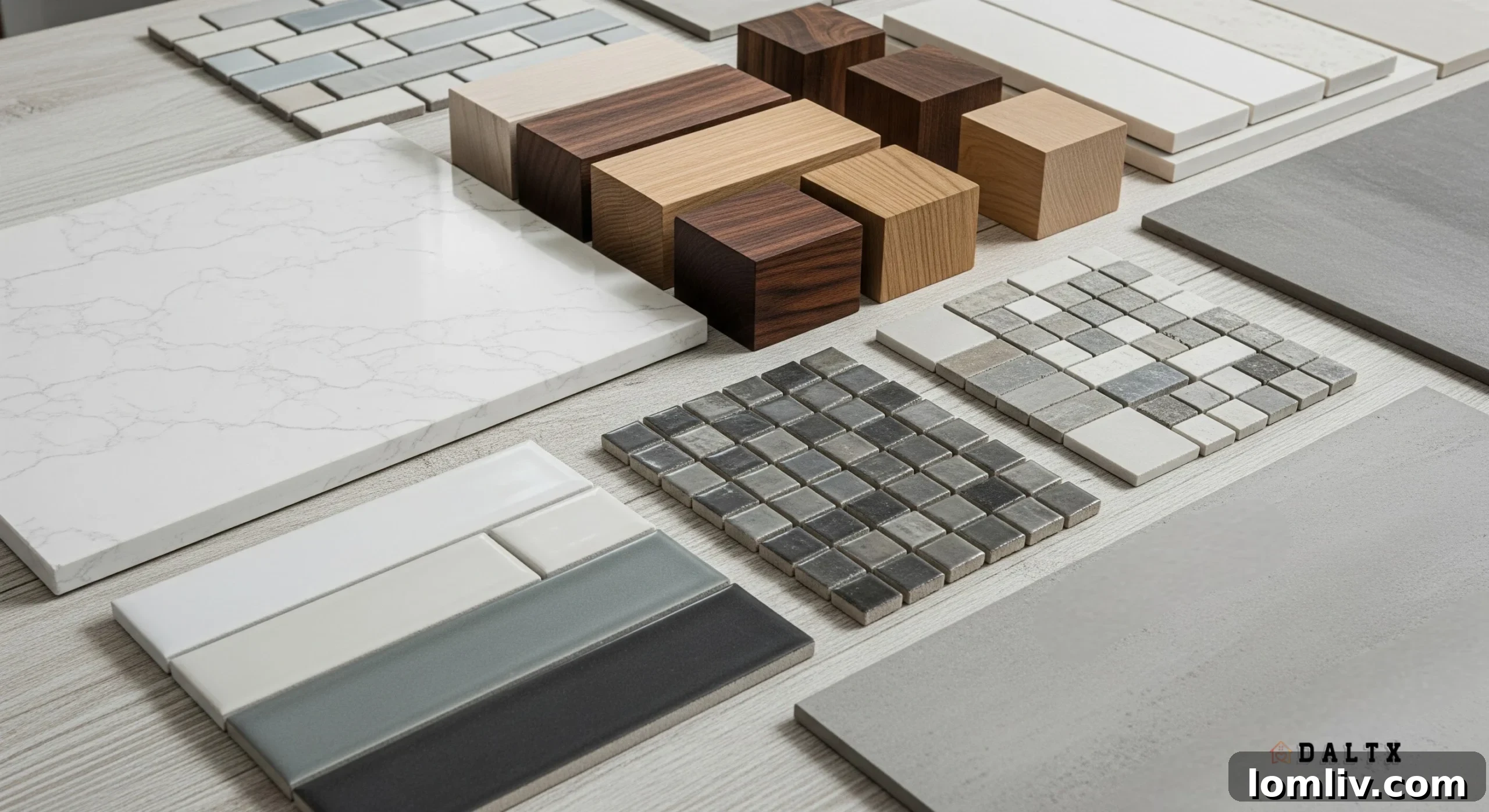
- Flooring: Opt for engineered hardwood in main living areas for its stability, classic appeal, and warmth. In high-traffic zones like entryways, mudrooms, and kitchens, high-quality luxury vinyl plank (LVP) or tile offers exceptional durability, water resistance, and effortless maintenance, making them practical and stylish choices.
- Counters: Quartz countertops are an excellent choice for kitchens and baths, celebrated for their non-porous nature, superior stain resistance, and minimal maintenance requirements, providing a consistently clean and sophisticated aesthetic. Natural stone options like granite offer unique beauty and heat resistance.
- Tile: Porcelain tile is highly recommended for showers, wet areas, and high-traffic floors due to its outstanding durability, resistance to moisture, and vast array of styles and sizes. Consider ceramic for backsplashes for more design flexibility.
- Cabinetry: Choose full-overlay or inset cabinet doors for a truly tailored, high-end feel. Pair these with soft-close hardware, which not only adds a touch of luxury but also enhances longevity by preventing slamming and reducing wear and tear.
- Plumbing and Lighting: Invest in reliable, reputable brands for plumbing fixtures and lighting that offer readily available parts for future maintenance. Implement layered lighting—ambient, task, and accent—in every room to ensure balanced illumination and create versatile moods at any time of day, optimizing both functionality and ambiance.
Budget Notes and Strategic Value Plays

Prioritize Where You Live the Most
Make strategic investments where they matter most to your daily comfort and long-term satisfaction. Allocate a larger portion of your budget to a meticulously designed kitchen layout, robust storage solutions throughout the home, and the luxurious comfort of your primary bathroom. For secondary spaces, such as guest bedrooms or less-used areas, keep the finishes simpler and more cost-effective initially, with the option to upgrade them later as your budget allows or your needs change. This approach ensures maximum impact where it counts.
Plan for Ongoing Operating Costs
Beyond the initial construction, remember to set aside an estimated 1%–3% of your home’s value per year for essential maintenance and unforeseen repairs. Critically, energy-efficient upgrades implemented during the build, such as superior insulation, high-performance windows, and an efficient HVAC system, can dramatically lower your monthly utility costs. These reductions in operating expenses provide a significant boost to your long-term cash flow and contribute to a more sustainable home.
Understand Where Customization Adds Tangible Value
Not all customizations are created equal when it comes to long-term value. Focus on enhancements that offer both immediate daily comfort and strong resale appeal. Well-designed outdoor living spaces, such as covered patios or functional decks, a highly organized mudroom that streamlines daily entry and exit, a convenient walk-through pantry for effortless kitchen management, and a versatile main-level suite catering to multi-generational living or aging-in-place, are often key features that deliver exceptional everyday utility and consistently attract future buyers, securing your investment.
Conclusion: Crafting Your Vision into Reality
The path to your custom home offers several distinct options, each presenting its own unique timeline, price point, and level of flexibility. You can choose to collaborate extensively with an architect for a fully bespoke design, select a semi-custom plan from a reputable builder with options for personalization, or purchase a new spec home and infuse it with your personal style through chosen finishes. Each route leads to homeownership, but the degree of personal imprint varies significantly.
For those drawn to expansive, unencumbered spans and incredibly versatile interiors, barndominiums in Indiana present an intriguing and increasingly popular alternative. These unique structures offer wide-open structural bays, allowing for maximum flexibility in layout, often paired with straightforward yet stylish finishes. Many owners particularly appreciate their inherent adaptability and cost-efficiency, especially when desiring generous workshop space or storage seamlessly integrated adjacent to comfortable living areas. This style embodies the ultimate in adaptable living.
Regardless of the path you choose, the foundation of a successful custom home project lies in meticulous planning. Start by clearly defining your vision and requirements, meticulously setting a realistic budget, and securing your financing with pre-approval. Crucially, assemble a skilled and communicative team comprising architects, builders, and other professionals who share your vision. Once the framework is in place, immerse yourself in the details that truly make a house a home: prioritize abundant natural light, integrate intelligent storage solutions, and ensure spaces are flexible enough to evolve with you and your family over time. Opt for durable, high-quality materials that promise longevity and ease of maintenance, and actively participate in all scheduled inspections and walk-throughs to monitor progress and uphold quality standards. Maintain open lines of communication and keep the project schedule transparent, leaving no room for guesswork.
Ultimately, when you finally move into your new custom home, it should feel unequivocally designed around you—a true reflection of your life and aspirations. This is the profound promise of a custom plan: a home offering unparalleled everyday comfort, intelligent functionality, and a timeless aesthetic that will remain fresh and inspiring for years to come.