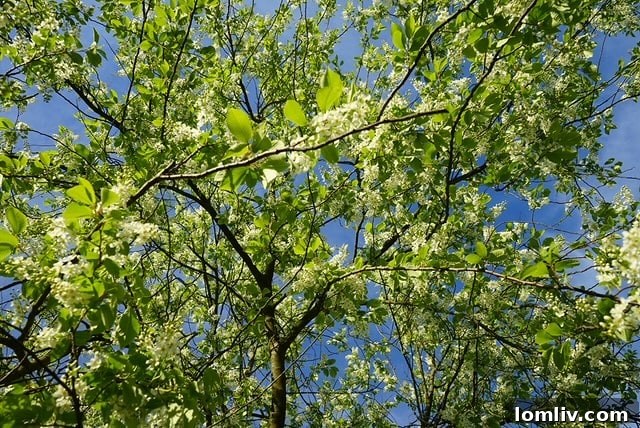
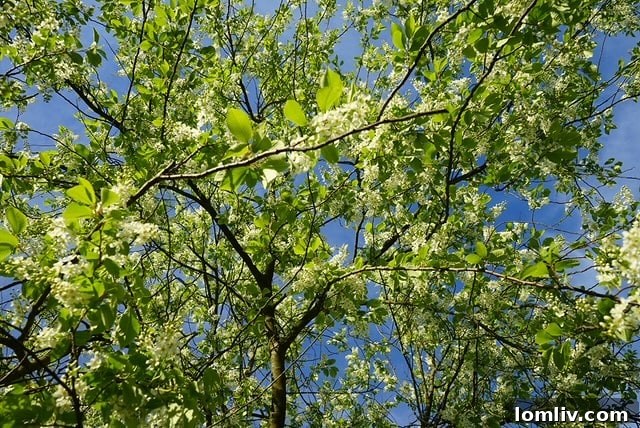
The urban landscape is a canvas of constant change, where the desire for progress often meets the inherent value of nature. Trees, in particular, offer a myriad of benefits – from providing essential shade and enhancing air quality to bolstering environmental resilience and beautifying communities. Yet, the legal right of property developers to clear land for new construction frequently places these vital urban forests at risk. This ongoing tension is acutely felt in Dallas, Texas, where residents are increasingly vocal about the loss of their tree canopies.
In neighborhoods like Elm Thicket/Northpark, residents previously shared their concerns with daltxrealestate.com, detailing how the once-lush tree lines have diminished in the wake of relentless new development. This issue recently escalated dramatically on Rieger Avenue in Old East Dallas, where local resident Laura Ostteen took a stand, literally placing herself between a tree and an approaching chainsaw. Her courageous act has ignited a passionate mission to safeguard what she describes as the “majestic” urban forest in her cherished community.
“It’s inhumane and it’s short-sighted,” Ostteen declared, her voice resonating with conviction. “You’ve just got to care.” Her sentiment captures the deep emotional connection many residents have with their local trees, viewing them not just as flora, but as integral components of their quality of life and neighborhood character. However, as with many complex urban planning issues, the situation on Rieger Avenue is far from a simple matter of right versus wrong; it involves intricate legalities, property rights, and differing visions for the city’s future.
The Legal Crossroads: Property Rights vs. Tree Preservation
The incident involving Laura Ostteen quickly transcended a mere neighborhood dispute, evolving into a legal challenge. While daltxrealestate.com operates outside the realm of legal adjudication, the public discourse surrounding this event led to significant legal action. Ostteen is now collaborating with a prominent local attorney to address claims filed against her, which include allegations of trespassing, disparaging the property owners’ business, and causing a “private nuisance.” These formal papers were served by attorneys representing Holmes PLLC, highlighting the serious nature of the conflict.
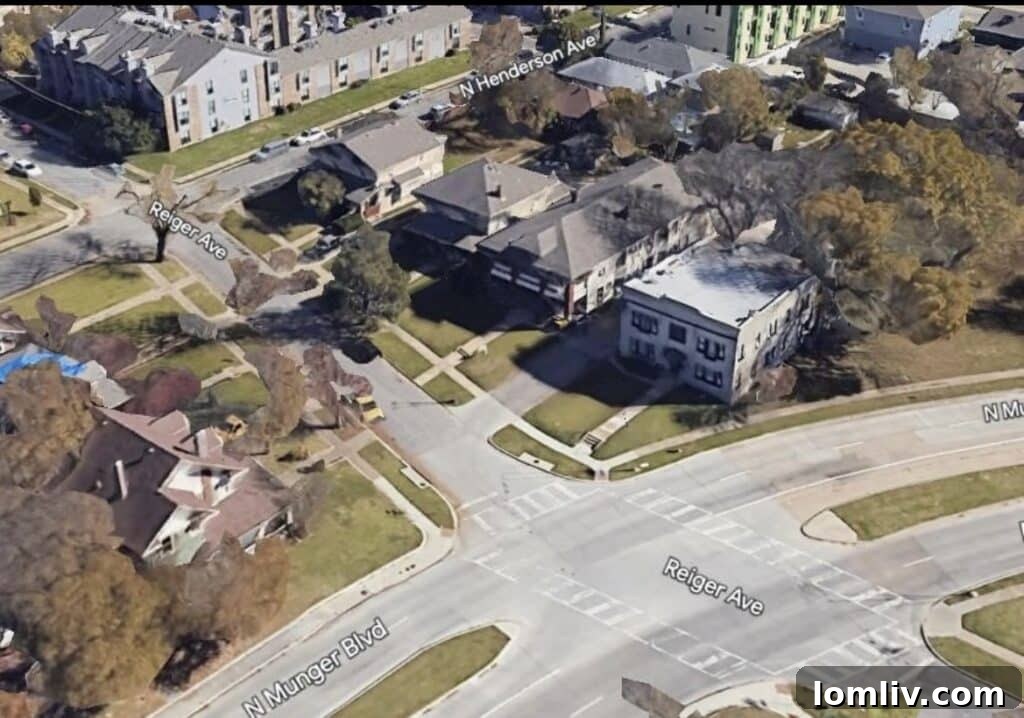
James Holmes, the property owner, promptly responded to requests for comment, providing a comprehensive 55-page filing that detailed his company’s interactions and dealings concerning Ostteen and the property. Holmes acquired the 18,000-square-foot lot located at 4932 Reiger Avenue in August. He asserts that since the acquisition, significant efforts have been made to clean up and improve the site, which he claims was in a state of neglect.
“As owner of this property, I have worked consistently with the City of Dallas to remove and trim up hackberry trees, many of which were diseased and needed removal (so they didn’t fall down during windstorms), and some of which needed trimming of branches so that ‘illicit activities’ such as drug usage would not occur in their shade,” Holmes explained to daltxrealestate.com. He further underscored his compliance with city regulations, stating, “I have never received a citation, a warning, or a letter from the City of Dallas (Dallas Arborist) claiming that I mishandled the tree service at [Reiger Avenue].” His account paints a picture of a responsible property owner addressing blight and safety concerns while adhering to existing municipal guidelines.
Navigating Dallas’s Tree Removal Ordinances: A Complex Framework
To gain a clearer understanding of the regulations governing tree removal in Dallas, our investigation led us to the Dallas Arborist’s Office. The city’s primary legislative tool for urban forest conservation is “Article X” of its ordinances, which outlines provisions for landscape and urban forest management. However, as Southeast District Arborist Tina Standeford clarified, the ordinance’s scope for preventing tree removal is often misunderstood.
“There is no language in the ordinance preventing tree removal,” Standeford unequivocally stated. This means that property owners generally have the right to remove trees from their land, provided they follow certain procedures. “There is permitting and tree mitigation required for removing protected trees,” she added. This distinction is crucial: not all trees are afforded the same level of protection under city law.
A significant point in this case is the status of Hackberry trees, like those Ostteen sought to protect. These particular trees are not currently listed on the city’s protected list. This classification means that their removal does not typically trigger the same rigorous permitting and mitigation requirements as for protected species. For existing single-family subdivisions, such as the area where Ostteen resides, Standeford further clarified, “generally, trees are not protected on lots less than an acre in size with single-family or duplex dwelling.” This allows homeowners and developers greater autonomy over their property’s landscaping.
“This allows homeowners to maintain landscape as they see fit,” Standeford elaborated. She also shed light on a critical aspect of development practices: “Developers can purchase a home, remove all trees on the lot with no permit or mitigation, and then demolish the house. Once a demolition permit is applied for, the trees on the lot become protected, meaning a permit and mitigation is required.” This procedural detail reveals a potential loophole where significant tree clearing can occur before a property officially enters the “protected” status phase, often catching residents off guard. Standeford reiterated that even when a tree is “protected,” the requirement is for a permit and mitigation, not an outright prohibition on removal. Mitigation typically involves planting new trees, often of a larger caliper, or contributing to a city-managed tree fund.
Empowering Communities: The Neighborhood Forest Overlay
Recognizing the limitations of existing ordinances, a new provision has been introduced to empower neighborhoods: the “Neighborhood Forest Overlay.” This innovative mechanism allows specific communities to create their own localized tree protection standards, thereby altering tree protections within a designated area to better reflect residents’ priorities. This represents a significant step towards enabling communities to take proactive control over their urban canopy.
“There are currently no neighborhood forest overlays in place yet, but Forest Hills is working on establishing one,” Standeford confirmed. The successful implementation of such an overlay in Forest Hills could serve as a vital precedent and a model for other Dallas neighborhoods, including Old East Dallas, inspiring them to pursue similar initiatives to safeguard their treasured green spaces.
The Rieger Avenue Site: A Hub of Contention and Transformation
Laura Ostteen’s deep concern for the Rieger Avenue site began when the new property owner erected a fence around the field. This area, nestled near Elm Street Alley, North Fitzhugh Avenue, and North Collett Avenue, had long served as an informal gathering space for the unhoused population and a practical walking path for residents commuting to Deep Ellum. The presence of the fence signaled a drastic change for a space previously open and accessible to the community.
When she encountered workers wielding chainsaws, Ostteen learned that the new owners planned to construct an apartment complex, though not for another “two or three years.” This delayed development timeline raised questions for her, particularly regarding the immediate necessity of tree removal. During that initial encounter in September, only one large tree was felled, but Ostteen, who rents her “shotgun house” in a nearby sixplex, expressed a strong conviction that the workers would return. Her concern is rooted in the practical benefits these trees provide: “Those trees create a lot of shade,” she emphasized, referring to the Hackberries. “They’re very important to me.” Beyond their immediate utility, Ostteen also voiced doubts about the legal ownership of certain trees, questioning whether some might be in a public right-of-way and thus belong to the city rather than the private property owner.
“People will come in and clear out every freaking inch of the property with no recompense whatsoever,” Ostteen lamented, reflecting a common frustration among residents. “I started to wonder, are they getting permits? A lot of people cut corners.” Her skepticism underscores a broader public mistrust regarding developers’ adherence to regulations. When she witnessed the workers with chainsaws, Ostteen, a 36-year-old stagehand who builds sets for concerts and conventions, admitted she “lost her freaking mind.”
“I basically went Mama Bear,” she recounted, describing her impulsive decision to confront the workers directly. “I ran over and asked the workers if they had a permit.” This direct confrontation led to police involvement, an entirely separate incident she prefers to save for another discussion. Since that day, Ostteen reports that she hasn’t observed any further tree-removal activity on the site, suggesting her intervention, however contentious, may have temporarily halted the work.
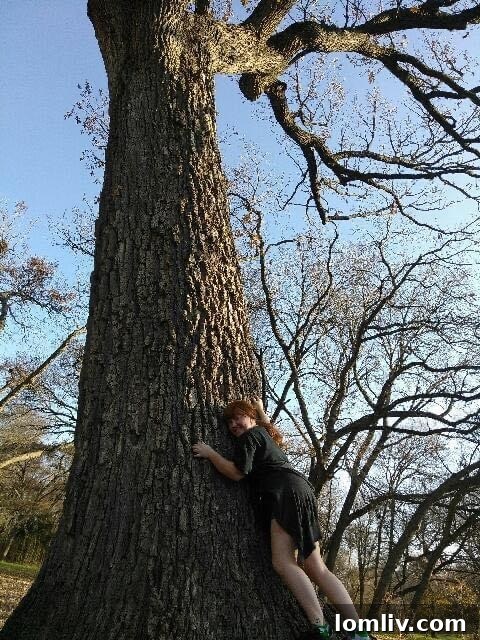
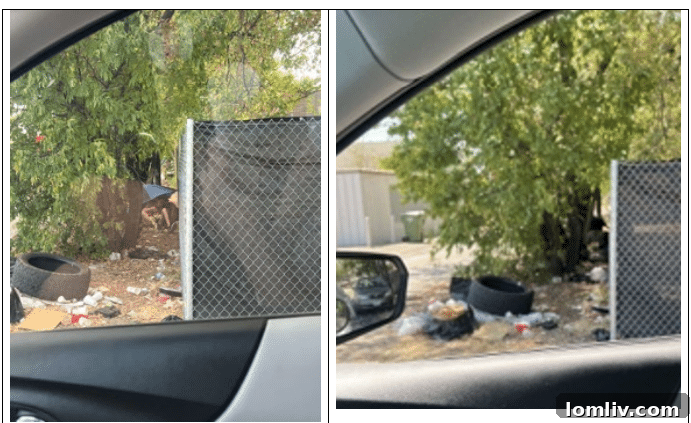
Conversely, James Holmes steadfastly asserts that he has engaged with various city departments—including the Dallas city manager, Code Compliance, and a Dallas Arborist—to ensure that the property remains clean, safe, and compliant with all regulations. Holmes’s legal documents portray the lot, at the time of purchase, as being in deplorable condition: characterized by overgrown grass, dense bushes, neglected trees, frequent gatherings of unhoused individuals, an accumulation of debris, human waste, and rampant illicit activities. His narrative is one of remediation and responsible property management aimed at improving public safety and cleanliness.
Holmes further stated that Ostteen harbors a “strange fixation” on the vacant lot, despite having no ownership interest in it. “L. Ostteen is a troubled and confused person,” Holmes explicitly told daltxrealestate.com. He urged a holistic review of the facts, advising, “Please read more about her conduct in the attached motion for summary judgment. Please consider the entire set of facts before publishing any story on this matter.” Our publication thoroughly reviewed the extensive 55-page filing, which included disturbing photographic evidence. Given the sensitive nature of the ongoing legal proceedings, the matter’s ultimate resolution now rests in the hands of the courts.
The Broader Value of Urban Forests and Dallas’s Green Future
The dispute on Reiger Avenue, while localized, serves as a poignant microcosm of a much larger national conversation surrounding urban development and the critical role of green infrastructure. Urban trees are far more than mere decorations; they are indispensable assets that provide quantifiable environmental, economic, and social benefits. Environmentally, they are powerful agents against climate change, absorbing carbon dioxide, releasing oxygen, and filtering airborne pollutants, thereby significantly improving air quality in dense urban areas. Their canopy cover is crucial for mitigating the urban heat island effect, providing natural cooling that reduces energy consumption for air conditioning and makes city streets more comfortable for pedestrians.
Furthermore, trees play a vital role in stormwater management, intercepting rainfall and reducing runoff, which alleviates pressure on drainage systems and helps prevent urban flooding. They also support local biodiversity, offering habitat and food sources for birds, insects, and other wildlife. Economically, a healthy urban tree canopy can enhance property values, attract businesses, and even boost local tourism. The aesthetic appeal of tree-lined streets and parks contributes to a city’s overall livability and desirability.
On a social level, urban forests are proven to improve mental and physical well-being. Access to green spaces has been linked to reduced stress, improved mood, and increased physical activity. Trees create inviting public spaces for community gathering, foster social interaction, and can even reduce crime rates by making neighborhoods feel safer and more cared for. They act as natural sound barriers, reducing urban noise pollution, and contribute to a sense of place and community identity.
The challenge for rapidly growing cities like Dallas lies in striking a sustainable balance between accommodating new development and preserving, or even expanding, these vital green assets. The case of the Hackberry trees on Reiger Avenue highlights the intricate policy landscape that governs this balance. While developers prioritize economic growth and property improvement, residents champion environmental stewardship and the preservation of community character. The city’s current ordinances, like “Article X,” provide a framework, but also reveal areas where resident-led initiatives, such as the “Neighborhood Forest Overlay,” are becoming increasingly important tools for local empowerment.
Ultimately, the ongoing legal battle between Laura Ostteen and James Holmes is more than a private dispute; it’s a reflection of the larger ongoing dialogue about who defines the future of our urban spaces and what value we place on our natural environment. As Dallas continues to grow, the conversation around tree protection, property rights, and community engagement will undoubtedly intensify, requiring nuanced solutions that recognize the multifaceted benefits of a thriving urban forest for all its inhabitants. The outcome of cases like this will continue to shape the policies and the collective consciousness surrounding urban development and environmental responsibility in the city for years to come.
The urban landscape is a canvas of constant change, where the desire for progress often meets the inherent value of nature. Trees, in particular, offer a myriad of benefits – from providing essential shade and enhancing air quality to bolstering environmental resilience and beautifying communities. Yet, the legal right of property developers to clear land for new construction frequently places these vital urban forests at risk. This ongoing tension is acutely felt in Dallas, Texas, where residents are increasingly vocal about the loss of their tree canopies.
In neighborhoods like Elm Thicket/Northpark, residents previously shared their concerns with daltxrealestate.com, detailing how the once-lush tree lines have diminished in the wake of relentless new development. This issue recently escalated dramatically on Rieger Avenue in Old East Dallas, where local resident Laura Ostteen took a stand, literally placing herself between a tree and an approaching chainsaw. Her courageous act has ignited a passionate mission to safeguard what she describes as the “majestic” urban forest in her cherished community.
“It’s inhumane and it’s short-sighted,” Ostteen declared, her voice resonating with conviction. “You’ve just got to care.” Her sentiment captures the deep emotional connection many residents have with their local trees, viewing them not just as flora, but as integral components of their quality of life and neighborhood character. However, as with many complex urban planning issues, the situation on Rieger Avenue is far from a simple matter of right versus wrong; it involves intricate legalities, property rights, and differing visions for the city’s future.
The Legal Crossroads: Property Rights vs. Tree Preservation
The incident involving Laura Ostteen quickly transcended a mere neighborhood dispute, evolving into a legal challenge. While daltxrealestate.com operates outside the realm of legal adjudication, the public discourse surrounding this event led to significant legal action. Ostteen is now collaborating with a prominent local attorney to address claims filed against her, which include allegations of trespassing, disparaging the property owners’ business, and causing a “private nuisance.” These formal papers were served by attorneys representing Holmes PLLC, highlighting the serious nature of the conflict.
James Holmes, the property owner, promptly responded to requests for comment, providing a comprehensive 55-page filing that detailed his company’s interactions and dealings concerning Ostteen and the property. Holmes acquired the 18,000-square-foot lot located at 4932 Reiger Avenue in August. He asserts that since the acquisition, significant efforts have been made to clean up and improve the site, which he claims was in a state of neglect.
“As owner of this property, I have worked consistently with the City of Dallas to remove and trim up hackberry trees, many of which were diseased and needed removal (so they didn’t fall down during windstorms), and some of which needed trimming of branches so that ‘illicit activities’ such as drug usage would not occur in their shade,” Holmes explained to daltxrealestate.com. He further underscored his compliance with city regulations, stating, “I have never received a citation, a warning, or a letter from the City of Dallas (Dallas Arborist) claiming that I mishandled the tree service at [Reiger Avenue].” His account paints a picture of a responsible property owner addressing blight and safety concerns while adhering to existing municipal guidelines.
Navigating Dallas’s Tree Removal Ordinances: A Complex Framework
To gain a clearer understanding of the regulations governing tree removal in Dallas, our investigation led us to the Dallas Arborist’s Office. The city’s primary legislative tool for urban forest conservation is “Article X” of its ordinances, which outlines provisions for landscape and urban forest management. However, as Southeast District Arborist Tina Standeford clarified, the ordinance’s scope for preventing tree removal is often misunderstood.
“There is no language in the ordinance preventing tree removal,” Standeford unequivocally stated. This means that property owners generally have the right to remove trees from their land, provided they follow certain procedures. “There is permitting and tree mitigation required for removing protected trees,” she added. This distinction is crucial: not all trees are afforded the same level of protection under city law.
A significant point in this case is the status of Hackberry trees, like those Ostteen sought to protect. These particular trees are not currently listed on the city’s protected list. This classification means that their removal does not typically trigger the same rigorous permitting and mitigation requirements as for protected species. For existing single-family subdivisions, such as the area where Ostteen resides, Standeford further clarified, “generally, trees are not protected on lots less than an acre in size with single-family or duplex dwelling.” This allows homeowners and developers greater autonomy over their property’s landscaping.
“This allows homeowners to maintain landscape as they see fit,” Standeford elaborated. She also shed light on a critical aspect of development practices: “Developers can purchase a home, remove all trees on the lot with no permit or mitigation, and then demolish the house. Once a demolition permit is applied for, the trees on the lot become protected, meaning a permit and mitigation is required.” This procedural detail reveals a potential loophole where significant tree clearing can occur before a property officially enters the “protected” status phase, often catching residents off guard. Standeford reiterated that even when a tree is “protected,” the requirement is for a permit and mitigation, not an outright prohibition on removal. Mitigation typically involves planting new trees, often of a larger caliper, or contributing to a city-managed tree fund.
Empowering Communities: The Neighborhood Forest Overlay
Recognizing the limitations of existing ordinances, a new provision has been introduced to empower neighborhoods: the “Neighborhood Forest Overlay.” This innovative mechanism allows specific communities to create their own localized tree protection standards, thereby altering tree protections within a designated area to better reflect residents’ priorities. This represents a significant step towards enabling communities to take proactive control over their urban canopy.
“There are currently no neighborhood forest overlays in place yet, but Forest Hills is working on establishing one,” Standeford confirmed. The successful implementation of such an overlay in Forest Hills could serve as a vital precedent and a model for other Dallas neighborhoods, including Old East Dallas, inspiring them to pursue similar initiatives to safeguard their treasured green spaces.
The Rieger Avenue Site: A Hub of Contention and Transformation
Laura Ostteen’s deep concern for the Rieger Avenue site began when the new property owner erected a fence around the field. This area, nestled near Elm Street Alley, North Fitzhugh Avenue, and North Collett Avenue, had long served as an informal gathering space for the unhoused population and a practical walking path for residents commuting to Deep Ellum. The presence of the fence signaled a drastic change for a space previously open and accessible to the community.
When she encountered workers wielding chainsaws, Ostteen learned that the new owners planned to construct an apartment complex, though not for another “two or three years.” This delayed development timeline raised questions for her, particularly regarding the immediate necessity of tree removal. During that initial encounter in September, only one large tree was felled, but Ostteen, who rents her “shotgun house” in a nearby sixplex, expressed a strong conviction that the workers would return. Her concern is rooted in the practical benefits these trees provide: “Those trees create a lot of shade,” she emphasized, referring to the Hackberries. “They’re very important to me.” Beyond their immediate utility, Ostteen also voiced doubts about the legal ownership of certain trees, questioning whether some might be in a public right-of-way and thus belong to the city rather than the private property owner.
“People will come in and clear out every freaking inch of the property with no recompense whatsoever,” Ostteen lamented, reflecting a common frustration among residents. “I started to wonder, are they getting permits? A lot of people cut corners.” Her skepticism underscores a broader public mistrust regarding developers’ adherence to regulations. When she witnessed the workers with chainsaws, Ostteen, a 36-year-old stagehand who builds sets for concerts and conventions, admitted she “lost her freaking mind.”
“I basically went Mama Bear,” she recounted, describing her impulsive decision to confront the workers directly. “I ran over and asked the workers if they had a permit.” This direct confrontation led to police involvement, an entirely separate incident she prefers to save for another discussion. Since that day, Ostteen reports that she hasn’t observed any further tree-removal activity on the site, suggesting her intervention, however contentious, may have temporarily halted the work.
Conversely, James Holmes steadfastly asserts that he has engaged with various city departments—including the Dallas city manager, Code Compliance, and a Dallas Arborist—to ensure that the property remains clean, safe, and compliant with all regulations. Holmes’s legal documents portray the lot, at the time of purchase, as being in deplorable condition: characterized by overgrown grass, dense bushes, neglected trees, frequent gatherings of unhoused individuals, an accumulation of debris, human waste, and rampant illicit activities. His narrative is one of remediation and responsible property management aimed at improving public safety and cleanliness.
Holmes further stated that Ostteen harbors a “strange fixation” on the vacant lot, despite having no ownership interest in it. “L. Ostteen is a troubled and confused person,” Holmes explicitly told daltxrealestate.com. He urged a holistic review of the facts, advising, “Please read more about her conduct in the attached motion for summary judgment. Please consider the entire set of facts before publishing any story on this matter.” Our publication thoroughly reviewed the extensive 55-page filing, which included disturbing photographic evidence. Given the sensitive nature of the ongoing legal proceedings, the matter’s ultimate resolution now rests in the hands of the courts.
The Broader Value of Urban Forests and Dallas’s Green Future
The dispute on Reiger Avenue, while localized, serves as a poignant microcosm of a much larger national conversation surrounding urban development and the critical role of green infrastructure. Urban trees are far more than mere decorations; they are indispensable assets that provide quantifiable environmental, economic, and social benefits. Environmentally, they are powerful agents against climate change, absorbing carbon dioxide, releasing oxygen, and filtering airborne pollutants, thereby significantly improving air quality in dense urban areas. Their canopy cover is crucial for mitigating the urban heat island effect, providing natural cooling that reduces energy consumption for air conditioning and makes city streets more comfortable for pedestrians.
Furthermore, trees play a vital role in stormwater management, intercepting rainfall and reducing runoff, which alleviates pressure on drainage systems and helps prevent urban flooding. They also support local biodiversity, offering habitat and food sources for birds, insects, and other wildlife. Economically, a healthy urban tree canopy can enhance property values, attract businesses, and even boost local tourism. The aesthetic appeal of tree-lined streets and parks contributes to a city’s overall livability and desirability.
On a social level, urban forests are proven to improve mental and physical well-being. Access to green spaces has been linked to reduced stress, improved mood, and increased physical activity. Trees create inviting public spaces for community gathering, foster social interaction, and can even reduce crime rates by making neighborhoods feel safer and more cared for. They act as natural sound barriers, reducing urban noise pollution, and contribute to a sense of place and community identity.
The challenge for rapidly growing cities like Dallas lies in striking a sustainable balance between accommodating new development and preserving, or even expanding, these vital green assets. The case of the Hackberry trees on Reiger Avenue highlights the intricate policy landscape that governs this balance. While developers prioritize economic growth and property improvement, residents champion environmental stewardship and the preservation of community character. The city’s current ordinances, like “Article X,” provide a framework, but also reveal areas where resident-led initiatives, such as the “Neighborhood Forest Overlay,” are becoming increasingly important tools for local empowerment.
Ultimately, the ongoing legal battle between Laura Ostteen and James Holmes is more than a private dispute; it’s a reflection of the larger ongoing dialogue about who defines the future of our urban spaces and what value we place on our natural environment. As Dallas continues to grow, the conversation around tree protection, property rights, and community engagement will undoubtedly intensify, requiring nuanced solutions that recognize the multifaceted benefits of a thriving urban forest for all its inhabitants. The outcome of cases like this will continue to shape the policies and the collective consciousness surrounding urban development and environmental responsibility in the city for years to come.