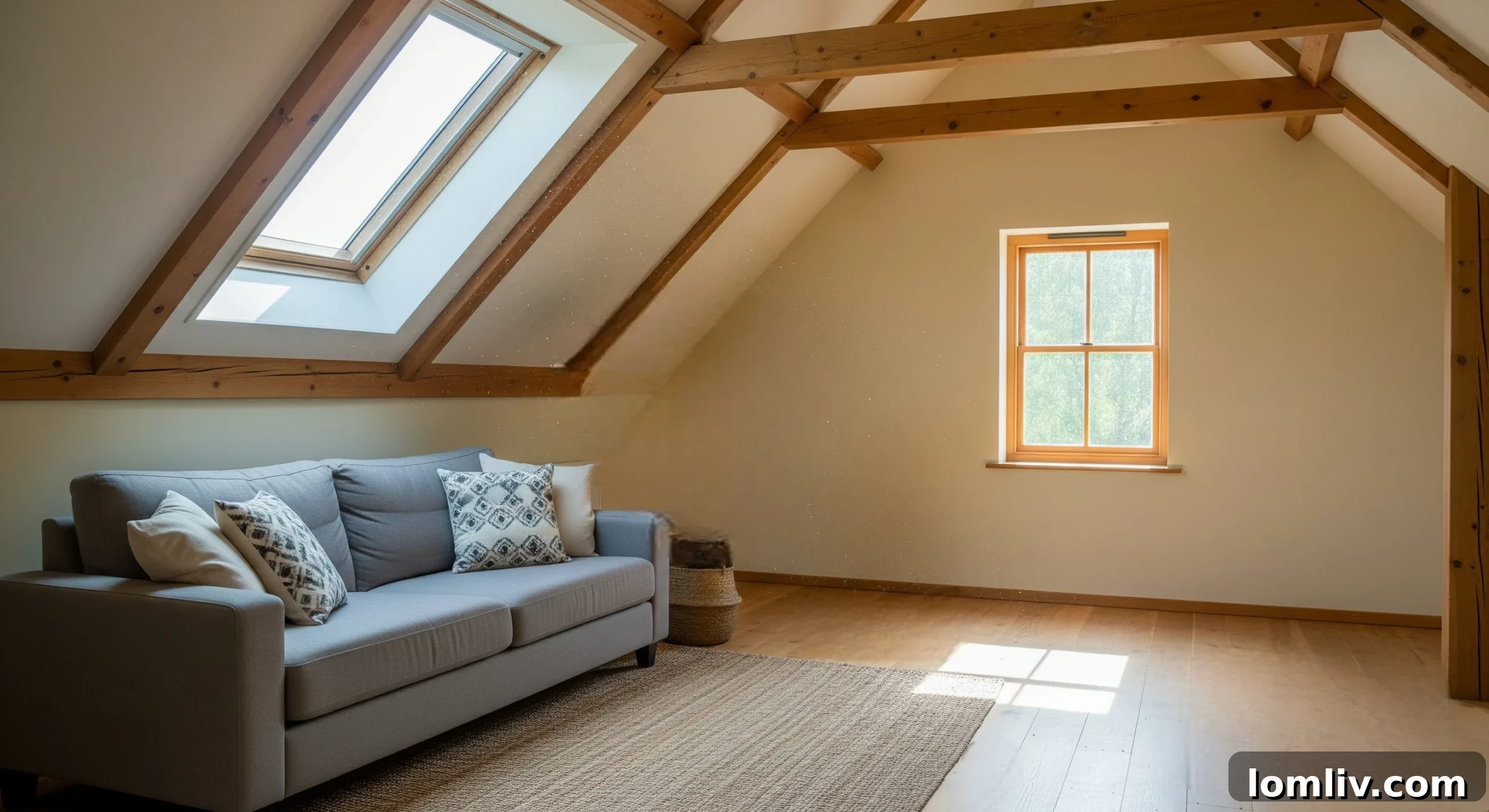
When considering ways to elevate your home’s energy efficiency, many homeowners instinctively look to windows, update their air conditioning systems, or install smart thermostats. While these are indeed valuable improvements, one critical area often overlooked is the attic. Far from being a mere storage space, the attic plays an unexpectedly pivotal role in maintaining your home’s thermal envelope, quietly influencing how effectively your living spaces retain heat in winter and repel it in summer.
Because of its significant impact, an attic retrofit can deliver tangible results much sooner than many homeowners anticipate. This isn’t due to any mysterious phenomenon, but rather the simple fact that a substantial amount of heat loss or gain occurs directly through the uppermost part of your house. Addressing this often neglected zone can unlock considerable savings and dramatically improve indoor comfort.
Understanding the Critical Role of Attic Insulation and Air Sealing
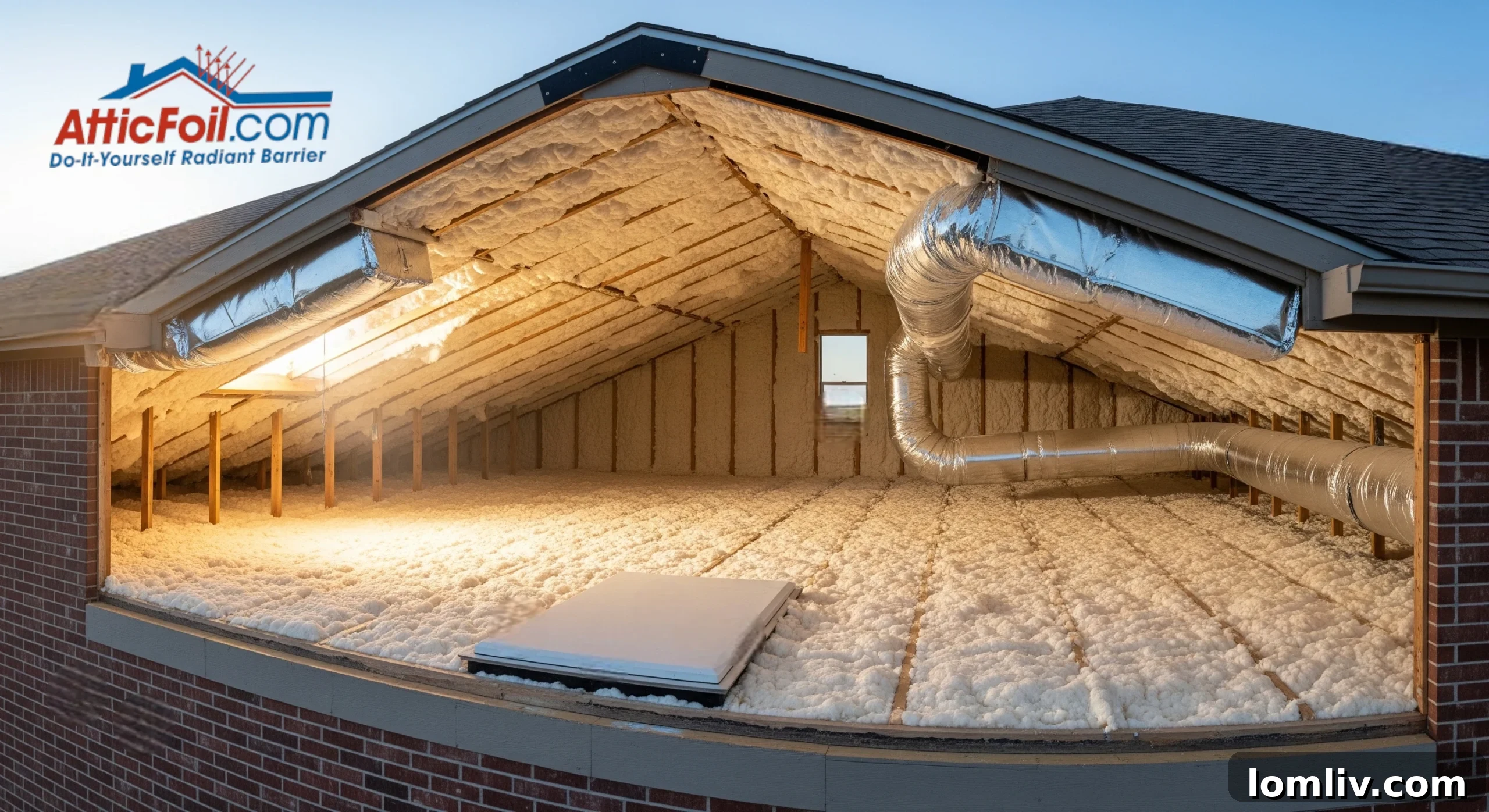
To fully grasp the importance of your attic, it helps to simplify the function of insulation: it slows down heat transfer. During the colder months, effective insulation acts as a barrier, preventing warm, rising air from escaping through your ceiling and roof. Conversely, during the scorching summer, it limits the amount of intense heat radiated from your roof from penetrating your living spaces below. Without proper insulation, your heating and cooling systems are constantly fighting against the elements, leading to increased energy consumption and discomfort.
Many homeowners are surprised to learn that insulation doesn’t need to be completely absent to cause significant problems. Existing insulation may be too thin, compressed over time, unevenly distributed, or riddled with gaps around common attic obstructions like wiring, ductwork, recessed lighting fixtures, and attic access points. These seemingly minor imperfections create “thermal bridges” or weak spots that allow energy to leak steadily, forcing your HVAC systems to work harder and run longer than necessary to maintain your desired indoor temperature. This constant struggle not only inflates your utility bills but also shortens the lifespan of your heating and cooling equipment.
Beyond reducing energy use, an attic retrofit also addresses common comfort issues that plague many homes. Imagine an upstairs bedroom that always feels uncomfortably warmer or colder than the rest of the house, regardless of the thermostat setting. Inadequate attic insulation is frequently the culprit, leading to uneven temperatures and frustrating hot or cold spots. By improving the attic’s thermal performance, you can achieve consistent temperatures throughout your home, enhancing overall living comfort.
Exploring Common Types of Attic Insulation and Their Applications
When embarking on an attic retrofit project, it’s wise to carefully compare the primary insulation options available rather than simply defaulting to the cheapest one. Every attic space presents unique characteristics, especially in older homes, which often dictate the most effective and efficient insulation choice.
1. Fiberglass Batts
Fiberglass batts are one of the most widely recognized and affordable insulation options. They consist of pre-cut sections of fiberglass material, typically faced with paper or foil to act as a vapor barrier. Installation is relatively straightforward, making them a popular choice for DIY enthusiasts, especially in attics with simple, unobstructed layouts where batts can be neatly fitted between joists or rafters. However, their effectiveness is highly dependent on precise installation. Small mistakes, such as gaps between batts, compression during placement, or improper cutting around obstructions, can significantly reduce their R-value (a measure of thermal resistance) and overall performance.
2. Blown-In Insulation (Loose-Fill)
Blown-in insulation, often made from fiberglass, cellulose, or mineral wool, is an excellent choice for retrofits, particularly in attics with complex layouts, numerous obstructions, or existing, uneven insulation. This material is delivered through a hose and machine, allowing it to conform precisely to irregular spaces, fill cavities, and create a seamless blanket of insulation. Its ability to spread evenly and fill every nook and cranny makes it highly effective at eliminating air gaps that are difficult to seal with batts. Blown-in insulation also offers superior sound dampening properties, contributing to a quieter home environment.
3. Rigid Foam Boards
Rigid foam boards, typically made from polyisocyanurate (polyiso), extruded polystyrene (XPS), or expanded polystyrene (EPS), provide a high insulation value (R-value) in a relatively thin profile. These boards are particularly useful when space is at a premium or when addressing specific trouble spots like attic knee walls, skylight shafts, or the interior of access doors. While their installation generally requires more precision cutting and sealing compared to batts or blown-in insulation, their moisture resistance and structural rigidity can be advantageous in certain applications. They are usually employed selectively to complement other insulation types rather than as a primary, full-attic solution.
In addition to these traditional methods, an innovative solution that has garnered significant attention in recent years is the integration of high-performance radiant barrier materials. These materials work by reflecting radiant heat rather than absorbing it, making them exceptionally effective at reducing heat gain from the sun’s rays during summer months. When properly installed, radiant barriers can significantly enhance your attic’s thermal performance, making them an excellent choice for retrofitting, especially in warmer climates. If you’re considering these products, exploring high-performance radiant foil materials by AtticFoil can provide valuable insights into their specific benefits and optimal applications for your home.
The Comprehensive Benefits of Retrofitting Your Attic
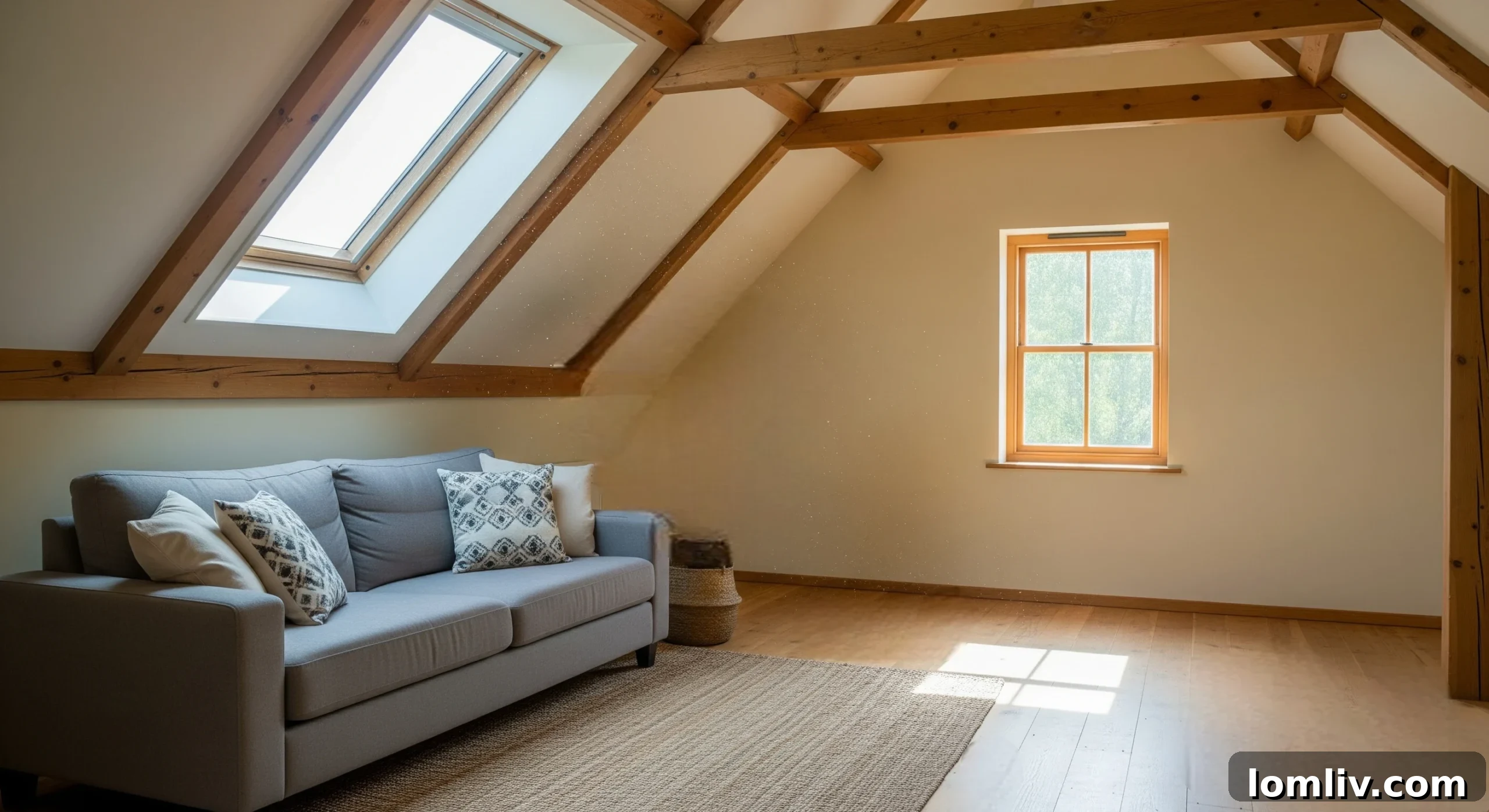
Upgrading your attic insulation and improving air sealing can yield a multitude of noticeable benefits fairly quickly, especially if your existing insulation is weak, old, or riddled with air leaks. These improvements collectively contribute to a more efficient, comfortable, and valuable home.
Significant Energy Savings
One of the most immediate and tangible benefits of an attic retrofit is the reduction in your energy bills. Improved insulation and better air sealing dramatically lessen the demand on your heating and cooling systems. By preventing conditioned air from escaping and unconditioned air from entering, your HVAC units don’t have to work as hard or run as frequently to maintain desired temperatures. This difference is often most pronounced during extreme weather months, such as the peak of summer or the depths of winter, when energy consumption is highest, potentially leading to savings of 10-30% on your annual utility costs.
Enhanced Home Comfort
Beyond monetary savings, improved comfort is often the first benefit homeowners feel in their daily lives. An attic retrofit stabilizes indoor temperatures, eliminating those frustrating hot and cold spots that can make certain rooms unusable during peak seasons. Upstairs rooms, notorious for being warmer than the rest of the house, will feel more consistent and temperate. This consistent indoor environment means less need to constantly adjust the thermostat, creating a more pleasant and stable living experience for everyone.
Positive Environmental Impact
By using less energy to heat and cool your home, you directly contribute to a reduction in carbon emissions from power generation plants. While it’s just one step, it’s a highly practical and effective contribution towards broader sustainability goals and reducing your household’s overall carbon footprint. Choosing eco-friendly insulation materials, such as recycled cellulose, further amplifies this positive environmental impact, promoting a greener lifestyle.
Increased Home Value and Marketability
Energy efficiency upgrades are increasingly recognized as desirable features by potential homebuyers. Lower utility bills and documented improvements in insulation and air sealing can make a home significantly more attractive in the real estate market. Prospective buyers are often willing to pay a premium for a home that promises lower operating costs and superior comfort. An energy-efficient home often translates to a faster sale and a higher asking price, providing a solid return on your initial investment.
Extended HVAC System Lifespan
When your heating and cooling systems aren’t constantly struggling against poor insulation and air leaks, they operate more efficiently and experience less wear and tear. This reduced strain can significantly extend the lifespan of your expensive HVAC equipment, delaying costly replacements and maintenance, thereby saving you money in the long run.
Improved Indoor Air Quality (IAQ) and Pest Control
Proper air sealing, a crucial component of an attic retrofit, helps prevent outdoor pollutants, allergens, dust, and pests from infiltrating your living spaces through gaps and cracks in the attic floor. By creating a tighter building envelope, you can improve indoor air quality, potentially reducing allergy symptoms and minimizing unwanted critters in your home.
Essential Tools and Techniques for an Effective Attic Retrofit
Achieving a truly effective attic retrofit requires a systematic approach, moving beyond simply adding more insulation. A thorough evaluation and careful planning are paramount.
1. Comprehensive Evaluation of Existing Conditions
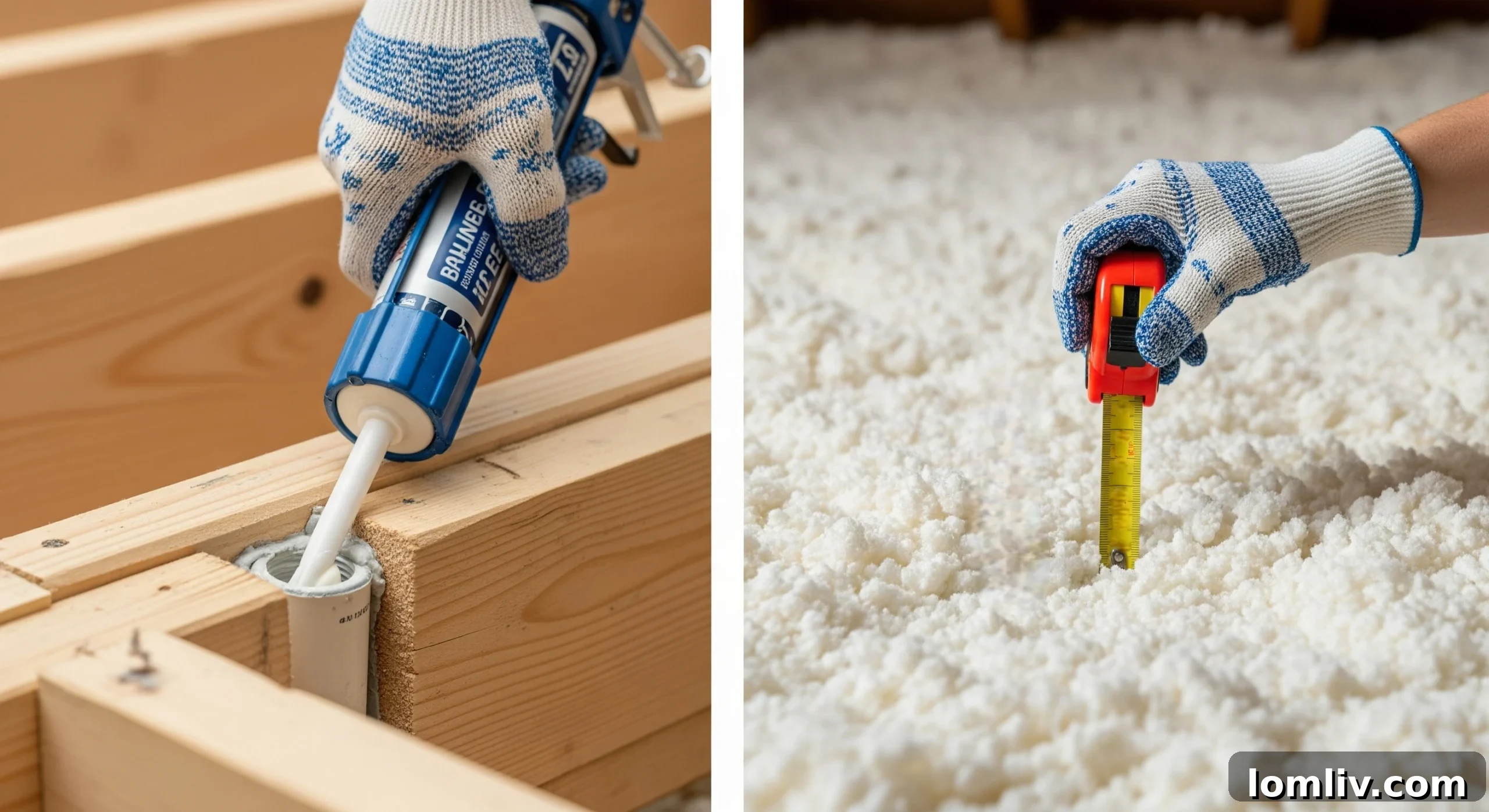
Begin your project with a detailed inspection of your attic. Look for tell-tale signs of inadequate insulation: thin or compressed areas, exposed ceiling surfaces, visible gaps, or uneven distribution. Pay close attention to common air leak locations such as around bathroom exhaust vents, plumbing stack penetrations, electrical wiring chases, recessed light fixtures, the perimeter of your chimney, and especially around the attic access door or pull-down stairs. Also, check for any signs of moisture damage, mold, pest infestations, or damaged insulation. Identifying these issues early is crucial for proper remediation.
2. Accurate Measurement and R-Value Assessment
Accurately measure the square footage of your attic floor to determine the quantity of insulation materials needed. More importantly, research the recommended R-value levels for your specific climate zone. The ideal amount of insulation is primarily dictated by regional climatic conditions, which vary significantly across the country, rather than personal preference. Consult local building codes or energy efficiency guidelines to set your target R-value. This will help you select the appropriate thickness and type of insulation to achieve optimal performance.
3. Strategic Material Selection and System Integration
The best retrofit results often come from combining different strategies and materials. Start with comprehensive air sealing of all penetrations and gaps in the attic floor – this is often the most cost-effective first step. Follow this with the chosen insulation type to meet your target R-value. Finally, consider adding a radiant barrier if your climate experiences significant radiant heat gain, particularly in hot summer months. This integrated approach ensures that both convection (air leaks) and radiation (heat transfer through materials) are effectively addressed.
4. Meticulous Installation for Optimal Performance
Whether you choose to undertake the work yourself or hire a qualified professional, the quality of the installation is absolutely critical. Even small, overlooked gaps in air sealing or improperly installed insulation can significantly reduce the overall performance of the retrofit. Ensure all cracks, seams, and penetrations are thoroughly sealed with caulk, spray foam, or weatherstripping. If installing batts, ensure they are cut precisely to fit snugly without compression. If using blown-in insulation, ensure an even depth across the entire attic floor, maintaining proper clearance around heat-producing elements like recessed lights and chimneys to prevent fire hazards. Always wear appropriate personal protective equipment (PPE) during installation, including respirators, gloves, and eye protection.
5. Ongoing Monitoring and Maintenance
After the retrofit, monitor your home’s energy performance. Compare energy bills from similar months (e.g., this January vs. last January) rather than week to week, as daily weather fluctuations can obscure real improvements. Utilize smart thermostat data to track heating and cooling cycles. Periodically inspect your attic (annually is recommended) to check for any shifts in insulation, new air leaks, signs of moisture, or pest activity. Proactive maintenance ensures long-term efficiency and comfort.
Addressing Potential Challenges and Important Considerations
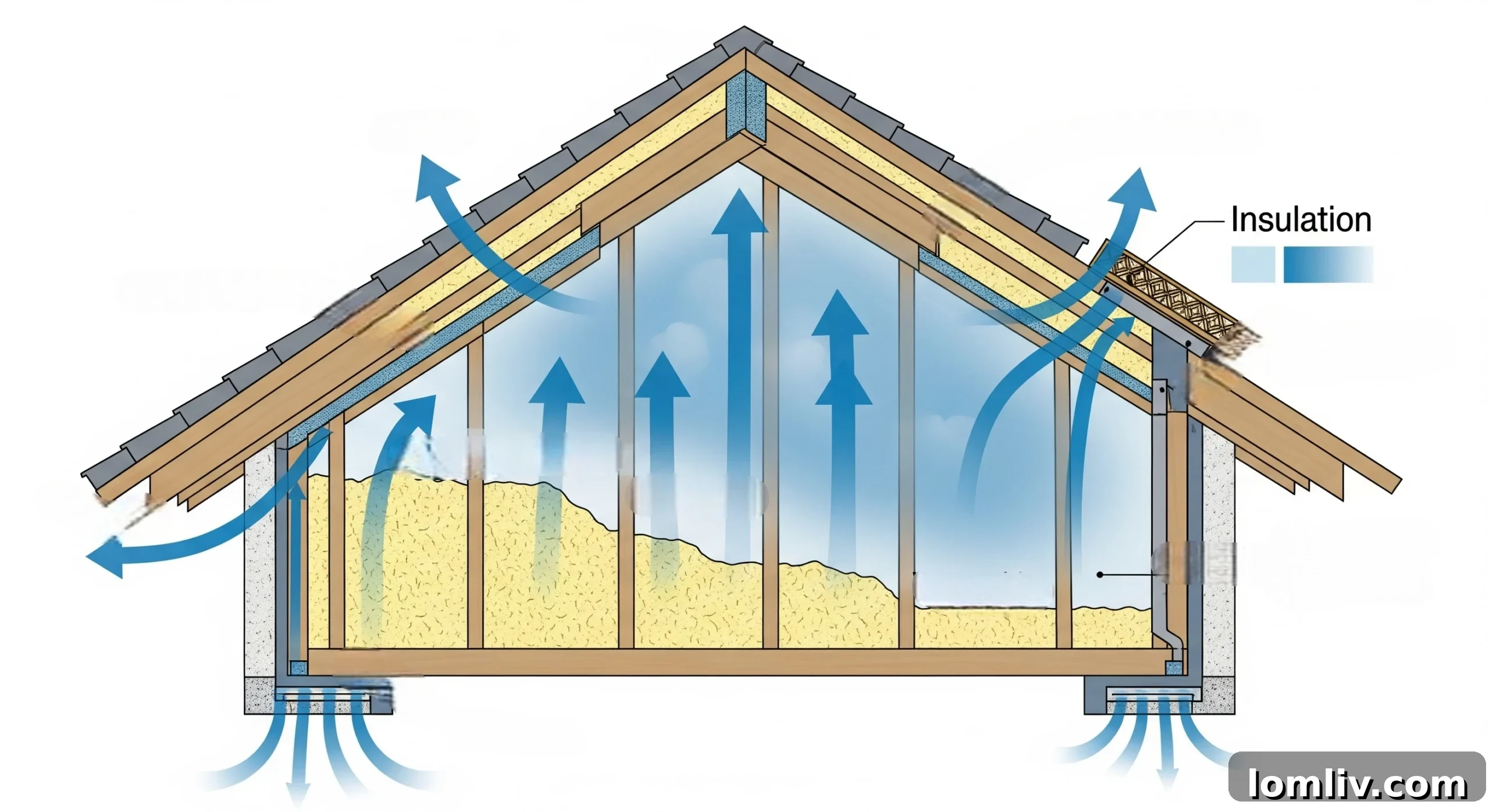
While an attic retrofit offers significant advantages, it’s important to be aware of potential challenges and key considerations to ensure a successful and safe project.
1. Effective Moisture Management and Ventilation
Insulation upgrades must always be carefully paired with proper attic ventilation and comprehensive moisture management. Making an attic too tight without adequately addressing existing or potential moisture sources can lead to serious future issues, such as condensation, mold growth, and compromised structural integrity. Ensure that soffit, ridge, or gable vents are clear and unobstructed to allow for continuous airflow. Consider installing a vapor barrier if recommended for your climate zone, which helps prevent moisture from migrating from conditioned living spaces into the colder attic.
2. Understanding Initial Costs and Return on Investment (ROI)
The initial expenses for an attic retrofit may seem substantial, especially for a comprehensive job involving air sealing and new insulation. However, the financial returns are usually strongest when the attic starts in a poor, inefficient condition. It’s crucial to view this as an investment in your home’s long-term performance and value. Always investigate potential rebates, tax credits, or efficiency incentives offered by local utility companies or government programs in your area, which can significantly offset upfront costs and accelerate your ROI.
3. Compliance with Building Codes and Regulations
Local building codes and regulations vary widely in terms of required insulation levels, ventilation standards, and specific clearances around heat sources (like chimneys and recessed lighting). Meeting these standards is not only essential for ensuring good performance and safety but also for preventing potential problems during future home inspections or sales. Always check with your local building department before starting a major retrofit, as some projects may require permits or professional oversight.
4. Addressing Existing Pest Infestations
Attics are common nesting grounds for pests like rodents, insects, and birds. Before insulating, it’s critical to inspect for and remediate any existing pest infestations. Damaged insulation caused by pests not only reduces thermal performance but can also introduce allergens and unsanitary conditions into your home. Ensure all entry points are sealed, and consider professional pest control services if necessary, before installing new insulation.
5. Navigating Safety Hazards
Attics can present various safety hazards, especially in older homes. These include exposed electrical wiring, sharp nails, unstable joists, and potential asbestos-containing materials (in homes built before the 1980s). Always prioritize safety: wear sturdy footwear, use proper lighting, be aware of your footing, and, if in doubt about materials like asbestos, consult a certified professional for testing and removal.
Conclusion: The Unsung Hero of Home Efficiency
An attic retrofit, while perhaps not the most glamorous home improvement project, consistently ranks among the most cost-effective and impactful upgrades you can make. By improving insulation and meticulously addressing air leaks, you actively reduce energy waste, stabilize indoor temperatures across all seasons, and significantly lower your heating and cooling costs. The benefits extend beyond mere financial savings, encompassing enhanced comfort, a reduced environmental footprint, increased property value, and a longer lifespan for your HVAC systems.
When approached holistically—as a complete system that integrates strategic insulation, thorough air sealing, adequate ventilation, and diligent moisture control—the payoff of an attic retrofit often arrives much faster and more substantially than most people expect. It truly transforms your attic from a forgotten space into a crucial component of a high-performing, energy-efficient, and comfortable home.