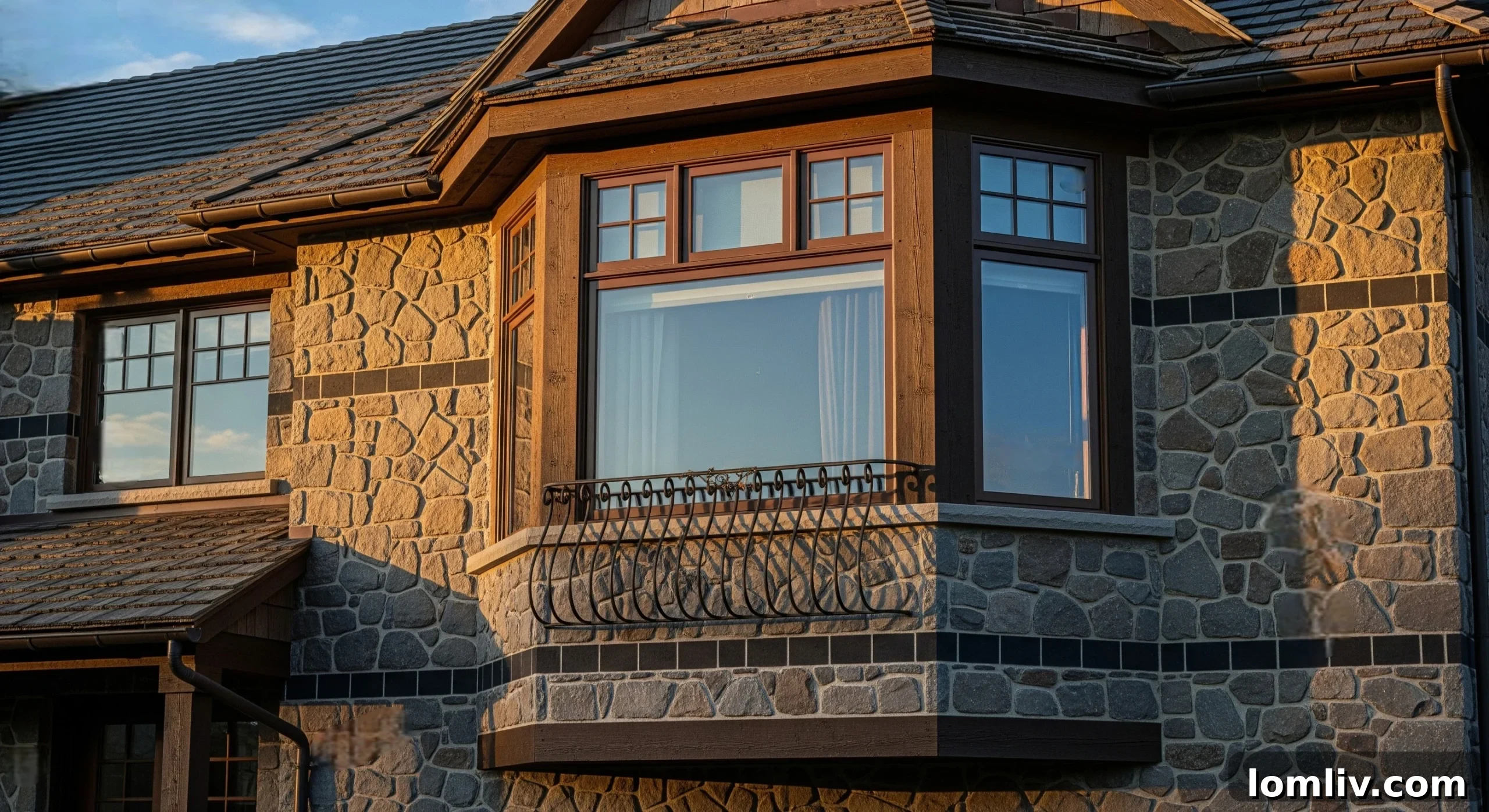
A bay window is far more than a simple architectural feature; it is a transformative element that redefines the aesthetics and functionality of any space. Projecting elegantly outward from the exterior wall, it creates a captivating alcove, inviting a sense of spaciousness and an abundance of natural light. This distinctive design offers the perfect setting for a cozy window seat, a tranquil reading nook, or stylish built-in storage solutions, instantly elevating the character of a room. Its angled side panels are strategically designed to capture daylight from multiple directions, ensuring that your interior spaces remain bright and inviting for extended hours throughout the day. Beyond illumination, operable flank units allow for consistent and refreshing airflow, contributing to a comfortable indoor environment. Once meticulously installed, a bay window becomes a permanent, integral improvement to your home, enhancing its structural integrity and adding lasting value as a key part of your real property.
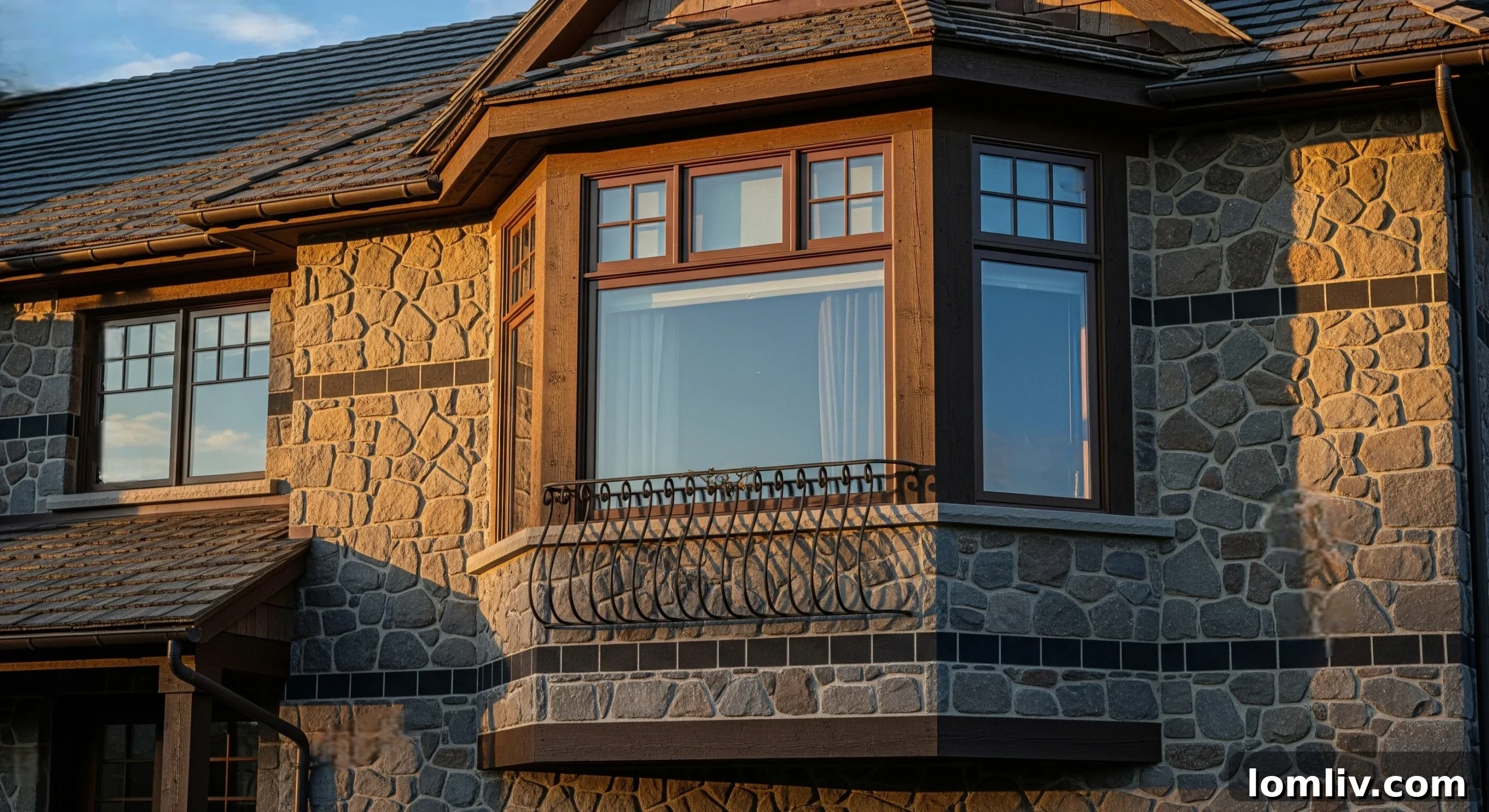
Homeowners frequently choose bay windows for their exceptional ability to boost curb appeal from the outside while simultaneously adding valuable square footage internally, all without the significant expense and disruption of a full home addition. These striking configurations typically feature 30‑, 45‑, or 60‑degree angles, offering various aesthetic profiles to complement any architectural style. You have the flexibility to pair fixed or operable flank windows, such as casements or double-hungs, with a larger, central picture panel, creating a custom view. This versatile combination is a popular choice for living rooms, kitchens, and bedrooms, where it effortlessly introduces additional seating, practical storage, or a sun-drenched haven for indoor plants, all with a seamless, built-in appearance that enhances the home’s overall design cohesion.
When it comes to materials, bay windows are available in a range of frame options, including wood, fiberglass, and vinyl, each offering distinct advantages. Wood frames exude timeless warmth and provide a furniture-grade finish that can be stained or painted to match existing decor. Fiberglass frames are lauded for their sharp lines, exceptional strength, and superior thermal performance, making them an excellent choice for energy efficiency. Vinyl frames offer the most accessible pricing and minimal maintenance, standing up well to various weather conditions without extensive upkeep. Finish choices are extensive, ranging from elegant stained interiors to durable, color-matched exterior cladding, allowing for complete personalization. Additional design elements like decorative grilles, convenient factory-installed blinds nestled between the glass panes, and protective screens further customize the look and functionality. For enhanced energy savings and year-round comfort, consider options like low-emissivity (low-E) glass and inert gas fills, such as argon. These advanced features significantly control heat gain and loss, leading to reduced utility costs and making your home a more attractive prospect when it comes time to sell.
Bay Window Cost Comparison: Pella, Andersen, and Vinyl – An In-Depth Look
Understanding the investment required for a bay window is crucial for any homeowner considering this popular upgrade. The total cost can vary significantly based on brand, materials, size, configuration, and installation complexities. Here, we delve into the typical cost ranges for some of the leading brands and material types, providing a clearer picture of what to expect.
Pella Bay Window Cost: Premium Craftsmanship and Investment
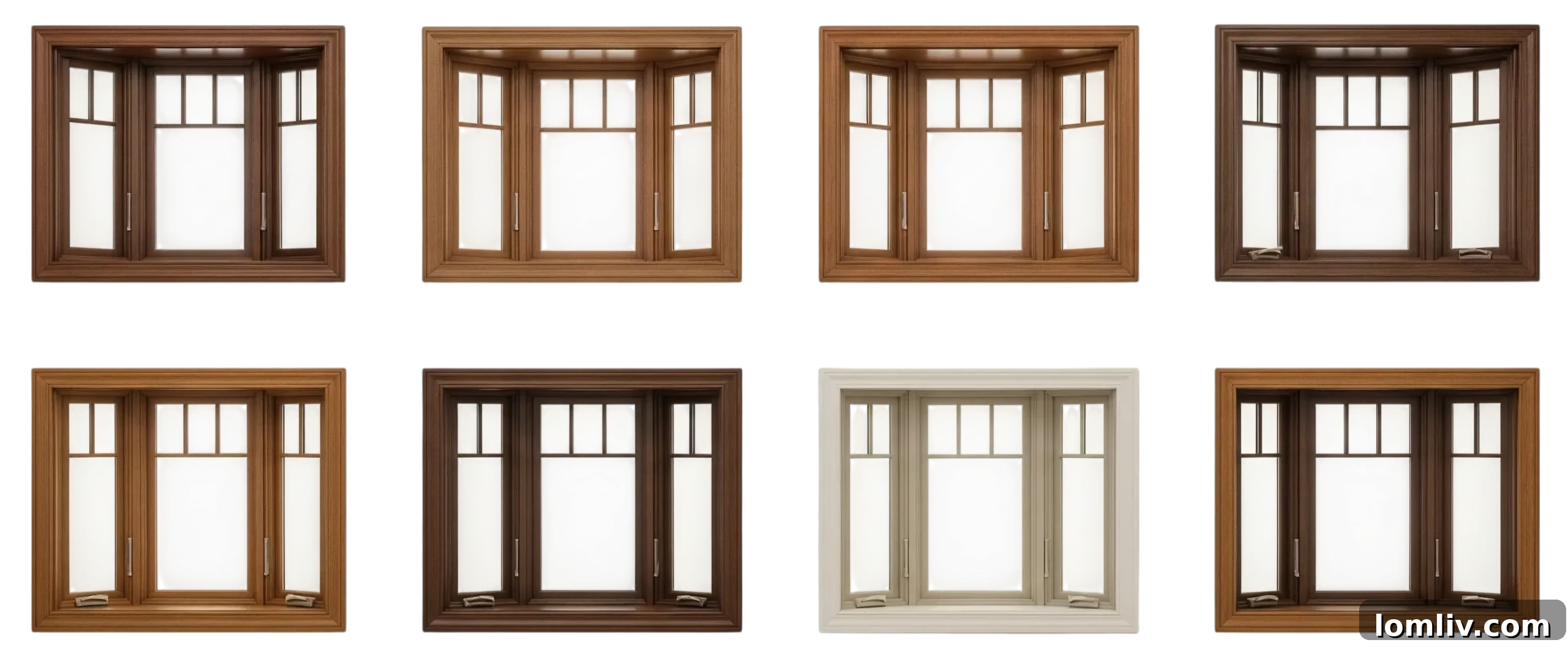
Pella windows are renowned for their high-quality craftsmanship, diverse material options, and advanced energy efficiency features. For a typical replacement project, a Pella bay window installation often falls within the range of $2,000 to $5,500. This cost spectrum is influenced by several critical factors. The overall size of the bay unit, the specific projection angle (e.g., a shallow 30-degree bay versus a deeper 60-degree unit), and the chosen frame material—wood, fiberglass, or vinyl—all play a significant role. Wood options, particularly from Pella’s Architect Series, will typically be at the higher end due to their premium aesthetics and furniture-grade finishes. Upgraded glass packages, such as triple-pane glass or specialized low-E coatings tailored for specific climates, will also increase the price. Furthermore, desirable options like integrated blinds between the glass panes or specialized hardware contribute to the final figure. Custom sizing to perfectly fit an existing opening or to create a unique architectural statement, along with factory staining or painting services, can add to the total investment. It is also important to factor in labor costs, which can vary considerably by geographic region and the complexity of the installation. For instance, if your existing opening requires significant structural reinforcement or extensive reframing, the labor component will be higher. Always gather several detailed written quotes from certified Pella installers to ensure transparency and comparison before making a decision.
Andersen Bay Window Cost: Innovation with Fibrex
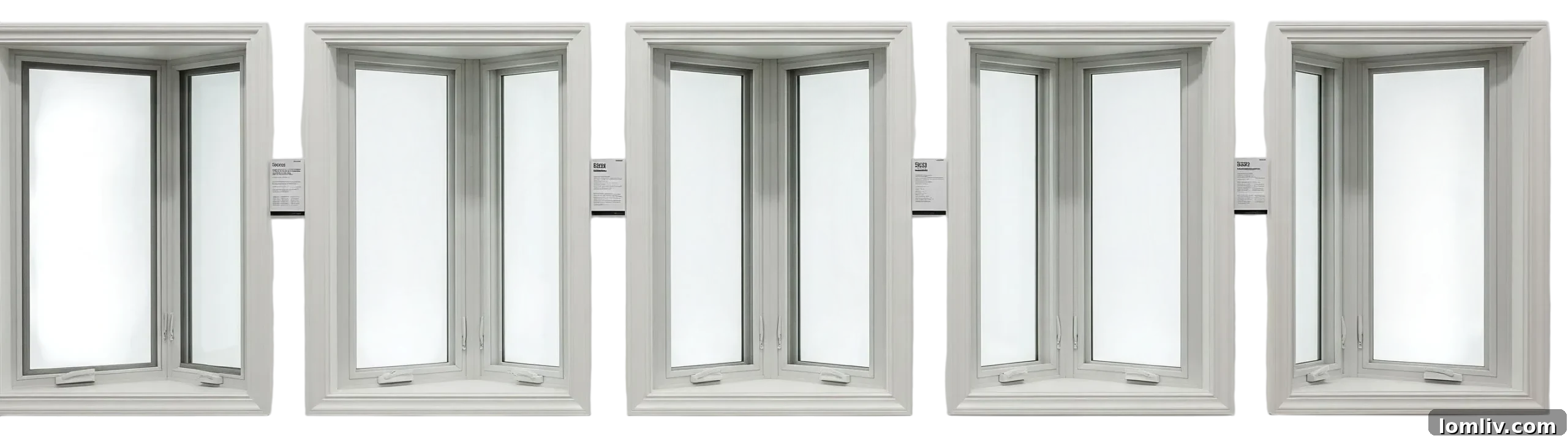
Andersen windows are celebrated for their enduring product lines, innovative engineering, and particularly their proprietary Fibrex® composite frames. A high-quality Andersen bay window typically ranges from $2,500 to $6,000, depending heavily on the specific configuration, series (e.g., 400 Series, A-Series), and chosen options. Fibrex, a revolutionary blend of wood fiber and thermoplastic polymer, offers exceptional durability, stability, and thermal performance. It resists warping, rotting, and cracking, making it an incredibly low-maintenance and long-lasting material. A significant advantage of Fibrex is its ability to hold darker exterior colors exceptionally well without absorbing excessive heat or fading, which ensures a consistent and appealing look for both modern and traditional homes. As with any premium window brand, the specific glass package selected (e.g., dual-pane, triple-pane, various low-E coatings), the interior and exterior finish choices, and the overall size and complexity of the bay unit will influence the final cost. Andersen’s reputation for innovation and quality translates into a robust, energy-efficient window that enhances both the beauty and value of your home for decades.
Vinyl Bay Windows: Budget-Friendly and Practical
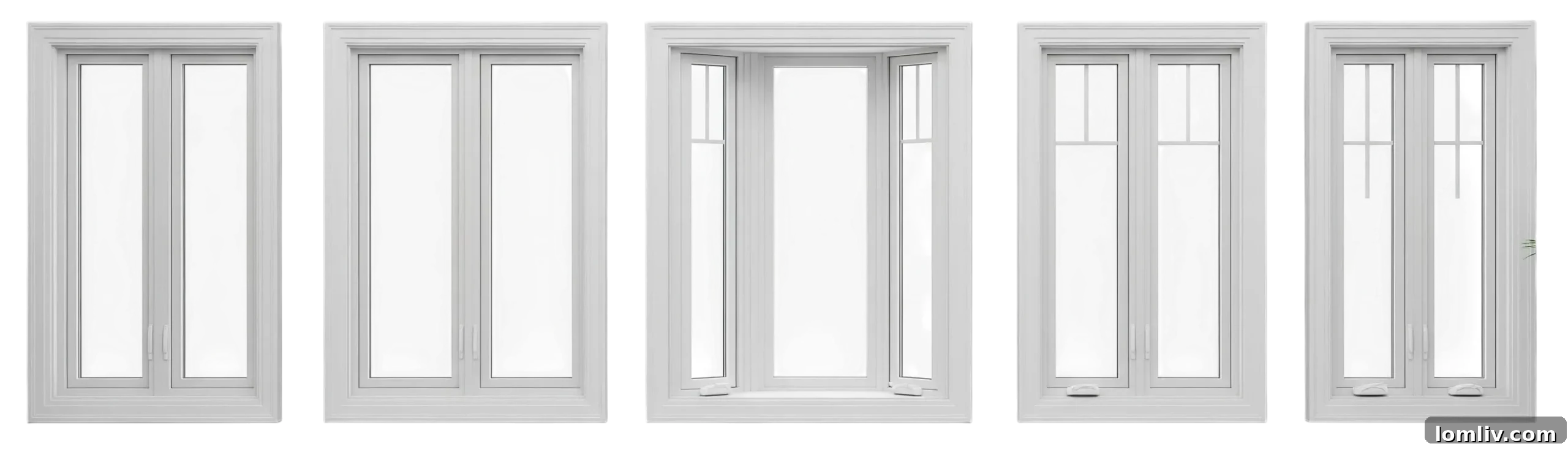
For homeowners seeking the most budget-friendly pathway to enjoying the benefits of a bay window, vinyl options generally present a more accessible price point, typically ranging from $1,200 to $3,000. Vinyl windows are highly regarded for their low maintenance requirements, resisting moisture, corrosion, and pests without the need for painting or staining. This ease of upkeep makes them an attractive choice for busy homeowners. The primary trade-off with vinyl, especially at the lower end of the price spectrum, is often a simpler, more utilitarian aesthetic compared to the luxurious finishes of stained wood interiors or the refined appearance of composite exteriors. While vinyl has made significant strides in design, it may not offer the same level of architectural detail or color customization as higher-end materials. However, for properties such as rental units, secondary living spaces, or home refresh projects where cost control is a primary concern, vinyl bay windows frequently make the short list. They offer excellent thermal performance for their price point and can still significantly improve a home’s appearance and functionality without breaking the bank.
Energy-Efficient and Custom Bay Window Builds: Investing in Comfort and Value
Beyond standard options, homeowners can further tailor their bay window investment to maximize both comfort and long-term value. Opting for energy-efficient packages, which include advanced insulated glass units (such as triple-pane glass with multiple low-E coatings and argon or krypton gas fills) and upgraded weather seals, will increase the initial investment. However, these features are designed to significantly rein in energy consumption and associated utility costs across all seasons, providing substantial savings over the lifespan of the window. These packages contribute to a lower U-factor and Solar Heat Gain Coefficient (SHGC), essential metrics for understanding thermal performance. For those with unique aesthetic visions or specific structural needs, bespoke units offer unparalleled customization. These can involve unique dimensions that perfectly fit an unconventional opening, deeper seatboards for enhanced lounging comfort, or color-matched trims that integrate seamlessly with your home’s existing architecture. While custom builds command a higher price at installation, they provide a tailored fit and a distinct aesthetic that reads as an original part of the architecture, rather than an afterthought. Such upgrades not only support superior comfort and operational savings in day-to-day living but also contribute significantly to the perceived value and desirability of your home, making them a prioritized choice for many discerning owners.
Bay Window Replacement Timing and Long-Term Value: When to Act
Knowing when to replace a bay window is crucial for maintaining your home’s comfort, energy efficiency, and value. Proactive replacement can save you money and prevent larger issues down the line.
- When to Consider Replacement: Clear Signals
Several tell-tale signs indicate that your existing bay window may be nearing the end of its serviceable life. Obvious drafts that you can feel permeating the interior, persistent fogging or moisture condensation between the glass panes (indicating a failed seal), soft or discolored wood frames (a sign of rot or water damage), or flank units that no longer open and close smoothly are all strong signals for replacement. Beyond these functional issues, an aging or aesthetically outdated bay window can detract from your home’s curb appeal and interior ambiance. A new, well-installed bay window immediately improves interior comfort by eliminating cold or hot spots near the opening, reduces noise transmission, and significantly refreshes the elevation you see from the street, boosting your home’s overall attractiveness and market value. - What You’ll Likely Spend: A Comprehensive Breakdown
The comprehensive cost for a bay window replacement typically ranges from $2,000 to $6,500+. This wide range accounts for numerous variables including the window’s size and projection depth, the chosen brand (e.g., Pella, Andersen, local manufacturers), the frame material (vinyl, wood, fiberglass, composite), and the overall scope of the installation. More complex installations requiring structural work, such as adding new headers or reinforcing existing framing, will naturally increase labor costs. If your deep projection bay window requires exterior roofing or flashing work, this will also add to the expense. Finally, interior trim carpentry, including custom molding or finishing, contributes to the final price. Always request a detailed, itemized quote to understand exactly what is included in the total cost. - Budgeting for Upkeep: Sustaining Your Investment
To protect your bay window investment and ensure its longevity, it’s wise to set aside a small portion of your home maintenance budget each year for routine upkeep. This might include periodic exterior caulking to maintain a watertight seal, touch-ups of paint or stain on wood interiors, and hardware tune-ups (e.g., lubricating hinges, checking latches). Many experienced homeowners advocate for a simple rule of thumb: allocate approximately 1% to 3% of your home’s purchase price annually for general home maintenance. This proactive approach helps to stay ahead of unexpected repairs and keeps projects like window care manageable and less burdensome financially. Regular maintenance prevents minor issues from escalating into costly major repairs, preserving your bay window’s beauty and performance for years to come.
Installation Basics That Affect Price and Performance: A Critical Overview
The quality of a bay window’s installation is just as important as the quality of the window itself. Understanding the different installation methods and their implications can help you make informed decisions and ensure optimal performance and longevity.
- Opening Type: Insert vs. Full-Frame Replacement
The type of window replacement chosen significantly impacts both labor costs and overall performance. Insert replacements, also known as “pocket” replacements, involve sliding the new bay window unit directly into the existing window frame. This method is generally less invasive, quicker, and can shorten labor time, making it a more budget-friendly option. However, it retains the old frame, which might conceal existing issues or limit the visible glass area slightly. Conversely, full-frame replacements entail completely removing the old window frame down to the rough opening. This more extensive process allows for thorough inspection of the structural integrity, replacement of any damaged wood, and the addition of new insulation around the seatboard and headboard. While it raises the bid due to increased labor and material costs (new interior trim, exterior cladding, and insulation are required), it often yields superior long-term performance, better energy efficiency, and a cleaner, more integrated aesthetic. - Support and Weatherproofing: Ensuring Stability and Protection
Proper installation is paramount for the stability and weather resistance of a bay window. Installers must securely anchor the head (top), seat (bottom), and jambs (sides) of the unit to the home’s framing. Crucially, overhead support cables are tensioned to ensure the bay window carries its weight cleanly and without sagging over time, preventing structural stress on the wall. Beyond structural integrity, robust weatherproofing is essential. This involves applying comprehensive insulation beneath the seatboard to prevent thermal bridging, implementing pan flashing (a critical component that directs any water intrusion to the exterior), and meticulously installing exterior cladding. Careful exterior finishing and sealing with high-quality sealants protect against water penetration and air infiltration, ensuring the window remains airtight and watertight through all seasons. - Local Codes and Details: Compliance and Due Diligence
Adhering to local building codes and regulations is a non-negotiable aspect of any window installation. Your contractor will meticulously review various items to ensure the new bay window meets all local requirements. This includes specifying tempered safety glass in certain locations (e.g., near doors or in bathrooms), ensuring egress rules are met in bedrooms for fire safety, and checking exterior projection limits over sidewalks or property lines. A reputable contractor will be well-versed in these codes and will obtain all necessary permits. A clear, comprehensive scope of work and timeline outlined in your contract helps to align expectations between you and the installer regarding milestones, included services, and responsibilities. This same disciplined mindset is vital for a smooth real estate closing, where clear documentation and agreed-upon terms are key to a successful outcome.
How to Shop and Compare Quotes: Making an Informed Decision
Choosing the right bay window and installer requires careful research and comparison. A systematic approach will ensure you get the best value and quality for your investment.
- See Products in Person: Experience the Difference
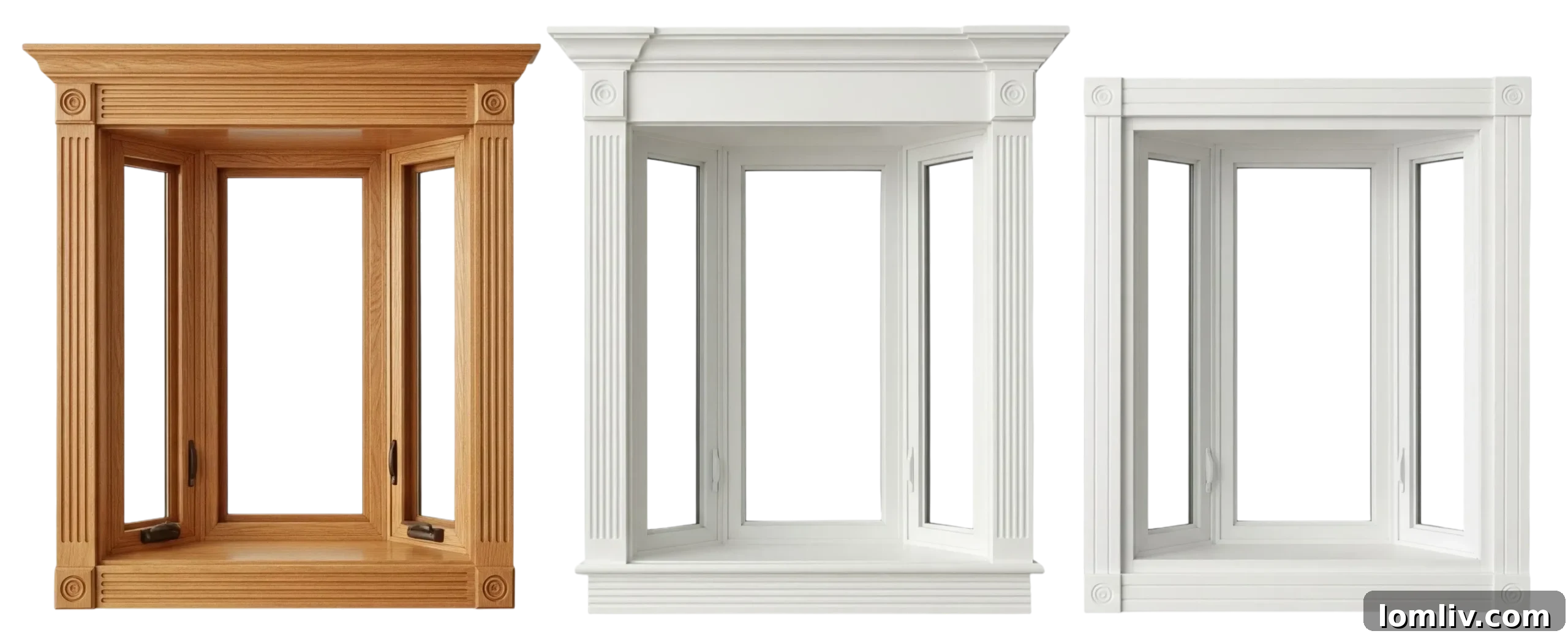
While online browsing offers convenience, nothing compares to experiencing window products in person. Visiting local showrooms allows you to compare different frame profiles, interior finishes, and hardware options side-by-side. This hands-on experience is the easiest and most effective way to determine whether you prefer the rich texture of a stained wood interior, the sleek appearance of a low-gloss composite, or the clean, bright look of white vinyl. Showrooms also provide an invaluable opportunity to visualize seat depth, projection distance, and overall scale, helping you confirm your design preferences before placing an order. You can open and close operable units, test hardware, and get a true feel for the quality and finish of various brands. - Ask for Line-Item Proposals: Demand Transparency
To effectively compare quotes, always request written bids that provide a detailed, line-item breakdown. This should clearly separate the cost of the product itself, installation labor, disposal fees for old materials, and any carpentry work involved. Crucially, confirm in writing the specifics of the glass package (e.g., dual-pane, triple-pane, specific low-E coatings, gas fills), the chosen grille pattern, the type of screens, and the exact projection angle. Don’t hesitate to ask about lead times for manufacturing and installation, whether interior painting or staining services are included in the quote, and precisely how your exterior will be finished and sealed. Transparency in quoting is a hallmark of a trustworthy contractor. - Check Warranties and References: Due Diligence is Key
A robust warranty offers peace of mind and protection for your investment. Look for a comprehensive manufacturer’s warranty that covers defects in glass (e.g., seal failure) and frame materials for an extended period. Equally important is a separate workmanship warranty from the installer, guaranteeing the quality of their installation for a specified duration. Beyond warranties, ask for references, specifically requesting to see one or two recent bay window installations in your local area. When inspecting these installations, pay close attention to the quality of the exterior cladding and sealing, looking for clean lines and a tight, weatherproof finish. On the interior, examine the trim work for neatness and precision. Reviews on independent platforms like Google, Yelp, or industry-specific sites can also provide valuable insights into a contractor’s reputation. - Plan Your Walk-Through: Final Inspection for Perfection
Before making final payment, build in a comprehensive final walk-through with your installer. This critical step allows you to confirm the smooth operation of all operable units (e.g., casement cranks, double-hung sashes), verify even reveals around the window frame, and meticulously review the exterior sealing and finishing. Use this opportunity to address any minor imperfections or concerns. Establishing clear timelines for selection, ordering, installation, and punch-list items from the outset helps keep the project moving efficiently and significantly reduces the potential for rework or delays. This organized and proactive approach mirrors successful real estate transactions, where defined timelines and clear communication help all parties reach the finish line smoothly and satisfactorily.
In conclusion, a thoughtfully chosen and expertly installed bay window fundamentally changes the way a room looks and feels, infusing it with light, space, and character. Premium brands like Pella and Andersen deliver superior materials, exquisite finishes, and advanced performance, reflected in their higher cost ranges. For those prioritizing affordability and ease of maintenance, vinyl bay windows offer a simple, economical, and practical solution. Regardless of your chosen material or brand, prioritizing energy-efficient glass options, ensuring careful and professional installation, and clearly defining the project scope are critical steps. These elements not only support enhanced comfort and reduced operating costs in your daily living but also contribute significantly to the long-term value and marketability of your home, making a bay window a truly rewarding investment.