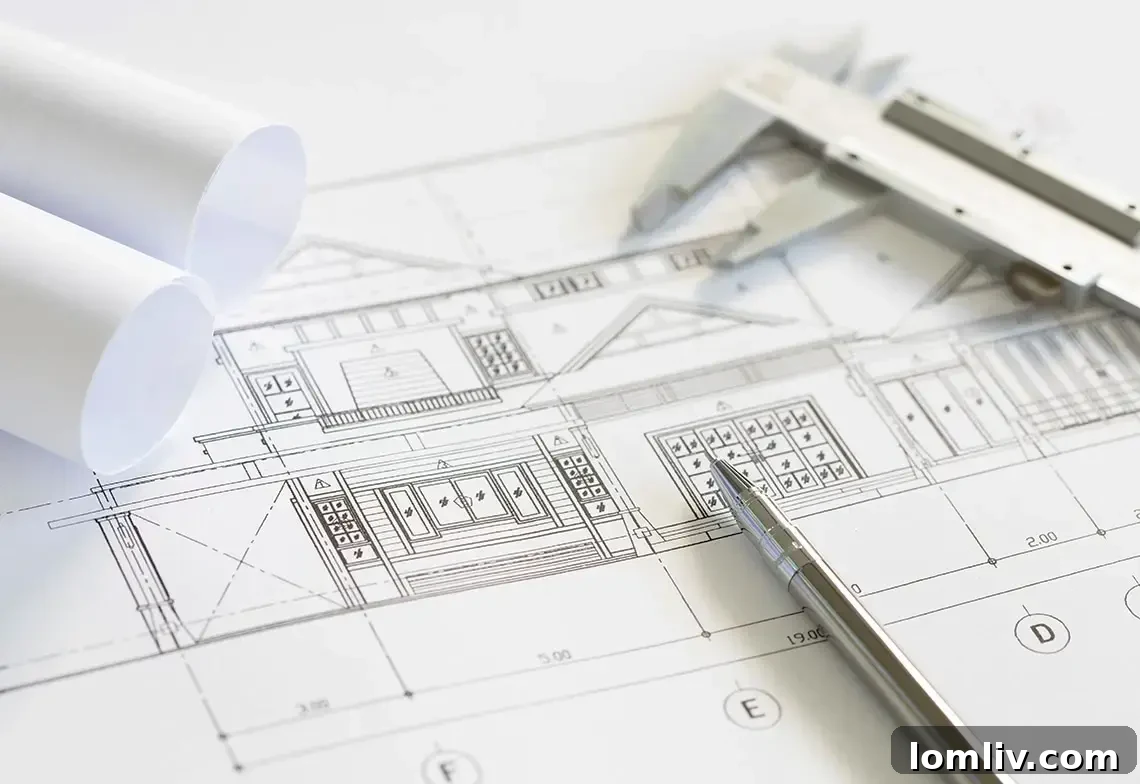
In today’s dynamic housing market, accessory dwelling units (ADUs), often affectionately known as “granny flats,” have emerged as a highly sought-after solution for homeowners seeking to expand their living space, generate rental income, or accommodate multi-generational family needs. These versatile structures, which can be detached, attached, or converted spaces within an existing home, offer an incredible array of possibilities. However, embarking on the journey of adding an ADU to your property requires careful planning, with one of the most crucial initial steps being the selection of a design that perfectly aligns with your specific requirements, local regulations, and financial parameters. Given the vast number of design options available from expert providers like Granny Flat Solutions, making the right choice can seem daunting. This comprehensive guide will walk you through the essential factors to consider when evaluating granny flat plans, ensuring you select a design that not only meets your immediate needs but also provides long-term value and functionality.
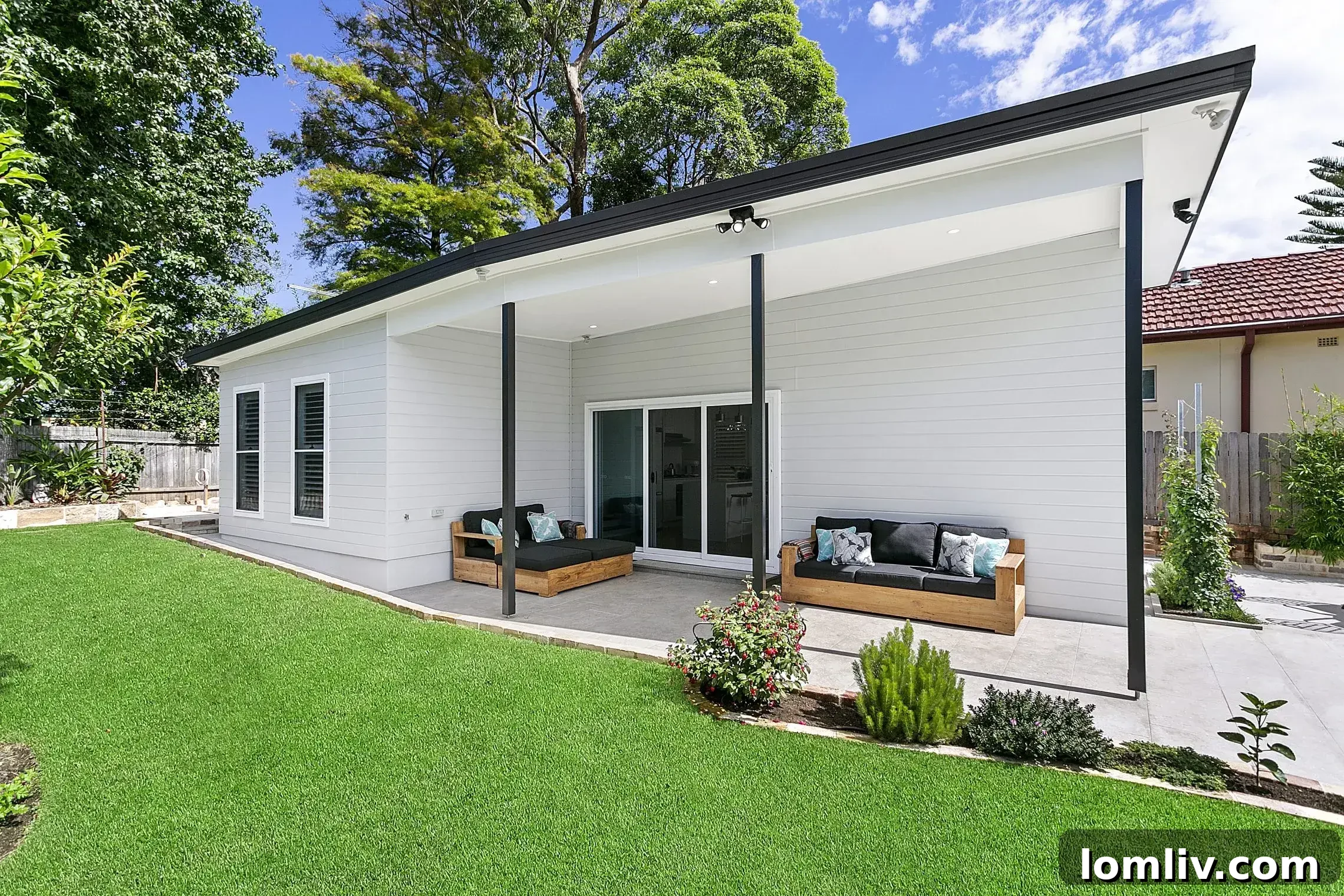
Defining Your Granny Flat’s Purpose: Planned Use and Functionality
Before diving into blueprints and aesthetics, the absolute first step is to clearly define the primary purpose of your granny flat. Understanding its intended use will profoundly influence every subsequent design decision, from the layout and number of rooms to the types of amenities included. Consider what problem this new structure is solving or what opportunity it’s creating.
- Generating Rental Income: If your primary goal is to use the ADU as a rental property, design choices should prioritize tenant appeal, privacy, and durability. This often means including a separate entrance, a fully equipped kitchen, a private bathroom, and ample living space. Consider soundproofing and dedicated outdoor areas to enhance the tenant experience and ensure long-term satisfaction.
- Temporary Residence for Guests: For a dedicated guest house, comfort, accessibility, and ease of use are paramount. A design that allows guests independent access while still being conveniently close to the main house is ideal. A comfortable bedroom, a private bathroom, and perhaps a small kitchenette for coffee and snacks will make visitors feel at home without overcomplicating the design.
- A Flexible Play Space or Hobby Room: If the granny flat is intended as a versatile space for children to play, an art studio, a music room, or a dedicated area for a specific hobby, a more open and flexible floor plan might be most suitable. Large windows for natural light, durable flooring, and ample storage for equipment or toys would be key features.
- Mother-in-Law Quarters or Multi-Generational Living: When designing for aging parents or other family members, particular attention must be paid to accessibility and privacy. Features like a private entrance, an accessible bathroom (walk-in shower, grab bars), wider doorways, and a fully functional kitchen and living area become essential. The design should foster independence while maintaining proximity to family support.
- Studio or Home Office: With the rise of remote work, a dedicated home office or studio space can significantly enhance productivity and work-life balance. A design tailored for this purpose should prioritize a quiet environment, sufficient natural light, ample electrical outlets, high-speed internet connectivity, and potentially built-in storage or shelving for office supplies and equipment.
- Space for Adult Children: For young adults seeking independence but needing financial support, an ADU can offer a stepping stone. Designs here would likely mimic a small apartment, focusing on a comfortable bedroom, living area, and full kitchen/bath, providing all the necessities for self-sufficient living.
The specific purpose of your granny flat will serve as your guiding compass, directing you towards the most important design elements, necessary amenities, and optional add-ons that truly enhance its functionality and value.
Establishing a Realistic Budget: Financial Planning for Your ADU
Once you have a clear vision for your granny flat’s purpose, the next crucial step is to establish a detailed and achievable budget. Constructing an ADU involves various costs, and understanding each component is vital for financial planning and avoiding unexpected expenses. A well-defined budget will help you narrow down design options and material choices that fit your financial capabilities.
- Construction Costs (Prefabricated Shell or Stick-Built): This is typically the largest expenditure. Costs vary significantly depending on whether you opt for a prefabricated (modular) unit, which can often be more cost-effective and quicker to install, or a traditional stick-built construction, which offers greater customization but generally higher costs and longer timelines. Factors like square footage, number of stories, and complexity of the design will heavily influence this.
- Utility Connections: Connecting your granny flat to essential services like water, electricity, gas, and sewer lines can be a substantial expense, especially if the new structure is far from existing hookups. Consider trenching, meter installation, and any necessary upgrades to your main home’s service capacity. Similarly, integrating a separate HVAC system adds to the budget, offering independent climate control for the ADU.
- Permit Fees and Regulatory Compliance: Local governments impose various fees for building permits, zoning approvals, and inspections. These costs can vary widely by region and the complexity of your project. It’s essential to factor these in early, as they are non-negotiable.
- Site Preparation: Before construction can even begin, the site needs to be prepared. This can include grading and leveling the land, foundation work, tree removal, and potentially installing retaining walls. Beyond the immediate build, consider landscaping, pathways, exterior lighting, and if applicable, a driveway or parking pad. These elements contribute significantly to the ADU’s curb appeal and functionality.
- Interior Finishing: This category encompasses everything that makes the interior livable and aesthetically pleasing. Costs include flooring (hardwood, tile, carpet), wall finishes (paint, wallpaper), kitchen cabinetry, countertops, appliances, bathroom fixtures, tiling, and lighting. The quality and style of these finishes can dramatically impact the overall cost.
- Architectural and Design Fees: If you opt for a custom design or need professional drawings for permits, factor in fees for architects, designers, or structural engineers.
- Contingency Fund: Always allocate an additional 10-15% of your total budget as a contingency fund for unexpected issues or changes during construction.
Carefully “do the math” to understand the financial implications of different design configurations and material choices. Set a clear budget guideline and prioritize plan options that work within your established financial limits, exploring ways to optimize costs without compromising quality or essential features.
Navigating Regional Regulations: Zoning and Building Codes
Before you commit to any specific design, it is absolutely imperative to thoroughly research and understand the local zoning ordinances and building codes that govern granny flats (ADUs) in your region. These regulations vary significantly from city to city and even within different zones of the same municipality. Ignoring these rules can lead to costly delays, fines, or even the rejection of your project. Proactive research ensures your chosen design is compliant and facilitates a smooth approval process.
- Maximum Sizes and Dimensions: Most localities impose limits on the maximum square footage and height of ADUs. These are often capped to ensure they remain “accessory” to the primary dwelling. Typically, maximum sizes range from 600 to 1,200 square feet, but this can vary. Some areas might also have minimum size requirements.
- Aesthetic Standards and Design Review: Many communities require ADUs to maintain an aesthetic consistency with the main house and the surrounding neighborhood. This can include matching exterior materials, roofing styles, window types, and overall architectural style. Historic districts, in particular, may have strict design review processes.
- Location on the Lot (Setbacks and Lot Coverage): Zoning regulations dictate where on your property an ADU can be built. This includes setback requirements (minimum distances from property lines – front, side, and rear) and lot coverage limits (the maximum percentage of your lot that can be covered by structures, including both the main house and the ADU). These rules are crucial for ensuring adequate light, air, and open space.
- Parking Requirements: Some jurisdictions require dedicated parking spaces for ADUs, especially if they are intended for rental. The number of required spaces can vary, impacting your site plan and available yard space.
- Occupancy Rules: Certain areas have restrictions on who can live in an ADU (e.g., family members only) or limitations on short-term rentals.
- Utility Connection Requirements: Beyond the cost, there may be specific technical requirements for how utilities are connected and metered.
- Fire Safety and Accessibility Codes: Building codes will dictate specific requirements for fire separation, exit routes, smoke detectors, and potentially accessibility features depending on the ADU’s use and local mandates.
The best course of action is to contact your local planning or zoning department early in the process. Engage with their staff to understand all applicable codes and permit requirements. This ensures your chosen design is fully compliant, paving the way for easier approval and avoiding costly redesigns down the line.
Evaluating Layout and Dimensions: Designing for Livability
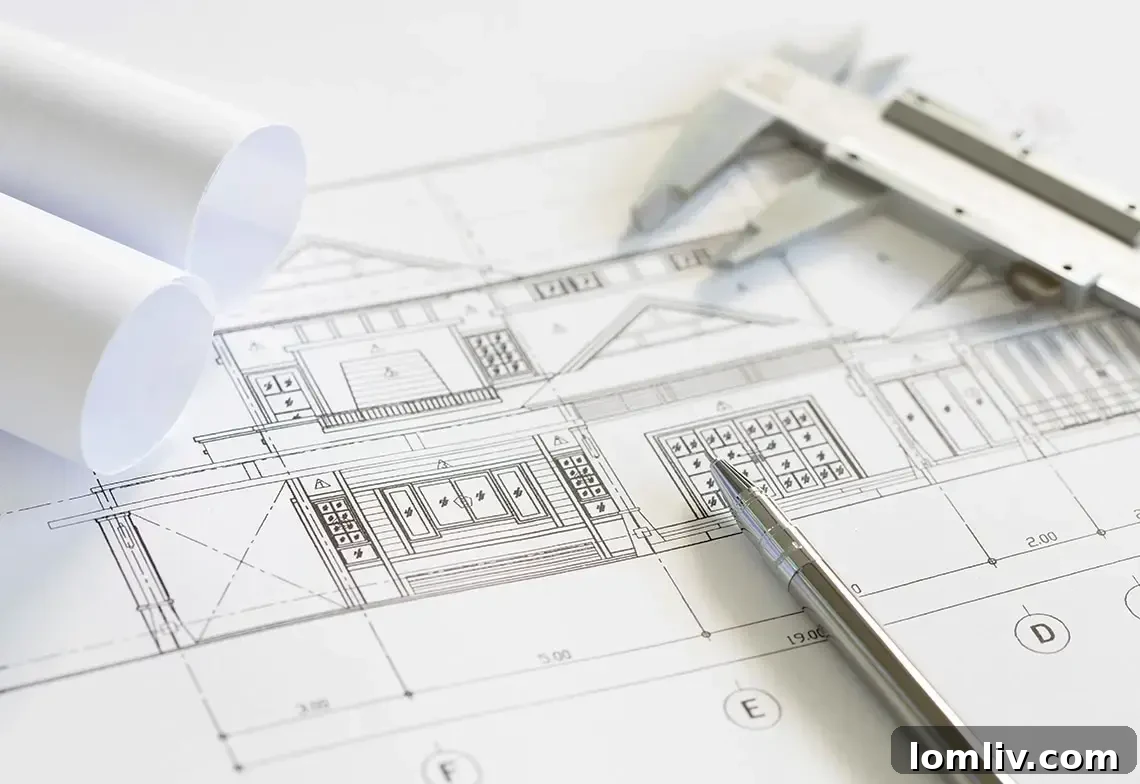
With regulations and budget in mind, you can now delve into the exciting phase of choosing your actual design and layout. This is where your vision for functionality and aesthetics truly comes to life. Focus on creating a highly livable space, even if compact, by meticulously considering every aspect of the interior.
- Number of Bedrooms and Bathrooms: This is fundamental. Do you need a studio, a one-bedroom, or a two-bedroom unit? The number of occupants and their needs will dictate this. For bathrooms, consider the size and whether one full bath suffices or if a powder room or additional accessible bathroom is necessary.
- Main Living Area: Open Concept vs. Separate Spaces: Open-concept layouts are popular for ADUs as they make smaller spaces feel larger and more connected, promoting social interaction. However, separate rooms might offer more privacy and define functions more clearly, which can be preferable for long-term residents or specific uses like a home office.
- Kitchen Needs: Will it be a full, gourmet kitchen for an avid cook, or a compact kitchenette with essential appliances for occasional use? Consider countertop space, storage, and the necessary appliances (full-size refrigerator, stove, dishwasher, microwave). Even in small spaces, clever design can maximize kitchen functionality.
- Technological Requirements: Plan for adequate electrical outlets, especially in living areas, bedrooms, and office spaces. Consider pre-wiring for audiovisual systems, high-speed internet, and smart home technology to future-proof the unit.
- Laundry Facilities: Will the unit include its own laundry? A stackable washer/dryer unit is a space-saving solution for smaller ADUs, while larger units might accommodate full-size appliances. If space is extremely limited, consider a shared laundry facility with the main house if practical.
- Storage Solutions: Ample storage is critical in any living space, particularly in smaller ADUs. Plan for built-in closets, shelving, pantry space, and perhaps even creative solutions like under-bed storage or multi-functional furniture. Lack of storage can quickly make a small space feel cluttered.
- Natural Light and Ventilation: Maximize natural light with strategically placed windows and potentially skylights. Good ventilation is also essential for air quality and comfort, especially in kitchens and bathrooms.
- Circulation and Flow: Ensure the layout allows for easy movement between rooms and avoids awkward dead ends or cramped pathways. Good circulation enhances the feeling of spaciousness and functionality.
Before finalizing, take precise measurements of your available plot space and, if possible, sketch a rough floor plan. This hands-on approach will help you visualize how the selected prefab plan or custom design can best accommodate your essential requirements, furniture, and daily routines, ensuring the space is both practical and comfortable.
Assessing Exterior Design Options: Curb Appeal and Integration
The exterior design of your granny flat is just as important as the interior. It should not only be visually appealing but also harmoniously integrate with your existing main home and the surrounding landscape. A well-designed exterior enhances overall property value and contributes to the neighborhood’s aesthetic.
- Visual Appeal: Materials, Accents, and Landscaping: Choose exterior materials (siding, roofing, trim) that complement or match your main house. Consider adding architectural accents like decorative shutters, unique window styles, or a distinct entry door to give the ADU character. Landscaping around the granny flat can significantly boost curb appeal, provide privacy, and create a welcoming environment.
- Entryway Access and Orientation: Determine the best location for the entryway. Should it face the street, a side yard, or be oriented towards the main house? Consider privacy for both residents of the ADU and the main home. A distinct and easily identifiable entrance is crucial.
- Windows: Position, Size, and Energy Efficiency: Strategic placement of windows not only allows for ample natural light and desirable views but also impacts energy efficiency. Large windows on the north side might provide consistent light without excessive heat gain, while south-facing windows can contribute to passive solar heating in colder climates. Consider double or triple-pane windows for insulation.
- Outdoor Living Space: Decks, Patios, or Porch Extensions: Incorporating private outdoor space, such as a small deck, patio, or covered porch, can significantly enhance the livability and appeal of a granny flat. This provides residents with a place for relaxation, dining al fresco, or gardening, extending the usable living area.
- Garage or Carport: If dedicated storage or sheltered parking is a requirement, integrating a small garage or carport into the design is an excellent option. This adds practical value, especially in areas with limited street parking or for tenants who need secure storage for vehicles or equipment.
- Roofline and Form: The roofline and overall form of the ADU should ideally echo or complement the architectural style of the main house to create a cohesive look on the property.
Selecting exterior finishes and design elements that complement your main home’s exterior will create a unified and aesthetically pleasing property, enhancing its overall value and appeal.
Exploring Customization Possibilities: Tailoring Your ADU
Even if you’re starting with a prefabricated or semi-custom design, understanding the extent of customization possibilities is crucial to ensure the final product truly meets your needs and preferences. The level of flexibility offered by builders can vary significantly.
- Layout Tweaks: Many prefab firms allow for minor modifications to their standard floor plans. This could include removing or adding non-load-bearing walls, repositioning doorways or windows, or adjusting room dimensions slightly. These small changes can significantly impact the functionality and flow of the space.
- Material Upgrades: While standard designs come with a set of finishes, you often have the option to upgrade. This could involve choosing higher-end flooring (e.g., hardwood instead of laminate), premium cabinetry, granite or quartz countertops, designer light fixtures, or more luxurious bathroom tiles and fixtures. These upgrades personalize the space and can increase its perceived value.
- Adding Features and Extensions: Beyond interior finishes, customization can extend to adding external features. This might include incorporating a covered porch, a larger deck, a garage, a carport, or additional storage sheds that are seamlessly integrated into the design. Some companies also allow for energy-efficient upgrades like solar panels or enhanced insulation packages.
- Structural Modifications: For more significant alterations, like changing the roofline, adding a second story (if permitted), or substantially reconfiguring the interior, you might need to opt for a custom-built ADU or work with a prefab company that specializes in highly flexible designs.
It’s important to differentiate between firms that offer a “menu” of upgrades and those that provide truly bespoke design services. Certain prefab companies offer extensive customization options, allowing you to tailor almost every aspect of the unit, while other companies provide more rigid, pre-designed plans with limited modification choices. Always clarify the scope of customization available before committing to a builder or plan.
Considering Sustainability and Energy Efficiency
In today’s climate-conscious world, incorporating sustainable practices and energy-efficient features into your granny flat design is not just environmentally responsible but also economically beneficial. These considerations can lead to lower utility bills and a reduced carbon footprint, adding significant long-term value to your investment.
- Insulation and Air Sealing: High-quality insulation in walls, ceilings, and floors, combined with meticulous air sealing, is fundamental to maintaining comfortable indoor temperatures and minimizing energy loss. This reduces the workload on your HVAC system, leading to savings.
- Windows and Doors: Choose energy-efficient windows (double or triple-pane with low-emissivity coatings) and insulated doors to prevent heat transfer. Strategic placement can also harness passive solar gain in winter while minimizing unwanted heat in summer.
- HVAC Systems: Opt for high-efficiency heating, ventilation, and air conditioning (HVAC) systems, such as mini-split heat pumps, which are highly efficient for smaller spaces. Consider smart thermostats for optimized climate control.
- Water-Saving Fixtures: Install low-flow toilets, showerheads, and faucets to conserve water. Consider an on-demand water heater to reduce energy waste associated with heating and storing water.
- LED Lighting: Utilize LED light bulbs throughout the ADU, as they consume significantly less energy and have a much longer lifespan than traditional incandescent bulbs.
- Solar Panels: Depending on your location and budget, installing solar panels can offset a significant portion, or even all, of the ADU’s electricity consumption, turning it into a net-zero or energy-positive structure.
- Sustainable Materials: Explore using environmentally friendly and sustainably sourced building materials, such as recycled content drywall, reclaimed wood, or low-VOC (volatile organic compound) paints, for better indoor air quality.
Investing in energy-efficient design features during construction often results in substantial savings on utility bills over the lifetime of the granny flat, making it a wise financial decision.
Choosing the Right Builder or Designer
The success of your granny flat project hinges significantly on the expertise and reliability of the professionals you choose to work with. Selecting the right builder or designer is as important as choosing the right plan.
- Experience with ADUs: Look for builders and designers who have specific experience with accessory dwelling units. They will be familiar with the unique challenges, regulations, and best practices associated with these types of projects.
- Portfolio and References: Ask to see their portfolio of previous ADU projects. Contact past clients to inquire about their experience regarding communication, adherence to budget and timeline, and the quality of work.
- Local Knowledge: A professional with a strong understanding of local zoning laws, building codes, and permitting processes can save you considerable time and potential headaches.
- Communication and Transparency: Choose a professional who communicates clearly, sets realistic expectations, and provides transparent pricing. A good working relationship based on trust is vital.
- Licensing and Insurance: Ensure that your chosen builder or designer is properly licensed and insured to protect yourself from liability.
A well-vetted professional team can guide you through the complexities of design, permitting, and construction, ensuring a high-quality outcome that aligns with your vision and budget.
Conclusion: Your Dream Granny Flat Awaits
The journey to creating the perfect granny flat design is a rewarding one, requiring a thoughtful balance between your wishlist, budget constraints, regional regulations, and the practical realities of construction. By meticulously conducting research into the intended usage, carefully calculating costs, diligently reviewing local zoning and building codes, and thoroughly evaluating both interior and exterior design choices, you empower yourself to make informed decisions.
Whether you envision a tranquil retreat for family, a vibrant space for rental income, a productive home office, or a flexible sanctuary for guests, the right design will lay the foundation for success. With diligent planning and a clear understanding of your priorities, your dream granny flat—a versatile, valuable addition to your property—is well within reach. Embrace the process, consult with experts, and look forward to enjoying the myriad benefits your new accessory dwelling unit will bring.