

Imagine your dream home. Does it feature expansive spaces that effortlessly blur the lines between inside and out? For many, especially in Australia, the ideal living environment embodies a seamless indoor-outdoor living concept. Australia’s enviable climate, with its abundant sunshine and mild temperatures for much of the year, is perfectly suited for this architectural philosophy. It allows homeowners to truly embrace the country’s good weather, extending their functional living areas beyond conventional walls while still offering a private, sheltered retreat whenever desired.
Indoor-outdoor living is more than just a trend; it’s a lifestyle choice that enhances well-being, fosters connection with nature, and maximizes the utility of your property. It’s about creating an integrated environment where fresh air, natural light, and scenic views become integral parts of your daily experience. But what exactly are the core elements that define this quintessential Australian living style?
1. Blending Nature Into the Architecture for Seamless Harmony
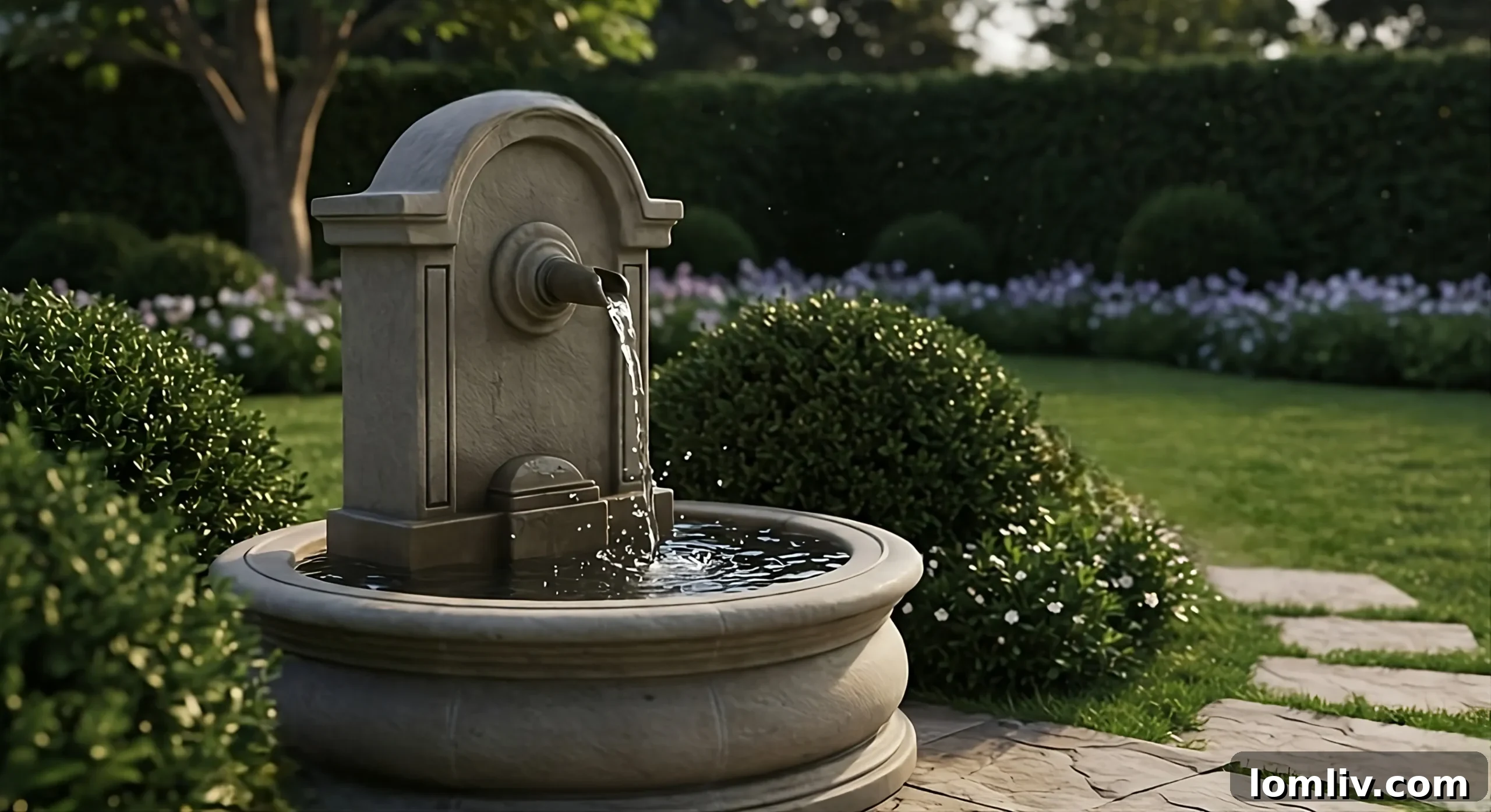
A fundamental characteristic of true indoor-outdoor living is the thoughtful integration of natural elements directly into a home’s design. This isn’t merely about placing a few potted plants; it’s about a holistic approach where nature feels like an organic extension of the built environment. Think about how the very materials of your home—natural timber, stone, or even concrete—can echo the textures and colors of the surrounding landscape, forging an immediate connection.
One powerful way to achieve this harmony is through the installation of water features. A strategically placed fountain, pond, or even a subtle water wall can introduce a serene, peaceful atmosphere. The gentle sound of running water offers a calming effect, masks urban noise, and adds a dynamic visual element. Whether it’s a small, recirculating pond visible from your living room or an elegant outdoor fountain that serves as a focal point, water features enhance relaxation and provide a sensory link to the natural world.
Beyond water, plants are invaluable for blurring the indoor-outdoor divide. They purify the air, add vibrant color and texture, and soften architectural lines. Integrating indoor planters, lush vertical gardens, or even carefully chosen potted plants can bring life and vitality into your living spaces. Outdoors, selecting native Australian flora not only thrives in the local climate but also helps your home feel more rooted in its environment. Plants are also a remarkably cost-effective method to achieve this natural blend; with proper care, they can flourish for years, continually contributing to the beauty and tranquility of your integrated home.
Furthermore, allowing abundant natural light to flood your interiors is crucial. Large windows, skylights, and glass walls don’t just offer views; they connect internal spaces to the diurnal and seasonal rhythms of the outside world, creating a sense of openness and vitality that is central to the indoor-outdoor ethos.
2. Multiple Access Points Creating Fluid Transitions
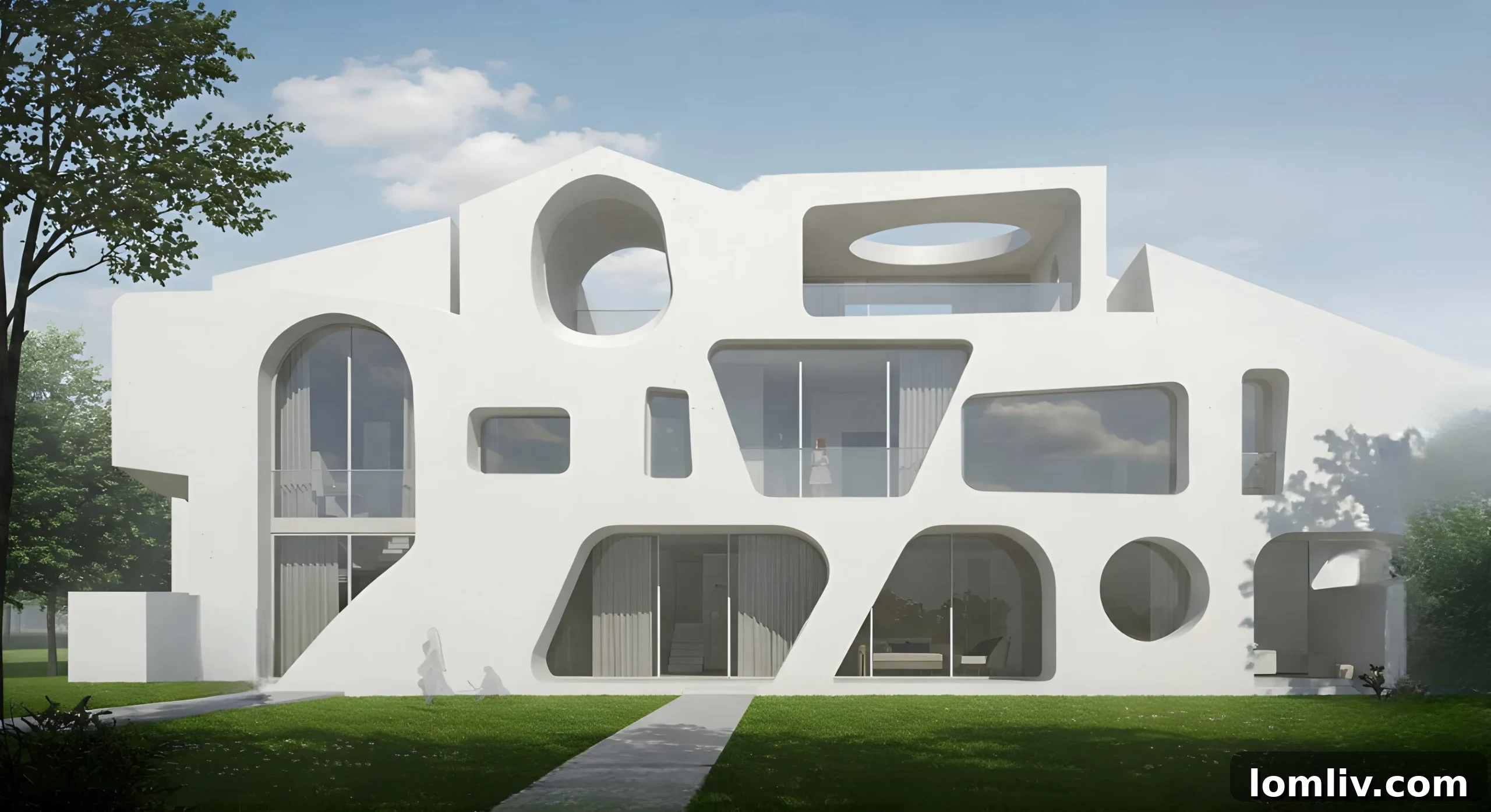
The essence of indoor-outdoor living lies in the unimpeded flow of space, and this is physically achieved through multiple, expansive access points around the home. Moving beyond traditional single doors or standard windows, the goal is to create openings that truly dissolve the barrier between inside and outside, allowing light, air, and people to move freely and effortlessly between zones.
Consider the impact of a modern sliding door system that, when fully opened, transforms an entire wall of your kitchen or living room into an open-air pavilion. This design marvel allows for seamless interaction, enabling you to entertain guests from a formal dining area inside while simultaneously connecting with an outdoor dining setup or a lively backyard gathering. These types of large format doors are a signature element in many contemporary Australian homes, offering unparalleled flexibility.
Beyond standard sliding doors, homeowners can explore various innovative options:
- Bi-fold doors: These doors fold back completely, creating a massive opening that virtually eliminates the wall. Ideal for connecting living rooms to patios, they offer a truly expansive feel.
- Stacker doors: Similar to sliding doors but with multiple panels that “stack” neatly behind one another, providing wider openings than conventional sliders.
- French doors: While more traditional, a series of French doors can still offer multiple points of access and a charming aesthetic.
- Servery windows: From the kitchen, a wide window that opens fully (e.g., bi-fold or sashless window) can create a pass-through to an outdoor bar or dining area, making entertaining incredibly convenient.
These diverse access points are crucial for a multi-faceted Australian lifestyle. They not only enhance the sense of spaciousness but also improve natural ventilation, allowing fresh breezes to circulate throughout the home. Furthermore, they provide flexible separation, giving you the choice to enclose your indoor spaces for privacy or comfort, or open them wide to embrace the outdoors, adapting your home to changing weather and social needs. The right choice of materials, often durable timber, aluminum, or thermally broken frames with double glazing, also ensures these access points stand up to the elements while maintaining energy efficiency.
3. A Deck or Patio as the Ultimate Outdoor Living Space
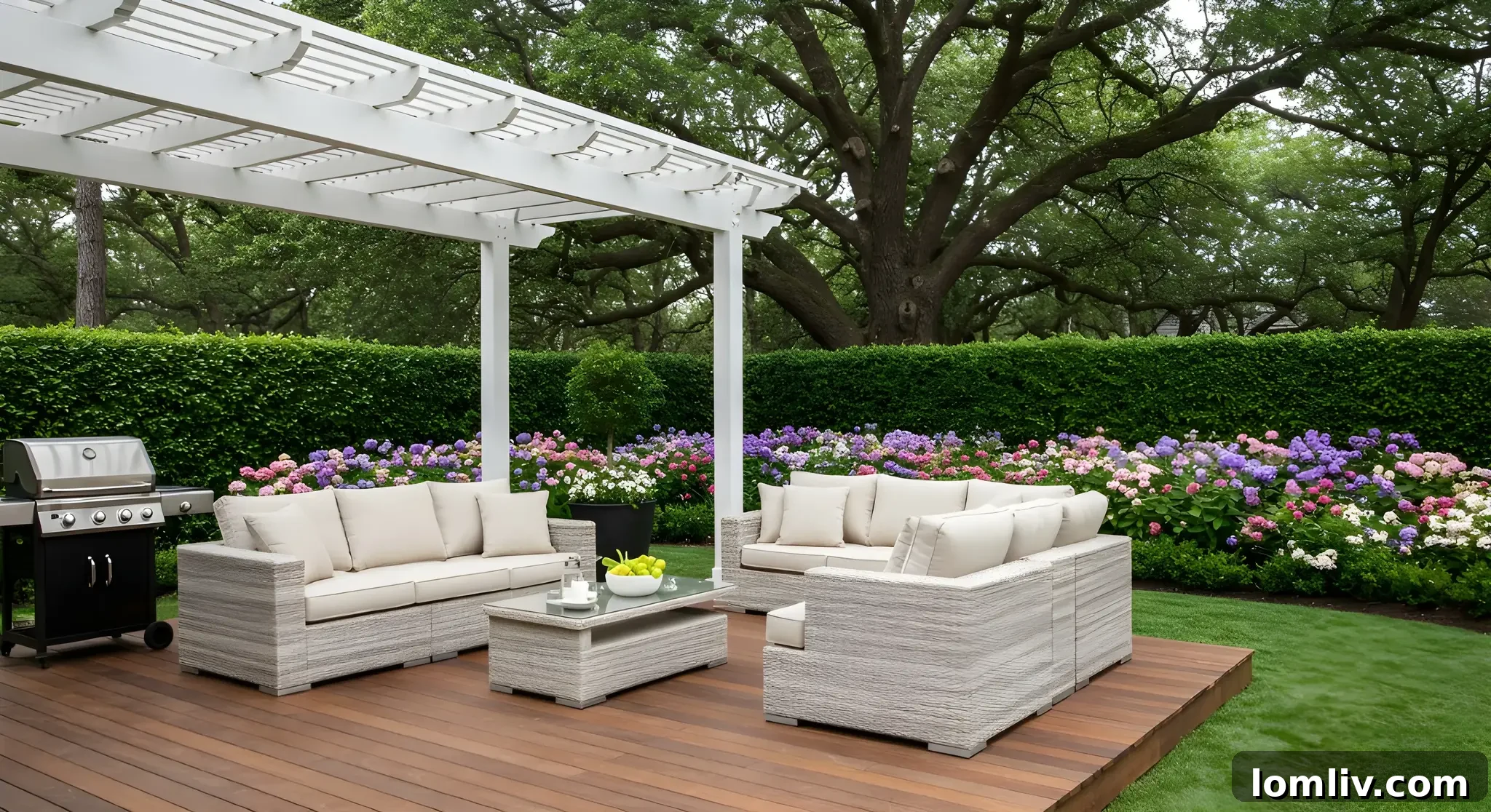
Regardless of whether you boast an expansive backyard or a compact urban courtyard, a well-designed deck or patio is fundamental to extending your home’s living space outdoors. This vital area acts as the primary bridge between your interior comfort and the invigorating exterior environment, effectively becoming an open-air room that can adapt to a myriad of functions.
This outdoor sanctuary can be meticulously designed to serve as a versatile living room, a charming dining area, or a vibrant entertainment venue perfect for hosting friends and family gatherings. Imagine an alfresco lounge where you unwind with a book, a sun-drenched dining space for weekend brunches, or a lively spot for evening cocktails under the stars.
For those fortunate enough to have a generous deck or patio, the potential for creative design truly expands. Just as you would inside your home, this external area can be thoughtfully divided into distinct zones to maximize functionality and enjoyment. Many Australian homeowners expertly craft a combined outdoor living and dining area, complete with comfortable seating, a substantial dining table, and even a dedicated outdoor kitchen. This integrated approach to design makes entertaining not only easier but far more enjoyable, allowing hosts to socialize while preparing meals without being separated from their guests.
When designing these spaces, consider materials that complement your home’s interior while standing up to the elements – timber, composite decking, natural stone, or paving are popular choices. Incorporating elements like pergolas, retractable awnings, or shade sails provides essential protection from the sun, making the space usable throughout the day. Thoughtful lighting, from ambient string lights to functional task lighting, ensures the area remains inviting and practical long after sunset, transforming your deck into a truly invaluable extension of your home.
4. Embracing the Open-Concept Lifestyle Outdoors
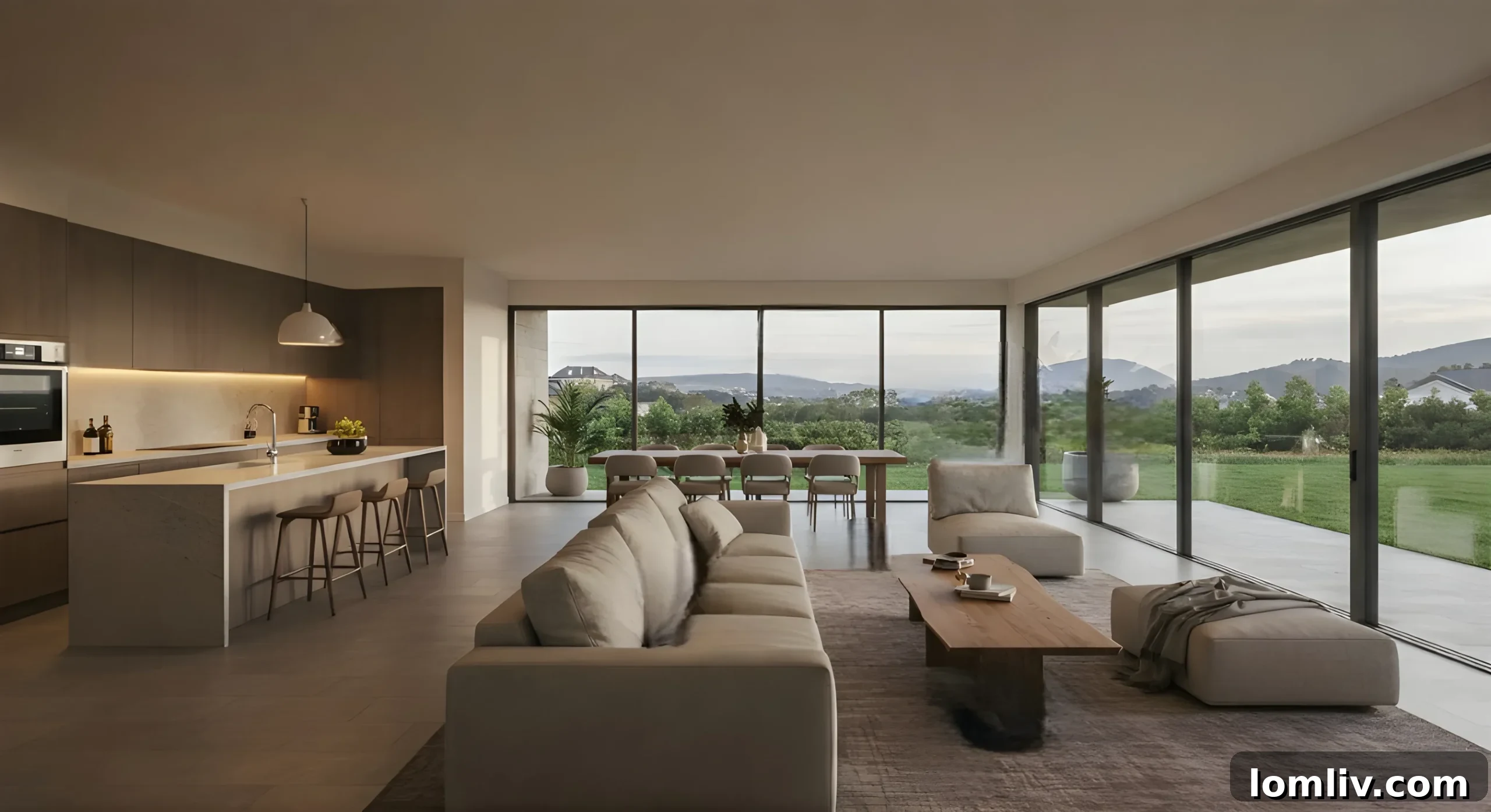
One of the most profound advantages of designing for indoor-outdoor living is the inherent ability to fully embrace an open-concept lifestyle. This architectural approach emphasizes large, shared spaces rather than compartmentalized rooms, fostering a sense of connectivity and spaciousness that transcends the physical boundaries of your home. By thoughtfully eliminating unnecessary walls and allowing interior spaces to flow effortlessly into exterior zones, you unlock a wealth of benefits.
This is particularly advantageous for properties with smaller footprints. The removal of internal walls and the seamless transition to outdoor areas can dramatically enhance the perception of size, making even modest homes feel considerably more expansive and airy. Natural light penetrates deeper into the core of the house, reducing the need for artificial lighting and further contributing to an open, uplifting atmosphere. Moreover, improved airflow and cross-ventilation create a healthier and more comfortable living environment, especially during warmer months.
The true genius of this design philosophy lies in its functional flexibility. Instead of rigidly defining spaces, you can strategically “move” traditional indoor functions outdoors to maximize your home’s utility. For instance, you might transform a conventional internal living room into an expanded kitchen and dining area, dedicating your primary lounging and social space to a beautifully appointed outdoor living room. With Australia’s generally fair and pleasant weather for much of the year, this allows for extended periods of enjoyment in the fresh air, turning your outdoor area into the true heart of your home.
This integrated open-plan approach also fosters greater social interaction. Whether you’re cooking indoors, dining on the patio, or relaxing in the garden, everyone feels connected and part of the activity. It’s a lifestyle choice that encourages a more relaxed, unhurried pace, inviting occupants to truly engage with their surroundings and make the most of every square meter of their property, blurring the lines between work, rest, and play.
5. Bringing It All Together with Cohesive Decor and Styling
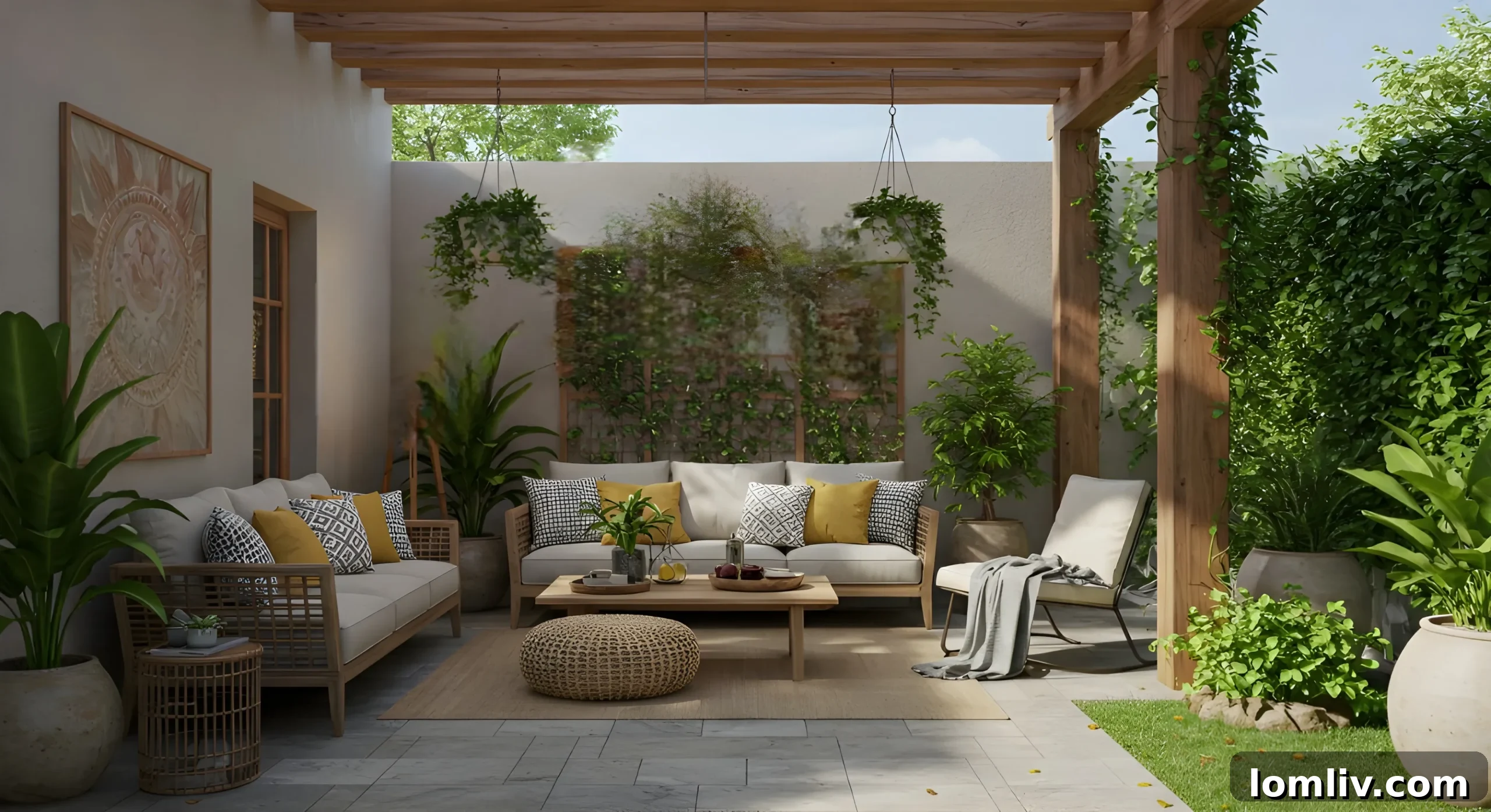
While architectural design lays the foundation for indoor-outdoor living, it’s the thoughtful application of cohesive decor and styling that truly unifies these spaces. The objective is to create a visual narrative that flows effortlessly from one zone to the next, preventing the interior and exterior from feeling like two distinct, disconnected environments. This seamless aesthetic ensures that your home exudes harmony and a well-considered design ethos.
One of the most effective strategies for achieving this cohesion is by selecting furniture, materials, and color schemes that complement each other across both areas. For example, opting for a neutral or earthy color palette indoors, perhaps with a comfortable beige sofa, and then extending these tones to your outdoor space with matching cushions, outdoor rugs, or even a similar style of rattan furniture on the patio, creates an immediate visual link. The repetition of textures—such as natural woods, woven materials, or smooth stone—also plays a crucial role in tying the areas together.
Beyond color and material, consider the overall style. If your interior embraces a modern minimalist aesthetic, ensure your outdoor furnishings reflect this clean-lined simplicity. Conversely, a bohemian interior might extend to a more eclectic and comfortable outdoor lounge. Accessories are powerful tools in this integration; think about incorporating similar throw pillows, blankets, and even decorative planters or artwork (weather-resistant, of course) in both spaces. Even the choice of indoor and outdoor lighting can be harmonized to create a unified ambiance, especially as day turns to night.
By consciously curating your decorative elements, you can craft an environment where the transition from living room to patio feels natural and inviting. This thoughtful attention to detail ensures that your indoor-outdoor home doesn’t just look good, but feels like a truly integrated, harmonious sanctuary, enhancing your enjoyment and the perceived value of your property.
Embrace the Australian Dream: The Value of Indoor-Outdoor Living
Creating a home that masterfully embraces indoor-outdoor living is more than just an aesthetic choice; it’s a strategic investment in your lifestyle and property value. Not only do you gain the profound daily pleasure of a more spacious, luminous, and nature-connected living environment, but you also significantly enhance your home’s appeal and market worth should you decide to sell in the future. This design philosophy resonates deeply with the quintessential Australian way of life, where enjoying the natural environment is paramount.
By integrating architectural elements, maximizing natural flow, defining versatile outdoor zones, embracing open concepts, and ensuring cohesive decor, you construct a home that truly breathes. It’s a space that adapts to your needs, facilitates effortless entertaining, and provides a continuous connection to the beautiful Australian landscape.
Are you ready to transform your home into an integrated sanctuary that celebrates the best of indoor and outdoor living? Whether you’re embarking on a new build or considering renovations, understanding these five key elements will guide you toward creating a space that is both functional and profoundly beautiful. Don’t hesitate to reach out to design and construction experts who specialize in this lifestyle. We’d be delighted to discuss innovative options, such as the perfect sliding doors or bespoke outdoor living solutions, to complete your future dream space and help you fully embrace the enriching experience of indoor-outdoor living.