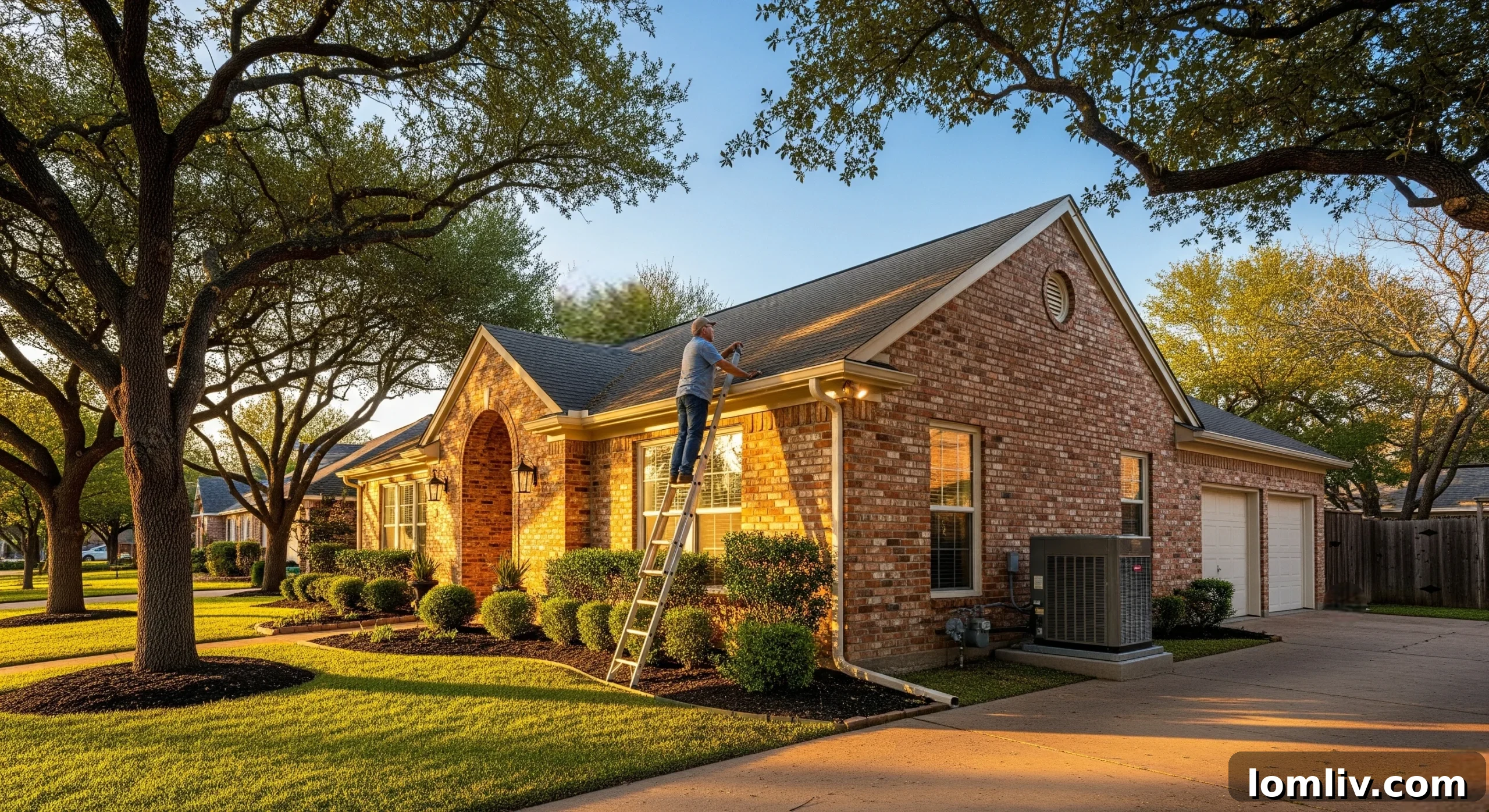
Every homeowner understands the delicate balance between enjoying their property and the responsibilities that come with it. That faint drip beneath the sink, the strange whirring from the attic, or the stubborn drain that just won’t clear – these small inconveniences can be easy to overlook in the hustle of daily life. Yet, as countless homeowners have learned, ignoring these minor signals is often a prelude to significant problems that can drain both your patience and your bank account. In an era where our homes are working harder than ever, serving as offices, schools, and sanctuaries, the importance of regular home inspections and proactive maintenance has become paramount. It’s not just about fixing what’s broken; it’s about preserving your investment, ensuring your family’s comfort, and safeguarding against future financial burdens.
The High Cost of Waiting: Why Timely Maintenance is Non-Negotiable
Homes, like everything else, age. But often, they do so at an accelerated pace due to a combination of factors. Relentless weather patterns, the continuous operation of modern appliances, and the recent shift towards working and learning from home all place unprecedented stress on your property’s intricate systems. Think about the added strain on your kitchen’s plumbing and ventilation with more home-cooked meals, or the continuous cycles of your HVAC system keeping everyone comfortable year-round. These daily demands mean that minor wear and tear, if neglected, quickly escalates into major malfunctions.
Beyond the immediate inconvenience, the financial implications of delaying repairs are substantial. The costs of construction materials have seen significant increases in recent years, and skilled labor is in high demand, driving up service charges. A small, manageable repair today could transform into a budget-breaking emergency project if left unattended for even a season. Early detection through routine checks empowers you to address issues when they are still minor and more affordable to fix, preventing them from metastasizing into extensive damage. This proactive approach not only saves money but also protects your property’s overall value, ensuring it remains a sound investment for years to come.
Uncovering Hidden Vulnerabilities: Don’t Overlook These Key Areas
Some of the most critical areas in your home are often the most neglected, simply because their issues aren’t immediately apparent. Consider your garage door, for instance. For garage door service Texas homeowners and those in similar climates, scheduling routine inspections before the onset of extreme weather is a shrewd move. A monthly habit of observing its smooth operation, checking for signs of rust on hinges and springs, or noting any hesitation in the opener’s function can avert a sudden, inconvenient, and costly breakdown. A failing garage door isn’t just a nuisance; it’s a security risk and a major disruption to your daily routine.
Beyond the garage, other often-forgotten spots include the attic, where insulation can shift, compress, or become damp, impacting your home’s energy efficiency and leading to mold. Loose roof shingles, often imperceptible from the ground, can lift in high winds, creating entry points for water. Outdoor faucets, seemingly innocuous, can harbor slow leaks that contribute to foundation damage or significant water waste. These small problems might seem minor initially, but they possess a dangerous snowball effect, leading to severe issues like extensive moisture damage, pervasive mold growth, structural compromise, and even pest infestations. Devoting a few minutes to routinely inspect these less-visible areas can prevent costly future repairs, safeguarding your home from unexpected and often overwhelming damage.
Plumbing Leaks: Silent Threats with Expensive Consequences
Water-related issues are arguably among the most destructive and expensive problems a homeowner can face, largely because water spreads rapidly and silently. A seemingly minor drip behind a wall can quickly compromise structural integrity, weaken flooring, and create the perfect breeding ground for hazardous mold. Modern homes are heavily reliant on complex plumbing systems for everything from washing and heating to daily cooking and sanitation. Any weakness or failure in this system can have cascading effects, impacting multiple areas of your house and potentially contaminating your living environment.
Being vigilant about your plumbing system is a simple yet effective preventative measure. Taking a few moments to listen for unusual sounds like dripping or gurgling, inspecting under sinks and around toilets for visible leaks or water stains, and paying close attention to changes in water pressure can provide early warnings of potential damage. Furthermore, extreme weather conditions place immense stress on both municipal water systems and private household pipes. Sudden cold snaps, for example, are notorious for freezing and cracking older or poorly insulated pipes, leading to catastrophic bursts. Proactive inspection and winterization of your plumbing system before the colder months arrive, and during periods of significant temperature fluctuation, is one of the most critical steps you can take to prevent property damage that often incurs thousands of dollars in repair costs.
Why Roof Inspections Are Non-Negotiable for Home Longevity
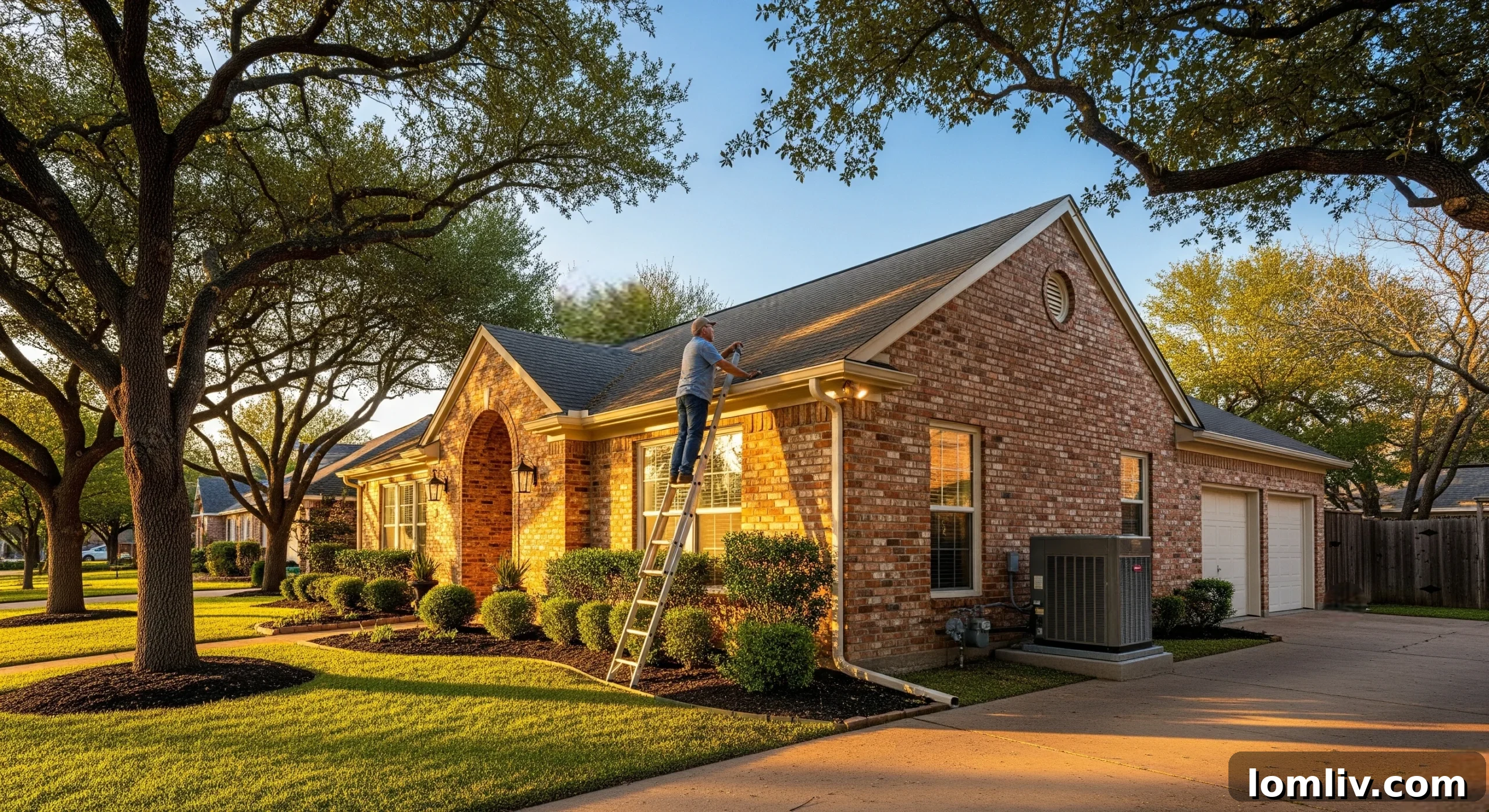
Roof repairs often intimidate homeowners due to their perceived complexity and cost, leading to dangerous procrastination. However, ignoring your roof’s condition makes everything else more difficult, from managing interior humidity to maintaining structural integrity. A single missing shingle, a tiny crack in a sealant, or a worn section of flashing might seem insignificant from the ground, but these seemingly minor vulnerabilities are prime entry points for water. Once water penetrates the roof membrane, it can silently travel through your attic, ceilings, and walls, causing extensive hidden damage before any visible signs appear inside your living space.
Given the increasing unpredictability and intensity of storm seasons across many regions, routine roof checks are no longer just recommended—they are absolutely essential. Many homeowners tragically discover a leak only after it manifests as a stain on their living room ceiling or a puddle on the floor. By this point, the repair often involves not just the roof itself but also significant interior remediation, making the project far more time-consuming and expensive. A simple, professional roof inspection, performed from both the exterior and interior (attic), can identify compromised areas early, allowing you to address issues proactively and prevent a devastating chain reaction of water damage throughout your home. This proactive approach extends your roof’s lifespan, protects your home’s structural integrity, and maintains its energy efficiency.
HVAC Systems: Your Home’s Unsung Hero Needs Consistent Attention
Your Heating, Ventilation, and Air Conditioning (HVAC) system is the silent workhorse that ensures your home remains comfortable regardless of the season. Because this intricate equipment is often tucked away in attics, basements, or utility closets, it’s easy for the “out of sight, out of mind” mentality to prevail until a critical failure occurs, bringing your comfort to an abrupt halt. However, neglecting your HVAC system has far-reaching consequences. Dirty air filters restrict airflow, forcing the system to work harder. Clogged coils reduce its ability to exchange heat efficiently, and blocked vents prevent conditioned air from reaching its intended destinations. This cumulative stress leads to several undesirable outcomes: significantly higher energy bills, a shorter lifespan for expensive components, and premature system breakdowns that are far more costly than routine maintenance.
The intensifying weather extremes witnessed across the country make regular HVAC checks even more critical, extending beyond mere comfort. Record-breaking summer temperatures and brutal winter freezes force systems to operate at maximum capacity for extended periods. A simple monthly ritual of checking and changing your air filter, scheduling a professional yearly tune-up, and ensuring all vents and returns remain unobstructed allows your system to run efficiently. This not only keeps your energy consumption in check but also prevents early replacement costs for a system that can be one of the most expensive components of your home. Consistent attention to your HVAC system ensures optimal performance, extends its life, and maintains healthy indoor air quality, ultimately contributing to your family’s comfort and well-being.
Small Electrical Checks Prevent Big Hazards
Electrical problems are notoriously insidious, often providing very little warning before escalating into dangerous situations. Perhaps you’ve noticed a light flickering intermittently, an outlet feeling unusually warm to the touch, or a faint, unidentifiable buzzing sound emanating from a wall. None of these might seem like a major concern at first glance, but they are frequently the earliest indicators that something is amiss within your home’s complex electrical wiring. Even newer homes are not immune; modern appliances can draw more power than anticipated, and frequently used outlets can loosen over time, creating hazardous connections.
Taking a few moments for some basic electrical checks can be a lifesaver. Visually inspect cords for fraying or damage, ensure you are using surge protectors and power strips safely and not overloading them, and periodically test Ground Fault Circuit Interrupter (GFCI) and Arc Fault Circuit Interrupter (AFCI) outlets. These simple actions can help you prevent far more serious issues, such as disruptive power outages, damage to sensitive electronics, or, most critically, an electrical fire. Our reliance on technology has never been greater. Remote work setups, advanced gaming consoles, an array of smart home devices, and multiple charging stations all place a substantial and continuous load on your home’s electrical system. Regular, attentive checks help you understand how your home handles this daily demand and can signal whether a professional electrical upgrade or assessment is needed before minor inconsistencies morph into major, life-threatening problems.
Building Better Habits: Your Path to Long-Term Home and Financial Security
Incorporating these essential home maintenance checks into your routine might initially feel like an added chore, but with consistent practice, they seamlessly integrate into your lifestyle, becoming a normal and beneficial habit. Many savvy homeowners find success by creating a simple, seasonal checklist that guides them through their property. This structured approach ensures that no critical area is overlooked and allows for systematic evaluation. Taking a dedicated walk-through of your home—both inside and out—helps you identify what requires immediate attention, what can be monitored, and what can be scheduled for future maintenance. This elevated level of awareness is invaluable; it empowers you to circumvent costly surprises, mitigate risks, and fosters a greater sense of control and confidence regarding your living space.
While smart home devices and advanced sensors offer valuable assistance—alerting you to potential leaks, significant temperature fluctuations, or unusual energy consumption—they are tools, not replacements for human observation. Technology enhances your ability to monitor, but a thorough, personal inspection remains irreplaceable. Regular checks are fundamentally about cultivating the ability to notice the small, subtle signs of trouble early on and addressing them promptly, long before they have the chance to escalate into overwhelming and expensive problems. This consistent, practical attention to your home’s well-being provides more than just financial savings; it offers unparalleled long-term comfort, peace of mind, and unwavering confidence. By diligently maintaining your property, you proactively avoid the stress and disruption of emergency repairs, and critically, you safeguard and enhance the value of the home you have worked so hard to build and cherish. It is the most reliable and sustainable strategy to keep your space safe, comfortable, and affordable for all the years to come.