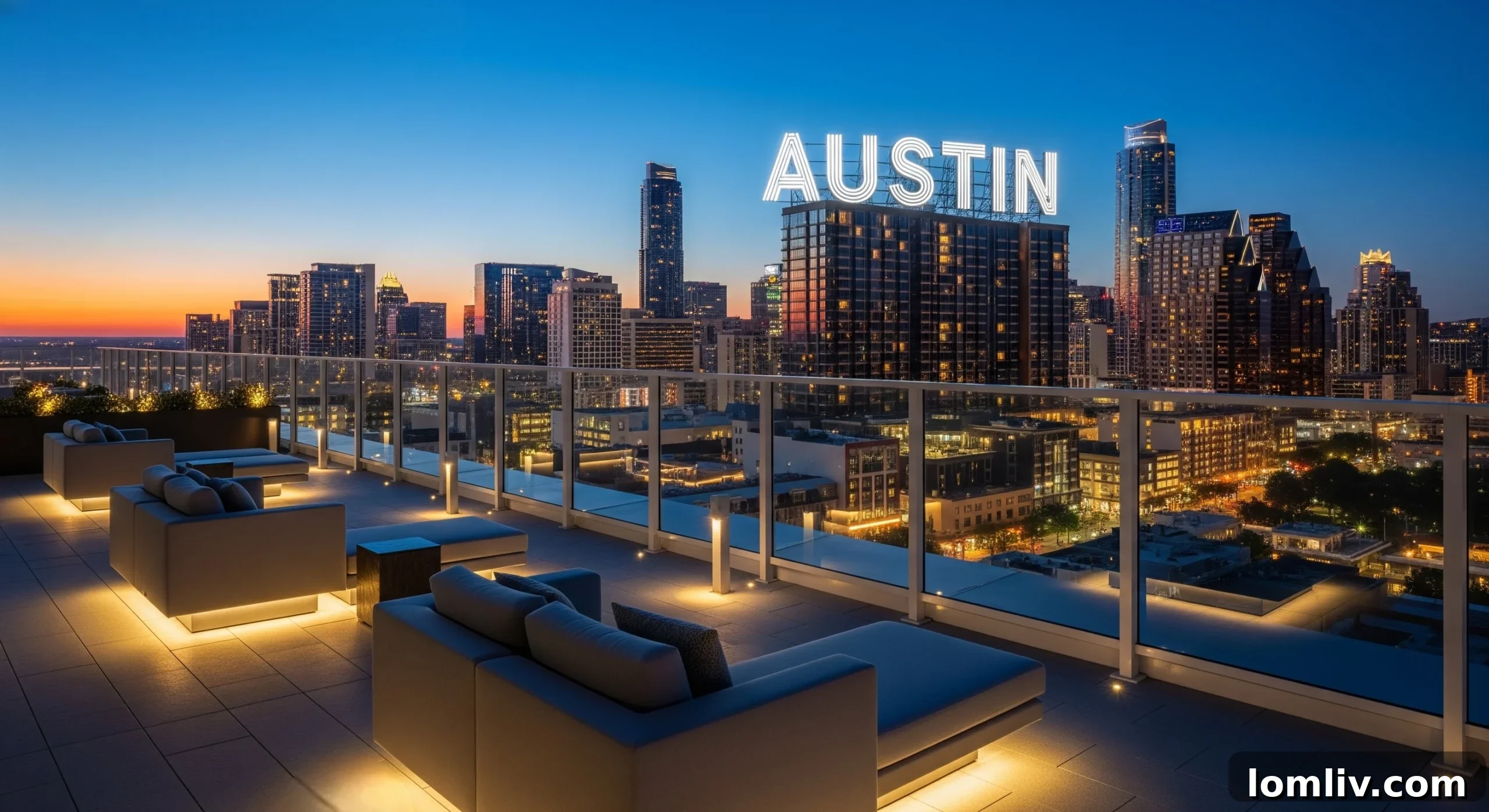
Austin, with its vibrant culture and beautiful natural landscapes, invites homeowners to embrace outdoor living. For many, this dream involves creating exceptional exterior spaces that serve as extensions of their custom homes. Among the most popular options are terraces and balconies, each offering unique advantages for leisure, entertainment, and enhancing property value. Imagine unwinding on a private balcony with a captivating book as the Texas twilight paints the sky, or hosting a lively gathering of friends and family on a sprawling terrace, bathed in the warmth of the Austin sun. These inviting outdoor havens significantly contribute to a home’s appeal, becoming cherished spaces for relaxation and social engagement.
While both terraces and balconies elevate a home’s aesthetic and functionality, they are often mistakenly used interchangeably. Though both serve as delightful outdoor extensions, their characteristics, construction, and ideal uses differ significantly. For custom homeowners in Austin, understanding these distinctions is paramount. Making an informed decision before embarking on construction will ensure the chosen feature perfectly aligns with your lifestyle, property layout, and long-term vision. This comprehensive guide will illuminate the features and differences between terraces and balconies, explore the critical factors to consider for your custom Austin home, and offer insights into optimizing these valuable outdoor residential spaces for maximum enjoyment and return on investment.
Decoding the Differences: Terrace vs. Balcony
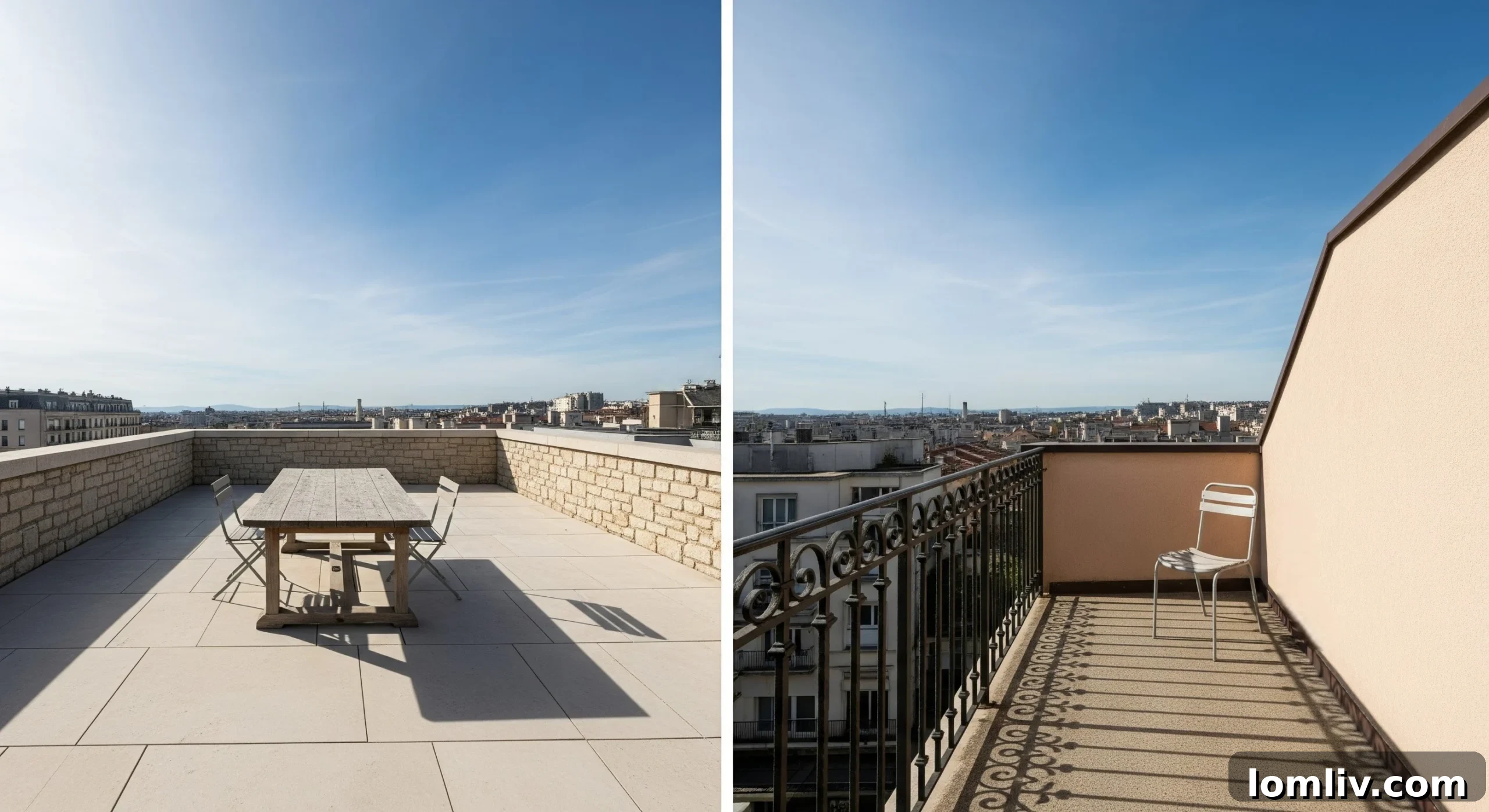
At their core, both terraces and balconies are cherished outdoor components of a residence, designed to connect occupants with the natural environment. However, their fundamental differences lie in their scale, structural integration, and primary function. A clear understanding of these distinctions is essential for any Austin homeowner planning a custom build or renovation.
The term “terrace” originates from the Latin word “terra,” meaning earth, and historically refers to a raised, flat area of ground. In architectural terms, a terrace is typically a large, open, flat platform, often paved with concrete, stone, or tiles. It can be directly accessible from the ground floor, extending seamlessly into the outdoor areas of a yard, or it can be a magnificent rooftop extension, offering panoramic views. Crucially, a terrace is characterized by its expansive open space and often exists at ground level or as a distinct, elevated platform, separate from the main living floors it might adjoin. It’s designed to feel like an outdoor room, a natural transition from the interior to the exterior, providing ample room for diverse activities.
Conversely, a “balcony,” derived from the Italian word “balcone” and popularized in the 17th century, is intrinsically linked to a specific room within the home. It is a projecting platform, typically enclosed by a railing, balustrade, or walls, and frequently features an overhead cover or awning. Balconies vary considerably in size, from a narrow Juliet balcony that offers just enough space to stand and enjoy the view, to larger, more functional extensions that can comfortably accommodate a bistro table and a couple of chairs. Unlike terraces, balconies are almost always elevated above ground level and are accessible solely through the room to which they are attached, making them intimate, private retreats rather than broad communal spaces.
Key Distinguishing Features for Austin Homeowners
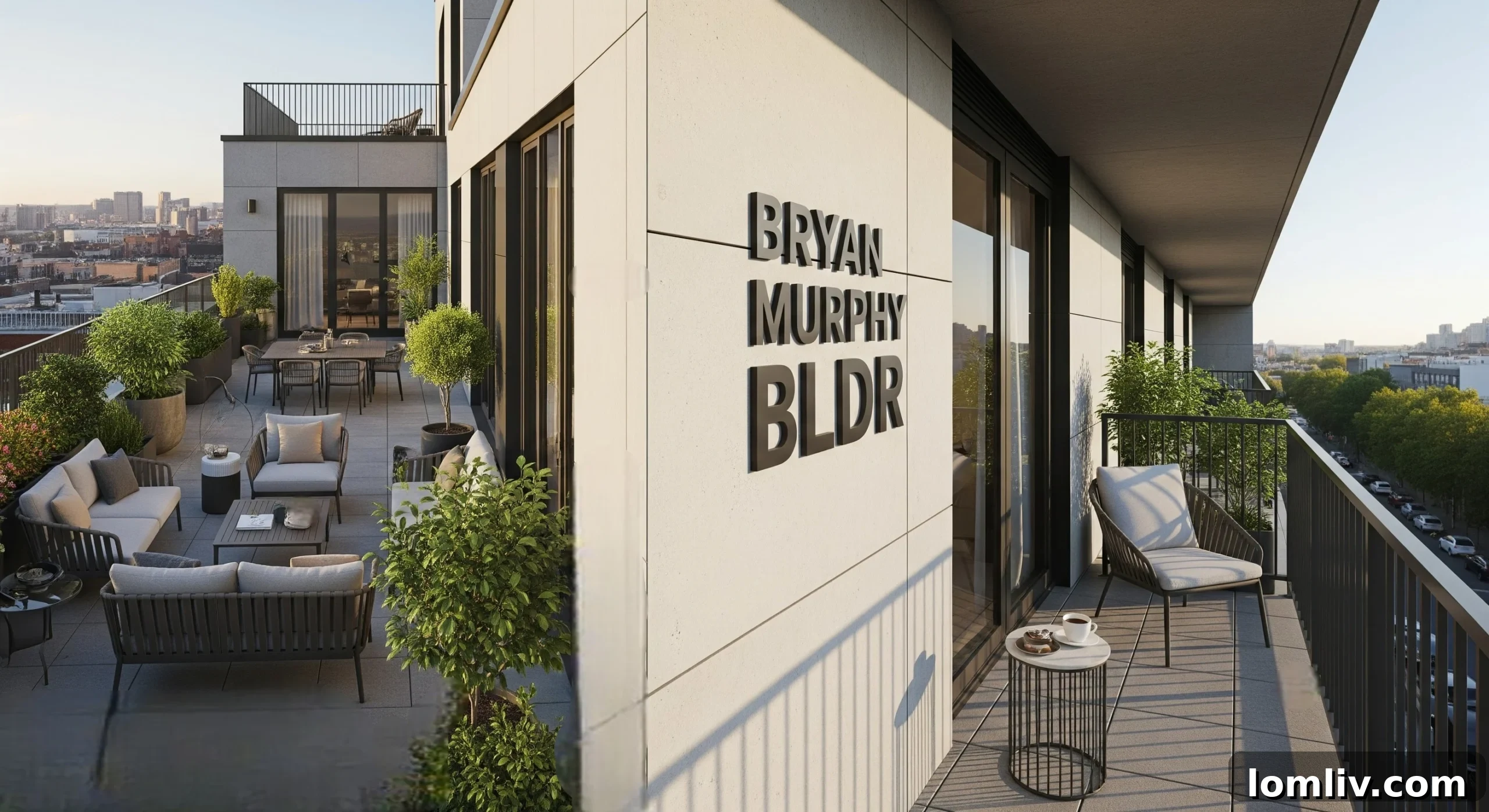
For custom homeowners in Austin, discerning the specific features that set terraces and balconies apart is crucial for both design conceptualization and practical construction planning. This knowledge empowers you to select the optimal outdoor addition that complements your home’s architecture, your lifestyle, and the unique characteristics of your property.
Location and Accessibility
The placement of a terrace offers remarkable versatility. A terrace can be an organic extension of your ground-floor living area, blending seamlessly with your backyard or garden. Alternatively, it can be a completely detached, raised platform in your landscape, acting as a focal point. Perhaps most impressively, rooftop terraces have gained immense popularity in Austin, transforming otherwise unused roof space into luxurious outdoor living areas. These are typically open spaces, often enclosed by sturdy railings or low walls on three sides, providing breathtaking cityscapes or natural vistas. Access to a terrace can be varied, from multiple entry points from the house to direct garden access, making it a highly communal and accessible space.
In stark contrast, a balcony is inherently attached to a specific room of your home, typically on an upper floor. It is designed as an immediate extension of that interior space, often featuring a shaded area and protective railing. While it might be on the same level as the adjoining room, or slightly elevated, its accessibility is always singular – exclusively through the room it serves. This makes balconies inherently more private and less open to general access compared to the expansive and multi-entry nature of a terrace.
Size, Scope, and Functionality
Size is arguably the most defining characteristic separating a terrace from a balcony. Terraces are renowned for their generous dimensions, providing ample square footage that unlocks a multitude of possibilities. Situated on ground level, in a garden, or atop a roof, these spacious platforms are ideal for grand-scale entertainment, hosting large family gatherings, or even establishing an elaborate outdoor kitchen and dining area. In eco-conscious Austin, a rooftop terrace with a vibrant garden becomes a sensible and sustainable choice, offering both aesthetic beauty and environmental benefits. The sheer space allows for diverse zoning – perhaps a lounging area, a dining zone, and a dedicated gardening corner – significantly enhancing your property’s overall living area and consequently, its market value and potential return on investment.
Balconies, by their very nature, typically offer a more confined space. They are often long and narrow or square-shaped extensions of individual rooms. While larger custom homes in Austin might feature more expansive balconies, their size is generally limited by the overall property footprint and architectural design. Despite their smaller scale, balconies are incredibly versatile. They are perfect for intimate settings: a cozy spot for morning coffee, a private yoga session, a compact herb garden, or a personal retreat to simply appreciate the Austin skyline or a quiet neighborhood view. The design flexibility, though less than a terrace, still allows for personalized touches that enhance the adjacent room.
Construction, Materials, and Aesthetic Design
The construction methods for terraces often involve building a separate, robust platform. Materials like durable concrete, elegant natural stone, weather-resistant tiles, or composite decking are commonly employed, chosen for their longevity and ability to withstand Austin’s climate variations. Terraces require solid foundations and careful grading, especially if they are ground-level, to ensure proper drainage and stability. Their independent structural integrity allows for greater design freedom in terms of shape and integrated features.
Balconies, conversely, are typically constructed as cantilevered extensions of the main building structure or supported by sturdy pillars or brackets. This integration requires meticulous planning to ensure structural integrity and seamless architectural blending. Materials for balconies often mirror the home’s exterior, incorporating railings made of wrought iron, glass, wood, or aluminum to complement the aesthetic. Given that both structures are perpetually exposed to environmental elements, including Austin’s intense sun, occasional heavy rains, and humidity, selecting moisture-resistant, durable, and low-maintenance materials is paramount. These materials should be impervious to dirt, grime, and the potential growth of mold and mildew. Engaging a reputable custom home builder in Austin, TX, like Bryan Murphy Builder, is highly recommended to ensure expert material selection, sound construction, and compliance with local building codes, guaranteeing both beauty and longevity.
Factors to Thoughtfully Consider Before Construction
Both terraces and balconies significantly enhance a custom home’s visual appeal and offer valuable outdoor living spaces. However, each comes with its unique set of advantages and potential drawbacks. Before committing to either, it’s essential for Austin homeowners to meticulously evaluate which option will provide the most significant benefits and best integrate with their property and lifestyle needs.
Advantages of Incorporating a Terrace in Austin
One of the most compelling advantages of a terrace, particularly in a vibrant city like Austin, is its expansive space and unparalleled versatility. Terraces are designed to be generously proportioned, allowing for a multitude of functions that truly extend your home’s living footprint. From sophisticated outdoor dining areas complete with built-in grills and pizza ovens, to tranquil yoga zones, or even elaborate gardening projects and rooftop vegetable patches, the possibilities are vast. This adaptability makes terraces perfect for social gatherings, large family events, or simply enjoying the Austin weather in comfort. For properties with limited yard space, a rooftop terrace can transform an underutilized area into a prized amenity, offering stunning views of the city or surrounding hill country.
Furthermore, terraces are highly sought after by prospective homebuyers in the Austin real estate market. If future plans include selling your property, a well-designed and maintained terrace will undeniably elevate its curb appeal, increase its market value, and attract a wider pool of buyers. The perception of added usable square footage, coupled with an attractive outdoor entertaining area, translates directly into a higher potential return on investment. In Austin, where outdoor living is deeply ingrained in the culture, a terrace represents a significant luxury and a smart long-term investment.
Potential Disadvantages of a Terrace
Despite their numerous benefits, terraces do come with specific considerations. The primary concern for many Austin homeowners is the substantial space requirement. While many properties boast ample outdoor areas, a standalone concrete or tiled structure can quickly consume valuable yard space, potentially making the exterior feel crowded or overwhelming, especially in more compact urban lots. Therefore, a careful assessment of your property’s dimensions and existing landscape is crucial to avoid an awkward or disproportionate design. Zoning regulations in Austin may also dictate specific setbacks and coverage limits, which must be thoroughly investigated before planning.
Another significant factor is the cost. Constructing a large, robust, and often independently structured terrace is undoubtedly a considerable investment. The expense involves not only materials and labor but also potential architectural design fees, foundation work, and landscaping integration. Homeowners must meticulously review their budget and conduct thorough financial planning before embarking on terrace construction to ensure it aligns with their financial capabilities and provides the desired value.
How a Balcony Adds Unique Value to Your Austin Property
Balconies offer an excellent solution for Austin homeowners who desire an outdoor retreat but face limitations in terms of space or budget. They provide convenient access to fresh air and often scenic views without demanding a large footprint. If your property doesn’t have enough room for an expansive terrace, or if you prefer a more intimate connection with the outdoors from a specific room, opting for a strategically placed balcony is often a smarter and more cost-effective choice. Balconies excel at creating private, personalized spaces. Imagine stepping out from your master bedroom onto a cozy balcony to enjoy a tranquil morning, or adding a small Juliet balcony to a guest room for an elegant architectural touch and a breath of fresh air. They enhance the utility and appeal of individual rooms, providing residents with their own personal outdoor sanctuary.
Moreover, balconies can be a visually striking architectural feature. They can break up a monotonous facade, add depth and character to a home’s exterior, and contribute to a more sophisticated aesthetic. Different styles, such as cantilevered, recessed, or stacked balconies, offer diverse design possibilities that can significantly elevate the overall architectural language of your custom home in Austin, often with a lower impact on your overall construction budget compared to a large terrace.
Challenges and Considerations Associated with Balconies
While highly appealing, balconies also present certain limitations and concerns. Their primary drawback is their size, which inherently restricts their capacity for large social gatherings. While many balconies can comfortably accommodate a small bistro set for two or four people, they are generally not suitable for hosting bigger parties or events that a terrace could easily handle. They are best suited for more personal and intimate activities, such as reading, enjoying a quiet meal, or practicing meditation.
Another crucial concern, especially for families, is safety. Since balconies are situated above ground level, they pose inherent risks, particularly for young children and pets. The railing height and design must strictly adhere to safety codes to prevent falls. If children are present in the household, careful consideration must be given to potential hazards; inquisitive youngsters might attempt to climb railings, significantly increasing the risk of accidents. For this reason, homeowners with young children might need to reconsider adding a balcony, or invest in extensive safety measures, such as child-proof gates and vigilant supervision, to mitigate these risks effectively. Privacy can also be a concern, depending on the balcony’s proximity to neighboring properties, necessitating strategic design choices like privacy screens or dense plantings.
The Bottom Line: Making the Right Choice for Your Austin Custom Home
Both balconies and terraces offer compelling advantages, each capable of profoundly enhancing the aesthetics, functionality, and overall living experience of your Austin residence. Whether you envision expansive gatherings under the Texas sky or quiet moments of solitude with panoramic views, investing in a well-designed outdoor extension is a decision that adds significant value and enjoyment to your custom home. The choice between a terrace and a balcony, however, is not merely about preference; it involves a careful assessment of your property’s unique characteristics, your lifestyle aspirations, budget constraints, and long-term goals.
Determining which option is the perfect fit for your custom Austin home can be a complex decision, often requiring expert insight. Therefore, it is highly recommended to consult with a seasoned custom home specialist or architect in Austin. These professionals possess invaluable local knowledge regarding zoning regulations, climate considerations, material selections, and design trends. They can provide tailored suggestions, evaluate your specific site conditions, and help you navigate the nuances of construction to ensure your chosen outdoor space not only meets but exceeds your expectations, seamlessly integrating with your home’s architecture and enhancing your Austin lifestyle for years to come.