Colleyville Stands Firm: Developers Denied Third Time in Contentious Tree Preservation Battle
In a significant victory for community green space and environmental advocacy, WillowTree Custom Homes faced its third consecutive denial from the Colleyville City Council regarding a contentious rezoning request. The developer’s persistent efforts to transform a sprawling 14-acre tract of native forest into a high-density residential development have been met with unwavering opposition from local residents, who are fervently committed to safeguarding Colleyville’s irreplaceable urban canopy.
The December 19 council meeting in Tarrant County’s Colleyville brought to the forefront a deeply rooted conflict between development aspirations and the preservation of natural heritage. Residents living adjacent to the proposed WillowTree development site rallied together, articulating powerful arguments against the construction of multimillion-dollar homes, emphasizing that such a project would inevitably lead to the destruction of vital “heritage trees” and a precious urban forest – an area they believe should remain protected for its ecological and community value.
Despite a revised proposal from WillowTree Custom Homes that aimed to reduce the number of planned residences from an initial 19 to nine, and a pledge to designate over 5 acres of the native forest for preservation, the Colleyville City Council remained resolute. This marks the third time since February that the council has rejected WillowTree’s rezoning request, signaling a strong commitment to environmental stewardship and heeding the community’s impassioned pleas.
The Core of the Dispute: Rezoning and Environmental Impact
The central issue revolved around the developer’s application to rezone the property located at 2417 Wilkes Drive. The current zoning, a blend of agricultural and residential estate, allows for lower-density development, which aligns with the area’s natural character. WillowTree sought to change this to higher-density residential zoning, a move that would pave the way for more intensive construction and fundamentally alter the landscape. As reported by The Fort Worth Report, this proposed change was the catalyst for the ongoing friction.
While the council’s repeated denials offer a temporary reprieve for the trees, some city leaders have voiced concerns about the long-term efficacy of this approach. Mayor Bobby Lindamood, as quoted by The Fort Worth Report, highlighted a critical regulatory dilemma. He raised doubts about the city’s ability to effectively enforce tree preservation ordinances if the land remains under agricultural zoning. This concern stems from recent legal uncertainties surrounding a new Texas constitutional amendment that protects the “right to farm.”
According to an article by Haley Samsel, Mayor Lindamood explained, “If the landowner wanted to, he could begin cutting down trees less than 10 caliper-inches wide tomorrow under the current ordinance.” This statement underscores a significant loophole: under the existing agricultural zoning and the new constitutional amendment, a landowner might have the legal grounds to clear portions of their land without needing extensive city approval, potentially undermining the very goal of tree preservation that the council’s denial sought to achieve. This legal grey area presents a complex challenge for city officials striving to balance property rights with environmental protection.
The Battle Cry: Save Colleyville Trees
The community, however, holds a different perspective. More than 300 residents submitted letters of opposition, and the grassroots organization Save Colleyville Trees has become a powerful voice in the debate. They firmly believe that the current zoning does not adequately protect the ecosystem and estimate that over 1,000 mature trees are at imminent risk from any form of high-density development.
A compelling five-minute video prominently featured on the Save Colleyville Trees website captures the essence of their fight. In it, a Colleyville resident passionately states, “Here sits 15 heavily wooded acres of cross timbers forest. A Southlake developer wants to tear down the trees and build 19 McMansions on this site. Please help us save this forest and stop the rezone.” This emotionally charged appeal encapsulates the community’s fear of losing not just trees, but a vital piece of their natural heritage and neighborhood character.
Beyond simply preventing development, residents have also proposed creative alternatives. One nearby resident suggested an innovative approach that could benefit the entire community: extending Parr Park to connect with Kimzey Park. This vision would create a vast, contiguous green space, offering recreational opportunities and environmental benefits for all Colleyville residents, rather than merely allowing “nine multimillionaires” to enjoy a private, exclusive green space. This suggestion highlights a desire for shared community assets over private luxury development.
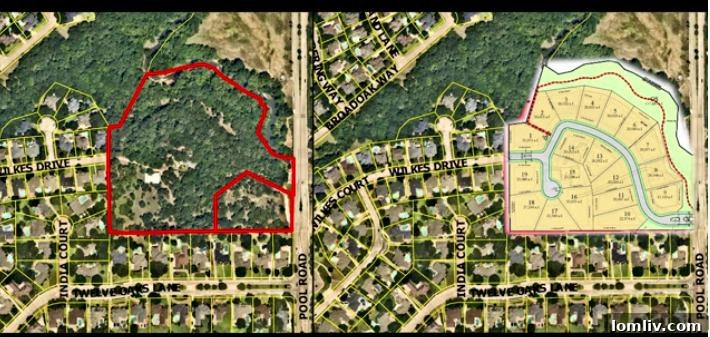
The Colleyville City Council’s decision to deny the WillowTree proposal was made “without prejudice.” This crucial caveat means that while the current plan was rejected, developers retain the option to revise their proposal and resubmit it for consideration. This leaves the door open for a potential fourth attempt, indicating that the tree preservation battle in Colleyville is likely far from over.
The Broader Significance: Why Urban Forests Matter
The struggle in Colleyville is not an isolated incident; it mirrors a growing national conversation about the critical importance of urban forests and green infrastructure. Trees in urban environments offer a multitude of benefits that extend far beyond aesthetics, contributing significantly to a city’s economic, environmental, and social well-being.
Environmentally, urban trees act as natural air purifiers, absorbing pollutants and releasing oxygen. They combat the urban heat island effect by providing shade and transpiring water, leading to cooler temperatures. Trees also play a vital role in stormwater management, reducing runoff and improving water quality. Ecologically, they provide essential habitat for urban wildlife, contributing to biodiversity within city limits.
Economically, a healthy tree canopy enhances property values, attracts businesses, and encourages tourism. Shaded streets and public spaces can reduce energy consumption for cooling and create more appealing environments for shoppers and pedestrians. Socially, urban forests improve public health by encouraging outdoor activity, reducing stress, and fostering a sense of community pride and connection to nature. Preserving “heritage trees” and urban forests, therefore, is not merely about saving individual plants, but about protecting a fundamental component of a sustainable, livable, and prosperous community.
Learning from Dallas: Pioneering Tree Preservation Strategies
The challenges Colleyville faces are not unique, and other North Texas cities, like Dallas, have developed proactive tools to protect their urban tree canopy. The experience of Dallas offers valuable insights into how communities can safeguard their natural assets against the pressures of urban expansion.
Dallas city leaders have increasingly emphasized the importance of trees, recognizing their multifaceted contributions to economic development, environmental health, and the distinctive character of its neighborhoods. This recognition has led to the implementation of specific policies designed to protect and expand the city’s green infrastructure.
Dallas’s Neighborhood Forest Overlay (NFO): Empowering Communities
One of Dallas’s most innovative tools is the Neighborhood Forest Overlay (NFO), which was approved by the Dallas City Council in 2019. This forward-thinking ordinance empowers individual neighborhoods to petition the city for a specific set of regulations tailored to their area, designed to protect and enhance their local forest canopy. Under an NFO, developers planning new construction or site clear-cutting face stricter regulations. They may be prohibited from removing certain trees or required to navigate a rigorous permitting process that ensures tree preservation and, if removal is necessary, mandates comprehensive replanting or mitigation efforts. This proactive measure provides a robust framework for communities to take ownership of their green spaces and prevent rampant deforestation due to development.
Historic Tree Designation: Valuing Nature’s Heritage
In addition to the NFO, Dallas offers a “historic tree” designation program, recognizing individual trees or groves of trees for their exceptional cultural or historical significance. This designation, granted by a resolution of the City Council, elevates the protection status of these natural landmarks. Once designated, these trees can only be removed under stringent conditions, typically requiring further City Council approval or in cases of demonstrable public safety hazards. This program aligns with the broader efforts of the Texas A&M Forest Service, which also facilitates a process to designate “big trees” or “champion trees” across the state, acknowledging their ecological grandeur and historical value.
A recent testament to Dallas’s commitment occurred in October, when the City Council voted to designate 86 trees as “historic.” This impactful decision underscores the city’s dedication to preserving its natural heritage. Among these newly protected natural monuments are iconic specimens such as the majestic Big Spring bur oak, a significant grove of trees nestled within the historic Dealey Plaza, a collection of 35 venerable post oak trees at Pioneer Plaza Park, a culturally important Cherokee Park tree located at Dallas Heritage Village, the unique California Crossing Comanche Marker tree, and the impressive Moore Park Big Tree Grove. These trees serve not only as ecological assets but also as living links to Dallas’s rich history and cultural identity.
The Path Forward for Colleyville and Beyond
The recurring denials of the WillowTree Custom Homes rezoning request in Colleyville highlight the intensifying friction between urban development pressures and the imperative of environmental conservation in rapidly growing regions. The Colleyville community’s persistent advocacy underscores a fundamental desire to protect its unique natural heritage, demonstrating that residents are increasingly willing to mobilize and make their voices heard against development projects perceived as detrimental to their quality of life and ecological well-being.
While the immediate battle centers on the Wilkes Drive tract, the broader implications for Colleyville and similar communities are clear. There is a pressing need for municipalities to develop robust, legally sound, and comprehensive strategies for tree preservation and greenspace protection. Dallas’s Neighborhood Forest Overlay and Historic Tree Designation programs offer potential blueprints for Colleyville to consider, providing proactive mechanisms that empower communities and mitigate the impact of development while fostering sustainable growth.
The “denied without prejudice” decision means the developer may return with a revised plan. This ongoing saga in Colleyville serves as a potent reminder that the dialogue between developers, city planners, and residents must evolve towards solutions that prioritize balanced growth—growth that respects and integrates with the existing natural environment, ensuring that future generations can also benefit from the invaluable urban forests we strive to protect today.