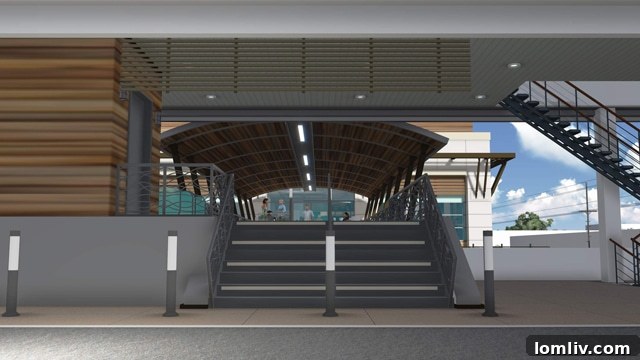
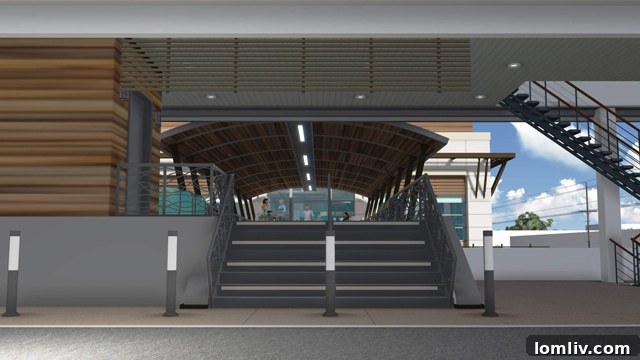
The urban landscape of Dallas is constantly evolving, and few areas embody this dynamic change as much as Preston Center. A recent proposal by Crow to construct a sky bridge connecting to the second floor of the Preston Pavilion has ignited a fervent discussion among residents, business owners, and city planners. This planned development, while aiming to enhance convenience, raises significant concerns about its potential impact on traffic, parking, and the overall character of this vital Dallas hub. To gain a deeper understanding of these complex issues, we delved into the heart of the matter, exploring the proposed changes and their far-reaching implications.
Unpacking the Preston Center Sky Bridge Proposal
The vision of a sky bridge connecting the second level of the Preston Center parking deck to the Preston Pavilion aims to streamline pedestrian access, particularly in conjunction with a potential new grocery store. However, the path to progress is rarely without its challenges, and this proposal has brought to light a multitude of intricate urban planning and community concerns. To truly grasp the gravity of the situation, we turned to one of the most knowledgeable voices in the area: Rick Williamson, president of the Crosland Group. With years of experience working in Preston Center, and an office overlooking the very parking garage in question, Rick possesses an unparalleled understanding of the area’s traffic patterns and development needs.
Rick Williamson’s insights are not merely professional; they are deeply personal. Having worked tirelessly within Preston Center for years, he and Luke Crosland have long envisioned comprehensive improvements for the existing parking garage. His daily routine involves navigating the very streets that are the subject of this debate, driving through traffic to meetings, visiting properties, and commuting home. This firsthand experience grants him a unique perspective on the area’s intricate daily flow. More poignantly, Rick’s personal connection to the traffic situation became undeniable last October when he sustained multiple injuries after being run over as a pedestrian on Westchester Drive. This incident, just two weeks before his wedding, underscores the urgent need for robust pedestrian safety measures and highlights the existing challenges posed by aggressive driving behaviors, such as backing up on one-way streets, competing for scarce parking, and hasty maneuvers around delivery trucks – behaviors he, like many others, observes daily.
The Holistic View: Traffic Impact and Beyond
According to Rick, the proposed sky bridge’s impact extends far beyond simple connectivity. He stresses the critical need for the City of Dallas to evaluate this development through a holistic lens, considering all its ramifications on Preston Center. The introduction of a new grocery store, while seemingly beneficial, carries a significant hidden cost. While a grocery store is a permitted use within the space, Rick questions its overall value to the broader Preston Center ecosystem. He argues that most shoppers do not typically combine grocery runs with browsing for luxury items like luggage, jewelry, or clothing, especially with perishable goods in their vehicles. His primary objection centers on the deliberate diversion of traffic from Douglas Avenue directly into the internal, highly pedestrian-friendly core of Preston Center, an area ill-equipped to handle a substantial increase in vehicular volume.
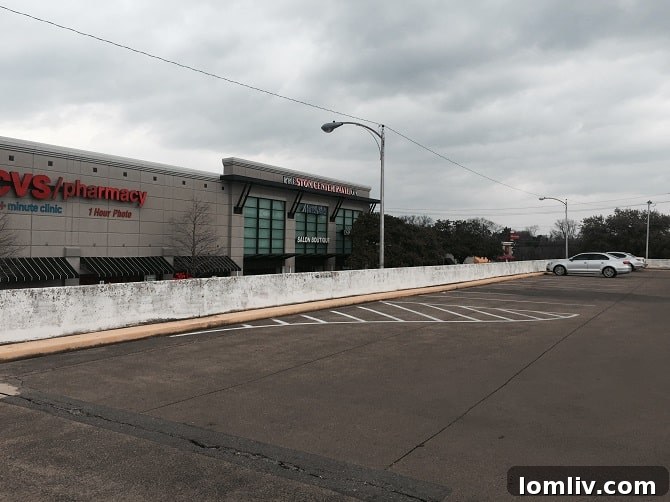
The sheer volume of additional traffic is a central concern. City of Dallas briefing materials indicate an increase of anywhere between 2,700 and 4,400 cars per day directly impacting Westchester Drive and other internal streets. When measured in “trips” – accounting for both arrival and departure – these figures effectively double. Even conservative industry estimates from the Food Marketing Institute suggest a minimum of 2,200 additional cars daily. This translates to an alarming rate: a new car added to Westchester Drive every 23 seconds, from 8 AM to 10 PM, 365 days a year. Such an influx would undeniably strain the existing infrastructure, leading to increased congestion, longer commute times, and a diminished quality of life for those who frequent or reside in the area.
Parking Predicament: A Shrinking Supply for Growing Demand
Beyond traffic congestion, the sky bridge and associated developments present a severe threat to Preston Center’s already strained parking capacity. Rick Williamson points out two critical ways in which parking will be negatively affected. First, the physical number of parking spaces within the deck will decrease. Spaces must be removed to accommodate the sky bridge connection, dedicated cart corrals, a newly proposed elevator, and the additional handicap parking mandated by code. While some suggest creating more compact spaces, Rick sarcastically notes that grocery shoppers rarely arrive in Smart cars, implying that such a solution is impractical and insufficient. This reduction in spaces is a direct blow to an area where parking is already a premium.
The second major impact comes from the grocery shoppers themselves. A 50,000 square-foot grocery store is typically required to provide 250 parking spaces by code. This number alone represents more than half of the top level of the existing parking deck. Currently, the deck is at full capacity daily between 11 AM and 2:30 PM. Only before 9 AM and after 4:30 PM does it have the potential to absorb additional parking demand. The top level of the deck has historically served as crucial parking for employees of the retail businesses surrounding the deck, while the lower level enforces a three-hour limit. Displacing these employees and existing shoppers will create a cascading effect, pushing parking demand onto already crowded streets and inconveniencing local businesses and their patrons.
Rethinking Design: The Grocery Store Dilemma
The conversation naturally leads to alternative solutions for the grocery store’s layout and traffic management. When confronted with the developer’s claim that grocery carts would “spiral downwards” due to the steep slant if traffic were kept in the rear parking lot off Douglas Avenue, Rick offers a pragmatic counterpoint. He suggests that if cart management is such an insurmountable problem, then a grocery store or any “shopping cart required” use might simply not be an ideal fit for that specific location and orientation. Alternatively, he proposes that the grocer invest in specialized shopping carts equipped with brakes, a common solution in many multi-level retail environments.
The core of the issue, Rick explains, lies in the grocery store’s desire to face Westchester Drive, which forces its rear to face their garage. One cannot simply enter a grocery store through the freezer. Furthermore, he observed that the last plan for the newly striped parking deck included cart corrals at the top of the ramps, ironically placing them in a position where they could easily roll down into the already bustling Preston Center traffic, exacerbating safety concerns for pedestrians and motorists alike.
Beyond Cosmetic Fixes: The Need for Comprehensive Planning
The developer has proposed $1.1 million in garage improvements in exchange for the sky bridge. However, Rick Williamson firmly believes that such cosmetic enhancements will not fundamentally alter the dire parking situation or improve the overall impression of the area. His concern aligns with the ongoing Land Use Study, spearheaded by Councilmember Jennifer Gates and representatives from various stakeholders within and around Preston Center. This study is designed to analyze a static area, allowing for thoughtful, long-term planning, rather than reacting to an “ever-changing landscape.”
Rick emphasizes that the parking deck area is a “jewel in the crown” for this comprehensive study. It must remain unencumbered by piecemeal developments until the study is complete. This overarching goal has brought together diverse interests for the first time, all striving to globally resolve the complex traffic, visual, infrastructure, and development issues plaguing Preston Center. The aim is to find innovative ways to connect the commercial area to the surrounding single-family neighborhoods, ensuring a harmonious and functional urban environment for all.
Regulatory Roadblocks and Structural Concerns
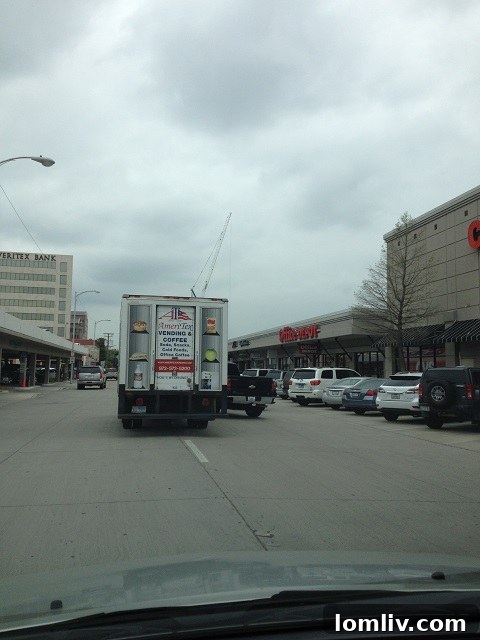
Delving into the structural aspects of the sky bridge, Rick Williamson points out several potential conflicts with established City of Dallas regulations. He notes that the plans submitted to the City indicate support columns for the sky bridge would be placed in the sidewalk and a parking space directly in front of the Pavilion. Critically, these supports would also extend into the middle of the narrow sidewalk running under the deck along Westchester Drive, potentially forcing pedestrians into the street to navigate around them. This design approach, Rick explains, allows the sky bridge to be self-supporting, technically avoiding “attachment” to the deck. However, such columns in City right-of-way are generally not permitted by Dallas ordinances.
Furthermore, the proposed sky bridge appears to violate several other crucial city codes. The plans indicate a width of 60 feet, significantly exceeding the typical limit of 20 feet. Its proposed height of 14 feet off the ground falls short of the required 18 feet for such structures. Additionally, the sky bridge is intended to connect to a building at an angle greater than 30 degrees, another deviation from established guidelines. These are not minor infractions; these are all significant variances that the proposed sky bridge requires from the City of Dallas, highlighting a potential precedent-setting challenge to urban planning standards.
A Vision for Preston Center’s Future
The conversation concludes with a forward-looking perspective on potential improvements for the Preston Center parking garage and the area as a whole. While the Preston Center West Parking Corp. is empowered only to manage the parking deck – providing security, maintenance, utility service, and insurance on behalf of the City of Dallas – the ultimate rights to use the deck are vested in the individual property owners surrounding it. Therefore, any substantial changes require the consensus of these owners, not just the parking corporation.
As a developer himself, Rick Williamson envisions a transformative future for Preston Center. He advocates for the integration of residential uses to create a vibrant, 24-hour presence, which would not only bolster retail businesses but also inherently reduce overall traffic by fostering a more walkable community. He dreams of incorporating public green space to augment the mere six trees currently adorning Preston Center, improving the area’s aesthetic appeal and environmental quality. Better internal circulation for the garage, rather than relying on surrounding streets, is another key improvement he champions. However, Rick emphasizes his commitment to participating in the ongoing Land Use Study, allowing community consensus to guide the determination of the “best use” for this critical asset. This could manifest as innovative solutions like a park with underground parking or other unforeseen possibilities. He firmly believes that the parking deck is one of the greatest assets owned by the City of Dallas, and it must be developed to its ultimate best use for the enduring good of Preston Center and the welfare of the entire city.
The debate surrounding the Preston Center sky bridge proposal underscores a fundamental tension between development ambitions and community preservation. As Dallas continues to grow, careful, comprehensive urban planning, informed by expert insights and community engagement, is paramount. The future of Preston Center hangs in the balance, and the decisions made today will shape its character for generations to come, impacting everything from daily commutes to the vibrancy of its retail landscape and the safety of its pedestrians. It is a call for a vision that prioritizes long-term sustainability and the holistic well-being of this vital Dallas neighborhood.