

Navigating the 2023 Dallas City Council and Mayoral Elections: A Comprehensive Guide
The political landscape of Dallas is buzzing with anticipation as the city prepares for its crucial municipal elections on May 6th. Voters will head to the polls to decide the fate of fourteen Dallas City Council seats and the highly contested mayor’s gavel. This election cycle marks a significant moment in Dallas politics, being the first to unfold under the city’s newly redistricted city council district boundaries, a change that promises to reshape local representation and influence the city’s future trajectory for years to come.
The process of filing candidate paperwork officially commenced today at the city secretary’s office, signaling the start of a robust campaign season. Potential candidates have a critical window to throw their hats into the ring, with a firm deadline of February 18th to submit their applications. As incumbent politicians weigh their options and new faces emerge, understanding the structure of these elections, the implications of redistricting, and the key races to watch becomes paramount for every Dallas citizen.
Dallas’s nonpartisan municipal elections are designed to elect representatives who are deeply embedded in their communities. City Council members serve two-year terms, representing the specific district in which they reside. The mayor, on the other hand, holds a four-year term and represents the entire city, overseeing its strategic direction and public image. These roles come with significant responsibilities, impacting everything from local infrastructure and public safety to economic development and community programs. Council members receive an annual salary of $60,000, while the mayor earns $80,000 per year. In a move highlighting the demands of public service, the Dallas City Council also approved a $1,000-per-month car allowance for its members in September, acknowledging the extensive travel often required to serve their districts effectively. Transparency in funding these campaigns is also a priority, with all campaign finance reports readily viewable online for public scrutiny.
The Stakes are High: Key Races and Candidate Dynamics
As the May 6th Election Day approaches, the political temperature is steadily rising across Dallas. Many eligible incumbents have already publicly announced their intention to seek re-election, a common trend in local politics where continuity is often valued. However, the new redistricting maps have introduced an element of unpredictability, potentially shifting voter demographics and altering political calculations in various districts. These changes mean that even seasoned incumbents might face fresh challenges or campaign in slightly altered territories, requiring them to reconnect with new constituents and articulate their vision for the redrawn districts.
Among the notable departures from the current council are District 3 Councilman Casey Thomas and District 10 Councilman Adam McGough, both of whom are term-limited and cannot seek re-election. Their absence opens up two highly coveted seats, inviting a fresh wave of candidates and promising competitive races that will draw significant attention. These open seats are particularly important as they offer opportunities for new leadership to emerge and bring diverse perspectives to the city council, potentially shaping the priorities and policies for their respective communities.
Intense District Battles and the Mayoral Challenge
While many races are still taking shape, a few contentious battles are already brewing, signaling the fervor of the upcoming elections. District 1, for instance, is gearing up for a particularly heated contest. Incumbent Chad West has drawn formidable challengers in Mariana Griggs and Albert Mata. This race is one to watch closely, as it represents a clash of different visions for the district, potentially driven by local issues such as development, infrastructure, and community services. Voters in District 1 will have a clear choice among candidates with distinct platforms and approaches to local governance, making for a truly engaging democratic process.

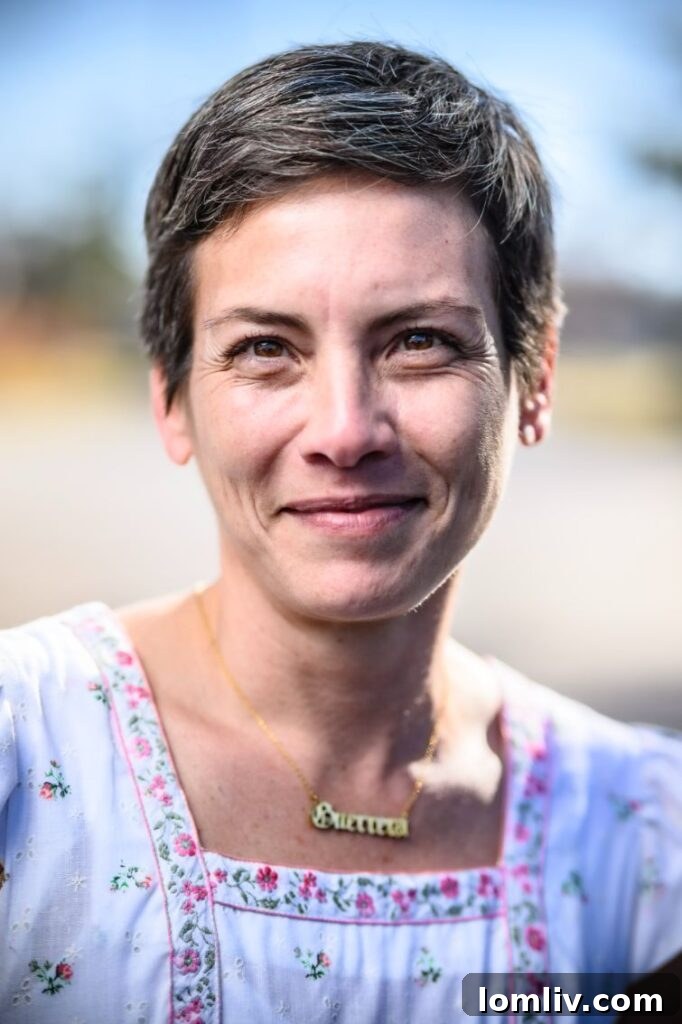
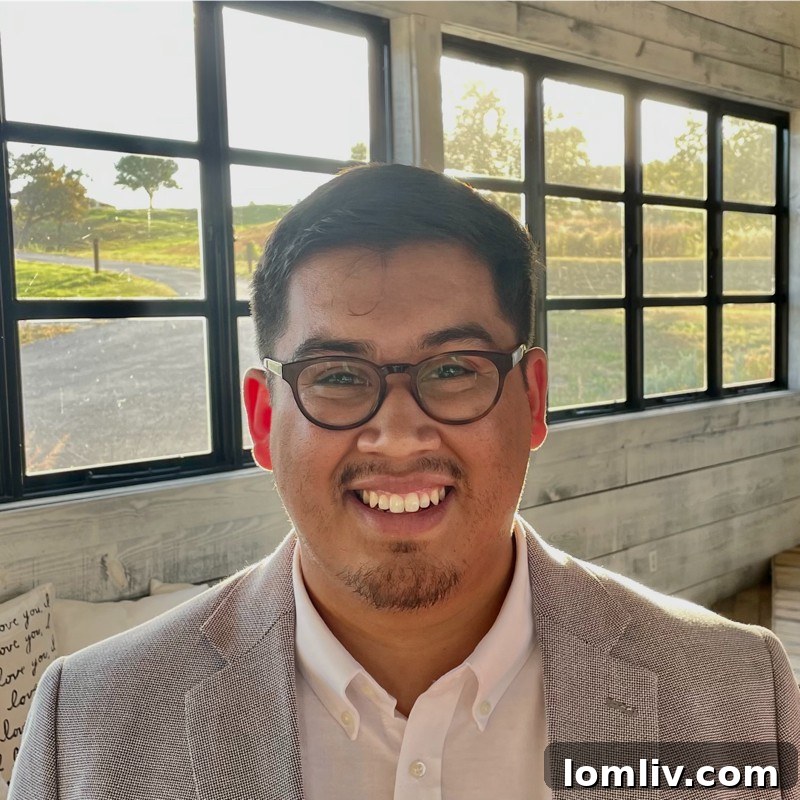
Similarly, District 10 is poised for a significant contest as candidates vie for the open seat left by Councilman McGough. Brian Hasenbauer and Kathy Stewart have already declared their candidacies, setting the stage for a compelling race. Voters in District 10 will be tasked with selecting a new representative to articulate their needs and advocate for their interests at City Hall. The platforms of these candidates will likely focus on issues unique to District 10, such as local infrastructure projects, economic development, and quality of life initiatives, reflecting the diverse priorities within the community.
The mayor’s race, as always, commands citywide attention. While Mayor Eric Johnson seeks re-election, he faces an early challenge from political newcomer Kendal Richardson. The mayoral contest is crucial for shaping Dallas’s overall direction, from major policy decisions to its national standing. It remains to be seen if other prominent figures will emerge to challenge the incumbent, further enriching the debate and offering voters a broader spectrum of leadership choices. A robust mayoral race often galvanizes voters and brings critical citywide issues to the forefront, encouraging healthy civic discourse about Dallas’s future.
Redistricting Ramifications: A New Electoral Landscape
The foundation of this year’s elections lies in the recently completed redistricting process, a decennial mandate enshrined in the Dallas city charter. Every 10 years, following the U.S. Census, the council is required to appoint a 15-member commission to develop a redistricting plan. This process ensures that district populations remain roughly equal, reflecting demographic shifts and maintaining the principle of “one person, one vote.” The Dallas Redistricting Commission, expertly chaired by Jesse Oliver, undertook this complex task, navigating a myriad of data points, community input, and legal requirements.
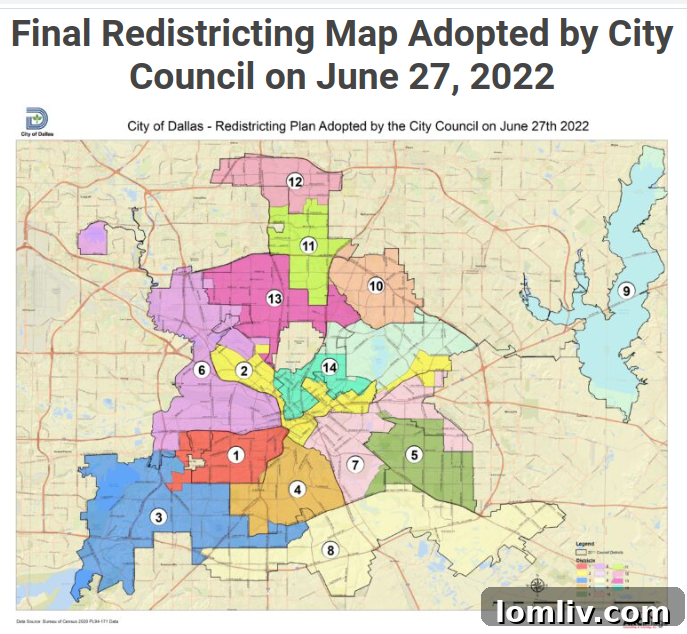
The commission’s work involved producing numerous maps, which were then subjected to intense scrutiny, amendments, and sometimes-heated debates during lengthy public meetings. While the primary purpose of redistricting is to evenly distribute the population across districts, the process is inherently political and often fraught with challenges. A key concern that repeatedly surfaced during the Dallas redistricting efforts was the potential for gerrymandering. This practice involves manipulating district boundaries to favor one political group over another or, more insidiously, to dilute the voting power of specific demographic groups, such as Dallas minority voters, by splitting historically cohesive Black or Hispanic neighborhoods into multiple districts.
Despite Dallas City Council positions being nonpartisan, the redistricting process inevitably carries significant political weight and impacts community representation. During the public input phase, many residents passionately advocated for keeping their neighborhoods intact, expressing concerns about “losing” their current council representative or fragmenting their community’s collective voice. The desire for cohesive districts reflects a deep-seated belief that local representation is most effective when elected officials can truly understand and advocate for a unified community’s specific needs and identity. Breaking up neighborhoods can disrupt established community ties, make it harder for residents to identify their representatives, and potentially diminish their influence in local politics.
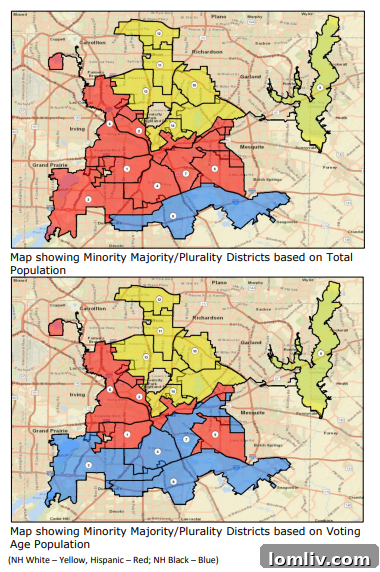
“More compact districts will increase voter turnout and allow the public to hold their politicians accountable,” noted Redistricting Commission member Bill Betzen in an April 2022 interview with daltxrealestate.com. He emphasized the crucial need for the public’s interests to prevail in this process, highlighting the democratic benefits of well-drawn boundaries. Ultimately, the map approved in June was the culmination of extensive deliberation and compromise. This final map includes eight “minority majority/plurality” districts based on voting population and eight based on voting age. This outcome signifies a concerted effort to ensure fair representation for Dallas’s diverse communities, striving to empower minority voters and foster a more equitable political landscape. The new district lines will undoubtedly play a pivotal role in how campaigns are conducted and how votes are cast, fundamentally altering the dynamics of local elections for the next decade.
The Path Forward: Engaging in Dallas’s Democratic Future
The upcoming May 6th municipal elections are more than just a procedural exercise; they are a vital opportunity for every resident to shape the future of Dallas. From the leadership in the Mayor’s office to the dedicated representatives on the City Council, the individuals elected will make critical decisions that affect daily life, economic prosperity, and community well-being across the entire city. The impact of the newly drawn district boundaries adds an extra layer of importance, promising to usher in a new era of representation and civic engagement.
As the campaign season heats up, it is imperative for Dallas citizens to stay informed, engage with candidates, and understand the platforms and visions presented. These local elections directly influence the quality of our schools, the safety of our neighborhoods, the efficiency of our public services, and the direction of urban development. Participating in the democratic process, whether through voting, volunteering, or simply staying educated on the issues, is the most powerful way to ensure that Dallas continues to thrive and evolve in a way that truly serves all its residents. This comprehensive guide serves as an initial overview, and we encourage you to stay tuned for further updates as the election cycle progresses, bringing more detailed insights into the candidates, their campaigns, and the critical issues at stake. Your vote is your voice, and in Dallas, that voice has never been more important.
Announcing your candidacy or have breaking news for the Dallas municipal elections? Ping us at [email protected] to share your story.