Honoring a Legacy: Dallas’s Historic Homes Tour Celebrates Ebby Halliday
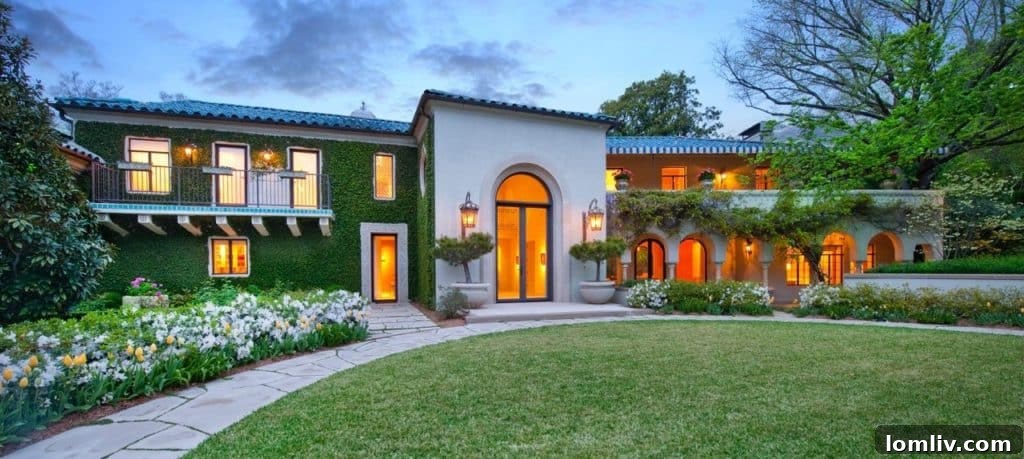
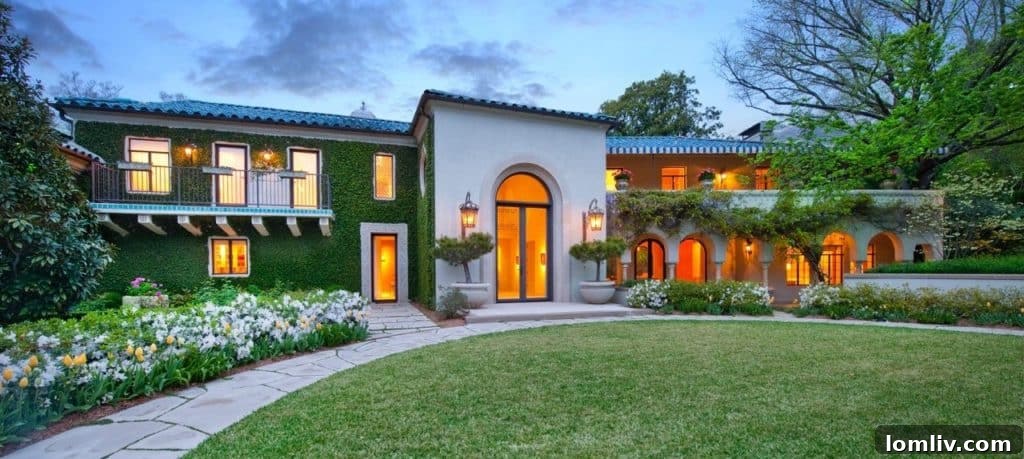
Prepare to step back in time and immerse yourself in the rich architectural tapestry of Dallas, as some of the city’s most significant residences open their doors for an exclusive tour. This highly anticipated event is more than just a house tour; it’s a profound tribute to the enduring legacy of our beloved Ebby Halliday, a titan in the Dallas real estate landscape whose influence shaped the city for decades. As we gather to honor her remarkable life and contributions, whispered rumors suggest that high-profile connoisseurs of art and architecture might be among the attendees, perhaps even contemplating a move to one of these iconic properties.
This meticulously curated tour showcases a fascinating spectrum of architectural styles, each home telling a unique story of Dallas’s development. From the early 20th-century grandeur to the innovative designs of the Mid-Century Modern era, attendees will experience firsthand the evolution of residential architecture. The featured homes include the distinguished Hess House on Turtle Creek, the historic 1918 Jones House, the artfully designed 1931 Kimple House, the celebrated 1951 Vaughn House, the stylish 1958 Cupaioli House, and the forward-thinking 1966 Newberger House. Each stop on this journey offers a rare opportunity to explore the craftsmanship, design principles, and historical context that define these architectural jewels.
The Enduring Legacy of Ebby Halliday: A Dallas Icon
Ebby Halliday (1911-2015) was not merely a real estate broker; she was a visionary, an entrepreneur, and a beacon of integrity and community spirit in Dallas. Her pioneering spirit, beginning her career during the Great Depression, laid the foundation for one of the most successful real estate firms in the country. Beyond her business acumen, Ebby was deeply committed to civic engagement and philanthropy, dedicating her life to improving the lives of others and fostering the growth of Dallas. This house tour serves as a poignant reminder of her significant impact, not only on the city’s burgeoning real estate market but also on its cultural and social fabric. By showcasing homes that span much of her active years, the tour implicitly celebrates the city’s architectural progression alongside her own remarkable timeline.
Her philosophy, often summarized as “Do something for someone else every day,” resonated throughout her professional and personal life. She championed women in business, cultivated a company culture built on service and ethics, and left an indelible mark on countless individuals and organizations. This event, organized by her namesake firm’s respected agents, is a testament to her lasting influence, ensuring that new generations appreciate the historical significance and architectural beauty that she helped to preserve and promote within the Dallas community. Attending this tour is not just an opportunity to see magnificent homes; it’s a chance to connect with the spirit of Ebby Halliday and the values she embodied.
A Glimpse into Dallas’s Architectural Heritage: The Featured Residences
The selection of homes for this exclusive tour offers an unparalleled cross-section of Dallas’s residential architectural history. Each property has been chosen for its unique design, historical importance, and its ability to tell a story about the city’s evolving tastes and technological advancements in construction. From pre-war elegance to the sleek lines of post-war modernism, these homes provide a tangible link to different eras of Dallas living.
The Hess House (Turtle Creek): Mid-Century Modern Elegance
Nestled in the prestigious Turtle Creek neighborhood, the Hess House stands as a quintessential example of Mid-Century Modern architecture. This style, popular from the mid-1940s to the late 1960s, is characterized by its clean lines, open floor plans, large windows that blur the distinction between indoor and outdoor spaces, and an emphasis on functionality and integration with nature. The Hess House, with its thoughtful design, reflects the optimism and innovative spirit of its era, offering spacious interiors and a connection to the lush landscapes of Turtle Creek. It represents a period when design was shifting towards modernity, embracing new materials and construction techniques while focusing on comfortable, elegant living.
The Jones House (1918, Highland Park): A Glimpse into Early 20th Century Grandeur
Dating back to 1918, the Jones House offers a captivating look at early 20th-century architecture in Dallas, specifically within the highly desirable Highland Park area. This magnificent residence likely embodies styles prevalent in the era, such as Colonial Revival, Neoclassical, or perhaps even early Prairie School influences, reflecting a period of transition in American design. These homes were often characterized by stately facades, intricate detailing, formal living spaces, and a sense of timeless elegance. The Jones House stands as a testament to the craftsmanship and architectural ambitions of its time, providing a stark yet beautiful contrast to the later modern designs on the tour. Its historical significance lies in its ability to transport visitors to an era of refined tastes and burgeoning prosperity in Dallas.
The Kimple House (1931): Bridging Eras with Distinctive Design
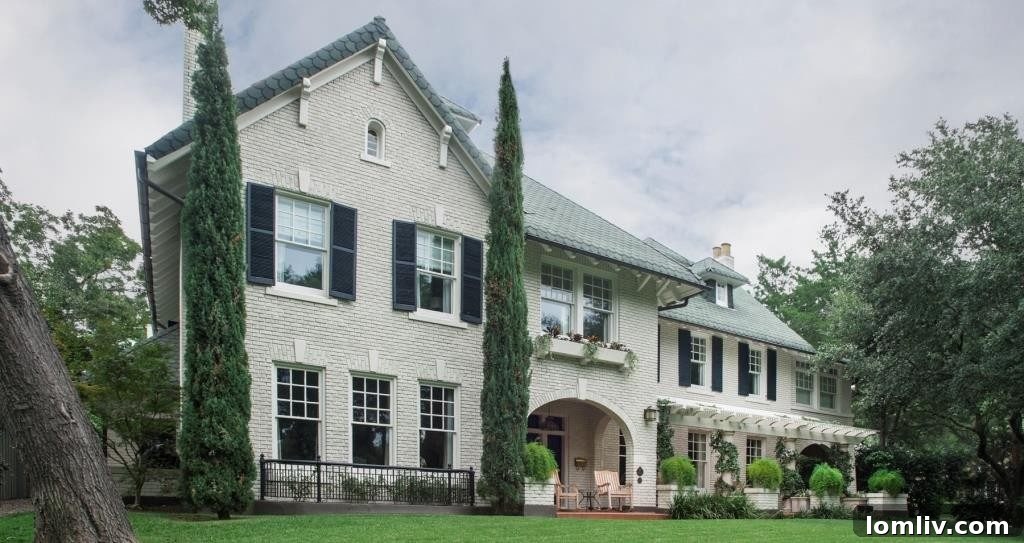
The 1931 Kimple House, located on West Colorado, provides an intriguing study in architectural design from the cusp of the Great Depression. This period often saw a mix of styles, from the lingering influences of traditional revival movements to the nascent stirrings of Art Deco and Streamline Moderne. The Kimple House likely showcases the stylistic shifts of the early 1930s, perhaps with a blend of historical references and emerging modern sensibilities. Such homes often feature unique decorative elements, robust construction, and layouts that reflect the evolving social dynamics of the time. Its inclusion highlights the diversity of Dallas’s architectural heritage and the resilience of design during challenging economic times.
The Vaughn House (1951, South Dentwood Drive): A Post-War Modern Masterpiece
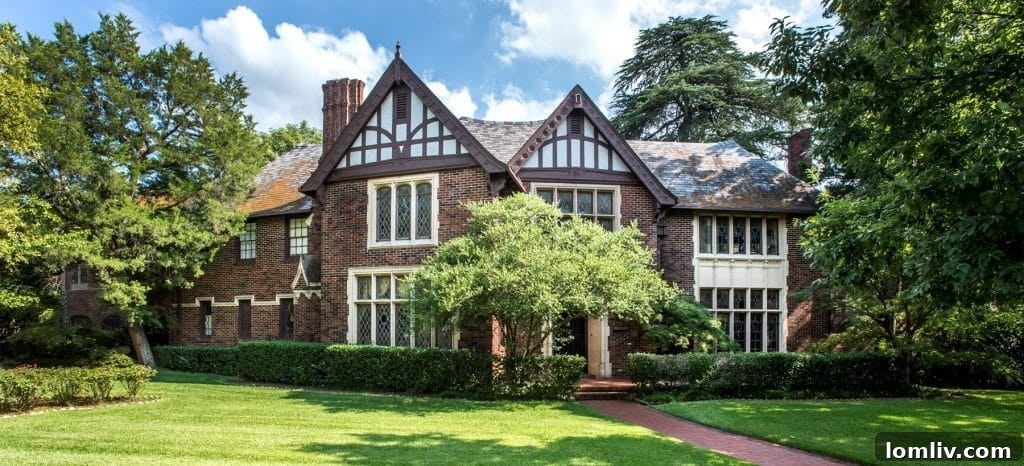
The Grady Vaughn House, built in 1951 on South Dentwood Drive, is another stellar example of Mid-Century Modern architecture. This home embodies the post-World War II optimism and desire for contemporary living. With its innovative use of materials, expansive windows inviting natural light, and a seamless connection to outdoor living spaces, the Vaughn House epitomizes the elegance and functionality that defined the era. Architects of this period sought to create homes that were both aesthetically pleasing and practical for the modern family, often incorporating features like open-concept living, integrated storage, and thoughtful landscaping. The Vaughn House stands as a testament to this architectural philosophy, offering a timeless design that continues to inspire.
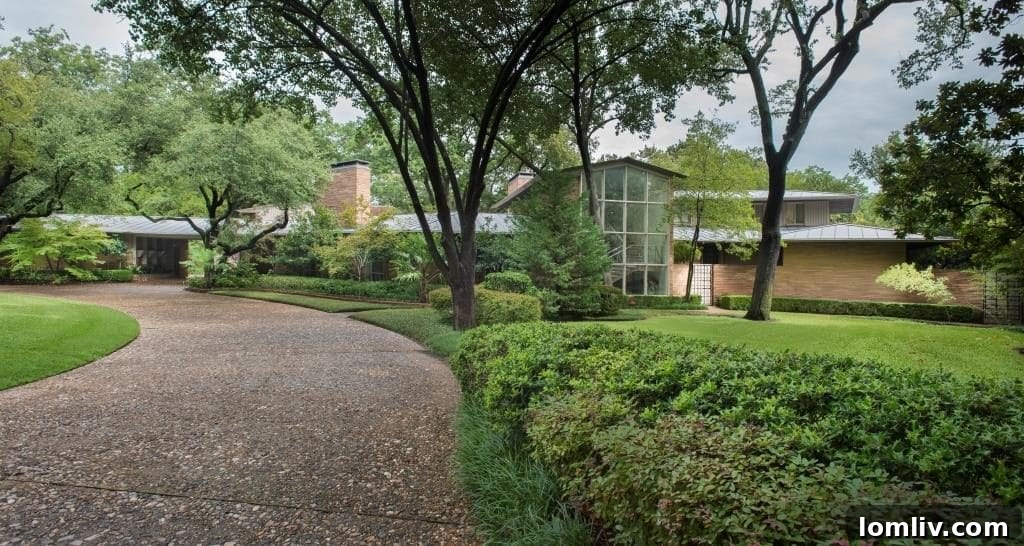
The Cupaioli House (1958): Innovative Design of the Fifties
The 1958 Cupaioli House on Daria Drive is another exemplary piece of Mid-Century Modern design, showcasing the innovative spirit that flourished in the late 1950s. By this point, MCM architects were refining their approaches, experimenting with more complex geometries, distinctive rooflines, and a sophisticated integration of natural elements. Homes from this period often feature bold structural expressions, a refined palette of materials, and a commitment to creating living spaces that were both visually striking and eminently livable. The Cupaioli House provides an excellent opportunity to appreciate how Mid-Century Modernism evolved, continuing to prioritize light, space, and a harmonious relationship with its surroundings, embodying the progressive architectural ideals of its time.
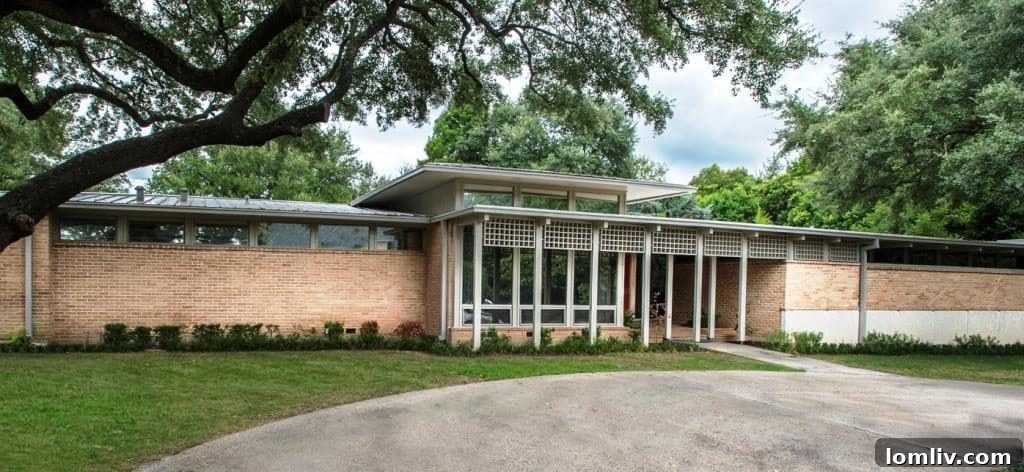
The Newberger House (1966): Evolving Modernism and Timeless Appeal
The tour culminates with the 1966 Newberger House on Brookshire, representing a later phase of Mid-Century Modernism, possibly hinting at the emerging Postmodern trends while retaining the core tenets of its predecessors. By the mid-1960s, designers continued to explore open concepts and natural light but often introduced more robust forms, textured materials, and a greater emphasis on individual expression. The Newberger House stands as a testament to the enduring appeal of modern design, showcasing how these principles could be adapted and refreshed for a new generation. Its inclusion provides a bridge from classic MCM to more contemporary styles, illustrating the fluid evolution of residential architecture and its lasting influence on Dallas’s suburban landscapes.
An Intellectual Journey: The Architectural Symposium
Beyond the visual splendor of the homes, the day offers a valuable intellectual component: an architectural symposium designed to provide deeper context and insight. This engaging discussion will meticulously timeline Dallas’s architectural and historical developments, expertly interwoven with key milestones from Ebby Halliday’s extraordinary life, spanning from 1911 to 2015. This unique approach allows attendees to understand how the city’s built environment evolved concurrently with the life of one of its most influential figures.
A distinguished panel of experts will lead this enlightening conversation. Panelists include Mary Frances Burleson, the esteemed CEO of Ebby Halliday, Realtors, who will offer unparalleled insights into Ebby’s business philosophy and enduring legacy. Architect Wilson Fuqua will provide professional perspectives on design trends and their local manifestations. Dr. Evelyn Montgomery, Curator at Dallas Heritage Village, will bring a rich historical context, connecting the homes to broader social and cultural narratives. Finally, acclaimed interior designer Mil Bodron will discuss how interior spaces complement and define architectural styles, offering a complete picture of these magnificent residences. The symposium promises to be a thought-provoking exploration of history, design, and legacy.
Event Details, Tickets, and How to Participate
This remarkable tour is expertly chaired by a dedicated team from Hickman + Weber, Ebby Halliday: Chris Hickman, John Weber, and Bonnie Bauer. Their commitment ensures a seamless and enriching experience for all attendees. This event is a rare opportunity to explore some of Dallas’s most significant private residences while supporting local architectural preservation efforts.
Tickets are available in two tiers to suit various preferences. General tour tickets, priced at $50, grant access to all five featured houses, offering a comprehensive look at Dallas’s architectural treasures. For those seeking an enhanced experience, patron tour tickets are available for $85, which includes admission to the houses and an exclusive invitation to the patron party house, a special gathering to further celebrate the event and its cause. Preservation Dallas members receive a significant discount, with general tickets priced at $40 and patron tickets at $70, underscoring the value of supporting local preservation initiatives.
Essential Logistics: Location and Schedule
The day’s events commence promptly at Central Christian Church, located at 4711 Westside Drive. This historic venue serves as the central hub for registration and the morning’s symposium. Check-in begins at 8:30 a.m., providing ample time for attendees to enjoy morning refreshments before the symposium commences. The architectural symposium is scheduled to begin at 9 a.m., offering a vital prelude to the tour itself. Following the symposium, the spectacular tour houses will be open for exploration from 10 a.m. to 2 p.m. It is imperative that all attendees check in at Central Christian Church before proceeding to the homes to receive their tour credentials and information. Due to the exclusive nature of this event and the limited availability, reservations are required and are non-refundable, ensuring a well-organized and intimate experience for everyone.
Supporting Preservation: A Discount for Members
The collaboration with Preservation Dallas highlights the critical role of organizations dedicated to protecting and celebrating our built heritage. Preservation Dallas is at the forefront of these efforts, working tirelessly to conserve the architectural and historical identity of the city. By becoming a member, individuals not only contribute to these vital initiatives but also gain access to exclusive benefits, such as discounted tickets for this prestigious house tour. This is a fantastic opportunity to enjoy a reduced rate while simultaneously demonstrating your commitment to safeguarding Dallas’s invaluable architectural legacy for future generations. Your membership supports educational programs, advocacy for historic landmarks, and the documentation of the city’s unique architectural narrative.
A Call to Action: Experience Dallas History
This house tour is more than just an event; it’s an invitation to connect with the soul of Dallas, to walk through the doors of history, and to celebrate the enduring impact of a true icon, Ebby Halliday. Whether you are an architecture enthusiast, a history buff, a design professional, or simply someone who appreciates the beauty of exceptional homes, this tour promises an unforgettable experience. Mark your calendars, secure your reservations, and prepare for a day of discovery, education, and inspiration. Don’t miss this unparalleled opportunity to explore Dallas’s architectural gems and honor the remarkable woman who helped shape the city we know and love. We eagerly anticipate welcoming you to this landmark celebration of Dallas history and design.