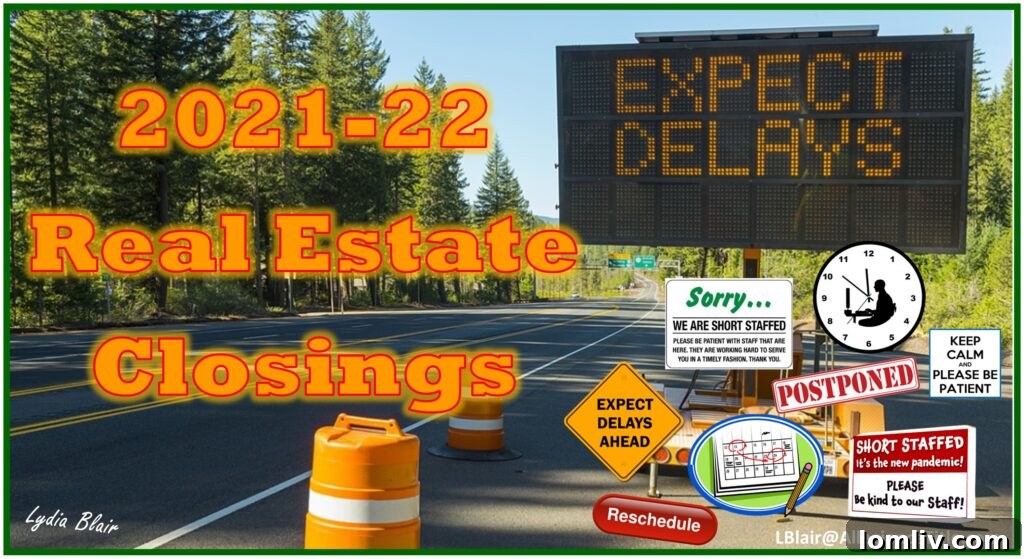
Navigating the dynamic landscape of the modern real estate market requires more than just a keen eye for properties; it demands foresight, patience, and a deep understanding of potential hurdles. If you are currently in the process of buying, selling, or refinancing a property, or planning to do so in the near future, it’s crucial to prepare for potential delays. The United States is experiencing widespread labor and staffing shortages across numerous sectors, and the real estate industry, a complex ecosystem of interconnected services, has felt the ripple effect profoundly. This ongoing challenge means that what once might have been a straightforward transaction can now encounter unexpected slowdowns, making informed preparation more vital than ever.
This article aims to shed light on the primary causes of these real estate closing delays, identify the key players affected, and, most importantly, provide actionable strategies to help you mitigate risks and navigate your transaction as smoothly as possible. Understanding these factors and adopting a proactive approach can make all the difference in achieving a successful and timely closing, even in these unique and often challenging market conditions.
Understanding the Real Estate Ecosystem: Why Delays Are Becoming Commonplace
A real estate transaction is rarely a simple two-party exchange. Instead, it’s a meticulously choreographed dance involving numerous professionals, each playing a critical role in the journey from offer acceptance to closing. From real estate agents and lenders to appraisers, inspectors, surveyors, and title companies, a robust chain of individuals and organizations must work in concert. Any disruption to even one link in this chain can create a cascading effect, leading to frustrating and costly delays for all parties involved. While closing delays are seldom intentional, the current environment presents a unique set of circumstances that make anticipating every potential setback increasingly difficult.
Just like the challenges faced by restaurants, retail stores, and fulfillment centers, our industry is grappling with significant labor and supply issues. While there may be no shortage of dedicated real estate agents or title companies eager to facilitate transactions, the unprecedented demand for homes and loans witnessed over the past few years, combined with significant capacity issues across many real estate-related businesses, has created a fertile ground for operational snafus. This market dynamic, characterized by high buyer interest and limited inventory, puts immense pressure on an already strained professional infrastructure, contributing directly to the growing prevalence of closing delays.
Key Players and Contributing Factors to Real Estate Closing Delays
While most real estate closings eventually get settled, the current backlog is predominantly driven by challenges within several critical professional segments. Understanding these specific bottlenecks is the first step towards preparing for them:
Lenders and Underwriters: The Financial Gatekeepers
Lenders are frequently cited as a primary source of closing delays, accounting for almost a third of issues, according to recent reports from organizations like the National Association of Realtors. The lending process, from initial application to final approval and funding, is intricate and requires meticulous attention to detail and rigorous verification. Lenders are currently contending with record volumes of mortgage applications and refinancing requests, exacerbated by persistent staffing shortages within their departments. This high demand places immense pressure on loan officers, processors, and, critically, underwriters.
Underwriters are the backbone of the lending process, responsible for assessing the risk associated with a loan. They meticulously review every document, from income statements and credit reports to property appraisals and title commitments, to ensure the borrower meets the lender’s criteria and that the loan is a sound investment. The sheer volume of transactions means underwriters are overwhelmed, leading to longer review times, more frequent requests for additional documentation, and extended periods for final loan approval. A single missing document or a minor discrepancy can send an application back for further review, adding days or even weeks to the timeline.
Appraisers: Valuing Your Investment in a Volatile Market
Appraisal issues rank as the second most common reason for closing delays. The demand for property appraisals has reached unprecedented highs, while the number of licensed appraisers has not kept pace. This imbalance creates significant backlogs, with appraisers often scheduled weeks out. Moreover, the task of property valuation has become increasingly complex in a rapidly appreciating and often volatile market. Appraisers must analyze comparable sales, assess property condition, and consider local market trends to determine an objective value. When property values are soaring, it can be challenging to find recent comparables that accurately reflect the current market, potentially leading to lower-than-expected appraisals. A low appraisal can necessitate renegotiations between buyer and seller, requiring the buyer to bring more cash to closing, or even cause the deal to fall through entirely, thus adding significant delays.
Surveyors: Defining the Boundaries
Property surveyors are another industry experiencing both high demand and a shortage of licensed professionals. A property survey is a detailed drawing that outlines the exact boundaries of a property, identifies easements, encroachments, and other features that could impact ownership or use. For many transactions, particularly those involving new construction, significant boundary changes, or certain types of loans, a new survey is a mandatory requirement. Scheduling a surveyor, having them complete the work, and then obtaining the final approved survey can add several weeks to a closing timeline, especially if the property has complex boundary issues or access challenges.
Home Inspectors: The Due Diligence Experts
Similar to appraisers and surveyors, home inspectors are working tirelessly to keep up with the overwhelming demand. A thorough home inspection is a critical part of a buyer’s due diligence, providing a comprehensive assessment of the property’s condition and identifying potential issues. Booking a qualified inspector can take time, and once the inspection is complete, the report often reveals items requiring further negotiation or repair. These negotiations, coupled with the time needed for sellers to arrange and complete necessary repairs, can significantly prolong the closing process. From general home inspections to specialized checks for pests, radon, septic systems, or structural integrity, each step adds a layer to the timeline.
Ancillary Services: Repairmen, Movers, and More
Beyond the core professionals, a multitude of ancillary services also face the same labor and supply challenges. If a home inspection reveals needed repairs, finding qualified contractors available to complete the work promptly can be difficult. Similarly, securing movers on short notice, especially during peak seasons, can lead to scheduling conflicts. Even obtaining necessary documentation from Homeowners Associations (HOAs), such as estoppel letters or condominium questionnaires, can be subject to delays due to increased administrative backlogs. These seemingly minor components can collectively contribute to significant closing postponements.
Proactive Strategies to Mitigate Real Estate Closing Delays
While some delays are unavoidable, adopting a proactive and informed approach can significantly improve your chances of a smoother, more timely closing. Here’s what you can do to minimize potential setbacks:
- Secure Strong Lender Pre-Approval Early: If you are buying, get fully pre-approved by a lender *before* you even start seriously looking at homes, let alone signing a contract. Understand the difference between pre-qualification (an estimate) and pre-approval (a conditional commitment based on verified financial information). Stick with that lender throughout the process, as switching lenders mid-transaction will almost certainly cause significant delays as the entire underwriting process must restart. Provide all requested financial documents promptly and completely.
- Set Realistic Contract Dates: In the current climate, expecting a 30-day closing, especially in competitive markets like Texas, might be overly optimistic. Plan for 45 to 60 days, or even longer, particularly if your loan type, property type, or specific market conditions suggest potential complexities. Building in this buffer gives all parties, especially lenders and appraisers, the necessary time to complete their work without undue pressure.
- Book Inspections and Repairs Immediately: As soon as your offer is accepted, schedule all necessary inspections. This includes the general home inspection and any specialized inspections required (e.g., HVAC, foundation, pest, septic). If repairs are negotiated, book qualified professionals to complete the work as soon as possible, ensuring their availability and allowing ample time for completion before closing. Buyers and sellers share the responsibility to secure these tasks efficiently.
- Confirm Appraisal Order and Monitor Progress: Ensure your lender orders the appraisal as early as possible—ideally within the first week of going under contract, and certainly no later than three to four weeks prior to the projected closing date. Follow up regularly to confirm it has been scheduled and completed. Once the appraisal report is submitted, the lender and their underwriter will need time to review and approve it.
- Verify Survey Requirements and Order Promptly: Confirm with your title company whether an existing survey is acceptable or if a new one is required. If a new survey is needed, ensure it is ordered at least three weeks prior to closing. The title company, lender, and underwriter must review and approve any survey for use, a process that can reveal easements or encroachments needing further attention.
- Expedite Lender Document Submissions: Lenders often require additional documents or clarifications throughout the loan process. The quicker you provide these documents, the faster your application can move forward. Create a system to promptly respond to all requests, understanding that even a one-day delay on your part can push back the entire timeline.
- Maintain Open and Prompt Communication: Consistent and clear communication with your real estate agent, lender, and title company is paramount. Respond to emails and phone calls promptly. Ask questions if you are unsure about any part of the process. Proactive communication can help anticipate and address potential issues before they escalate into significant delays. Surprises or last-minute rescheduling are frustrating for everyone involved.
- Partner with Responsive Professionals: Choose a real estate agent, lender, and title company who are known for their responsiveness, experience, and ability to proactively deal with problems. A strong, communicative team can make a significant difference in navigating complex situations and keeping your transaction on track. Their network and experience can be invaluable when unexpected challenges arise.
- Embrace Patience, Flexibility, and Kindness: In these challenging times, every professional involved in your transaction is likely working under immense pressure. Be prepared for the unexpected, remain patient, and extend kindness to everyone trying to do their job. A positive and understanding attitude can foster better collaboration and problem-solving, which ultimately benefits your transaction. Flexibility with scheduling and minor adjustments can also significantly alleviate stress.
Conclusion: Navigating the Market with Confidence
While the current real estate market undeniably presents unique challenges in terms of potential closing delays, it is far from insurmountable. By understanding the intricate network of professionals involved, recognizing the common pinch points, and proactively implementing the strategies outlined above, you can significantly reduce the likelihood of setbacks and approach your transaction with greater confidence. Preparation, clear communication, and a strong, responsive team are your greatest assets in navigating this dynamic environment. While patience remains a virtue, informed action is your best defense against the unexpected. By staying ahead of the curve, you can successfully navigate your real estate journey and achieve your property goals, even amidst the current wave of market adjustments.