In the world of real estate and homeownership, the unsung heroes often operate behind the scenes, diligently ensuring the safety and structural integrity of our living spaces. A stark reminder of their critical role came through a recent incident involving one of our dedicated inspectors. What he uncovered in a vacant property was nothing short of alarming, prompting an immediate surge of gratitude for his presence and keen eye. Had this significant problem gone undetected, the homeowners or their real estate agent could have stumbled into a profoundly dangerous situation, potentially leading to devastating property damage or even tragic loss of life. This incident underscored the profound importance of professional home inspections and brought into sharp focus the countless times inspectors intervene, preventing accidents that could seriously injure or even kill. Their ability to identify and mitigate such risks is a testament to their expertise and dedication, making us incredibly thankful for their vital contributions to community safety.
As we often pause to reflect on the blessings and elements for which we are most thankful, it’s opportune to highlight some compelling instances where the presence of a qualified home inspector made all the difference. These stories serve as powerful reminders of the potential hazards lurking in our homes and the essential role these professionals play in safeguarding our well-being and investments. From insidious gas leaks to the silent threat of carbon monoxide and critical structural vulnerabilities, home inspectors are on the front lines, ensuring that what appears to be a safe haven truly is.
Detecting Gas Leaks Around The House: A Silent Threat Averted
Natural gas, while an efficient energy source, poses a significant hazard when it leaks. Its distinctive “rotten egg” smell, added by utility companies as a safety measure, is often the first and only warning sign. However, in vacant properties or in areas with poor ventilation, even a slight odor can be missed by untrained individuals. We were immensely thankful when Inspector Luis, during a routine check of a vacant house, detected a faint but unmistakable odor of gas near the connections. Given that the property was unoccupied, this leak could have gone unnoticed for an extended period, allowing a dangerous accumulation of gas that could have led to a catastrophic explosion or fire. His vigilance prevented a potentially deadly accident, protecting future occupants and the surrounding community.
@greenscenehome When it’s a good thing the #homeinspector came by that day! #gasleak #askahomeinspector#dallasrealestate #austinrealestate #fortworthrealestate
♬ original sound – Green Scene Home Inspections
In another critical instance, Inspector Brian demonstrated his invaluable expertise while inspecting a gas meter. He, too, picked up on a barely perceptible gassy odor. Upon closer inspection, his trained eye noticed the minute formation of tiny moisture bubbles around a fitting – a classic, albeit subtle, sign of a gas leak. Confirming his suspicion, his handheld gas detector immediately registered the presence of escaping gas, providing concrete evidence of the hazard. This incident highlights the combination of sensory detection and specialized tools that equip home inspectors to identify threats that might otherwise go completely unnoticed by a homeowner or even a realtor.
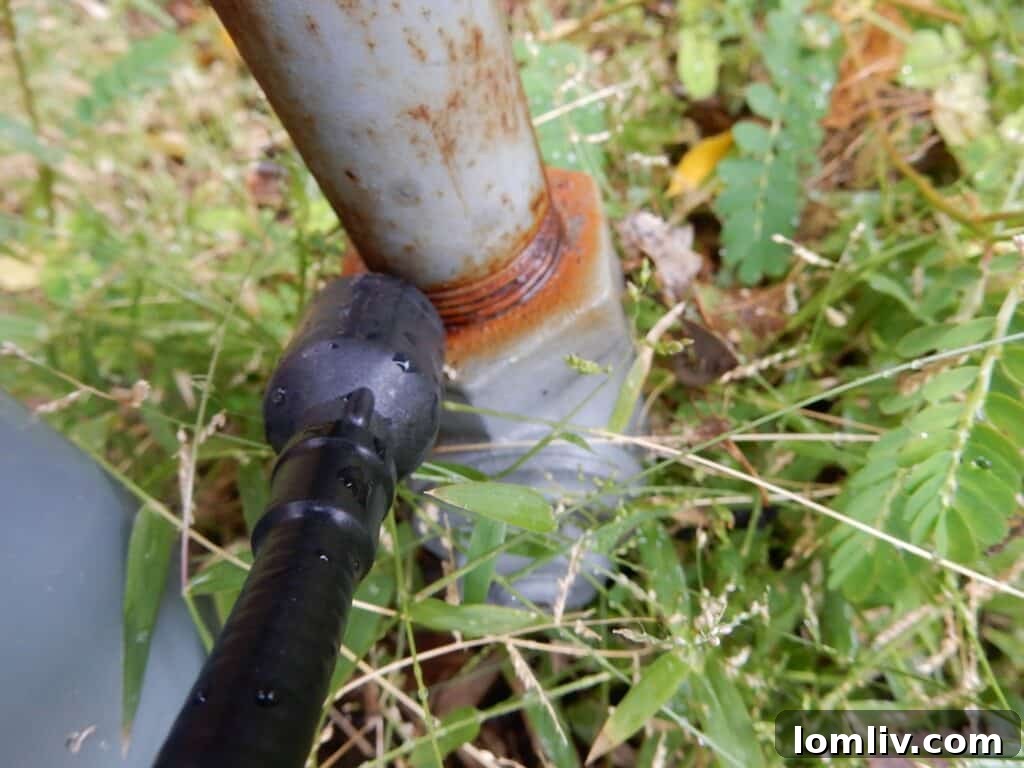
@greenscenehome #GasLeak at the meter. Slight smell of gas, tiny bubbles in the fitting. Rusted older gas lines are notorious for leaking. #AskAHomeInspector
♬ original sound – Green Scene Home Inspections – Green Scene Home Inspections
Understanding how to react to a gas leak is crucial for homeowner safety. If you ever detect that distinctive “rotten egg” smell of natural gas, whether inside or outside your home, prompt action is essential. First, try to pinpoint the source of the odor. Is it emanating from a connection near an appliance like a stove, dryer, or fireplace, similar to the first video example? Or is it coming from your gas meter, as seen in the second video? If you can confidently identify the source and it’s an appliance, turn off the appliance immediately. However, if you cannot locate the source, or if the leak appears to be originating from the gas meter itself, evacuate your home without delay. As you exit, ensure you leave doors and windows open to provide maximum ventilation and help disperse any accumulated gas. Once safely outside, and at a distance, immediately contact your gas provider’s emergency line. Never re-enter your home until a qualified professional has confirmed that the leak is fully contained and the area is safe. Regular home inspections can help identify potential weaknesses in gas lines and connections before they become critical hazards.
Detecting Dangerous Carbon Monoxide Build-Up: The Silent Killer
Carbon monoxide (CO) is often referred to as “the silent killer” because it is an odorless, colorless, and tasteless gas, making it impossible to detect without specialized equipment. Produced by the incomplete combustion of fuels, CO can quickly build to toxic levels, leading to serious illness, brain damage, or even death. We were profoundly thankful that Inspector Brian experienced a slight light-headedness during an inspection, which prompted him to investigate a particularly dangerous furnace setup. This discomfort, while minor for him, was a critical warning sign that the home’s occupants were likely already suffering, or soon would suffer, the effects of carbon monoxide poisoning.
As colder months approach, ensuring your furnace is in optimal working condition is paramount. In the case Brian observed, the furnace flames were erratic, flickering on and off, which is a clear indication of inefficient combustion and a potential CO leak. Healthy furnace flames should burn a consistent blue and strong; any deviation to yellow, orange, or a flickering pattern signals a problem that requires immediate professional attention. But the most alarming discovery was the carbon monoxide level reading on Brian’s meter. While the widely accepted safety standard dictates evacuation when CO levels exceed 35 Parts Per Million (PPM), his meter displayed an astounding 287 PPM. This dangerously high level underscores the immediate and severe threat posed by a malfunctioning furnace and highlights the life-saving importance of a thorough home inspection, especially before the winter season.
The health effects of carbon monoxide exposure can range from flu-like symptoms such as headaches, dizziness, and nausea at lower levels, to confusion, collapse, and fatality at higher concentrations. Regular maintenance of all fuel-burning appliances, including furnaces, water heaters, and gas stoves, is essential. Crucially, every home should be equipped with working carbon monoxide detectors, strategically placed on every level and near sleeping areas. These devices provide the only reliable warning system against this invisible threat. A home inspector not only checks the functionality of these detectors but also assesses the combustion efficiency of appliances like furnaces, ensuring they are operating safely and not producing harmful CO gases.
CSST Gas Line Identification & Protection: Guarding Against Lightning Risks
Corrugated Stainless Steel Tubing, or CSST, has been a popular choice for gas lines due to its flexibility and ease of installation. However, its widespread use has revealed a critical vulnerability: its susceptibility to damage from lightning strikes if not properly bonded. In regions like North Texas, where thunderstorms are common, this presents a significant fire and explosion risk that has, unfortunately, made headlines and resulted in devastating home explosions. We are therefore incredibly thankful for our inspectors’ diligent work in identifying countless examples of unbonded CSST lines, effectively preventing potential catastrophes.
The core issue with unbonded CSST lies in its metallic composition and design. If lightning strikes a home or near it, the electrical current can arc to the CSST, potentially creating pinhole leaks or ruptures in the gas line. These small leaks can then rapidly ignite, leading to fires or explosions. This inherent flaw has led to strict new building codes and safety guidelines aimed at protecting homes equipped with CSST. Homeowners can often identify CSST by its distinctive yellow or black plastic jacket, which encases the flexible stainless steel tubing. However, identifying whether it is *properly bonded* requires a professional eye.
Proper bonding for CSST involves creating a dedicated electrical connection from the gas piping system to the home’s grounding electrode system. This typically requires a separate bonding wire connected either to the rigid gas piping before the CSST, or directly to one of the CSST nuts. This connection safely dissipates any electrical charge, including lightning-induced surges, preventing it from damaging the gas line. Without this crucial bonding, homes remain exposed to significant risks of fire, explosion, property damage, and severe injury or fatality. Home inspectors are trained to identify CSST and, more importantly, to verify that the necessary bonding is in place, ensuring compliance with current safety standards and safeguarding the property against this specific, yet often overlooked, hazard.
@greenscenehome How to tell if you have #CSST gas lines. #AskAHomeInspector #DallasRealEstate #dallashomeinspector #dfwhomeinspector #gasleak #hometipoftheday
♬ original sound – Green Scene Home Inspections
@greenscenehome #CSST Gas Lines not bonded – lightning strike can cause damage to the lines & explosions. Make sure this type of line is bonded! #Askahomeinspector
♬ original sound – Green Scene Home Inspections
The safety of your home and family should always be a top priority. While purchasing a home typically involves an inspection, many homeowners overlook the ongoing need for regular assessments. If you have concerns about potential safety issues, or simply wish to proactively maintain your property, consider scheduling a Home Maintenance Inspection. This comprehensive check goes beyond a standard pre-purchase inspection, delving deeper into the ongoing health and safety of your home’s systems, from hidden gas leaks to furnace efficiency and electrical bonding.
Beyond professional inspections, there are fundamental steps every homeowner should take. Always ensure your carbon monoxide detectors and smoke detectors are operational; test them monthly and replace batteries annually. Keep fire extinguishers readily accessible in key areas like the kitchen and garage, and know how to use them. Visually inspect your furnace regularly: listen for unusual noises, check for strange odors, and observe the flame color. If it appears old, dirty, smelly, or in general disrepair, do not hesitate to schedule professional servicing. These proactive measures, combined with the expert eyes of a home inspector, create a robust defense against potential hazards, ensuring your home remains a safe and comfortable sanctuary for years to come.
Wishing you and yours a safe and Happy Thanksgiving, filled with peace of mind knowing your home is secure!