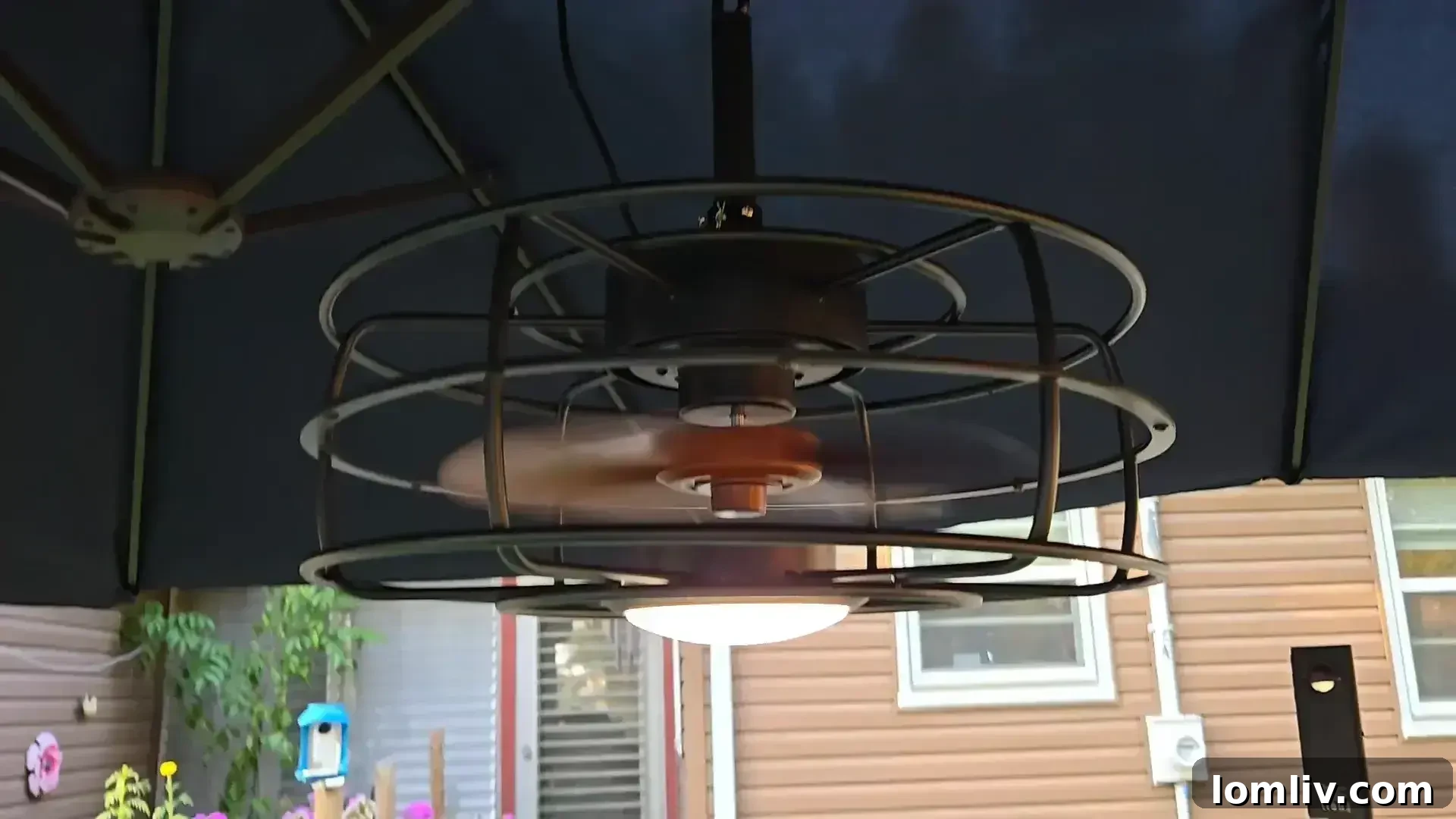
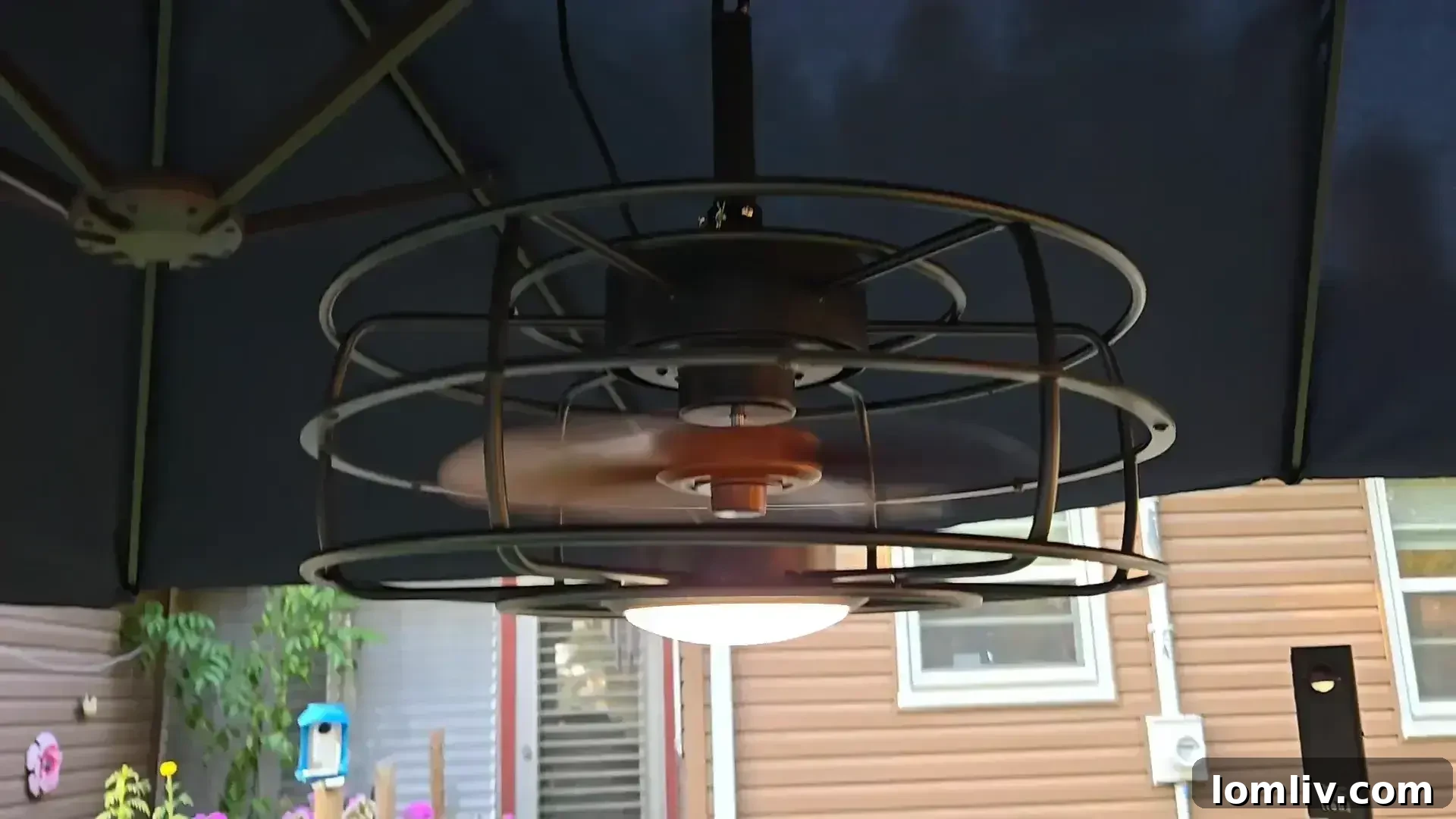
Transforming your outdoor living spaces into comfortable, inviting extensions of your home has become a growing trend. Whether it’s a cozy patio, a sprawling deck, or a serene pergola, these areas offer immense potential for relaxation and entertainment. However, without the right amenities, enjoying them during warmer months or unpredictable weather can be challenging. This is where an outdoor fan becomes an indispensable addition. Choosing the perfect outdoor fan involves much more than simply selecting a model that catches your eye. It requires a thoughtful evaluation of several key factors to ensure you invest in a product that delivers optimal airflow, superior comfort, and long-lasting durability, even when exposed to the elements. This comprehensive guide will explore the essential considerations to help you make an informed decision, ensuring you get the best value and enjoyment from your purchase.
Durability and Weather Resistance: Built for the Outdoors
One of the most critical aspects of any outdoor fan is its ability to withstand the rigors of various weather conditions. Unlike indoor fans, outdoor units are constantly exposed to environmental stresses such as rain, humidity, direct sunlight, dust, and even extreme temperature fluctuations. Therefore, prioritizing models specifically designed and rated for outdoor use is paramount. Look for fans explicitly labeled as “weather-resistant,” “damp-rated,” or “wet-rated,” as these classifications indicate they have been engineered with components capable of enduring external elements.
The materials used in an outdoor fan’s construction play a significant role in its longevity. High-quality outdoor fans typically feature rust-resistant materials such as marine-grade stainless steel, aluminum, or durable ABS plastic. These materials are chosen for their inherent ability to resist corrosion, fading, and degradation when exposed to moisture and UV radiation. Furthermore, the motor housing and electrical components must be adequately protected. Sealed motors with waterproof electrical connections are crucial features that prevent water, dust, and debris from infiltrating sensitive internal parts, thereby extending the fan’s lifespan and ensuring safe operation. Some fans also feature special powder-coated finishes that provide an extra layer of protection against the elements, maintaining their aesthetic appeal over time. Understanding the Ingress Protection (IP) rating can also be immensely helpful. For instance, an IP44 rating signifies protection against solid objects larger than 1mm and water splashes from any direction, making it suitable for damp, covered outdoor areas. A higher rating, like IP55, indicates even greater protection against dust and jets of water, ideal for more exposed locations. By carefully vetting these material and protection specifications, you can ensure your outdoor fan remains fully functional and looks great for years to come.
Airflow and Performance: Cooling Your Outdoor Oasis
The primary function of any fan is to generate airflow, and for an outdoor fan, this translates directly to cooling comfort. When evaluating performance, the most important metric to consider is the fan’s airflow rating, typically measured in cubic feet per minute (CFM). A higher CFM rating indicates a greater volume of air moved, which directly correlates to a more effective cooling breeze across your patio, deck, or pergola. It’s essential to match the CFM output to the size of your outdoor space. A small balcony might only require a fan with a moderate CFM, while a large, open deck will benefit significantly from a fan capable of moving a substantial amount of air.
Beyond the raw CFM number, several design elements influence a fan’s efficiency and reach. The size and design of the fan blades are critical factors. Generally, larger blades tend to move more air, but blade pitch (the angle at which the blades are set) also plays a crucial role. An optimized blade pitch can maximize air movement with less effort, contributing to both performance and energy efficiency. Additionally, the type of motor (AC vs. DC) can impact performance. DC motors, often found in modern outdoor fans, are typically more efficient and offer a wider range of speed settings, allowing for precise control over airflow. When selecting a fan, consider the overall dimensions of your outdoor area and the specific cooling effect you desire. Do you need a gentle circulation of air, or a powerful breeze to combat intense heat? Thinking about these requirements will guide you toward a fan with appropriate airflow capacity and blade design. Some outdoor fans also offer a reversible function, which, while more common in indoor models for winter heating, can still be beneficial in certain outdoor settings for improved air circulation.
Energy Efficiency: Smart Savings for Long-Term Comfort
Given that outdoor fans are often used for extended periods during warmer months, energy efficiency is a vital consideration that directly impacts your utility bills. Investing in an energy-efficient model can lead to significant long-term savings without compromising on performance. Look for outdoor fans equipped with energy-efficient motors, particularly those utilizing Direct Current (DC) technology. DC motors consume significantly less power than traditional Alternating Current (AC) motors while often providing superior performance and quieter operation.
Another excellent indicator of energy efficiency is the Energy Star certification. Products bearing the Energy Star label meet strict energy-efficiency guidelines set by the U.S. Environmental Protection Agency. These fans are designed to deliver optimal airflow using less electricity, translating into lower operating costs and a reduced environmental footprint. Many contemporary outdoor fans also come with variable speed settings, allowing you to fine-tune the airflow precisely to your needs. The ability to dial down the speed when only a light breeze is required, rather than running at full power unnecessarily, offers substantial opportunities for energy conservation. Features like remote controls, wall controls, and even integrated timers further enhance energy efficiency by enabling you to manage fan operation more effectively, ensuring it only runs when needed. Some advanced models even incorporate smart technology, allowing for scheduling and remote control via smartphone apps, providing ultimate convenience and energy management.
Installation and Mounting Options: Seamless Integration
The successful integration of an outdoor fan into your living space hinges on appropriate installation and mounting. Before making a purchase, meticulously contemplate the exact location where the fan will be installed. Outdoor fans come with various mounting options, including ceiling-mounted, wall-mounted, and sometimes even post-mounted designs. Ceiling-mounted fans are ideal for providing widespread overhead airflow, perfect for covered patios, gazebos, or pergolas. Wall-mounted fans, on the other hand, can effectively direct airflow to specific seating areas or zones. Ensure that the fan’s mounting hardware and design are compatible with your chosen location and the structural support available.
Beyond the mounting type, consider the ease and complexity of the installation process. Many outdoor ceiling fans are designed for straightforward installation, typically including all necessary mounting hardware and clear, step-by-step instructions. However, outdoor electrical installations often require specific wiring and safety precautions, such as outdoor-rated junction boxes and Ground Fault Circuit Interrupter (GFCI) protected circuits. If you are not entirely comfortable with electrical work or extensive DIY projects, it is highly advisable to engage a qualified electrician for professional installation. This ensures not only safe and compliant operation but also maximizes the fan’s functionality and longevity. Proper installation also includes ensuring adequate blade clearance from walls, furniture, and any potential obstructions to optimize airflow and prevent accidents. The height at which the fan is mounted also impacts its effectiveness; typically, a height of 7 to 9 feet from the ground is recommended for optimal air circulation.
Design and Aesthetics: Enhancing Your Outdoor Decor
While functionality is paramount, the visual appeal of an outdoor fan should not be underestimated. A well-chosen fan can significantly enhance the overall aesthetic of your outdoor space, serving as a stylish fixture that complements your existing decor. Outdoor fans are available in a vast array of styles, sizes, finishes, and blade designs, offering ample opportunities to find a model that perfectly integrates with your garden, deck, or patio’s theme.
Consider the architectural style of your home and outdoor area. Do you have a modern, minimalist space that would benefit from a sleek, contemporary fan with clean lines and metallic finishes? Or perhaps a rustic, farmhouse-inspired setting that would look best with a fan featuring wooden blades and an oil-rubbed bronze finish? Factors such as blade color, fan housing finish, and the overall design profile are crucial. Popular finishes include matte black, brushed nickel, bronze, and white, while blade materials can range from natural wood composites to durable plastic and metal, each offering a distinct look. Many outdoor fans also come with integrated lighting, often featuring energy-efficient LED bulbs. These lighting kits can provide both functional illumination and ambient light, further enhancing the usability and atmosphere of your outdoor living area. Dimmable lighting options offer even greater flexibility, allowing you to adjust the brightness to suit various activities or moods. By carefully considering how the fan’s design harmonizes with your outdoor environment, you can select a fixture that not only provides essential comfort and airflow but also elevates the style and sophistication of your cherished outdoor oasis.
Smart Features and Controls: Modern Convenience
In today’s connected world, smart features and advanced control options have become increasingly sought after in home appliances, and outdoor fans are no exception. These modern conveniences can significantly enhance user experience, offering greater control, scheduling flexibility, and integration with existing smart home ecosystems.
The most basic control options include pull chains or wall switches, but most contemporary outdoor fans offer more sophisticated solutions. Remote controls are a standard feature, allowing you to adjust fan speeds, turn the light on or off, and even dim the lighting from the comfort of your outdoor seating area. Hardwired wall controls provide a more integrated look and can be a good option for permanent installations. For those who embrace smart home technology, many outdoor fans are now Wi-Fi enabled. This allows for control via a smartphone app, even when you’re away from home. Imagine turning on your patio fan and light before you arrive home on a warm evening! These smart fans often integrate with popular voice assistants like Amazon Alexa and Google Home, enabling hands-free operation. Advanced features like programmable timers and scheduling capabilities allow you to set the fan to turn on or off at specific times, optimizing comfort and energy use. Some models even incorporate motion sensors or ambient temperature sensors to automatically adjust fan speed based on environmental conditions. When choosing an outdoor fan, consider which control options best suit your lifestyle and preferences, ensuring seamless and convenient operation for ultimate outdoor enjoyment.
Safety Considerations: Prioritizing Well-being
While the focus is often on comfort and aesthetics, safety is a non-negotiable aspect when installing any electrical appliance, especially one outdoors. Ensuring the safe operation of your outdoor fan is paramount to protect both users and the product itself.
A crucial distinction to understand is the difference between “damp-rated” and “wet-rated” fans. Damp-rated fans are designed for covered outdoor areas, such as porches, patios, or pergolas, where they are protected from direct rain and splashing. Wet-rated fans, however, are built to withstand direct exposure to rain, snow, and even washing, making them suitable for completely uncovered outdoor spaces. Selecting the correct rating for your specific outdoor environment is critical to prevent electrical hazards and ensure the fan’s longevity. Proper installation, as previously mentioned, is a fundamental safety measure. All wiring must be outdoor-rated, protected within conduit where necessary, and connected to GFCI-protected circuits as mandated by electrical codes. This protection immediately cuts off power if an electrical fault is detected, preventing shocks. Adequate blade clearance is another vital safety point; ensure there is sufficient space between the fan blades and any walls, furniture, or passing individuals to prevent injuries. The fan must also be securely mounted to a sturdy support structure capable of holding its weight and handling any operational vibrations. Always follow the manufacturer’s installation guidelines meticulously and consider professional installation if you have any doubts about electrical safety or structural integrity. Prioritizing these safety considerations will ensure that your outdoor fan provides years of comfortable and worry-free use.
Choosing the right outdoor fan involves a careful balance of durability, performance, energy efficiency, ease of installation, aesthetic appeal, smart features, and crucial safety considerations. By thoroughly evaluating these factors – from the weather-resistant materials and IP ratings to the CFM output and Energy Star certification, as well as mounting options and integrated smart controls – you can make a truly informed decision. A well-selected outdoor fan represents a smart investment, transforming your outdoor space into a comfortable, stylish, and functional extension of your home for many years to come. Take the time to assess your specific needs and preferences, and you will undoubtedly find an outdoor fan that not only withstands the elements but also significantly enhances your enjoyment of the great outdoors.