The global pandemic dramatically redefined the concept of “home” for millions, transforming living spaces into offices, gyms, and primary entertainment hubs. This profound shift compelled renters to re-evaluate their priorities, moving beyond traditional desires for superficial charm and character, often highlighted in popular real estate shows. Instead, the focus shifted towards practical, comfort-enhancing, and wellness-oriented apartment amenities that could support an increasingly home-centric lifestyle.
To capture these evolving renter preferences, Zumper, a prominent San Francisco-based rental platform, undertook a comprehensive analysis of search rate data. Their findings revealed fascinating insights into the amenities renters prioritized most during the peak of the pandemic, highlighting significant generational differences and quantifying the financial premium associated with these highly sought-after features. Understanding these shifts is crucial for both prospective renters navigating a competitive market and property managers looking to optimize their offerings.
Zumper’s in-depth study, analyzing data from December 2019 to December 2020, provided a crucial snapshot of the rental market during a period of unprecedented change. The report detailed how tenant demands evolved, demonstrating a clear pivot towards features that offered safety, comfort, and extended living space.
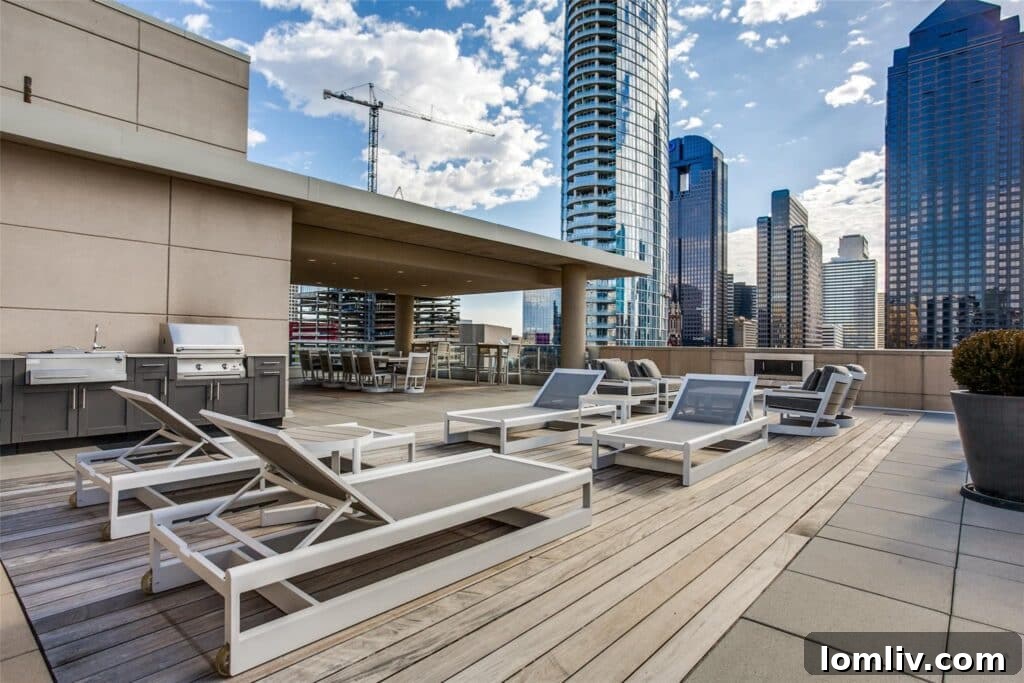
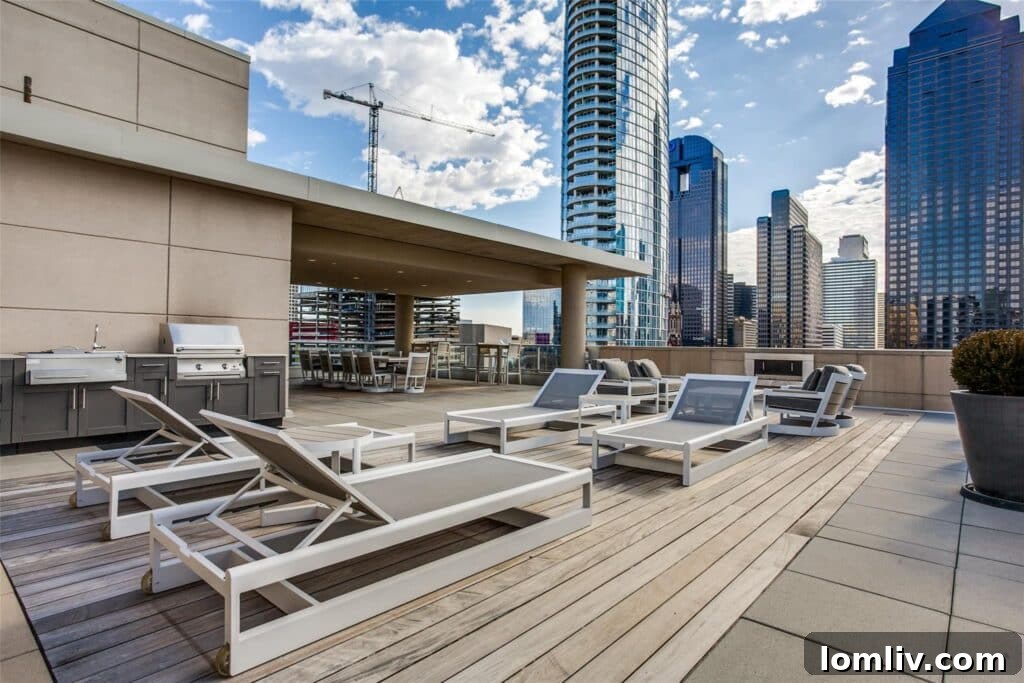
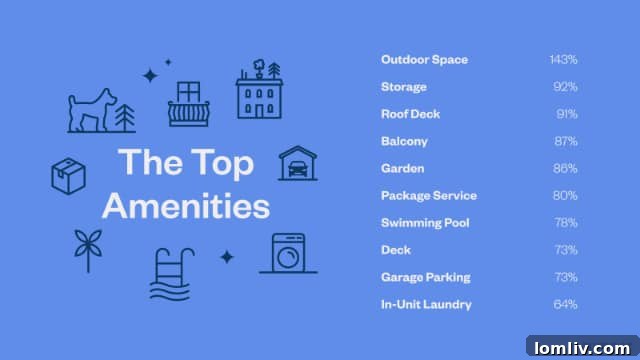
- **The Overwhelming Demand for Outdoor Space:** The most prominent finding from Zumper’s analysis was the explosive growth in demand for outdoor amenities. Six of the top ten amenities with the largest year-over-year search rate increases were directly related to accessible outdoor spaces, reflecting a universal desire for fresh air and natural light amidst lockdowns and restricted social interaction. The overall category of “outdoor space” saw an astonishing 143 percent increase in searches. This surge highlights how vital access to the outdoors became for mental and physical well-being. Renters actively sought private or semi-private areas where they could relax, work, or engage in recreation without leaving their property. Other highly sought-after outdoor amenities included: Roof Decks, with a remarkable 91 percent increase in searches; Balconies, showing an 87 percent rise; Gardens, experiencing an 86 percent boost; Swimming Pools, up by 78 percent; and Decks, which saw a 73 percent surge. This sustained interest suggests that outdoor living spaces are no longer just a luxury but a crucial component of modern apartment living, influencing long-term property development and renter expectations.
- **The Premium for Convenience: In-Unit Laundry:** While outdoor features dominated search interest, in-unit laundry emerged as the amenity that added the most significant cost to a listing, averaging $170 or more per month. This substantial premium underscores the high value renters place on convenience and personal hygiene, especially during and after the pandemic. Having a washer and dryer within one’s apartment eliminates the need for shared laundry facilities, saving time and offering peace of mind. For busy professionals, families, or anyone prioritizing efficiency and cleanliness, the added cost is often justified by the unparalleled ease and comfort it provides.
- **Generational Differences in Amenity Preferences:** Zumper’s report meticulously segmented renter preferences by age group, revealing distinct priorities across generations. These insights offer valuable guidance for property owners and developers aiming to cater to specific demographic segments.
- **Generation Z (ages 18-24) and Millennials (25-40):** These younger demographics, often digitally native and leading busy, urban lifestyles, prioritized practical amenities that streamline daily routines. Walk-in closets, providing ample storage and organizational solutions for personal belongings, and dishwashers, a time-saving appliance, were among their most desired features. For Millennials specifically, hardwood floors also topped the list of exclusive amenities. Valued for their modern aesthetic, ease of cleaning, and ability to create a sense of spaciousness, hardwood floors align with the contemporary design preferences of this influential demographic. These preferences reflect a generation that values functionality, aesthetics, and amenities that support an active and often social lifestyle.
- **Generation X (41-56):** For Generation X renters, swimming pools were identified as a top-tier amenity. This preference often correlates with families seeking recreational outlets and a dedicated space for leisure and exercise. A swimming pool offers not only a healthy activity but also a social gathering spot and a tranquil retreat, all of which became increasingly important during times of limited public access to recreational facilities. The ability to cool off and relax outdoors, especially during warm seasons, contributes significantly to overall quality of life for this demographic.
- **Baby Boomers (57-plus):** The Baby Boomer generation placed central heat and air conditioning at the pinnacle of their essential amenities. This highlights a strong emphasis on consistent comfort, health, and reliable climate control within their living environments. Particularly in regions with extreme weather conditions, a robust heating and cooling system is considered a fundamental necessity for well-being, providing a stable and comfortable indoor climate regardless of external temperatures. This reflects a life stage where comfort and health considerations often take precedence.
While Zumper’s analysis focused on national trends rather than specific geographical regions, it’s imperative to acknowledge how local climate impacts amenity demand. In metropolitan areas like Dallas-Fort Worth, for instance, air conditioning transcends generational preferences to become a universal, non-negotiable requirement. The intense Texas summers make efficient and reliable central AC systems an absolute necessity for residents of all ages, underscoring how environmental factors can heavily influence what constitutes a truly essential apartment amenity.
Broader Market Insights: Dallas-Fort Worth Rental Landscape
Beyond individual apartment amenities, understanding the macro trends in the rental market is crucial for anyone involved in real estate. Several other prominent reports provide invaluable insights into migration patterns, rent fluctuations, and safety concerns, offering a comprehensive view of the thriving Dallas-Fort Worth region.
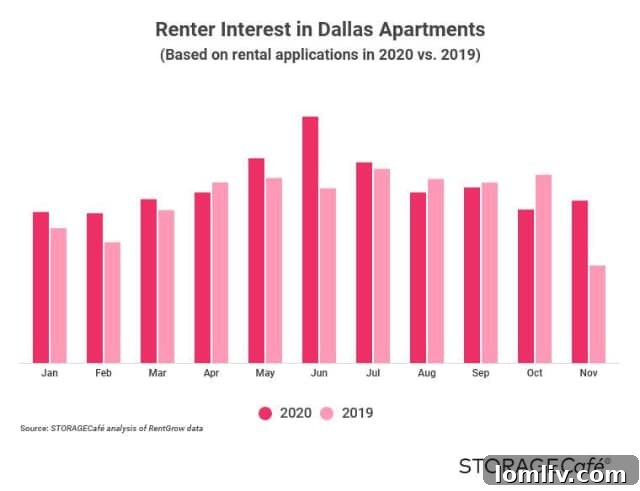
- **STORAGECafé: Dallas as a Premier Renter Destination:** According to a recent STORAGECafé mobility report, which meticulously analyzed 1.7 million renter applications, Dallas secured its position as the nation’s seventh-largest recipient of renter applications in 2020. This impressive ranking highlights the Dallas-Fort Worth metroplex’s undeniable appeal as a magnet for new residents. The report unveiled compelling migration dynamics: approximately 80 percent of renters moving to Dallas were already based in Texas, indicating significant intra-state movement towards the economic opportunities and diverse lifestyle options of the DFW area. Furthermore, two-thirds of these inbound renters originated from other urban centers, suggesting a pattern of urban consolidation or movement within established metropolitan corridors. Garland, a bustling neighboring city, was identified as the most common originating point for renters relocating to Dallas, reflecting localized population shifts. Interestingly, New York City emerged as the top out-of-state originating city for individuals interested in Dallas, underscoring the Texas metro’s growing attractiveness as a more affordable and opportunity-rich alternative to highly-priced coastal markets. Within Dallas itself, Far North Dallas and downtown Dallas garnered the most interest, collectively drawing 45 percent of new renters due to their vibrant amenities, diverse housing stock, and proximity to major employment hubs. Millennials continued to drive much of this growth, representing the largest share of renters heading to Dallas at a robust 56 percent, solidifying their role as key demographic influencers in the city’s expansion. The robust influx of renters, especially from within Texas and major coastal cities, speaks volumes about Dallas’s strong job market, competitive cost of living, and high quality of life. **Explore the full STORAGECafé report for deeper insights into renter migration patterns.**
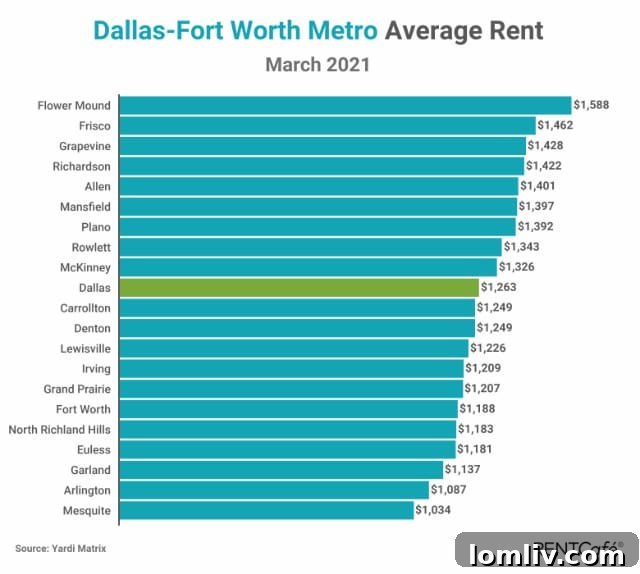
- **RENTCafé: Understanding Rent Dynamics in DFW:** The RENTCafé March Rent Report offered critical insights into the fluctuating rental prices across the Dallas-Fort Worth metroplex. According to their analysis, the average rent in Dallas saw a moderate increase of 1.1 percent compared to March 2020. This relatively slower growth rate within the core city contrasted sharply with the more accelerated increases observed in its surrounding suburban areas. For example, Arlington experienced a notable 3.7 percent rise, bringing its average rent for a one-bedroom apartment to $1,087. Fort Worth saw an even more significant jump of 4.8 percent, reaching an average of $1,188. This divergence suggests a growing demand in the suburbs, potentially driven by renters seeking more space, slightly lower price points, or access to highly-rated school districts and quieter communities. The report also identified Flower Mound as the priciest city for renters in D/FW, with one-bedroom apartments commanding an average of $1,588 per month. This premium in Flower Mound is largely attributed to its reputation for exceptional quality of life, upscale amenities, and top-tier educational institutions, making it a highly desirable, albeit more expensive, residential choice. These varied rent dynamics across the metroplex provide a comprehensive picture for renters, investors, and developers, illustrating the diverse opportunities and challenges within the broader North Texas rental market. **Access the full RENTCafé report for detailed information on rent trends in Dallas and its surrounding areas.**
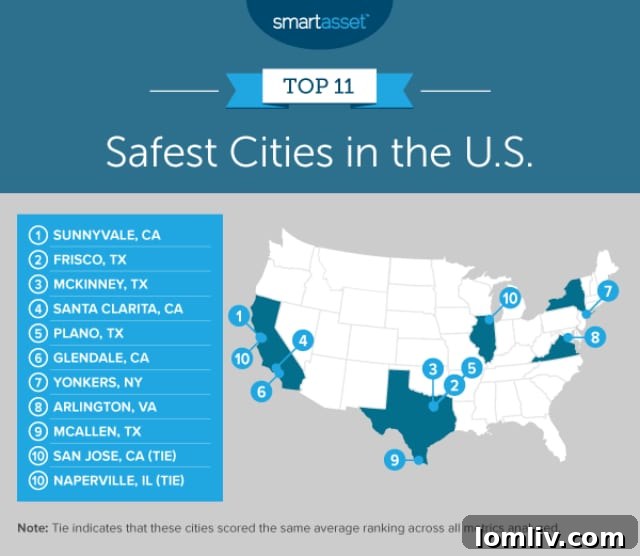
- **SmartAsset: Prioritizing Safety in Urban and Suburban Living:** Beyond amenities and rental costs, safety remains a paramount consideration for renters, profoundly influencing where they choose to live. SmartAsset’s annual ranking of America’s safest cities highlighted the exceptional safety records of several Dallas-Fort Worth suburbs. Frisco, McKinney, and Plano distinguished themselves by securing the second, third, and fifth positions, respectively, on SmartAsset’s prestigious list. These high rankings are a testament to the effective community planning, robust law enforcement, and strong community engagement prevalent in these rapidly expanding cities. Carrollton and Denton also featured prominently, ranking 27th and 30th nationwide, further solidifying the North Texas region’s reputation for providing secure and stable living environments. SmartAsset’s methodology for comparison was comprehensive, utilizing five key criteria to assess safety across 200 cities: city violent crime rates, city property crime rates, county vehicular mortality rates, county drug poisoning mortality rates, and the percentage of each county’s population that reported drinking in excess. By considering this holistic range of factors, from traditional crime statistics to public health indicators, SmartAsset offers a nuanced and complete view of community safety. The consistent high performance of these DFW suburbs in such rigorous rankings significantly enhances their appeal, particularly for families and individuals prioritizing peace of mind and a high quality of life. This strong focus on safety, combined with dynamic economic opportunities and diverse rental options, continues to make the Dallas-Fort Worth area a top-tier destination for prospective renters. **Discover SmartAsset’s complete analysis of America’s safest cities and their methodology.**
In conclusion, the rental market is a dynamic and ever-evolving landscape, continuously reshaped by global events, generational preferences, and regional economic factors. The comprehensive reports from Zumper, STORAGECafé, RENTCafé, and SmartAsset collectively paint a vivid picture of these transformations, particularly within the vibrant Dallas-Fort Worth metroplex. From the pandemic-driven surge in demand for outdoor spaces and in-unit convenience, to the distinct amenity preferences across different age groups, and the critical role of safety and affordability in attracting new residents, these insights are indispensable for anyone navigating the complex world of apartment rentals. Understanding these detailed market trends empowers renters to make informed and strategic choices, while enabling property managers, developers, and investors to adapt their offerings effectively to meet the evolving demands of the modern resident, ensuring the rental market remains responsive and resilient.