Water damage is a homeowner’s nightmare, transforming living spaces into a chaotic, soaked mess. Whether it’s a consequence of natural disasters like the recent Los Angeles wildfires and subsequent water mitigation efforts, or an unexpected pipe burst, dealing with water intrusion can feel overwhelming. The aftermath can leave you feeling lost, unsure of where to begin the complex process of recovery and restoration. Beyond the visible destruction, water damage often hides insidious threats like mold growth and structural weakening, demanding immediate and expert attention.
This is precisely where professional water damage restoration specialists become indispensable. Companies like Water Damage Specialist offer comprehensive services that go beyond mere cleanup. They swiftly assess the extent of the damage, implement strategies to prevent further deterioration, and meticulously work to restore your property to its pre-loss condition, ensuring not just physical repair but also a renewed sense of security and peace of mind for homeowners. Their expertise transforms a daunting challenge into a structured, manageable recovery process.
Unmasking the Silent Threat: Early Warning Signs of Water Damage
Early detection is paramount in mitigating the financial burden and potential health risks associated with water damage. Ignoring subtle indicators can lead to escalating problems, including severe structural compromise, hazardous mold proliferation, and significantly higher repair costs. Recognizing these early warning signs can save you time, money, and stress in the long run. Here are some of the critical indicators to look out for:
| Sign | Description & Common Locations | Potential Risk & Urgency |
|---|---|---|
| Water Stains | Discolored yellow, brown, or dark rings/patches on walls, ceilings, or floors, often spreading outwards. Can appear near plumbing fixtures, windows, or in basements. | Often indicates active or past leaks from plumbing, roofs, or foundations. Ignoring these can lead to hidden mold growth and structural decay. Immediate investigation is crucial. |
| Dripping Sounds | Persistent, unexplained sounds of dripping water, especially when no faucets are running. These sounds often come from within walls, under floors, or in ceilings. | A definitive indicator of a concealed leak within pipes or drainage systems. Prompt action is needed to locate and repair the source before significant damage occurs. |
| Elevated Humidity & Dampness | Noticeable increase in indoor humidity levels, persistent condensation on windows, a clammy feel to the air, or surfaces that feel perpetually damp. Often accompanied by peeling wallpaper or warped wooden elements. | Suggests excessive moisture accumulation indoors, potentially from hidden leaks or inadequate ventilation. Creates an ideal environment for mold and mildew growth, impacting air quality and material integrity. |
| Peeling or Bubbling Paint | Paint that appears to be blistering, flaking, or peeling away from walls and ceilings, particularly near baseboards, windows, or plumbing fixtures. | A strong sign of moisture trapped beneath the paint layer, indicating either a current water leak or a history of water infiltration. This moisture can also compromise the underlying drywall or plaster. |
| Musty Odors | A persistent, earthy, or stale smell, reminiscent of wet dirt or old books, often strongest in specific areas of the home like basements, bathrooms, or near vents. | This distinct odor is a tell-tale sign of mold or mildew growth, which thrives in damp, dark conditions. Even if no visible mold is present, the smell indicates hidden moisture problems that require professional assessment. |
| Warped or Swelling Materials | Flooring that buckles or swells, wooden cabinets or door frames that appear distorted, or drywall that feels soft and spongy to the touch. | Water absorption causes materials like wood, drywall, and laminate to swell and deform. This indicates significant and ongoing water damage that can compromise the structural integrity and safety of your home. |
| Unexplained High Water Bills | A sudden and significant spike in your monthly water bill without any change in usage patterns. | Often signals a hidden leak somewhere in your plumbing system, such as an underground pipe, a running toilet, or a constant drip within walls. Professional leak detection can identify the source. |
Being vigilant about these indicators and acting promptly can prevent minor issues from evolving into major, costly disasters. Ignoring them not only leads to expensive structural repairs but also creates an unhealthy living environment conducive to harmful mold spores and bacteria.
Immediate Response: Critical Cleanup Steps After Water Discovery
Once water damage is discovered, time is of the essence. Swift and decisive action can significantly reduce the extent of damage and aid in a more efficient restoration process. Here’s a detailed guide to the immediate steps you should take:
- Prioritize Safety and Secure the Area: Your safety and the safety of your family are paramount. If the water damage is severe, particularly if it’s near electrical outlets or appliances, immediately turn off the main power supply to your home. Unplug all electronic devices from the affected area to prevent electrical shocks and appliance damage. Avoid walking through standing water if you suspect electrical hazards or if the water is contaminated (e.g., from sewage). If necessary, wear protective gear like rubber boots and gloves.
- Document the Damage Extensively: Before touching or moving anything, thoroughly document all affected areas. Take clear, high-resolution photographs and videos from various angles, capturing both the overall scene and close-ups of specific damage. Create a detailed inventory of all damaged items, including descriptions, estimated age, and value. This comprehensive documentation is crucial for your insurance claim and helps ensure you receive appropriate compensation.
- Begin Water Removal Immediately: The faster standing water is removed, the less time it has to penetrate materials and cause further damage. For significant flooding, utilize submersible pumps or powerful wet/dry vacuums. For smaller areas, buckets, mops, and towels can be effective. Prioritize removing water from areas with sensitive materials like wood flooring or carpets.
- Initiate Aggressive Drying Protocols: Once the bulk of the water is removed, focus on drying out the environment. Open all windows and doors to promote cross-ventilation. Position powerful fans, including box fans, oscillating fans, and axial air movers, to direct airflow across damp surfaces. Deploy dehumidifiers to extract moisture from the air, reducing humidity levels and preventing mold growth. The goal is to create a dynamic drying environment.
- Safely Discard Irreparably Damaged Items: Certain items, especially porous materials like soaked carpets, carpet padding, upholstered furniture, mattresses, and drywall, may be beyond salvage. These items can harbor bacteria and mold spores and should be removed promptly to prevent contamination of other areas. Bag them securely and dispose of them according according to local regulations, keeping documentation for your insurance claim.
- Thoroughly Clean and Disinfect Affected Surfaces: After drying, all surfaces that came into contact with water must be cleaned and disinfected. Scrub hard surfaces (like tile, concrete, and non-porous walls) with a detergent and water solution. For disinfection, a bleach solution (1 cup bleach per gallon of water) or a professional antimicrobial agent can be used, ensuring proper ventilation and safety precautions. This step is critical to eliminate bacteria, viruses, and mold spores.
While these initial steps are vital for mitigating the immediate impact, remember that water damage often requires professional expertise to ensure complete restoration and prevent long-term issues. Once these preliminary actions are completed, it’s highly advisable to contact a professional water damage restoration company.
The Science of Drying: Understanding the Complete Restoration Process
Effective drying is a meticulous process that extends far beyond simply removing visible water. It’s about eliminating all residual moisture, including hidden dampness, to prevent secondary damage like mold growth and structural rot. Professionals employ a scientific approach to achieve comprehensive drying:
- Advanced Water Extraction: This crucial first step involves the rapid removal of standing water. Professionals use industrial-strength pumps and truck-mounted extraction units that can remove hundreds or even thousands of gallons of water quickly and efficiently. This minimizes the saturation time for materials and reduces overall drying time and potential for further damage. Different tools are used for various surfaces, from sub-floor extractors to specialized carpet wands.
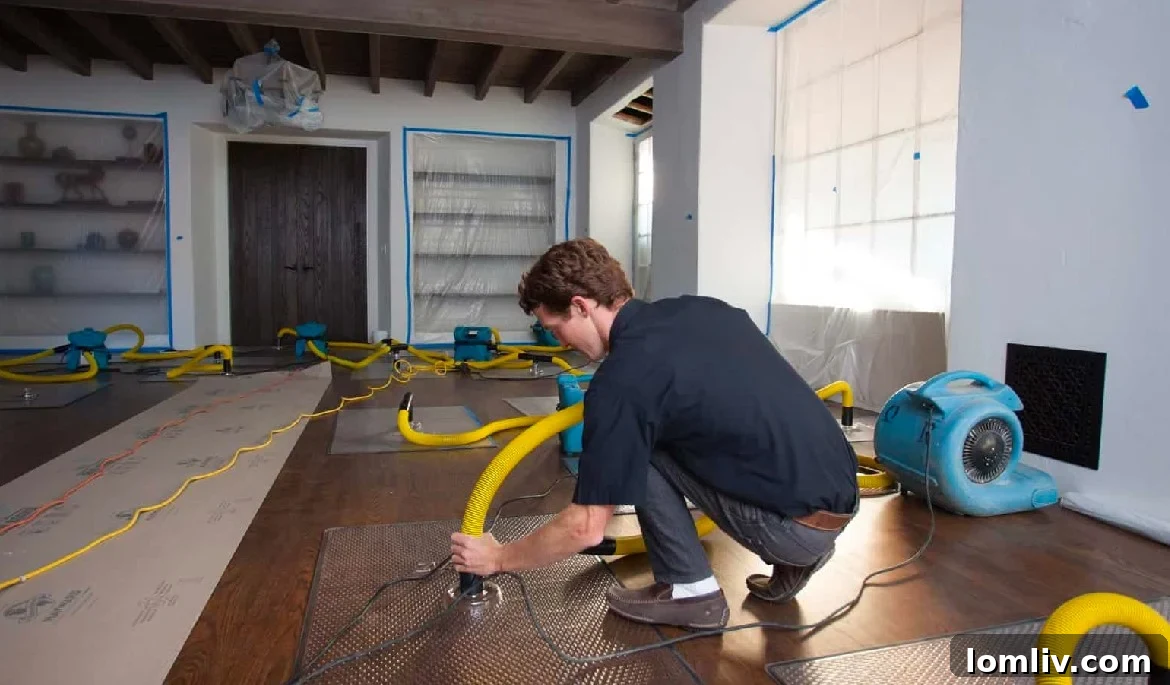
- Precision Air Circulation & Dehumidification: After extraction, powerful commercial-grade air movers are strategically placed to create optimal airflow across all wet surfaces, accelerating the evaporation process. Simultaneously, industrial-strength dehumidifiers (such as low-grain refrigerant (LGR) or desiccant dehumidifiers) are deployed. These machines work to pull moisture from the air, preventing re-absorption into materials and creating a dry environment that inhibits mold growth. The type and number of dehumidifiers are selected based on the specific conditions and size of the affected area.
- Controlled Temperature Management: Maintaining a consistent and appropriate temperature throughout the affected area is vital for efficient drying. Warmer temperatures can accelerate evaporation, making the drying process more effective. Restoration experts will monitor and adjust indoor temperatures using specialized heaters or by leveraging the building’s HVAC system to create the ideal drying conditions.
- Continuous Monitoring and Evaluation: The drying process is not a “set it and forget it” task. Restoration technicians continuously monitor moisture levels in walls, floors, ceilings, and other structural components using advanced moisture meters, hygrometers, and thermal imaging cameras. These tools detect hidden pockets of moisture that would otherwise be missed, ensuring every inch of the affected area is thoroughly dried to industry standards. This meticulous monitoring ensures the property is not only dry to the touch but dry beneath the surface, preventing future issues.
This comprehensive approach to drying ensures that your property is not just superficially dry, but truly dry throughout, safeguarding against long-term problems and restoring the integrity of your home.
Proactive Protection: Essential Strategies for Preventing Future Water Damage
The most effective way to deal with water damage is to prevent it from happening in the first place. Adopting a proactive mindset and implementing regular maintenance checks can significantly reduce your risk. Here are proven strategies to safeguard your home:
- Regular Home Inspections (Roof, Windows, Foundation):
- Roof: Annually inspect your roof for missing, cracked, or loose shingles. Check flashing around chimneys, skylights, and vents for deterioration. Clear gutters and downspouts of leaves and debris at least twice a year to ensure proper water runoff, preventing overflow that can damage fascia and foundations.
- Windows & Doors: Examine the caulking and weatherstripping around windows and doors for cracks or gaps. Re-caulk or replace weatherstripping as needed to create a tight seal against rain and moisture infiltration.
- Foundation: Walk around your home’s foundation, looking for cracks, crumbling mortar, or signs of water penetration. Ensure the ground slopes away from your foundation (proper grading) to direct rainwater away from the building. Extend downspouts at least 5-10 feet away from the foundation.
- Diligent Plumbing Maintenance and Upgrades:
- Scheduled Inspections: Have a professional plumber inspect your plumbing system annually. They can identify minor leaks, corroded pipes, and potential weak points before they become major issues.
- Water Heater Care: Flush your water heater annually to remove sediment, which can extend its life and prevent leaks. Inspect hoses and connections for wear and tear, replacing them every 3-5 years.
- Pipe Insulation: In colder climates, insulate exposed pipes in unheated areas (attics, basements, crawl spaces) to prevent freezing and bursting.
- Leak Detection Systems: Consider installing smart leak detection sensors, especially in areas prone to leaks (under sinks, near water heaters, washing machines). These devices can alert you to leaks instantly via your smartphone.
- Enhance Property Drainage and Water Management:
- Proper Grading: Ensure the landscaping around your home slopes away from the foundation. Poor grading can cause water to pool against your home, leading to foundation damage and basement leaks.
- Sump Pumps: If your home has a basement or crawl space, install a sump pump with a battery backup. Test it regularly to ensure it’s functioning correctly, especially before heavy rain seasons.
- French Drains/Waterproof Barriers: For persistent yard drainage issues, consider installing French drains or other exterior waterproofing solutions that divert water away from your home’s perimeter.
- Appliance Hoses: Regularly check washing machine, dishwasher, and refrigerator ice maker hoses for cracks, bulges, or leaks. Replace rubber hoses with more durable braided stainless-steel hoses.
By integrating these preventative measures into your home maintenance routine, you can significantly reduce the likelihood of experiencing severe water damage and protect your property investment.
The Unmatched Value of Professional Water Damage Restoration
While immediate DIY cleanup steps are crucial, their effectiveness is limited. Water damage often extends far beyond what’s visible, impacting structural components and fostering hidden biological growth. This is where the specialized knowledge and equipment of professional water damage restorers become invaluable. Attempting to handle extensive water damage yourself can lead to incomplete drying, recurring problems, and even health hazards.
Professional restorers bring a comprehensive suite of advantages:
- Advanced Equipment and Expertise: Unlike household fans and vacuums, professionals utilize industrial-grade equipment such as powerful commercial-grade dehumidifiers, high-capacity air movers, and specialized water extraction tools. They are trained in the science of drying and moisture detection, capable of identifying and addressing hidden moisture pockets using thermal imaging cameras and hygrometers that homeowners simply don’t have access to.
- Comprehensive Damage Assessment: Professionals conduct a thorough assessment, categorizing the water damage (e.g., clean water, gray water, black water) and its severity. This allows them to tailor the restoration plan, including appropriate safety protocols and cleaning methods, ensuring proper handling of contaminated water and minimizing health risks.
- Preventing Secondary Damage: A key benefit of professional intervention is the prevention of secondary damage. This includes not only mold growth, which can start within 24-48 hours of water intrusion, but also wood rot, structural weakening, and damage to electronics. They apply antimicrobial treatments to inhibit mold and bacterial growth, protecting your home’s air quality and structural integrity.
- Specialized Restoration Techniques: Professional water damage specialists are equipped with advanced techniques to salvage items that might otherwise be deemed lost. This can include vacuum freeze-drying for critical documents, books, and photographs, as well as specialized cleaning and deodorization methods for personal belongings and delicate materials.
- Efficient and Faster Restoration: With their specialized equipment and systematic approach, professionals can dry out your property much more quickly and thoroughly than DIY efforts. This reduces the overall disruption to your life and gets your home back to normal faster.
- Assistance with Insurance Claims: Navigating insurance claims can be complex. Reputable water damage specialists often have experience working with insurance companies. They can provide detailed documentation, scope of work, and accurate estimates, streamlining the claims process and ensuring you receive fair compensation for the damage.
- Guaranteed Results and Peace of Mind: Professionals are certified (e.g., by the IICRC – Institute of Inspection, Cleaning and Restoration Certification) and adhere to industry standards. This ensures that the job is done correctly, thoroughly, and safely, offering homeowners genuine peace of mind knowing their property is restored to a healthy and safe condition.
Ultimately, investing in professional water damage restoration is an investment in the long-term health, safety, and value of your home, saving you from future headaches and potentially more significant expenses.
Final Thoughts on Water Damage Restoration and Prevention
Water damage, whether from a sudden flood or a slow, insidious leak, presents a formidable challenge to homeowners. However, with prompt action, vigilant monitoring for early warning signs, and the strategic support of seasoned professionals, the impact can be significantly minimized. A proactive approach to home maintenance, coupled with a swift, informed response to any water intrusion, is your best defense against extensive damage and costly repairs.
Protecting your home from water damage is about more than just physical repairs; it’s about safeguarding your investment, ensuring the health and safety of your family, and maintaining your peace of mind. Don’t let water damage overwhelm you. Be prepared, act quickly, and remember that expert help is available to guide you through every step of the restoration journey.
Need expert help with water damage restoration? Trust Water Damage Specialist to meticulously restore your property to its original condition and safeguard your most valuable investment for the long term.