Welcome to “Upon Closer Inspection,” a weekly series brought to you by the meticulous experts at Green Scene Home Inspections, dedicated to enlightening Daltxrealestate.com readers about the critical world of property assessments. Our mission is to reveal what lies beneath the surface, ensuring homeowners and buyers are fully informed about their investments.
As the air grows crisp and shadows lengthen, bringing with them the spirit of Halloween, our thoughts turn to all things spooky and surprising found within the walls of a home. From a home inspector’s unique vantage point, “scary” takes on a far more tangible meaning than ghosts and goblins. It encompasses a spectrum of concerning conditions: from imminent safety hazards and unsettling creature encounters to perplexing design choices that can truly make one shiver (who thought carpet in a bathroom was a good idea? Blek!). Indeed, many of the properties we meticulously examine could easily serve as the next stop on a haunted house tour, not because of paranormal activity, but due to very real and often hazardous hidden issues.
Join us as we pull back the curtain on some creep-tacular examples of what our seasoned inspectors have uncovered during their most memorable property evaluations. These aren’t just anecdotes; they are crucial lessons in the importance of thorough home inspections for safety and peace of mind.
Creepy Critters and Uninvited Guests: When Wildlife Meets Wiring
One of the most common, yet often unsettling, discoveries during a home inspection involves unwelcome wildlife. From scurrying rats in the attic to an array of spiders spinning webs in the crawl space, our inspectors routinely encounter creatures both big and small, alive and, at times, sadly deceased. These incidents are more than just startling; they often point to larger issues like structural vulnerabilities, poor sealing, or inadequate pest control measures.
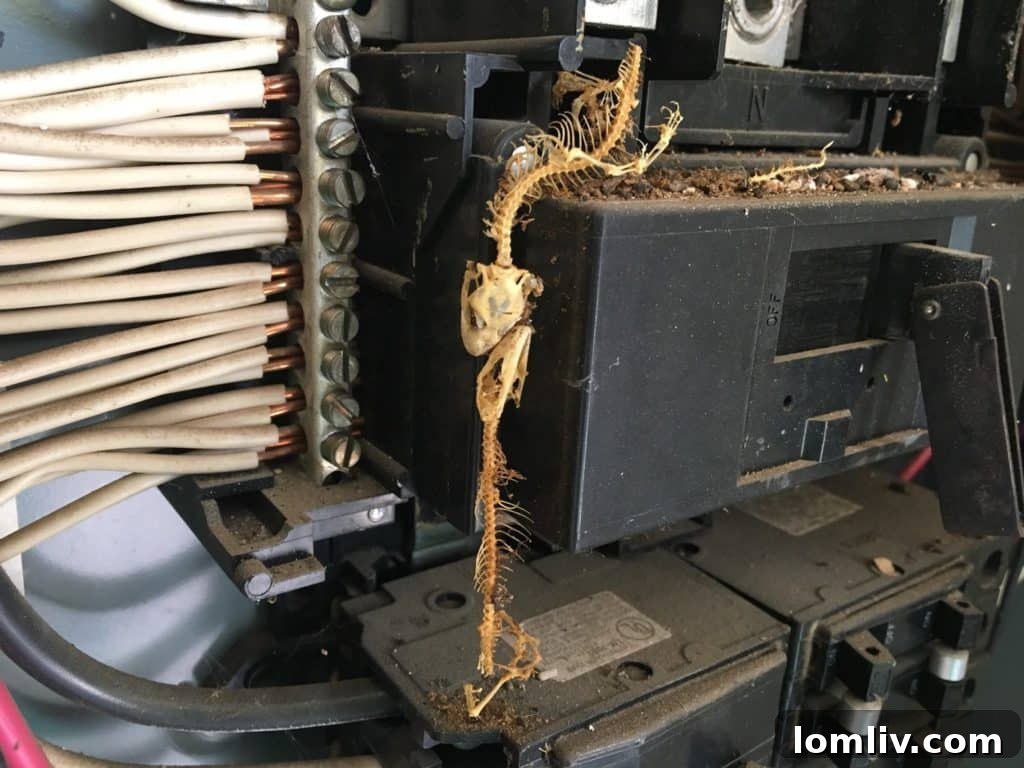
A particularly memorable — and slightly morbid — find involved a pair of lizards discovered within an electrical panel box. It appeared they had sought refuge, perhaps for warmth, but tragically met their end intertwined, almost as if in a final embrace. While a poignant image, this scenario highlights several critical concerns. Animals seeking shelter in electrical components can cause short circuits, power outages, and even fire hazards. Their presence indicates entry points that could also allow other, more destructive pests to infiltrate, leading to chewed wires, damaged insulation, and unsanitary conditions. Such discoveries underscore the necessity of sealing all potential entry points and conducting regular pest checks to safeguard your home’s infrastructure and prevent costly repairs.
Beneath Your Feet: Terrifying Tales from the Crawl Space
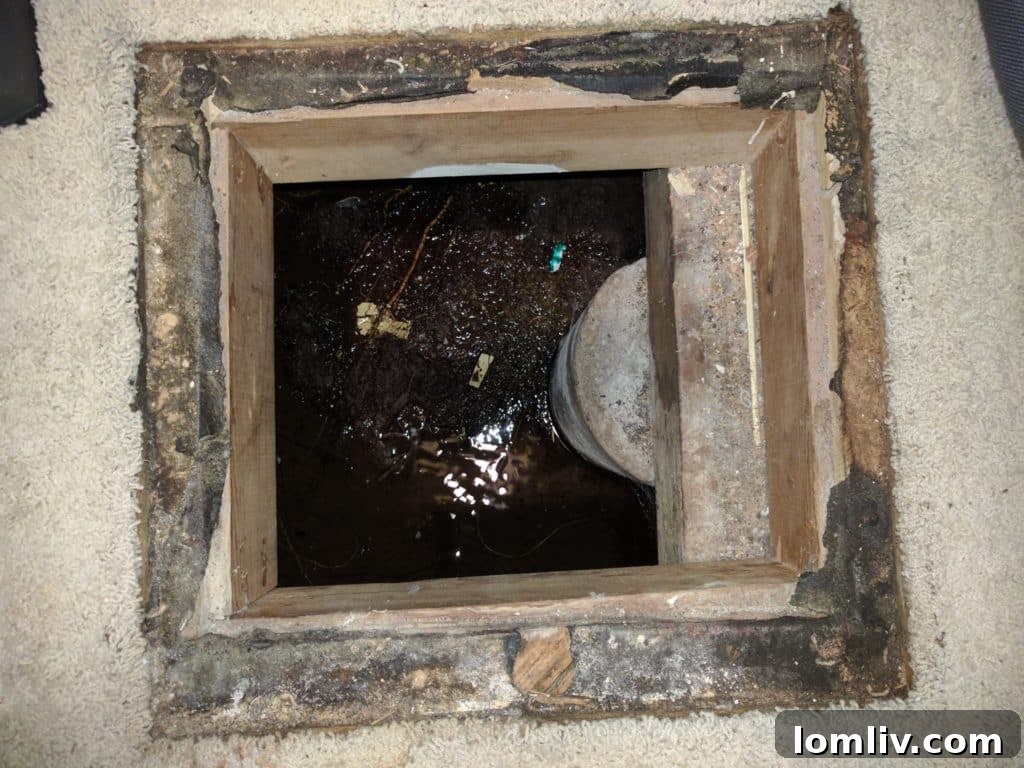
For most homeowners, the thought of venturing into the dark, damp, and often claustrophobic crawl space beneath their house is enough to induce a shiver. It’s a realm typically reserved for professionals, and for good reason. Our inspectors brave these challenging environments daily, often emerging with tales that defy belief and highlight the critical importance of a thorough crawl space inspection. We recently asked some of our most experienced team members to recount the scariest and most shocking things they’ve ever encountered in these hidden depths:
- Unexploded WWII Ordnance: Imagine discovering a live piece of military history – a relic from World War II, still potent and extremely dangerous. This was a harrowing reality for one of our inspectors, who immediately halted the inspection and called in a bomb squad. Such finds, though exceedingly rare, underscore the unpredictable nature of what can be hidden beneath older properties, especially in areas with historical military significance.
- Giant Snake Skins: While finding a shed snakeskin might seem less immediately threatening than ordnance, it’s a strong indicator that a very large snake (or multiple snakes) has recently inhabited the crawl space. This raises concerns about ongoing pest control, potential entry points for other wildlife, and, of course, the chilling thought of encountering the owner of that skin nearby during the inspection!
- Several Shallow, Human-Shaped Graves: This particular discovery pushed the boundaries of a typical property inspection into the realm of crime scene investigation. While the details remain confidential, the sheer unexpectedness and macabre nature of such a find undoubtedly made for an unforgettable (and highly unusual) inspection report, requiring immediate notification to local authorities.
Beyond these extreme examples, crawl spaces are notorious breeding grounds for more common, yet equally damaging, issues. These can include severe moisture accumulation leading to extensive mold growth, wood rot, and compromised structural integrity. Pest infestations (rodents, termites, cockroaches) thrive in neglected crawl spaces, causing structural damage and health risks. Poor ventilation, inadequate insulation, and leaky pipes are also frequently identified problems, all of which can significantly impact a home’s air quality, energy efficiency, and overall stability. A professional crawl space inspection is crucial for identifying these hidden threats before they escalate into major, costly repairs.
Silent Threats: Hazardous Building Materials and Systems
Not every item noted on a home inspection report represents an immediate catastrophe. Many findings are minor deficiencies that are good to know about and can be addressed over time. However, certain structural or system-based issues demand immediate attention due to their significant safety risks. Two such critical concerns often encountered are problematic gas lines and outdated electrical panels.
Corrugated Stainless Steel Tubing (CSST): A Hidden Fire Risk
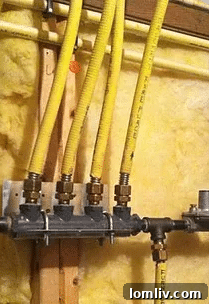
If your home, particularly one built or renovated between the 1990s and the early 2000s, contains Corrugated Stainless Steel Tubing (CSST) for its gas lines, you need to understand the potential danger and act immediately. CSST has been widely installed in approximately 10 million homes across the United States. While designed for flexibility and ease of installation, recent accidents and renewed attention from safety experts have brought its potential flaws into sharp focus.
The primary concern with CSST lies in its material composition and design. It is significantly thinner than traditional black iron pipes, making it more susceptible to punctures or damage, particularly from lightning strikes. In the event of a nearby lightning strike, even an indirect one, the electrical current can arc to the CSST, creating a small hole that allows natural gas to escape. This gas leak can quickly lead to a major fire hazard or explosion, posing an extreme threat to life and property.
The critical fix for this potential hazard involves proper grounding of the CSST system. This is typically achieved by connecting a #8 AWG copper wire from the CSST gas manifold to the main electrical panel’s ground. This bonding process ensures that any electrical current from a lightning strike is safely directed away from the gas line and into the ground, mitigating the risk of a dangerous gas leak. While this sounds like a straightforward solution, it is imperative that this task is performed by a qualified and licensed electrician or plumber who understands the specific requirements for grounding CSST in accordance with local building codes. Do not attempt this as a DIY project; the risks associated with gas and electricity are too high. For more detailed information on CSST grounding requirements and safety guidelines, consulting professional resources and your local building authority is highly recommended.
Outdated Electrical Panels: A Spark of Danger (Zinsco & Federal Pacific)
Few things are as terrifying to a homeowner as the prospect of a house fire, and certain older electrical panels are notorious for being significant fire hazards. These panels, once popular, have design flaws that can lead to catastrophic failures, making their replacement an urgent safety priority.
The Danger of Zinsco Panels
Zinsco was a popular brand of electrical panel widely installed in homes, particularly during the 1970s. While the company is now defunct, countless homes built in that era still operate with these unsafe panels. The inherent danger with Zinsco panels stems from their faulty bus bar and breaker design. The aluminum bus bars within the panel can corrode and overheat, causing the circuit breakers to melt or weld to the bus bar. When this occurs, the breaker loses its ability to trip (shut off) in the event of an overload or short circuit. This means that an electrical fault will not interrupt power, leading to excessive heat buildup, melted wires, and a very real risk of fire within the panel itself or in the home’s wiring system.
Our inspectors utilize specialized tools like thermal imaging cameras to demonstrate the invisible dangers of these panels. In the video below, an inspector uses a thermal camera to highlight how Zinsco panels can dangerously overheat, showcasing the critical need for immediate action.
If your home inspection reveals the presence of a Zinsco electrical panel, it is not merely a recommendation but a critical safety directive to call a licensed electrician immediately to have it thoroughly evaluated and replaced. Delaying this action could put your home and family at severe risk.
Other Problematic Panels: Federal Pacific Electric (FPE) Stab-Lok
It’s also worth noting that Zinsco is not the only outdated electrical panel brand with serious safety concerns. Federal Pacific Electric (FPE) “Stab-Lok” panels, commonly installed from the 1950s to the 1980s, present similar, if not greater, fire hazards. Like Zinsco, FPE breakers are known for a high failure rate in tripping when an overcurrent or short circuit occurs, potentially leading to overheating, arcing, and fire. Homeowners with FPE Stab-Lok panels should also consult a qualified electrician for an urgent safety assessment and replacement.
Beyond the Spooks: Common Design Flaws and Maintenance Nightmares
While critters and hazardous systems grab headlines, home inspectors also routinely encounter “scary” conditions that stem from poor design choices or deferred maintenance. Think of the aforementioned carpet in a bathroom – a breeding ground for mold and bacteria, or haphazard DIY repairs that compromise structural integrity or safety. Improper ventilation, inadequate drainage, shoddy wiring, and compromised roofing systems are everyday discoveries that, while not always immediate “fire hazards,” can lead to significant water damage, mold growth, structural decay, and expensive repairs down the line. These issues, though less dramatic than a bomb squad call, chip away at a home’s value and safety, making a thorough inspection an invaluable tool for preventative maintenance and informed decision-making.
The Unseen Value: Why Professional Home Inspections Are Non-Negotiable
The tales shared here are not meant to frighten but to educate. They vividly illustrate the profound importance of professional home inspections. A skilled and experienced home inspector possesses the expertise, tools, and keen eye to delve into every accessible nook and cranny of a property, uncovering potential hazards and hidden defects that an untrained eye would undoubtedly miss. From the seemingly innocuous signs of pest intrusion to the grave dangers of outdated electrical systems and hazardous gas lines, an inspection provides a comprehensive safety net for both buyers and current homeowners.
Investing in a detailed home inspection goes beyond fulfilling a contractual obligation; it’s an investment in safety, peace of mind, and the long-term value of your property. It empowers you with the knowledge needed to make informed decisions, negotiate necessary repairs, and prioritize essential home maintenance. Don’t let your dream home become a real-life horror story. Prioritize professional insight.
Want to ensure your home is safe and sound, free from these scary surprises? Schedule an inspection with the trusted experts at Green Scene Home Inspections today. We see what others miss, providing you with the clarity and confidence you deserve.