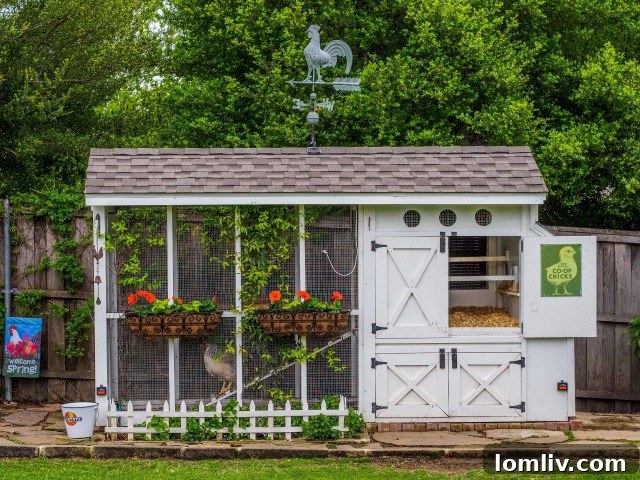
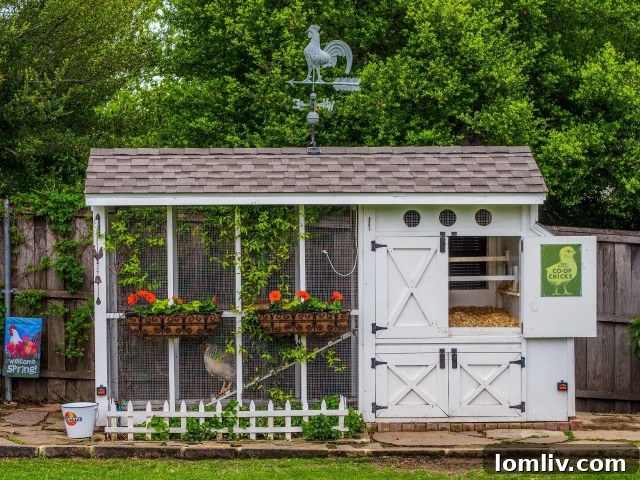
Build Your Own Backyard Oasis: The Ultimate Guide to Raising Chickens and Building a Coop
You’ve mastered the art of the victory garden, transforming your backyard into a thriving source of fresh produce. Your family has enjoyed countless hours creating DIY backyard projects, fostering creativity and connection. What’s the natural next step in your journey towards self-sufficiency and sustainable living? An investment that truly pays off: building a chicken coop and welcoming a flock of feathered friends into your home.
Raising backyard chickens is more than just a hobby; it’s a lifestyle choice that brings a wealth of benefits, from delicious, farm-fresh eggs to invaluable educational opportunities for all ages. If you’re ready to embrace the world of urban farming, we’ve got the perfect expert to guide you: the renowned Farmer Kim.
Meet Farmer Kim: A Champion for Sustainable Education
Kim Aman is no stranger to the wonders of nature and the power of hands-on learning. With a childhood steeped in the traditions of her farming grandpa, Kim developed an early and lasting passion for the outdoors. This passion, coupled with her teaching experience at Moss Haven Elementary, laid the groundwork for an extraordinary initiative that would transform her school and community.
When parents at Moss Haven Elementary expressed a desire for a school garden, Kim eagerly took up the challenge, cultivating not just plants, but also a profound sense of environmental stewardship among her students. Her vision led to the creation of the wildly successful Moss Haven garden, a vibrant outdoor classroom where children could connect with nature and learn about sustainable food systems.
In 2014, Kim’s dedication to experiential learning reached new heights with the arrival of four hens – Betty, Wilma, Thelma, and Louise – and a custom-built coop. This seemingly simple addition quickly blossomed into a vibrant 4-H club, where students learned the intricacies of poultry care and even showcased their beloved chickens at the prestigious Texas State Fair. Under Kim’s guidance, these chickens weren’t just farm animals; they became “rock stars” that captivated the hearts and minds of everyone at the school, becoming the first and last stop for children on their way to and from the playground. Even during weekends and holidays, care slots for the chickens filled instantly, a testament to the profound engagement and joy they brought.
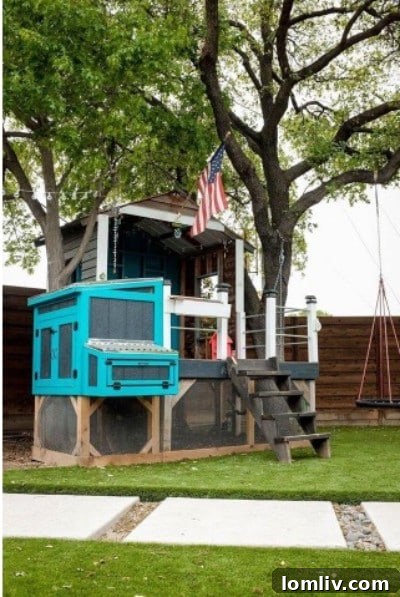
Beyond Eggs: Unveiling the Myriad Benefits of a Backyard Coop
So, you might be asking: why should I build a backyard chicken coop? While the prospect of enjoying delicious, nutritious, and incredibly fresh eggs straight from your garden is undoubtedly the primary allure, the advantages of raising chickens extend far beyond the breakfast table. Having a chicken coop offers a unique and unparalleled homeschooling lesson, especially relevant in today’s world.
1. Unmatched Freshness and Nutritional Value
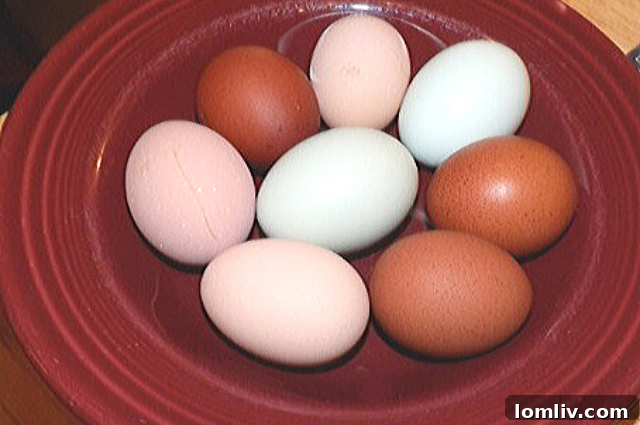
The difference between store-bought eggs and those laid by your own happy hens is astonishing. Backyard eggs boast vibrant, deep orange yolks and firm whites, indicative of their superior freshness and nutrient density. Chickens allowed to forage naturally on greens, insects, and quality feed produce eggs richer in Omega-3 fatty acids, vitamins A, D, and E, and lower in cholesterol. Imagine the satisfaction of collecting these golden treasures daily, knowing exactly where your food comes from and how it was produced.
2. The Ultimate Outdoor Classroom: Education in Action
As Farmer Kim eloquently states, “Teaching kids about raising chickens and growing nutritious food offers lessons in sustainability, health, nutrition, environment, and science.” A chicken coop transforms your backyard into a living laboratory, where children can observe and learn daily:
- Sustainability and Waste Reduction: Chickens are fantastic composters! They eagerly devour kitchen scraps, turning potential waste into valuable fertilizer and reducing your household’s footprint. This teaches children a direct lesson in circular economy principles.
- Biology and Life Cycles: From the hatching of chicks (if you dare!) to the laying of eggs, children witness the complete life cycle of an animal, understanding anatomy, reproduction, and growth firsthand.
- Environmental Stewardship: Understanding the connection between healthy animals, healthy soil, and healthy food cultivates a deep respect for the natural world.
- Social Dynamics: Observing the “pecking order” within a flock provides fascinating insights into social structures, hierarchy, and cooperation, offering an unexpected lesson in sociology.
- Responsibility and Empathy: Caring for living creatures instills a strong sense of responsibility, patience, and empathy. Children learn the importance of providing food, water, and a safe environment for their animals.
3. Natural Pest Control and Garden Enhancement
Chickens are nature’s garden assistants! They love to scratch and peck, happily consuming slugs, snails, grubs, and other garden pests. This natural pest control reduces the need for chemical pesticides. Furthermore, their droppings, when properly composted or managed through a deep litter system, become a nutrient-rich fertilizer that supercharges your garden beds, improving soil health and plant vitality.
4. Therapeutic Benefits and Stress Reduction
There’s a quiet joy in simply observing chickens as they peck and scratch, dust-bathe, or roost. For many, spending time with their flock can be a calming and meditative experience, offering a welcome break from the stresses of daily life. The simple act of collecting eggs becomes a rewarding ritual, fostering a connection to nature and a sense of accomplishment.
5. Community Connection and Local Food Movement
Sharing your abundance of fresh eggs with neighbors and friends is a wonderful way to foster community bonds. Backyard chickens connect you to the broader local food movement, encouraging a greater appreciation for locally sourced, sustainably produced food. You might even inspire others in your community to start their own backyard flocks!
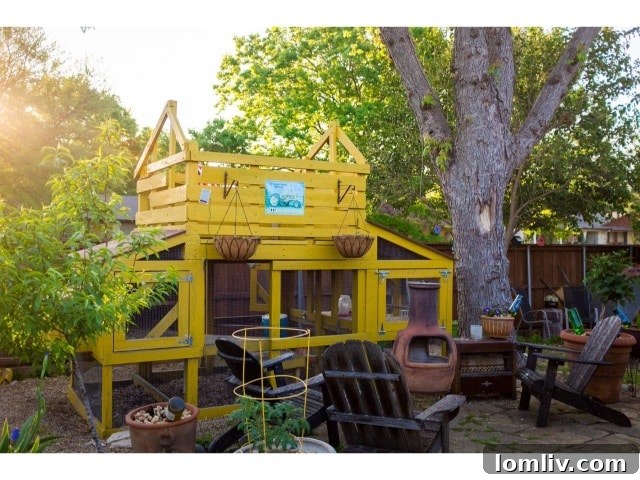
Before You Start Clucking: Understanding the Commitment
While the benefits are plentiful, embarking on your chicken-keeping journey requires careful consideration. Here’s what you need to know to ensure a successful and happy flock:
Chickens Are Pets: A Lifelong Commitment
First and foremost, understand that chickens are living creatures and a significant commitment, akin to owning a dog or cat. They can live for 5-10 years and require daily care, attention, and a safe environment. You cannot simply rehome them to an animal shelter if you decide the urban farming life isn’t for you. Go into this venture fully aware and prepared for the long haul.
Navigating City Ordinances: The Rooster Riddle
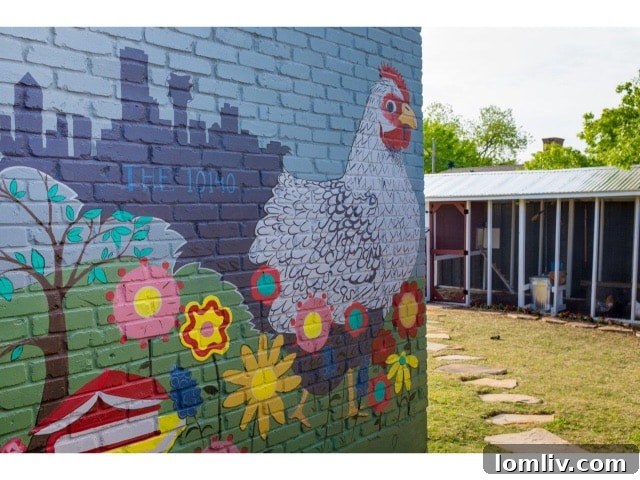
Local regulations vary widely, and it’s crucial to check your city’s ordinances regarding backyard chickens before you even purchase your first chick. A common restriction, particularly in urban areas like Dallas, is the prohibition of roosters. Baby chicks are often difficult to sex accurately, meaning you might unknowingly end up with a male. If a rooster crow becomes an issue, you’ll need a contingency plan, which often involves finding a friend or farm in the countryside willing to take him in. This underscores the importance of local research and building a network within the chicken-keeping community.
Health and Welfare: Basic Chicken Care
Chickens need a balanced diet of quality layer feed, fresh water, and occasional treats. Keep an eye out for common ailments like mites, lice, or respiratory issues. Regular coop cleaning and observation are key to maintaining a healthy flock. A basic first-aid kit for chickens can be a valuable asset for minor issues.
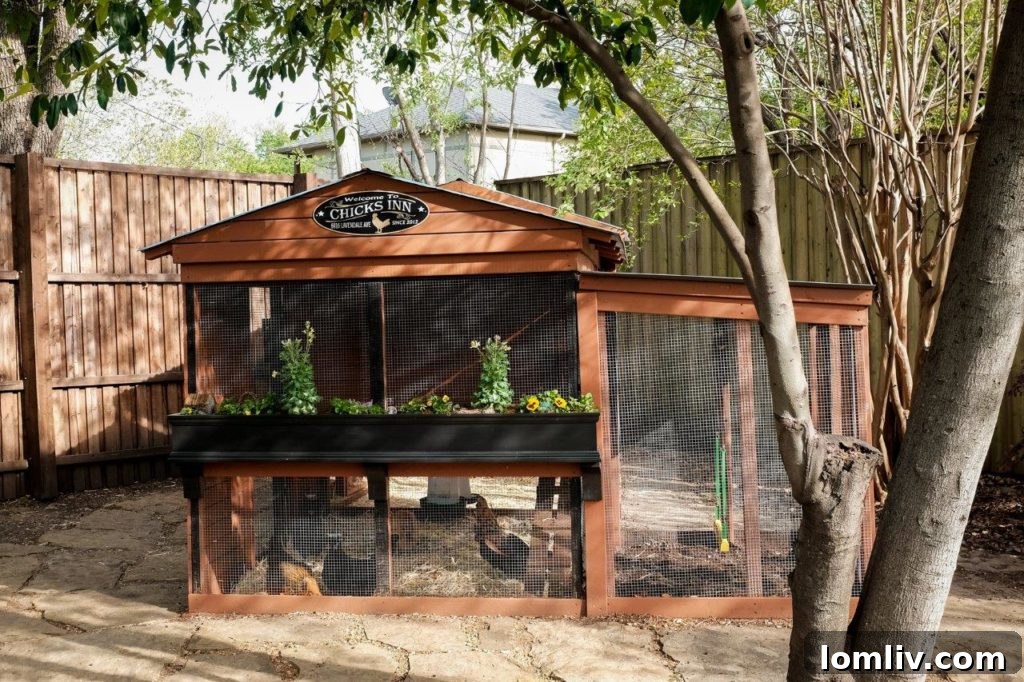
Designing Your Dream Coop: Expert Tips for Success
The foundation of happy, healthy chickens is a well-designed and maintained coop. It doesn’t have to be elaborate, but it must meet essential criteria. Here’s advice from our experts, Farmer Kim and Mike Schmitt:
Farmer Kim’s Secrets for a Clean Coop
Kim emphasizes the importance of designing your coop for easy maintenance. “Kim recommends having an easy cleanout of the nest area and using mulch on the floor. The waste gets worked into the soil and you don’t have an odor problem.” This highlights the “deep litter method,” where layers of carbon-rich bedding (like mulch, wood shavings, or straw) are added to the coop floor. The chickens’ natural scratching action helps to aerate the litter, which, combined with beneficial microbes, breaks down their waste, reducing odors and creating rich compost directly in the coop. This system not only minimizes cleaning efforts but also provides insulation and entertainment for your flock.
Mike Schmitt’s Practical Coop Construction Advice
Mike Schmitt, a Forest Hills resident and owner of White Rock Lake Real Estate, offers invaluable practical pointers for coop construction:
- Build for Your Comfort Too: “Build your coop for your comfort as well as your chickens. You want to walk in and be able to stand up straight inside the coop.” This is crucial for ease of cleaning, collecting eggs, and general interaction with your flock, preventing backaches and making daily chores more enjoyable.
- Adequate Roof Space and Insulation: “Adequate roof space is important for insulation in the winter.” A well-designed roof with proper overhangs protects against rain and snow, while insulation helps keep the coop cool in summer and warm in winter, crucial for the chickens’ health and egg production.
- Fortress Against Predators: “The other important thing to know is you must protect your chickens from predators. Use hardware cloth and screw it into the wood about two feet deep.” Predators like raccoons, coyotes, hawks, and even domestic pets are a constant threat. Hardware cloth (not chicken wire, which is too flimsy) with a small mesh size should be used to enclose the entire run and vent openings. Burying it deep around the perimeter prevents digging predators, while a secure latch on the door is non-negotiable.
- Room to Roam: “Give your chickens room to roam a few hours a day. Free-range chickens are happy chickens!” While a secure run is essential, allowing chickens supervised time to free-range in a safe area provides mental stimulation, exercise, and access to natural forage, resulting in healthier, happier birds and superior eggs.
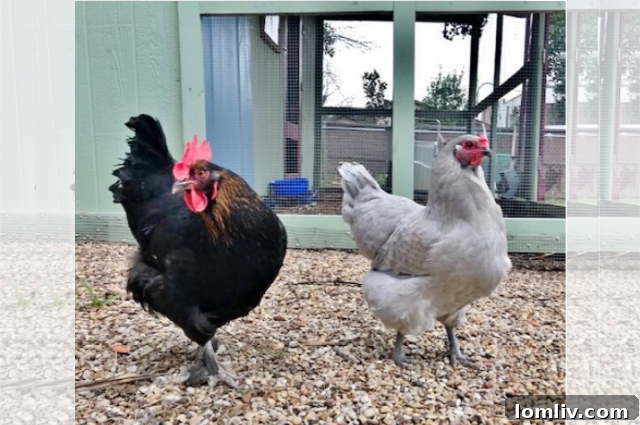
Essential Coop Components for Happy Hens
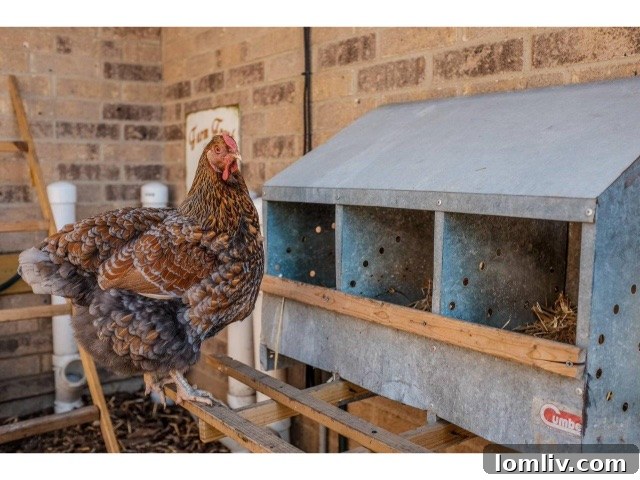
- Nesting Boxes: Provide at least one nesting box for every 3-4 hens, filled with soft bedding like straw. This gives hens a private, comfortable space to lay their eggs.
- Roosting Bars: Chickens instinctively perch at night. Install sturdy roosting bars (round branches or 2x2s with rounded edges) higher than the nesting boxes to prevent them from sleeping in their nesting areas.
- Feeders and Waterers: Choose designs that minimize waste and stay clean. Ensure constant access to fresh water.
- Ventilation: Proper ventilation is critical to prevent moisture buildup and respiratory issues, especially in hot climates. Ensure good airflow without creating drafts directly on the birds.
- Location: Site your coop in a location that offers some shade during the hottest parts of the day and protection from harsh winds. Ensure good drainage to prevent muddy conditions.
Ready to Start Your Flock? Valuable Resources Await!
Embarking on the adventure of raising backyard chickens is a rewarding endeavor that connects you with nature, provides fresh food, and offers endless learning opportunities. With the right preparation, a well-designed coop, and a commitment to care, you’ll be enjoying your own golden eggs in no time. If you’re ready to get started, here are a few useful resources to help you along the way:
- Moss Haven Farm: Learn more about their incredible educational initiatives.
- Grow Gardens Grow: Resources for cultivating your green thumb and sustainable practices.
- Rooster Home and Hardware: Your go-to for tools and supplies.
- Roach Feed and Seed: A trusted source for feed, chicks, and expert advice.
- Urban Chicken Inc.: Connect with a community of urban chicken keepers.
- Backyardchickens.com: A vast online forum and resource for all things backyard chicken-related.