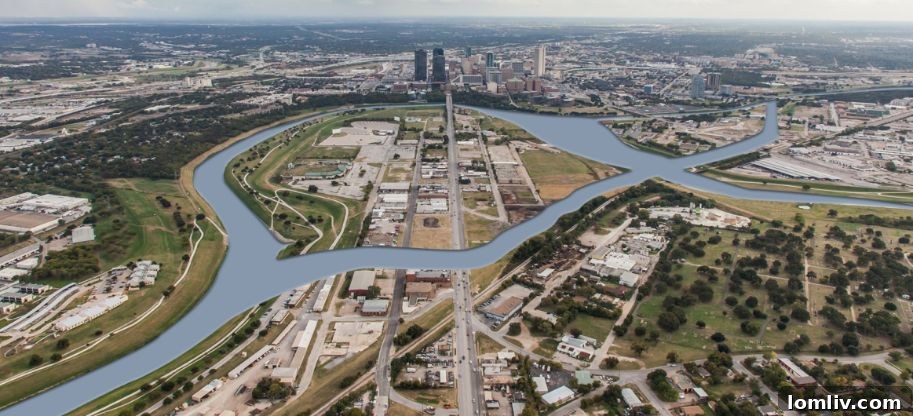
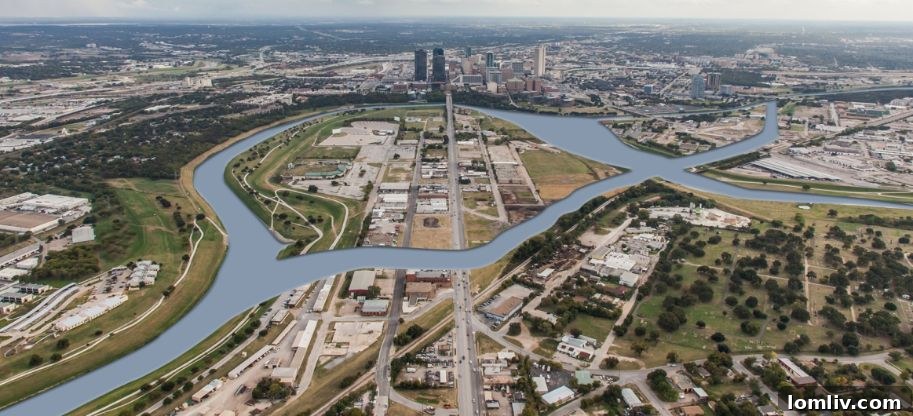
For nearly two decades, the ambitious and often controversial Panther Island project in Fort Worth, Texas, has been a focal point of urban planning discussions, political debate, and public anticipation. Envisioned as a transformative billion-dollar initiative, its primary goal is comprehensive flood control for the city while simultaneously paving the way for a vibrant new urban district centered around a rerouted Trinity River. On June 15, a distinguished panel of city leaders, academic experts, and strategic consultants will converge to critically examine the project’s progress, its inherent challenges, and its future viability. This crucial meeting aims to address the persistent question: how can this politically charged plan finally move forward, and perhaps more fundamentally, should it?
The highly anticipated discussion surrounding Panther Island is scheduled as a sold-out breakfast event at Texas Wesleyan University, commencing at 7:30 a.m. on June 15. The widespread interest in this gathering underscores the community’s deep engagement and concern regarding the project’s trajectory. Expectations are high for a candid and insightful exchange, given the significant impact Panther Island is projected to have on Fort Worth’s landscape and economy.
Attendees and stakeholders are eager to hear from the esteemed panelists who bring a diverse range of perspectives to the table. These include Andy Taft, the respected president of Downtown Fort Worth Inc., offering insights into urban revitalization and downtown development; Dennis Chiessa, an accomplished architect and professor from The University of Texas at Arlington, providing expertise in design and urban form; and Susan Alanis, the chief operating officer of Tarrant County College, contributing a perspective on public sector operations and community engagement. Their collective knowledge promises a multifaceted analysis of the complex issues at hand.
Further enriching the dialogue, a representative from HR&A Advisors, a prominent firm tasked with master-planning the future real estate development within and around the Panther Island district, will join the conversation. Their involvement is particularly significant given their strategic role in shaping the economic and urban fabric of the proposed island. The entire session will be expertly moderated by Michael Bennett, the CEO of Bennett Partners, known for his ability to navigate complex discussions and foster productive dialogue among diverse viewpoints.
The event has been explicitly advertised as a “challenging conversation,” signaling an intent to delve into the project’s most contentious aspects without reservation. As Chris Cobler of Fort Worth Report articulated in a press release, “The long-awaited Panther Island project has been the center of political tensions in Fort Worth for almost two decades. The project will be located near downtown and is estimated to cost over $1 billion. Some are sure it will help our city flourish, while others doubt the project will be worth the price. Join us as we analyze what happens next for Panther Island.” This statement perfectly encapsulates the polarized views and the critical need for a transparent discussion on the project’s future and its true value to the community.
Unpacking the Vision: The Genesis and Evolution of Panther Island
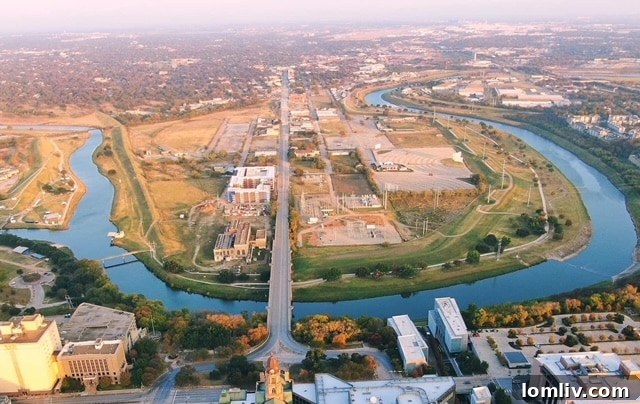
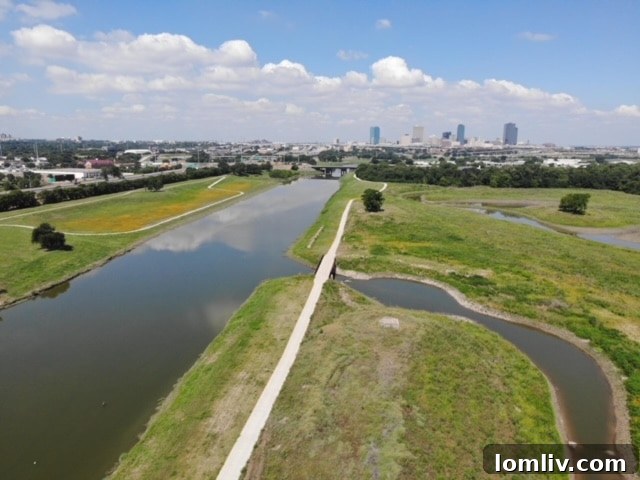
At its core, the Panther Island project is a dual-purpose endeavor. Firstly, it addresses an urgent public safety concern: mitigating the risk of catastrophic flooding from the Trinity River, which has historically threatened downtown Fort Worth. The existing levee system, while functional, presents long-term vulnerabilities. The proposed solution involves carving a 1.5-mile bypass channel to reroute a section of the Trinity River, effectively creating an island – Panther Island – and significantly enhancing flood protection for the entire region. This crucial infrastructure work is being overseen by the U.S. Army Corps of Engineers, a testament to its scale and national importance.
Secondly, beyond its vital flood control function, Panther Island is envisioned as a catalyst for unprecedented urban revitalization. The creation of a new river channel will open up approximately 800 acres of land for a mixed-use urban waterfront development. This ambitious plan includes proposals for thousands of new residential units, diverse retail and commercial spaces, parks, entertainment venues, and a vibrant riverwalk akin to the iconic San Antonio Riverwalk. The aim is to create a dynamic, walkable urban environment that will attract businesses, residents, and tourists, thereby significantly boosting Fort Worth’s economic growth and enhancing its appeal as a premier Texas city.
The concept emerged almost two decades ago, driven by the foresight of city leaders to transform a largely underdeveloped industrial area north of downtown into a thriving urban center while simultaneously tackling critical flood infrastructure needs. The integration of flood control with economic development was seen as a way to leverage significant public investment for maximum community benefit. However, the path from concept to reality has been fraught with challenges, largely due to the sheer complexity of a project of this magnitude, its multi-agency involvement, and the ever-present funding hurdles.
Funding Fort Worth’s Future: The Financial Realities of Panther Island
Securing the substantial funding required for a project exceeding $1 billion has been one of Panther Island’s most persistent hurdles. A March article in The Fort Worth Report highlighted recent progress, noting that Panther Island received an additional $20 million in federal funding specifically allocated for critical flood mitigation efforts. While this was a welcome development, the article underscored the significant financial gap that remains: an additional $98 million is still required for the U.S. Army Corps of Engineers to fully complete the flood protection components and safeguard “Cowtown” – a beloved moniker for Fort Worth – from a major flooding event. This ongoing reliance on federal appropriations means that the timeline and overall progress of the vital public safety work are inherently tied to congressional budgeting cycles and national priorities, making consistent, predictable funding a constant challenge.
Beyond the federal funds for flood control, the broader economic development aspects of Panther Island require a complex mosaic of public and private investment. Consultants with HR&A Advisors – the same distinguished group currently overseeing Dallas’ historic preservation plan overhaul – were specifically engaged to strategize and plan the real estate development in and around Panther Island. Their expertise is crucial in attracting the private capital necessary to transform the raw land into a vibrant urban core, designing appropriate zoning, and establishing incentive structures that will encourage significant private sector involvement.
However, the protracted timeline has had tangible economic and social consequences. While the essential flood mitigation work progresses at the pace dictated by federal government timelines and budgets, the community has been left in a state of limbo regarding housing and broader economic development. Over the years, this uncertainty has led to businesses shuttering their doors, private property being acquired through eminent domain – a process that, while necessary for public projects, can be deeply unsettling for affected residents and business owners – and critical road infrastructure being rerouted. These disruptions underscore the profound human and economic costs associated with prolonged project delays and the inherent challenges of executing such a massive public-private undertaking.
As one Tarrant County resident candidly expressed to daltxrealestate.com, summing up the frustration, “It’s a huge mess. Lots of people have given up a lot for nothing.” This sentiment resonates with many who have witnessed the slow pace of progress, the empty lots, and the detours, leading to a palpable sense of impatience and a demand for clearer direction and accountability. The sheer volume of bureaucracy involved, coupled with the astronomical sums of cash needed to bring this vision to fruition, has indeed created a labyrinth of approvals, funding cycles, and logistical challenges that have tested the patience of many.
Navigating the Political Currents: Leadership, Oversight, and Controversy
The Panther Island project has been inextricably linked with significant political figures and has, at times, been a source of considerable political tension. Former Fort Worth Mayor and long-serving U.S. Representative Kay Granger has been a steadfast champion of the project, leveraging her considerable influence in Washington to advocate for federal funding and support. Her dedication has been instrumental in securing the critical federal appropriations that have kept the flood control components moving forward, albeit slowly.
For more than a decade, her son, J.D. Granger, served as the executive director of the Trinity River Vision Authority (TRVA), the entity responsible for overseeing the Panther Island development under the umbrella of the Tarrant Regional Water District. His leadership position, combined with his mother’s political power, frequently drew scrutiny and became a focal point for media attention and public debate. Approximately a year ago, J.D. Granger resigned from his role, marking a significant shift in the project’s leadership and opening a new chapter for its management and oversight.
Throughout its lengthy development, the project has been marred by a series of lawsuits, scathing editorials, and allegations of mismanagement, many of which centered around the perception of the Granger family’s deep involvement. These controversies fueled public skepticism and contributed to the project’s reputation as politically charged and opaque. The consistent questions about accountability, transparency, and the efficient use of public funds have made it imperative for current leadership to rebuild trust and demonstrate clear progress. The departure of J.D. Granger and the subsequent discussions aim to address these long-standing concerns and provide a fresh perspective on how to move forward effectively.
The Road Ahead: What’s Next for Fort Worth’s Panther Island?
As Fort Worth stands at this critical juncture, the community, city leaders, and stakeholders are collectively holding their breath, waiting to see what unfolds next for Panther Island. The June 15 meeting is not merely a discussion; it is positioned as a pivotal moment, an opportunity to reset expectations, address past criticisms, and chart a clear, actionable path forward. The “challenging conversation” is expected to tackle tough questions head-on, including strategies for securing the remaining flood control funding, accelerating private development, and re-engaging a public that has grown weary of delays and unfulfilled promises.
The success of Panther Island hinges on several key factors:
- Consistent Funding: The immediate priority remains securing the outstanding federal funding for the Army Corps of Engineers to complete the essential flood protection infrastructure. Without this foundational work, the vision for an urban waterfront cannot be fully realized.
- Private Sector Engagement: Attracting significant private investment is crucial for the mixed-use development component. This requires a stable regulatory environment, clear development guidelines, and confidence in the project’s overall momentum.
- Community Trust: Rebuilding public trust through transparency, clear communication, and demonstrable progress is paramount. Addressing the concerns of residents and businesses impacted by eminent domain and delays is essential for broad community support.
- Effective Governance: Strong, accountable leadership from the Trinity River Vision Authority and the Tarrant Regional Water District will be vital in streamlining processes, coordinating efforts across multiple agencies, and maintaining consistent oversight.
If successful, Panther Island promises to be a transformative asset for Fort Worth, offering not only enhanced flood protection but also a vibrant urban core that will drive economic growth, create jobs, and provide unparalleled recreational and living spaces. It has the potential to redefine Fort Worth’s identity as a modern, forward-thinking city with a unique urban waterfront. However, should the project continue to face significant delays, funding shortfalls, or public opposition, it risks becoming an enduring symbol of unfulfilled potential and a drain on public resources. The coming months, particularly following the June 15 discussion, will be instrumental in determining which future awaits this ambitious Fort Worth endeavor.
Stay tuned to daltxrealestate.com for comprehensive coverage of the June 15 meeting and ongoing updates regarding the Panther Island project’s pivotal next steps. Your trusted source for Dallas-Fort Worth real estate news will bring you the insights and analysis needed to understand the evolving landscape of this monumental undertaking.