Preserving Dallas’s Heritage: The Vital Role of Historic Tax Exemptions
Dallas, a city celebrated for its dynamic growth and modern skyline, also boasts a rich tapestry of history woven into its architectural heritage. From iconic landmarks to charming neighborhood structures, these historic buildings are more than just brick and mortar; they are tangible links to our past, embodying the stories, struggles, and triumphs that shaped the metropolis we know today. However, the preservation of these irreplaceable assets comes with a significant challenge: the often prohibitive cost of rehabilitation. Modernizing and restoring historic properties to contemporary standards while adhering to preservation guidelines is an incredibly expensive and time-consuming endeavor. Recognizing this crucial need, the City of Dallas implemented a vital program designed to encourage and support these restoration efforts.
In 1993, the City of Dallas initiated a historic tax exemption program, a forward-thinking incentive aimed at safeguarding its invaluable built environment. This program, expertly managed by the Office of Historic Preservation, serves as a cornerstone of the city’s commitment to heritage conservation. It provides essential financial relief to property owners undertaking rehabilitation projects on historic properties officially designated as City of Dallas landmarks or those contributing to the character of landmark districts. This incentive helps bridge the financial gap, making otherwise daunting restoration projects economically viable and, in turn, ensuring that Dallas’s unique architectural legacy endures for future generations.
The Impending Expiration: A Call to Action for Dallas’s Heritage
Despite its proven success and critical importance, the continuity of this vital program faced a significant hurdle. According to Preservation Dallas, a leading advocate for the city’s historic places, the then-current version of this indispensable program was slated to expire at the close of 2020 if no decisive action was taken by the City Council. The prospect of losing such a powerful tool for preservation sent ripples of concern through the historic preservation community and among property owners dedicated to restoring Dallas’s past.
“This program has been incredibly important and helpful to the rehabilitation of both residential and commercial historic properties,” Preservation Dallas emphasized in an urgent advocacy alert. The organization highlighted how the tax exemption had been instrumental in bringing numerous historic structures back to life, transforming them into vibrant, functional spaces while maintaining their original character. Without this financial incentive, many complex and costly rehabilitation projects would simply not be feasible, leading to potential neglect, deterioration, or even demolition of significant historic assets.
Success Stories: The Tangible Impact of Preservation Incentives
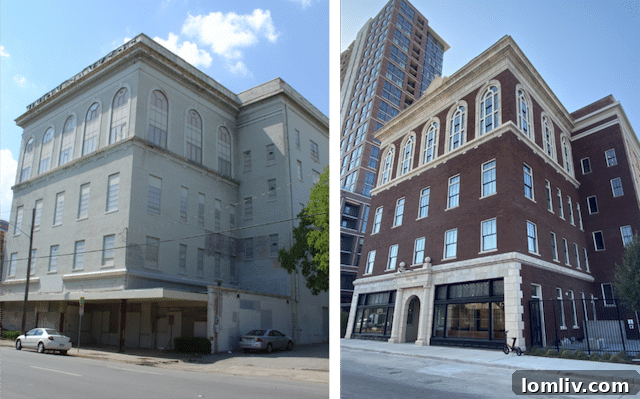
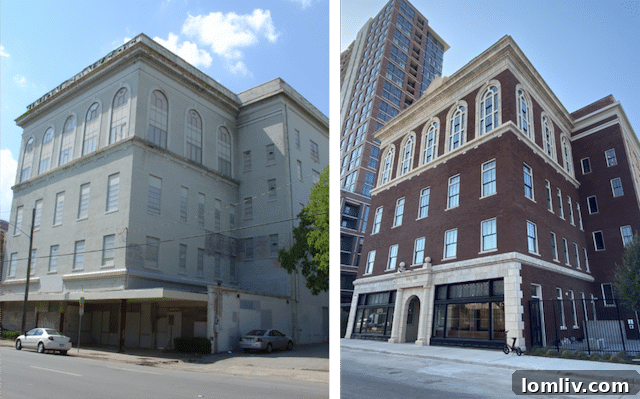
The efficacy of the historic tax exemption program is best illustrated through its tangible impact on Dallas’s streetscape. Numerous high-profile projects, which might otherwise have remained unrealized, have benefited immensely from these tax exemptions. A prime example is the iconic Knights of Pythias building. This architectural gem, a testament to early 20th-century craftsmanship, recently completed a massive and intricate rehabilitation. This ambitious undertaking, significantly aided by the tax exemption, transformed the historic structure into the magnificent Pittman Hotel, breathing new life into a cherished landmark. The Pittman Hotel stands today not only as a beacon of modern hospitality but also as a powerful symbol of successful historic preservation, demonstrating how heritage can be celebrated and integrated into contemporary urban development.
Beyond marquee projects like The Pittman Hotel, the program has quietly supported countless other rehabilitation efforts, from individual historic homes in landmark districts to smaller commercial properties. These projects, though less publicized, collectively contribute to the economic vitality and unique character of Dallas’s neighborhoods. They ensure that historic areas remain attractive and desirable places to live, work, and visit, fostering a sense of community and connection to the city’s layered past. The ripple effect extends to local economies, creating jobs for skilled tradespeople, architects, and artisans specializing in historic restoration, while also increasing property values and generating new tax revenues from revitalized commercial spaces.
The City Council’s Critical Decision: Extending the Sunset
The future of Dallas’s historic built environment hinged on the decision of the City Council. The renewal of the historic tax exemptions was placed on the consent agenda at a crucial Wednesday Dallas City Council meeting, proposing to extend the program’s sunset clause to 2025. This extension was not merely a bureaucratic formality; it represented a profound commitment to the city’s past and its future. Approving the extension meant continuing to provide the necessary financial framework for property owners to invest in preserving Dallas’s unique architectural identity, safeguarding it from the pressures of neglect and redevelopment.
The city’s commitment to historic preservation, however, often comes under scrutiny regarding its financial implications. According to the City of Dallas website, extending this program meant that the city’s coffers would forego just over $4 million over a five-year period. On the surface, this figure might seem substantial, prompting questions about the allocation of city resources. However, it is crucial to view this “foregone revenue” not as an expense, but as a strategic investment in the city’s long-term prosperity and cultural richness.
A Sound Investment: Beyond the Balance Sheet
When considered within the context of Dallas’s robust annual budget, which historically hovers around $3.6 billion, the $4 million over five years allocated for historic tax exemptions represents a remarkably modest investment. This sum, representing a mere fraction of the city’s financial capabilities, yields disproportionately significant returns that extend far beyond simple accounting entries. The benefits of these tax exemptions are multifaceted and contribute to the overall well-being and economic vitality of the city.
Firstly, historic preservation is a powerful catalyst for economic development. Rehabilitation projects create jobs across various sectors, from specialized construction trades and architectural design to material suppliers and local businesses that benefit from increased activity in revitalized areas. These are often high-skill jobs that keep local economies thriving. Secondly, preserved historic districts become unique cultural destinations, attracting tourism, which in turn boosts local businesses, restaurants, and hotels, generating additional tax revenue for the city. Thirdly, investing in existing structures is inherently sustainable. It reduces the need for new construction materials, minimizes construction waste, and often results in more energy-efficient buildings over time, aligning with modern environmental goals.
Furthermore, historic properties, when well-maintained, contribute to property value appreciation in their surrounding areas. They enhance the aesthetic appeal and unique character of neighborhoods, making them more desirable places to live and invest. The cultural and social benefits are equally profound. Historic buildings provide a sense of continuity and identity, fostering community pride and connecting residents to their shared heritage. They are invaluable educational tools, offering insights into past architectural styles, social customs, and technological advancements.
From an urban planning perspective, these exemptions encourage adaptive reuse, preventing urban sprawl and maximizing the utility of existing infrastructure. They help maintain the human scale and distinctive character of Dallas, preventing it from becoming a monolithic landscape of new developments. Therefore, the tax exemptions for the renovation and rehabilitation of historic Dallas buildings are not just well spent; they are an indispensable investment in the city’s character, economy, and future sustainability.
Championing Dallas’s Heritage: Your Voice Matters
The continued success of Dallas’s historic preservation efforts relies on the collective understanding and support of its citizens. The decision to renew and extend the historic tax exemption program underscores the city’s recognition of the profound value of its architectural heritage. However, the ongoing commitment to these programs requires consistent advocacy and engagement from the community.
Do you agree that preserving Dallas’s historic buildings is a worthy investment? Do you believe these tax exemptions are crucial for maintaining the unique character and economic vitality of our city? Your perspective and engagement are vital in shaping the policies that protect and celebrate Dallas’s past while building its future. Feel free to contact your Dallas City Council member to share your thoughts on the importance of historic preservation and the programs that support it. By actively participating in this dialogue, you contribute to a Dallas that honors its history, embraces its present, and builds a sustainable and culturally rich future for all.