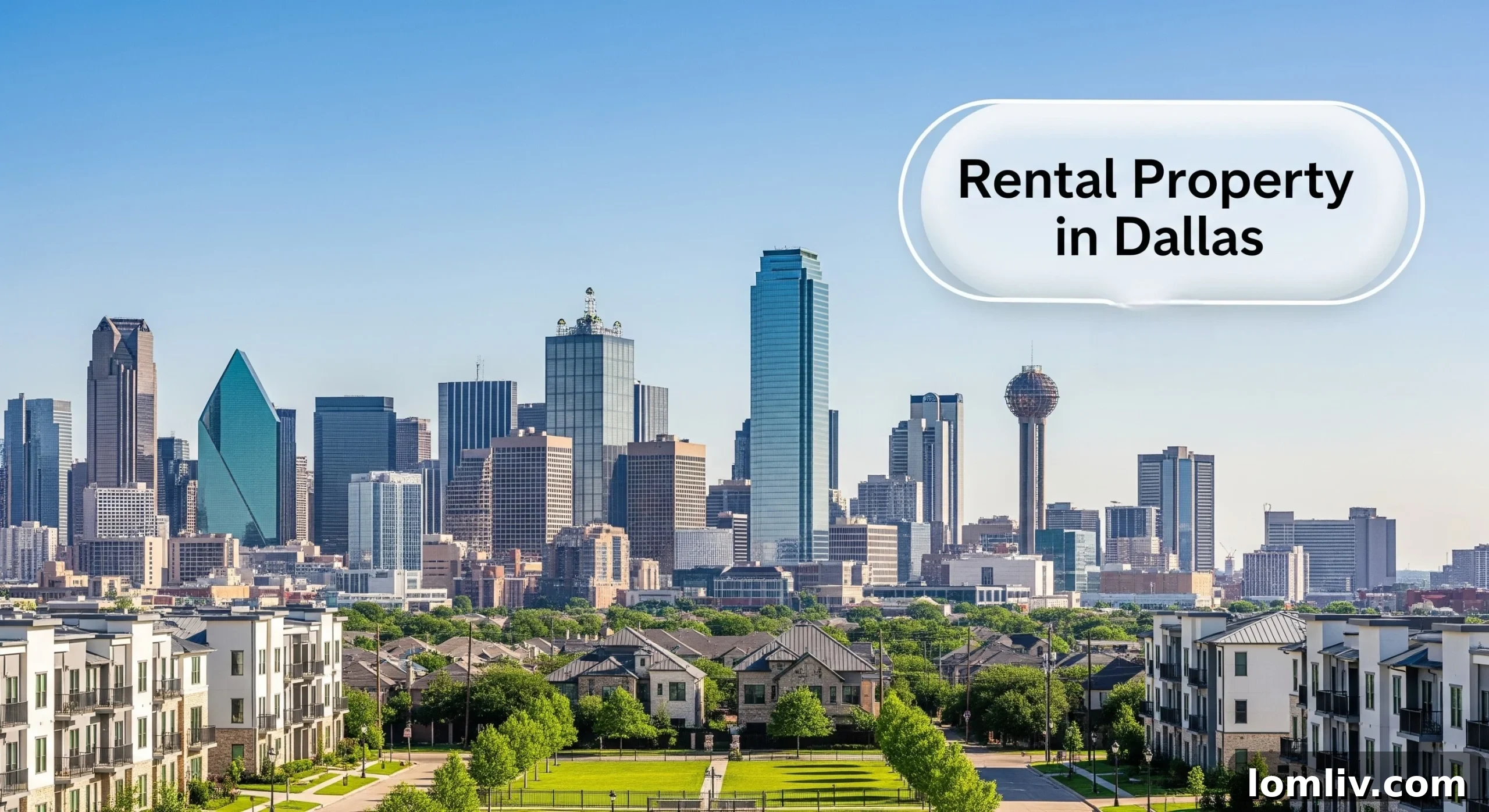

Dallas-Fort Worth (DFW) stands as a beacon of economic growth and opportunity, making it a premier destination for real estate investors. With over 20 Fortune 500 companies calling DFW home and a population surge exceeding one million residents in the last decade, the region’s trajectory points towards sustained expansion. This robust growth fuels a dynamic housing market, positioning Dallas as one of the most compelling markets for residential real estate investment across the nation. Investors are drawn to DFW’s high tenant demand, consistent property appreciation, and a legislative environment that is generally landlord-friendly.
However, navigating the Dallas real estate landscape successfully requires a comprehensive understanding of its unique challenges. Critical factors such as property taxes, insurance costs, evolving tenant expectations, strategic neighborhood selection, adherence to legal requirements, and efficient day-to-day property management all significantly influence the profitability and success of your investment. This guide delves into these essential considerations, equipping prospective investors with the knowledge necessary to make informed decisions before acquiring residential rental property in Dallas.
Understanding Dallas Property Taxes

One of the most significant ongoing expenses for Dallas real estate investors is property taxes. Unlike many states, Texas does not impose a state income tax, which is a major draw for businesses and residents alike. However, this is largely offset by comparatively higher property taxes, which are levied at the local level by various taxing units. These units typically include the City, School District, County, College District, Hospital District, and potentially other Special Districts, each contributing to the overall tax rate.
The Dallas Central Appraisal District (DCAD) is responsible for appraising each property within Dallas County annually, determining its market value. This appraised value, minus any applicable exemptions, is then multiplied by the combined tax rates of all relevant jurisdictions to calculate the property’s annual tax liability. For investors, accurately projecting these property taxes is paramount. According to taxfoundation.org, Texas consistently ranks among the states with the highest property tax burdens, underscoring the necessity of conservative and precise tax projections when developing cash flow proformas for your investment properties.
Navigating the complexities of Dallas property taxes can be challenging. This is where the expertise of a local property tax consultant becomes invaluable. These professionals possess an in-depth understanding of the local appraisal process, including strategies for property tax protests, and often have established relationships with local officials. Their insights can lead to significant value creation for investors, both in the near and long term, by effectively limiting tax liability and ultimately enhancing investment cash flow. Engaging a consultant can transform a potentially overwhelming expense into a manageable and optimized component of your investment strategy.
Managing Insurance Costs in Dallas
Beyond property taxes, insurance premiums represent another substantial, often underestimated, expense for real estate investors in Dallas. Texas’s geographic location and climate make it susceptible to a range of natural disasters, directly influencing the cost of insurance. In fact, nerdwallet.com identifies Texas as the second most expensive state for homeowners insurance, with an average annual premium around $4,585. Understanding the specific natural phenomena that drive these costs in the Dallas market is crucial for effective financial planning.
Wind, Hail, and Severe Weather
- Tornadoes – Positioned in the southern part of “Tornado Alley,” Dallas typically experiences 2-3 tornadoes each year. The city witnessed a particularly severe outbreak in 2019, when nine tornadoes caused an estimated $2 billion in damages, significantly impacting insurance rates and coverage availability.
- Severe Thunderstorms – Dallas faces a high frequency of severe thunderstorms, which bring with them damaging high winds, lightning, and hail. These storms lead to an average of $102 million in damages annually. Dallas County, in particular, consistently reports the highest expected annual losses from storm damage within the state, primarily due to hail and intense thunderstorm activity.
Extreme Heat and Geotechnical Challenges
Dallas also ranks high among major U.S. metropolitan areas for foundation-related issues. The region’s expansive clay soils, combined with extreme heat and fluctuating moisture levels, can lead to significant soil movement. This movement often results in costly foundation problems, averaging approximately $5,100 per repair. Insurance policies for rental properties need to be carefully reviewed to understand coverage for such structural damages.
Impact of Winter Storms
Although not an annual occurrence, Dallas has experienced extreme winter storms that inflict widespread damage. The 2021 winter storm Uri, for instance, caused unprecedented infrastructure failures and property damage across Texas. While specific damage figures for Dallas are not readily available, the Dallas Fed estimated the storm’s economic impact on the entire Texas economy to be between $80 billion to $120 billion. Such events highlight the need for comprehensive insurance coverage that accounts for diverse weather-related risks.
Given the volatility of weather patterns and the increasing frequency of severe events, it is imperative that insurance costs are underwritten conservatively in an investor’s financial projections. The market has seen substantial shifts; for example, AARP reports that Texas homeowners insurance premiums escalated by around 57% from 2015 to 2023. To mitigate these rising costs and manage policies efficiently, many investors are leveraging insurance automation software. These platforms streamline premium comparisons, simplify policy renewals, and facilitate claims management, thereby reducing administrative overhead and ensuring optimal coverage in a dynamic market.
Understanding Tenant Expectations in Dallas
For any residential real estate investment to thrive, it must effectively cater to the expectations of its target tenant market. Dallas, being a diverse and sprawling metroplex, presents varying tenant profiles with distinct preferences. Urban tenants, typically young professionals or couples, often prioritize convenience, walkability to amenities, vibrant nightlife, and proximity to their workplaces. They seek properties with modern finishes, communal spaces, and easy access to public transport or major highways. Conversely, suburban renters, often families, typically value larger living spaces, multiple bedrooms, access to good school districts, family-friendly amenities such as parks and playgrounds, and the convenience of a garage or yard. Understanding these nuances is key to selecting and marketing your rental property effectively.
Beyond location and property features, pet policies significantly influence tenant demand. According to Zillow research, approximately 58% of renters own pets. This statistic implies that landlords who do not permit pets are effectively reducing their potential renter pool by nearly half. The market further supports this, with pet-friendly Zillow listings renting, on average, eight days faster than those with restrictive pet policies. In Dallas, making your property pet-friendly may be even more crucial, as a substantial 79% of Zillow listings in the area are pet-friendly. In such a competitive rental market, a thoughtful and accommodating pet policy can be a powerful differentiator, attracting a wider range of qualified tenants and potentially commanding higher rental rates or pet fees. However, a pet policy must also consider potential damages and include appropriate clauses in the lease agreement.
Tenant expectations also extend to the responsiveness of property management and the overall condition of the property. Timely maintenance, clear communication, and a well-maintained living environment are fundamental. Investors who proactively address repairs, keep properties updated, and ensure a professional management approach will not only attract but also retain high-quality tenants, minimizing vacancy periods and turnover costs.
Navigating Legal Compliance for Dallas Landlords
While Texas is often characterized as a landlord-friendly state, this designation should not be misinterpreted as a lack of stringent legal requirements. Residential rental property owners in Dallas must adhere to a comprehensive set of federal, state, and local laws designed to protect both landlords and tenants. Failure to comply with these regulations can lead to costly disputes, fines, and legal action. A thorough understanding of the Texas Property Code and other pertinent legal considerations is essential for successful and ethical property management.
-
Texas Property Code Requirements
The Texas Property Code outlines specific safety and security standards that landlords must meet to ensure the habitability and safety of their rental units. These requirements are not optional and are critical for compliance.
- Security Devices: Landlords are mandated to equip properties with specific security devices to enhance tenant safety. These include:
- Window latches on all windows.
- A keyed doorknob lock or a keyed deadbolt lock on every exterior door.
- A sliding door pin lock on each exterior sliding glass door.
- A sliding door handle latch or a sliding door security bar on each exterior sliding glass door.
- A keyless bolting device and a door viewer (peephole) on every exterior door.
These devices must be installed at the landlord’s expense and maintained in good working order.
- Smoke Alarms: Landlords bear the responsibility for the proper installation, regular inspection, and prompt repair of smoke alarms. The Property Code also specifies precise locations for these alarms, depending on the property’s floor plan, to ensure maximum safety coverage. Regular testing and battery replacement are also implied responsibilities.
- Rekeying: To ensure the security of new tenants, the landlord must rekey the property’s exterior doors within seven days of a tenant turnover. If a tenant replaces a security device during their lease, they are required to provide the landlord with at least one duplicate key within a reasonable timeframe. The Texas Property Code details other specific scenarios related to rekeying that landlords must be aware of.
- Repairs: Landlords are obligated to make necessary repairs to maintain the property in a safe and habitable condition. Under normal circumstances, landlords must complete repairs within a “reasonable amount of time,” typically defined as seven days after receiving written notice from the tenant. For emergency repairs, such as fires, gas leaks, significant flooding, sewage backups, or air conditioning failure during extreme heat, the landlord must address these issues immediately due to the immediate threat they pose to health and safety. Neglecting timely repairs can lead to legal issues and potential tenant remedies, including the right to terminate the lease or deduct repair costs from rent under specific conditions.
- Security Devices: Landlords are mandated to equip properties with specific security devices to enhance tenant safety. These include:
-
The Eviction Process in Texas
While Texas law favors landlords in eviction proceedings, strict adherence to the legal process is critical. Any deviation can result in delays or even dismissal of the case. The steps include:
- Notice to Vacate: The landlord must first provide the tenant with a written “Notice to Vacate,” clearly stating the specific date by which the tenant must leave the property. This notice typically gives the tenant at least three days to vacate, though the lease agreement might specify a longer period.
- Filing Eviction Suit: After the specified notice period (typically 3 days), if the tenant has not vacated, the landlord can file an eviction suit (forcible detainer lawsuit) at the county’s Justice of the Peace Precinct. A court hearing cannot be scheduled for at least 10 days after the suit is filed.
- Rent Collection Suit: If the landlord is also seeking unpaid rent, a separate suit for rent may be filed concurrently with the eviction, provided the amount is under $10,000.
- Court Appearance: Both the landlord and tenant must attend the scheduled court date.
- Appeal Process: Either party has five days from the court’s decision to appeal the ruling to a higher court.
- Writ of Possession: If no appeal is filed within five days and the court rules in favor of the landlord, a “Writ of Possession” can be obtained from the court. This legal order authorizes law enforcement to forcibly remove the tenant and their belongings from the property.
A notable advantage for landlords in Texas is the use of Justice of the Peace courts for eviction cases, which often allows landlords to represent themselves without the necessity of an attorney, potentially reducing legal costs.
-
Other Critical Legal Considerations
- Fair Housing Laws: Both federal and state Fair Housing laws strictly prohibit discrimination against tenants or prospective tenants based on protected characteristics. These include Race, Color, Religion, Sex, National Origin, Disability, and Familial Status. Landlords must ensure all rental practices—from advertising to tenant screening, lease terms, and eviction—are free from discriminatory bias. Violations can lead to severe penalties and legal action from HUD or state agencies.
- Lease Agreements: A legally compliant and comprehensive written lease agreement is the backbone of any successful rental investment. Leases should adhere strictly to the Texas Property Code. If not professionally managed, leases must either be approved by the Texas Real Estate Commission (TREC) or drafted by an attorney. Key elements such as rent payment terms, late fees, maintenance responsibilities, pet policies, and lease termination clauses must be clearly defined and legally sound.
In summary, while Texas aims to facilitate a favorable environment for landlords, it equally emphasizes accountability and legal adherence. Owners must proactively educate themselves on federal, state, and local housing laws and, when in doubt, seek legal counsel to ensure full compliance and mitigate risks.
The Strategic Advantage of Dallas Property Management

For many new investors, self-managing their first rental property is a common path, often providing invaluable hands-on experience and lessons learned. However, as an investment portfolio grows, or for out-of-state investors and those looking to reclaim their valuable time, enlisting the services of a qualified Dallas property manager becomes a strategic imperative. The benefits of professional property management are multifaceted and can significantly enhance an investment’s profitability and longevity.
- Time and Stress Savings: Full-service property managers handle the extensive day-to-day operations associated with rental properties. This includes comprehensive leasing and marketing efforts, rigorous tenant screening processes, efficient rent collection, meticulous financial reporting, expert coordination of maintenance and repairs, regular property inspections, insightful comparative market analyses, and managing the often-complex eviction process. By outsourcing these tasks, investors are freed from the constant demands of property ownership, allowing them to focus on other pursuits.
- Local Market Expertise: An experienced property manager possesses an intimate knowledge of the Dallas rental market. They stay abreast of current market trends, understand localized tenant demand, and can expertly set optimized rental rates and concessions to attract quality tenants. This expertise translates into reduced vacancy rates, quicker lease-ups, and ultimately, maximized rental income, ensuring your property remains competitive and profitable.
- Access to Preferred Vendor Relationships: Property managers cultivate deep and established relationships with a network of local, reliable vendors, including plumbers, electricians, HVAC technicians, and general contractors. These relationships often translate into favorable pricing, expedited service, and high-quality workmanship for property repairs and maintenance. This not only saves investors money but also ensures that issues are resolved efficiently and effectively, preserving property value.
- Facilitating Portfolio Growth: Delegating operational responsibilities to a competent property manager allows investors to shift their focus from the day-to-day minutiae of property operations to strategic portfolio growth. With their time freed up, investors can concentrate on identifying new investment opportunities, securing financing, and expanding their real estate holdings without being bogged down by management tasks, thereby scaling their investment faster and more efficiently.
In a rapidly expanding and competitive market like Dallas, selecting the right property manager is paramount. Investors should seek out a manager who is demonstrably competent, transparent in their dealings, consistent in their service delivery, and whose goals align closely with their own investment objectives. If you’re seeking a qualified local property management partner, Copper River Property Management emerges as a viable option. As a veteran-owned company with a highly experienced operator, Copper River Property Management offers comprehensive residential property management services for single-family homes, townhomes, and multifamily properties across Dallas and its surrounding communities. Their commitment to excellence and client-centric approach makes them a strong choice for navigating the Dallas rental market.
Conclusion: Investing Wisely in Dallas Real Estate
Dallas, Texas, unequivocally remains a vibrant real estate investment hotspot, a trend poised to continue for the foreseeable future, driven by robust rental demand, significant job growth, and consistent population expansion. The opportunities for lucrative returns in this dynamic market are substantial. However, realizing these returns requires more than just capital; it demands a thorough understanding and proactive management of key operational factors. Elements such as the high property taxes unique to Texas, the often-fluctuating and substantial insurance costs influenced by regional weather patterns, the evolving expectations of a diverse tenant base, the critical necessity of legal compliance, and the strategic advantages of professional property management are all simple yet frequently overlooked considerations by novice investors.
By taking the necessary time to grasp these fundamental aspects of the Dallas real estate market and meticulously planning with conservative financial projections, investors can effectively mitigate costly surprises. This diligent approach will not only safeguard their investments but also strategically position them for sustained, long-term success as a Dallas real estate investor. Informed decision-making and meticulous preparation are the cornerstones of thriving in this competitive yet rewarding investment landscape.
If you are an active Dallas real estate investor or currently in the process of acquiring a property, consider partnering with Copper River Property Management. As a veteran-owned, Dallas-based property management company led by a highly experienced operator, we bring discipline, expertise, and dedication to every client. We invite you to visit copperriverpm.com and complete the contact form to learn more about how our tailored services can support your investment goals and ensure your success in the Dallas market.
Author Bio

Anthony Collazos is a distinguished U.S. Army veteran and the visionary founder of Copper River Property Management, a leading Dallas Property Management Company. His professional journey began as a U.S. Army Field Artillery Officer, where he honed exceptional leadership, unwavering discipline, and critical problem-solving skills that have proven indispensable throughout his distinguished career.
Over the past decade, Anthony has amassed extensive experience in the real estate sector, managing and financing an impressive portfolio exceeding $1.5 billion in real estate assets across the United States. His expertise spans a broad spectrum, encompassing large multifamily communities and intricate commercial projects. Within Texas alone, he has successfully overseen the asset and property management of 2,400 multifamily units, including 300 units specifically within the Dallas market. This comprehensive experience has provided him with profound real estate expertise and an unparalleled, in-depth understanding of the Dallas residential real estate market dynamics.
Anthony advanced his education by earning an MBA with a concentration in Real Estate from Southern Methodist University in 2022, building upon his BBA in Finance obtained from Georgia Southern University in 2011. He is a licensed REALTOR® and an active member of the National Association of REALTORS, the Texas Association of REALTORS, and the MetroTex Association of REALTORS, underscoring his commitment to professional excellence and ethical practices. In 2023, Anthony further solidified his financial acumen by obtaining A.CRE’s highly respected certificate in real estate financial modeling.
To discover more about the comprehensive services offered by Copper River Property Management, please visit their website at copperriverpm.com. Copper River Property Management specializes in expertly managing single-family homes, condominiums, townhomes, and multifamily properties up to 50 units, providing tailored solutions for diverse investor needs. Anthony Collazos can be contacted directly via email at [email protected] or by completing the convenient contact form available at copperriverpm.com/contact/.