Cotton Groves: Pioneering Affordable & Sustainable Shipping Container Homes in McKinney
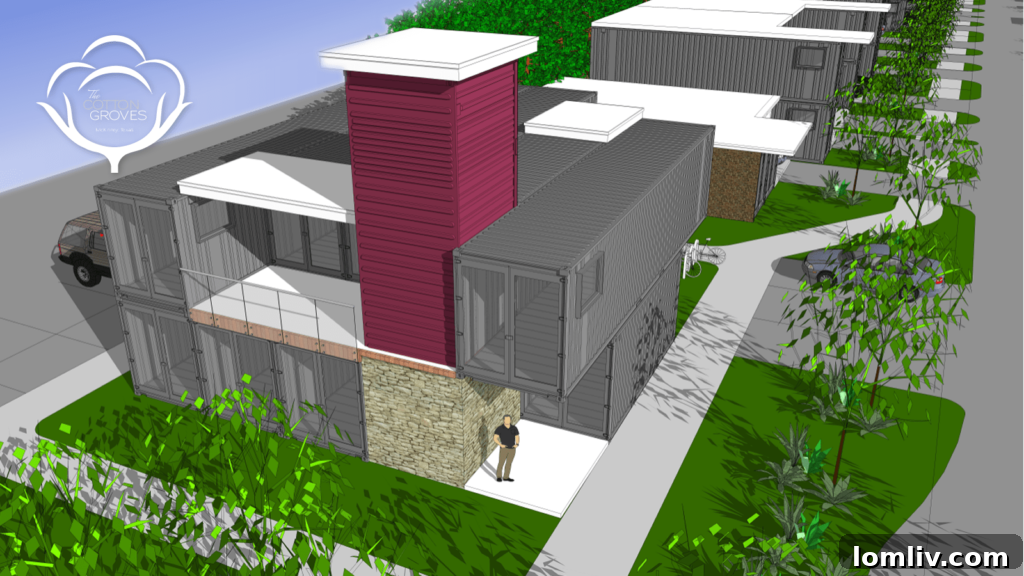
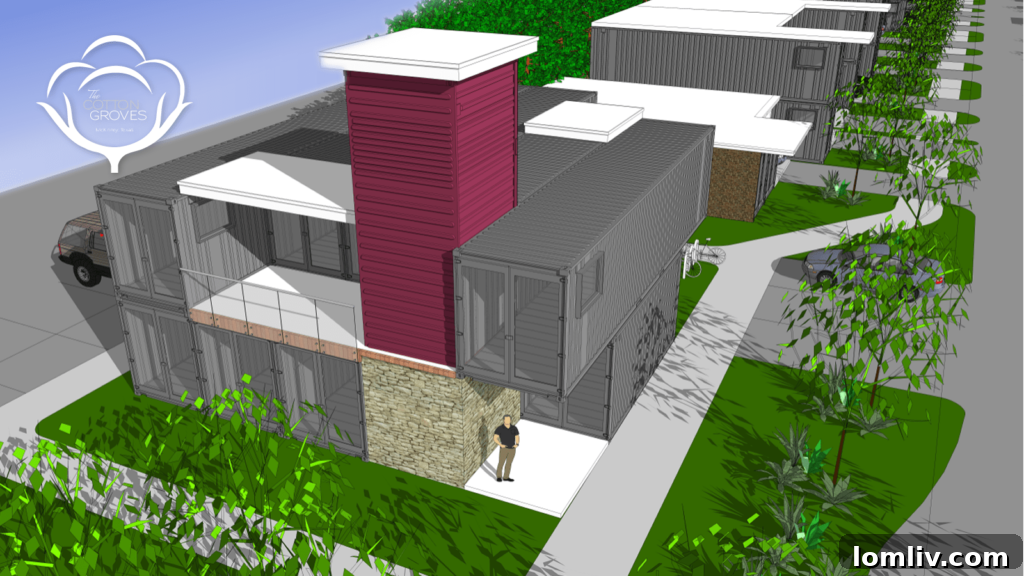
The innovative concept of transforming shipping containers into functional buildings, often termed cargotecture, has steadily gained traction worldwide. However, for Habitat for Humanity of Collin County, this sustainable approach is taking a groundbreaking leap forward with the development of Cotton Groves. This ambitious project aims to create the nation’s first-ever residential neighborhood built entirely from upcycled steel shipping containers, providing 35 much-needed affordable homes in McKinney, Texas.
While other Habitat for Humanity affiliates in states like Kentucky, Louisiana, and Ohio have explored the potential of shipping container construction for affordable housing, Cotton Groves is unique in its scale and vision as a complete neighborhood. Celeste Cox, CEO of Collin County’s Habitat, shared the exciting news that the first model townhouse was anticipated to be ready for viewing by the end of October or mid-November, marking a significant milestone in this innovative venture.
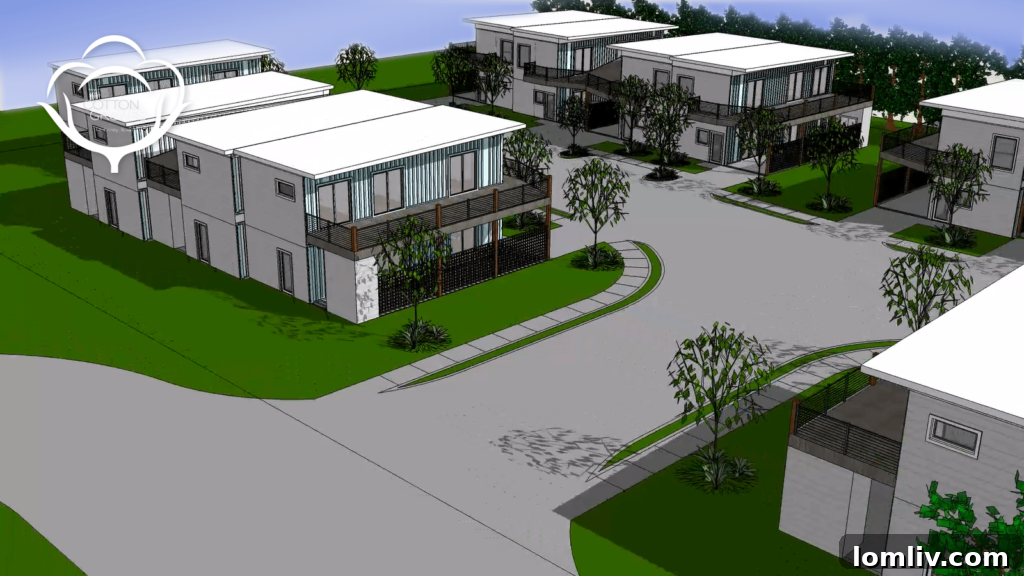
Upon its projected completion next year, the Cotton Groves neighborhood will feature a vibrant community of 35 shipping container homes, complemented by a dedicated community center and a modern playground. This thoughtfully designed 2.75-acre development is strategically located near McKinney’s small airport on the east side of town. Before construction can fully flourish, Habitat for Humanity must successfully raise $4.5 million through an upcoming capital campaign, an essential step to fund the complete development and bring this visionary neighborhood to life. The success of this campaign is crucial not just for McKinney, but as a potential blueprint for affordable housing initiatives nationwide.
The Vision Behind Cotton Groves: A Community Built on Innovation
Cotton Groves represents more than just a collection of houses; it embodies a holistic vision for community living rooted in sustainability and accessibility. Habitat for Humanity of Collin County is committed to addressing the critical need for affordable housing by offering a unique solution that is both environmentally conscious and economically viable. The neighborhood’s design prioritizes a sense of belonging, providing not only shelter but also shared spaces where families can connect and thrive.
The decision to utilize shipping containers is central to this vision. These robust steel structures, once used for global trade, are given a second life, reducing waste and demonstrating a powerful example of circular economy principles. This approach aligns perfectly with modern demands for greener construction methods and offers a practical path to efficient home building.
The project’s innovative spirit extends to every detail, from the structural integrity of the homes to the amenities designed for residents. The community center will serve as a hub for activities, learning, and social gatherings, fostering strong bonds among neighbors. The playground will provide a safe and engaging space for children, contributing to a family-friendly atmosphere. This comprehensive approach ensures that Cotton Groves will be a thriving, supportive environment for its future residents.
Achieving a project of this magnitude requires substantial support. The $4.5 million capital campaign is not merely about funding construction; it’s about investing in the future of families, in sustainable development, and in pioneering a model that could reshape affordable housing across the country. Every dollar raised contributes directly to transforming these steel boxes into welcoming, energy-efficient homes and a vibrant community.
Innovative Design and Sustainable Living in Cargotecture Homes
One might wonder how a utilitarian steel box can be transformed into a comfortable and aesthetically pleasing abode. The answer lies in thoughtful architecture, strategic landscaping, and a significant dose of ingenuity. The design philosophy behind Cotton Groves focuses on maximizing livability, energy efficiency, and low maintenance, making these homes truly affordable in the long run.
Thoughtful Floor Plans and Modular Construction
Cotton Groves will feature several distinct model homes, offering both three- and four-bedroom floor plans to accommodate various family sizes. The construction process for these modular homes is often likened to building with life-size Lego bricks. For instance, a three-bedroom, 1,280-square-foot model home is typically constructed using four 8-by-40-foot shipping containers. These containers are arranged and combined in various configurations to create spacious and functional layouts, challenging traditional notions of home design.
The efficiency of modular construction is a significant advantage. Once the foundation is ready, the structural shell of these re-imagined homes can be assembled remarkably quickly. From the initial container placement to the final touches, the construction of a single home typically takes approximately six to eight weeks, a much faster timeline compared to conventional building methods. This speed not only reduces labor costs but also allows families to move into their new homes sooner.
Energy Efficiency and Eco-Friendly Materials
A cornerstone of the Cotton Groves design is sustainability and energy efficiency. Each home will be equipped with solar panels on the roof, a crucial feature designed to significantly reduce energy consumption and keep utility costs low for homeowners. This commitment to renewable energy not only lessens the environmental footprint of the neighborhood but also provides long-term financial benefits to families, a key aspect of true affordability.
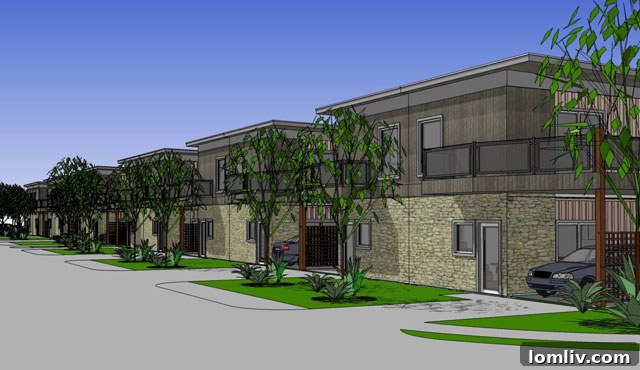
The exterior aesthetic and durability are also paramount. The homes will feature fiber cement siding, known for its longevity, resistance to pests and fire, and minimal maintenance requirements. Adding a touch of rustic elegance and further embracing sustainability, reclaimed wood will be utilized for balcony fascia, giving the homes a unique character while diverting material from landfills. Additionally, some exterior walls will incorporate a thin stone veneer, providing architectural texture and enhancing the overall visual appeal, as detailed in the Cotton Groves plans. These material choices underscore a commitment to both sustainability and high-quality, durable construction.
Thoughtful Outdoor Living Spaces
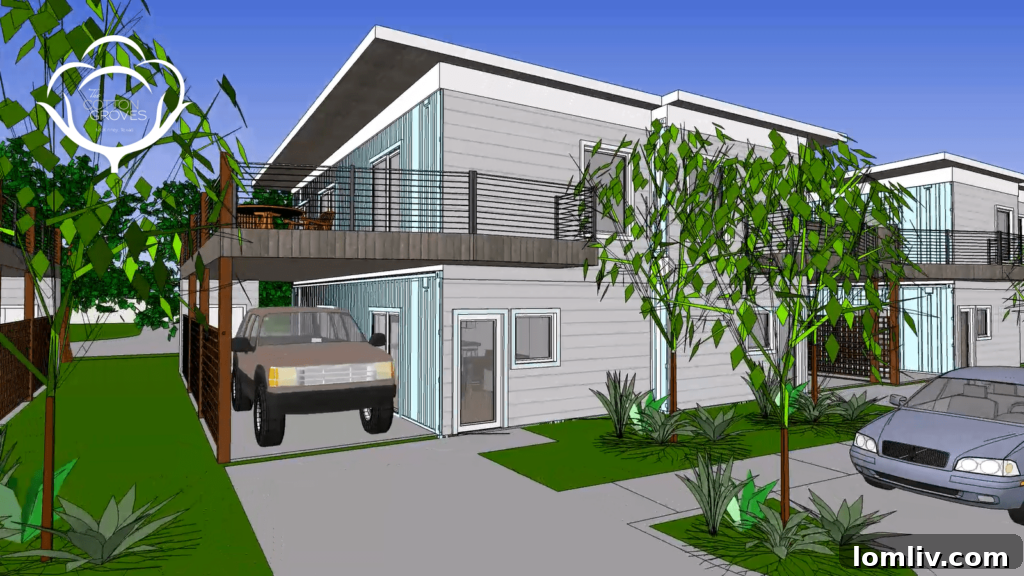
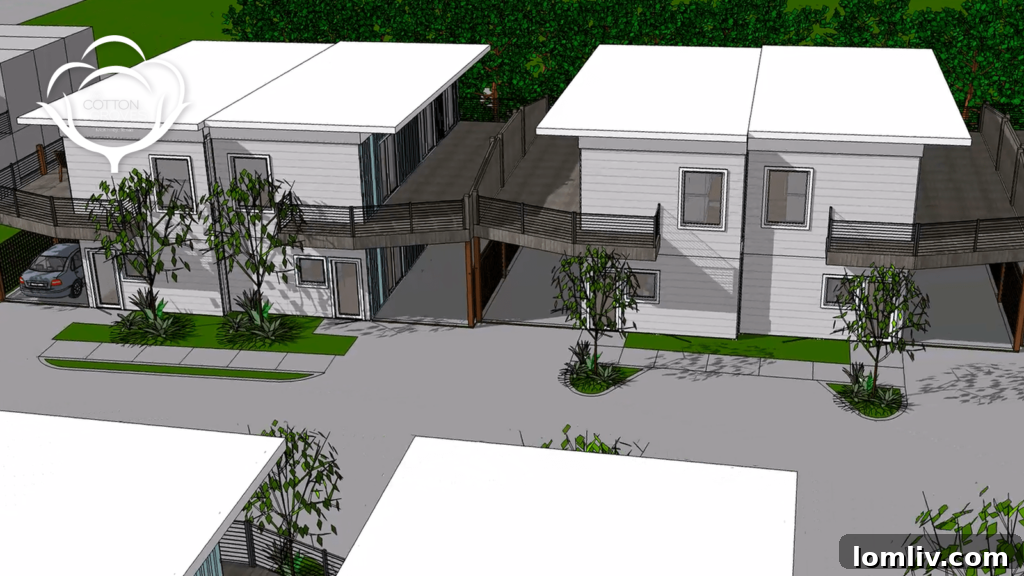
Beyond the interior, Cotton Groves homes are designed with practical and inviting outdoor living spaces. Covered carports, capable of accommodating two vehicles, will be thoughtfully attached to the length-wise side of each townhouse. This provides convenient, sheltered parking for residents, protecting vehicles from the elements.
Above each carport, a 36-inch-high metal railing will enclose the space, transforming the carport roof into a full-length patio on the home’s second story. These elevated patios offer private outdoor retreats where residents can relax, entertain, and enjoy the neighborhood views. In some models, patio railings might be shared with an adjacent home, fostering a sense of community even in personal outdoor spaces.
The architectural details also extend to the roof design. The homes feature a cantilever roof with a low slope, specifically engineered to aid rainfall drainage. While maintaining the sleek, modern aesthetic of typically flat-looking container roofs, this design ensures effective water management and provides an additional layer of protection from sun and rain, contributing to the overall longevity and comfort of the homes.
Building a Community: Partnerships and Affordability
The success of Cotton Groves hinges on strong community partnerships and a steadfast commitment to making homeownership attainable for low-income families. Habitat for Humanity’s unique model ensures that these homes are not just built but are integrated into a supportive framework for long-term success.
Key Partnerships and Funding
A significant boost to the project came in June when Habitat for Humanity of Collin County secured an $877,521 grant from the McKinney Community Development Corporation (MCDC). This crucial funding is designated for vital infrastructure work, including the completion of engineering designs, the construction of roadways, and the installation of essential water, sewer, and utility lines for the largely undeveloped land. The MCDC, formed in 1998 through a half-cent sales tax approved by taxpayers to enhance McKinney’s amenities, is led by a dedicated board of seven city council-appointed McKinney residents. Their investment in Cotton Groves underscores the city’s commitment to community development and affordable housing solutions.
Strategic Location in East McKinney
The new neighborhood spans 2.75 acres in an accessible area of east McKinney, strategically situated near State Highway 5/S. McDonald Street and Eldorado Parkway/Industrial Boulevard. This prime location, northwest of McKinney National Airport (TKI), offers residents convenient access to major thoroughfares, facilitating commutes and access to local services. McKinney National Airport, formerly the municipal airport, now functions as a general aviation reliever airport, handling business and personal aviation travel, though it does not host scheduled commercial passenger flights. The proximity to this infrastructure, while not commercial, ensures the area is well-connected and poised for future growth.
The Habitat for Humanity Affordability Model
One of the most impactful aspects of the Cotton Groves project is Habitat for Humanity’s commitment to genuine affordability. The homes will be sold to qualified, low-income residents at a cost determined by 30 percent of their gross monthly income. This innovative financing model ensures that housing payments are genuinely sustainable for families, preventing the burden of excessive housing costs that often plague low-income households.
Prospective homeowners also engage in a partnership with Habitat, contributing “sweat equity” by participating in the construction of their own homes or others in the community. This involvement fosters a sense of ownership, pride, and community connection. While appraisals will ultimately determine the market value of these newly constructed homes, CEO Celeste Cox notes that an precise estimate for the final cost to homeowners is not yet available, given the unique nature of the project and its innovative construction methods. However, the core principle of affordability, achieved through a combination of volunteer labor, community support, and sustainable design, remains central to the mission.
Cotton Groves: A Model for Future Sustainable Communities
Cotton Groves in McKinney is poised to become a national benchmark for sustainable, affordable housing. By creatively repurposing shipping containers, integrating renewable energy, and fostering strong community ties, Habitat for Humanity of Collin County is not only building houses but also forging a path towards more resilient and equitable urban development. This pioneering project demonstrates that innovative design and social responsibility can go hand-in-hand, offering hope and homes to families while contributing to a greener future.