
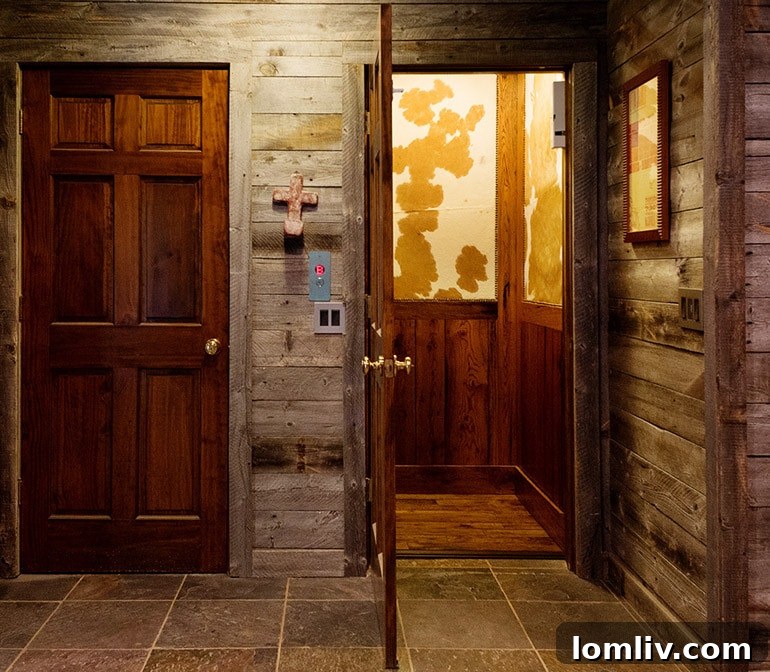
Embarking on the journey of building your dream home is an exciting endeavor, meticulously planned down to the smallest detail, from the perfect cabinet hardware to the precise grout colors. Yet, amidst this careful consideration, one crucial feature often gets overlooked, only to be regretted later: the residential elevator. Envisioning your future in this bespoke sanctuary, whether for five, ten, or twenty years, necessitates a design that evolves with your needs and enhances your quality of life. Integrating a home elevator from the outset is not merely a luxury; it’s a strategic investment in convenience, accessibility, safety, and the enduring value of your property.
The Rising Trend of Residential Elevators in Modern Homes
The architectural landscape, particularly in vibrant areas like the Park Cities and Preston Hollow, increasingly features multi-story townhomes, courtyard, and patio homes. These designs offer significant square footage on smaller footprints, often spanning three floors. While maximizing space, the practicality of navigating multiple staircases daily, especially to access a third-floor living area or guest suite, quickly becomes a significant consideration. This growing trend towards vertical living is a primary driver behind the surging popularity of custom home elevator installations, which are now more accessible and affordable than ever before.
As families evolve and lifestyles change, so too do the demands on a home. Multi-generational living is becoming a norm, bringing with it a greater need for adaptable spaces. An elevator transforms a multi-story house into a truly inclusive home, ensuring that every floor is effortlessly accessible to every family member, regardless of age or mobility. This foresight in design allows homeowners to future-proof their investment, ensuring comfort and independence for years to come.
Elevating Your Lifestyle: Beyond Basic Mobility
Joe Williams, CEO and founder of Dallas’ Elevating Systems, a veteran in the industry with nearly 25 years of experience, has witnessed the profound impact home elevators have on residents. From budget-friendly options starting around $20,000 that grant essential independence to mobility-impaired homeowners, to ultra-luxury systems exceeding $100,000 that serve as stunning architectural statements, Williams’ expertise covers the full spectrum. His insights reveal that residential elevators offer far more than simple vertical transportation.
Enhanced Safety and Peace of Mind
One of the most compelling arguments for installing a home elevator is safety. Williams highlights a surprising statistic: “Elevators are actually 20 times safer than escalators.” This underscores the inherent safety mechanisms built into modern elevator systems. More critically, he notes, “And people are putting them in their homes because so many accidents happen on stairs.” Stairs, while ubiquitous, present a significant risk, particularly for young children, the elderly, or anyone with temporary or permanent mobility challenges. A home elevator mitigates these risks, providing a secure and effortless alternative for navigating different levels of your home.
Unparalleled Convenience and Accessibility
Imagine effortlessly transporting heavy groceries, cumbersome luggage, or even holiday decorations between floors. A residential elevator eliminates the strain and potential danger of carrying bulky items up and down stairs. For families hosting aging relatives or those with guests who might struggle with stairs, an elevator ensures everyone can comfortably access all areas of the home, transforming a third-floor guest suite from a challenge into a welcoming retreat. This commitment to accessibility ensures that your home truly works for you and all who enter it.
Williams, a veritable treasure trove of intriguing facts, even shared the anecdote of King Louis XIV of France, who had what is considered the very first elevator—a chair hoisted by counterweights from his bedroom to his balcony. While today’s technology far surpasses a simple chair and chains, the core desire for convenient vertical travel remains. He also points out the staggering scale of elevator usage globally: “Every three days, the world’s population travels up and down in elevators.” This illustrates just how fundamental elevators have become to modern life, a utility now making its way into the heart of the home.
Choosing the Right Elevator: Design and Functionality
Today’s home elevators are far more technologically sophisticated and diverse than their historical predecessors. The market offers a wide array of options, each with unique aesthetics, operational mechanisms, and space requirements:
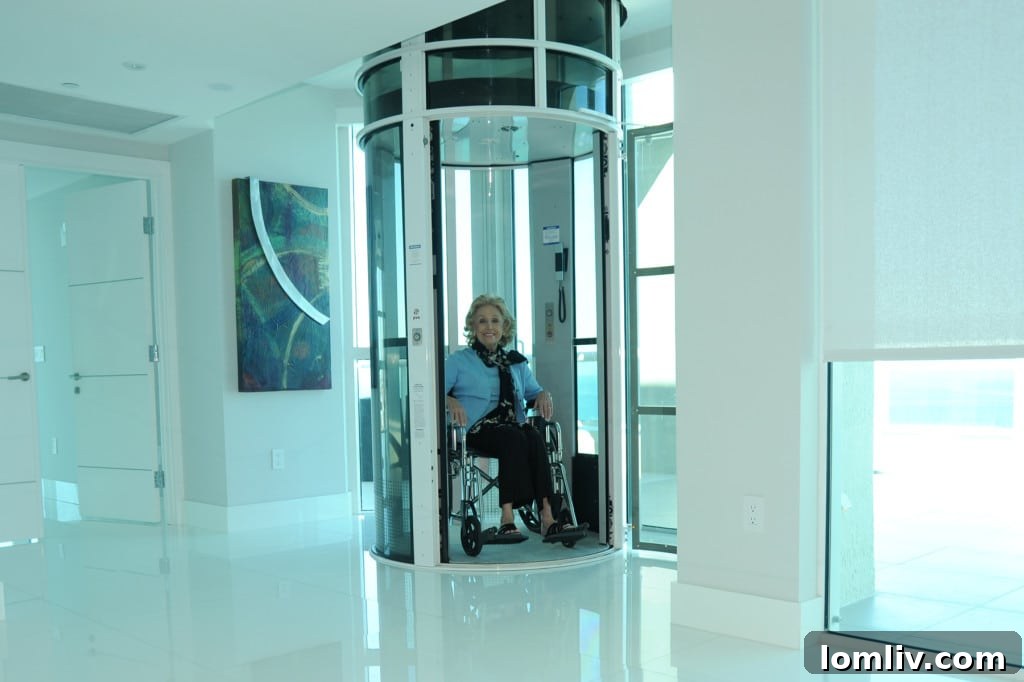
- Pneumatic (Vacuum) Elevators: These futuristic models operate by a powerful fan that creates a vacuum, pushing a capsule through a clear tube. They are known for their sleek design, minimal footprint, and often glass-enclosed aesthetic, making them a striking focal point. While they might be slightly pricier, starting around $35,000, their compact nature and innovative appearance are a major draw.
- Traditional Cable or Hydraulic Elevators: These systems often require a machine room or dedicated hoistway but offer robust performance and a wide range of customization options to blend seamlessly with traditional home decor.
- Winding Drum or Gearless Traction Elevators: These are highly efficient and can be very quiet, often used in more luxurious installations where space and smooth operation are key.
The Art of Customization: Where Imagination Meets Engineering
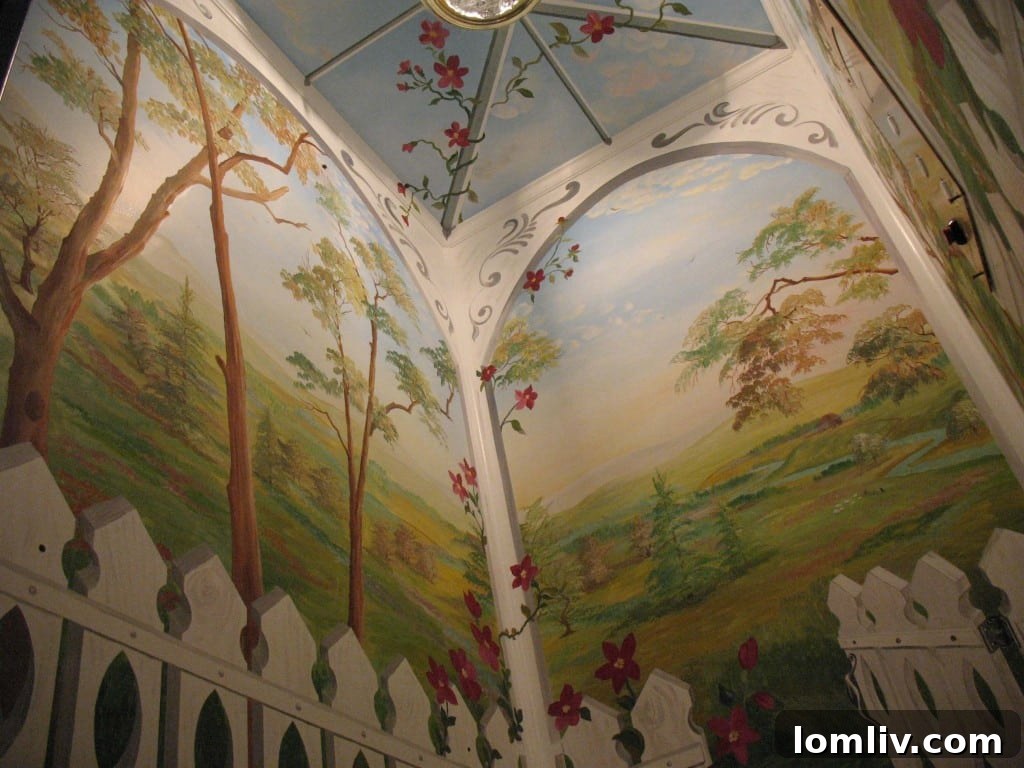
As Joe Williams famously states, his clients are “only limited by their imagination.” Modern residential elevators are not just functional; they are extensions of a home’s design aesthetic. Homeowners can choose from an extensive palette of interior and exterior finishes, trim levels, lighting, and even integrated technology. Imagine an elevator with a plasma screen TV, LED strip lighting, or a camera system, as Williams installed for reality TV producer Tommy Habeeb. From elegant wood panels to sleek glass and polished metals, an elevator can be a discreet utility or a dramatic centerpiece, even hand-painted to match specific artistic visions.
Strategic Installation: Planning for Perfection
Joe Williams offers invaluable advice for those building multi-floor custom homes: “It’s cheaper to install an elevator with the help of a knowledgeable company such as Elevating Systems now, rather than trying to shoehorn one in later.” Integrating an elevator into the initial architectural plans significantly streamlines the process and reduces costs. “It’s easier to work with a builder during construction,” Williams advises, emphasizing the critical need for precise planning from the outset.
Retrofitting an elevator into an existing structure can become a much larger and more complex project, potentially involving the relocation of walls, closets, and existing utilities. Williams explains that a standard, ADA-compliant elevator system typically requires a five-foot-square space—roughly the size of a small walk-in closet. Ensuring this space is allocated correctly, ideally aligned with the home’s center line, is crucial. “If you don’t work with an elevator contractor from the beginning, then installing one is going to be a challenge,” he cautions. However, once properly installed, “the good thing about elevators is that you won’t even know it’s there until you need it,” seamlessly integrating into your daily life.
Beyond the Sale: Community and Value
The impact of Elevating Systems extends beyond commercial installations. The company notably donated an elevator to Operation Finally Home’s Jackel family. In collaboration with Tim Jackson Custom Homes, Elevating Systems provided a vital elevator for Sgt. Stephan Jackel, a double amputee who sustained injuries in Afghanistan. This act of philanthropy, installing an elevator typically valued between $20,000 and $30,000, profoundly enhanced Sgt. Jackel’s ability to navigate his Little Elm home, showcasing the life-changing power of residential elevators.
For those who view elevators as merely an added expense, consider this: a residential elevator requires less service and maintenance than the average car. More importantly, it can significantly appreciate a home’s value, potentially by up to 10 percent. This makes it not only a lifestyle enhancement but also a shrewd financial decision.
“I’ve had people tell me, ‘Oh my gosh, I thought they were so much more expensive,’” shares Rita LaRue, Business Development Chief at Elevating Systems. She also addresses another common misconception: “And some people say, ‘Oh, I’ll get one when I get older,’ but they aren’t just for seniors.” LaRue emphasizes that the younger demographic moving into multi-story townhomes equally appreciates the convenience, not wanting to climb three flights of stairs themselves, nor wanting their guests or parents to struggle. The desire for a more accessible home is universal, transcending age demographics. “Really, you want to make your home more accessible,” Williams reiterates, “You want your home to work for you.”
Embrace the Future of Home Design
In an era where homes are increasingly designed to cater to diverse needs and dynamic lifestyles, the residential elevator stands out as an essential feature. It’s an investment in safety, comfort, convenience, and long-term value, transforming multi-story residences into effortlessly accessible and truly future-proof dream homes. By thoughtfully integrating an elevator into your home design, you’re not just adding a functional element; you’re elevating your entire living experience, ensuring that every corner of your cherished space is always within easy reach.