Mastering Real Estate Investment: Expert Strategies from Industry Leaders
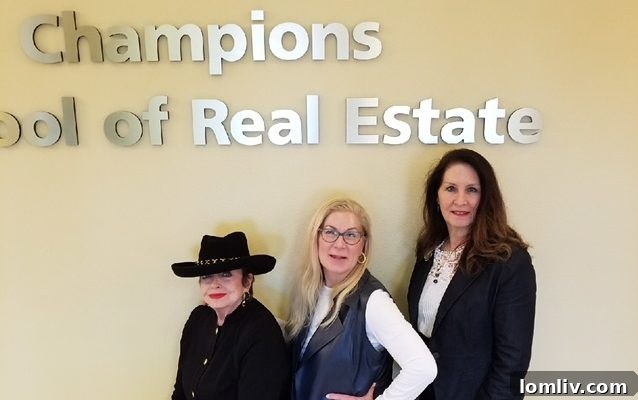
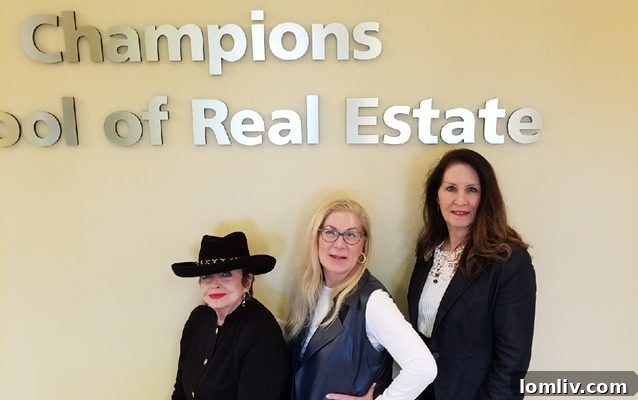
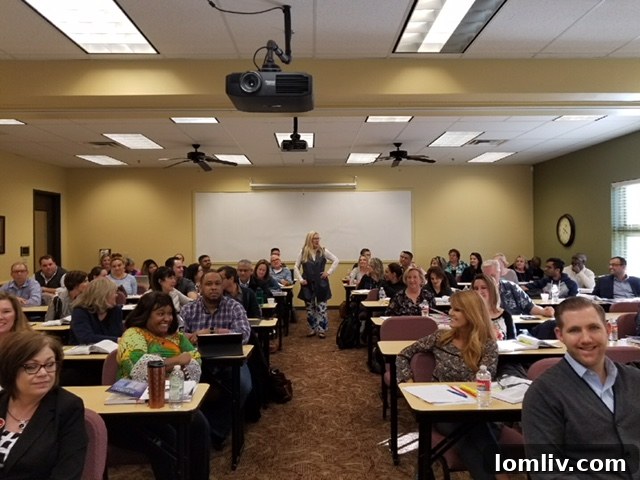
Embarking on a journey into real estate investment can be both exhilarating and challenging. To navigate this dynamic landscape successfully, it’s crucial to learn from those who have truly mastered the art. Recently, I had the privilege of sitting in on a packed Real Estate Investment class taught by the highly regarded Kelly Logsdon Rush at Champions School of Real Estate. Her class was not just a lecture but an immersive experience, featuring two exceptional guest speakers whose expertise offered invaluable insights into the world of property investing.
The class hosted Mark Bloom, the esteemed owner of NetWorth Realty, a prominent wholesaler with a presence in 19 cities across the nation. Wholesaling, for the uninitiated, involves finding properties at a significant discount, putting them under contract, and then selling that contract to another investor, often without ever taking ownership of the property. This strategy offers a unique entry point for investors looking to profit from market inefficiencies. Alongside him was Rob Barney, owner of DHLC Investments, a veteran in hard money lending. Rob’s firm has lent over $130 million to investors, specializing in short-term, asset-based loans designed for quick property turnovers and rehab projects. Understanding these two facets—wholesaling and hard money lending—is fundamental for any aspiring or experienced real estate investor, providing diverse avenues for financing and deal acquisition.
Unlocking Value: Actionable Strategies for Scouting Investment Properties
One of the foundational steps in profitable real estate investment is effectively scouting for undervalued properties. The experts shared several actionable tips that can help investors identify opportunities that others might miss. Beyond merely looking for homes with “for sale” signs, proactive strategies are key to finding off-market deals with significant potential:
- Attend Foreclosure Sales: These public auctions are often goldmines for properties priced below market value due to distressed situations. While competitive, thorough due diligence on properties before the sale can yield significant returns. Understanding the local rules and having your financing in place are critical for success.
- Drive Neighborhoods (Door-Knocking & Observation): An old-fashioned but highly effective method. Actively look for dilapidated homes, properties with overgrown yards, peeling paint, boarded windows, or other clear signs of neglect. These visual cues often indicate motivated sellers or owners who are unable or unwilling to invest in necessary repairs. Sometimes, a simple letter or a knock on the door can open a conversation with an owner eager to sell.
- Check City Code Violation Citations: Local government records are a public resource that can reveal properties with outstanding code violations. Owners facing fines and mandates to repair are frequently eager to sell quickly, presenting an ideal opportunity for investors willing to take on the renovation work. This method helps you identify properties that might not yet be on the market.
- Observe Subtle Indicators: A few years ago, I controversially pointed out that wheelchair ramps could sometimes indicate a property whose owners might be looking to downsize or transition, making it a potential selling opportunity. While some found this “insensitive,” it highlights the importance of observing subtle cues in a neighborhood that might suggest a change in ownership is on the horizon. The goal is not to exploit, but to identify properties that may soon be listed by motivated sellers, allowing you to be proactive in your search.
Meet Your Expert Guide: Kelly Logsdon Rush, A Pillar in Real Estate Education
At the heart of this illuminating discussion was Kelly Logsdon Rush, whose depth of knowledge and practical experience truly sets her apart. Kelly has been teaching her highly sought-after Real Estate Investment class at Champions School of Real Estate for an impressive twelve years, a testament to her expertise and commitment to educating future investors. Beyond her role as an educator, she is also a seasoned, licensed agent with the prestigious Ebby Halliday firm, bringing real-world transaction experience directly to her teachings. This dual role ensures her advice is both academically sound and practically proven.
A significant portion—30 to 40 percent—of Kelly’s clientele consists of investors, demonstrating her profound understanding of their unique needs and objectives. Properties she’s involved with consistently market for less time and command higher prices, a clear indicator of her strategic approach to the market and her ability to identify high-potential assets. With over two decades of experience helping investors successfully flip homes, her insights are grounded in extensive practical application. Her track record speaks for itself; for example, when I personally needed to lease my condo quickly to avoid financial strain, Kelly handled every detail with remarkable efficiency—from securing the lease agreement to ensuring the property was presentation-ready with thoughtful touches like fresh towels in the kitchen—getting it occupied in a remarkably short two weeks. Her personal touch and professional acumen are truly exceptional.
Kelly’s Foundational Principles for Successful Real Estate Investment
Kelly Logsdon Rush distills the complex world of real estate investment into three indispensable principles. These are not merely guidelines but bedrock truths that can significantly impact an investor’s success and mitigate potential risks:

- You Make Your Money on the Buy, Not the Sale: This is arguably the most critical principle in property investing. Profitability is largely determined long before a property is ever listed for resale. If you acquire a property at the right price—meaning significantly below its After Repair Value (ARV) and accounting for all acquisition and renovation costs—you create immediate, built-in equity. This equity acts as a buffer against unforeseen expenses, market fluctuations, or minor miscalculations. Overpaying, conversely, is the quickest way to erode your potential profits and increase your risk. Thorough market analysis, comparative sales data, and a precise understanding of all potential repair costs are absolutely essential for a smart buy.
- Location, Location, Location: A timeless adage in real estate, and for good reason. The inherent value and future appreciation potential of a property are inextricably linked to its surroundings. Factors such as proximity to good schools, major employment centers, essential amenities (shopping, dining, parks), public transportation, and future development plans all contribute significantly to a property’s desirability and long-term value. Even the most meticulously rehabbed home in a declining area will struggle to yield returns comparable to a moderately updated home in a desirable, growing neighborhood. Researching local demographics, economic trends, and zoning changes is key.
- Everything is Negotiable: Successful investors understand that almost every aspect of a real estate deal can be discussed and adjusted. From the initial purchase price to closing costs, inspection contingencies, repair credits, and even timelines, don’t be afraid to make an offer that feels aggressive or unconventional. Kelly wisely advises, “If your first offer doesn’t offend or insult the seller, then you have offered too much.” This isn’t about being disrespectful, but about testing the boundaries and identifying a seller’s true motivation and flexibility. A well-researched, low offer often opens the door to negotiation, revealing the seller’s bottom line and leading to a more favorable deal for the investor.
Strategic Rehab: Maximizing Your Investment’s Appeal and Return on Investment
Once you’ve successfully acquired a property, the renovation strategy becomes paramount. Kelly emphasizes the critical importance of rehab to the area. This means tailoring your renovations to meet or slightly exceed the aesthetic and quality standards of the surrounding homes, without over-improving to the point where you price yourself out of the market. “You cannot put lipstick on a pig and expect to sell a house if it does not live up to the standards of the homes around it,” she states, highlighting that modern buyers are savvy and will only pay for value that aligns with neighborhood expectations and their desires for contemporary living.
Understanding current buyer preferences is also key to maximizing your return on investment. While men may often be the financial decision-makers, women frequently drive the aesthetic and lifestyle choices in home buying. What they consistently seek in renovated homes includes: open floor plans that promote flow and connectivity, tall ceilings that create a sense of spaciousness and luxury, abundant natural light to brighten interiors and reduce energy consumption, and classic hardwood floors for elegance, durability, and ease of maintenance. When it comes to specific areas, Kelly pinpoints the kitchen and master bath as the most critical spaces for renovation. These areas consistently offer the highest return on investment due to their significant impact on a home’s perceived value, functionality, and overall buyer appeal. Investing in quality finishes and smart layouts in these rooms is a guaranteed way to attract buyers and fetch top dollar.
Rob Barney on Smart Investing: Emotion vs. Business Acumen
Rob Barney of DHLC Investments, a seasoned hard money lender, strongly echoed Kelly’s first principle, stressing its importance in mitigating risk. “If you make a mistake but you bought right, you have the ability to overcome that mistake,” he affirmed. This powerful statement underscores the safety net created by a shrewd purchase: a good deal can absorb minor errors in judgment, unexpected expenses during the rehab phase, or even slight market shifts, providing resilience to your investment. It emphasizes that a solid foundation in acquisition is your best defense against common investment pitfalls.
Rob also offered a powerful, yet often overlooked, piece of advice for all investors: “Don’t be emotionally involved in your real estate deals, this is a business, nothing more.” Detaching personal feelings and biases from investment decisions allows for objective analysis and rational choices, preventing costly mistakes driven by sentiment or attachment to a particular property. He further cautioned against rushing into the first available deal simply out of eagerness to get started. “Don’t be in a hurry to do your first deal because you want to get started, wait until it’s the right deal that you can buy right.” Patience, he emphasized, is a virtue that pays significant dividends in real estate, protecting you from suboptimal investments.
Perhaps his most critical warning resonated deeply with the entire class: “Keep your hand on your wallet. This business attracts folks that may not always have your best interest at heart. Always do your own due diligence, always be skeptical, make sure you can trust the people you give your trust to.” In an industry with significant financial transactions and numerous stakeholders, vigilance, thorough vetting of all partners, contractors, and opportunities, and a healthy dose of skepticism are not just advisable, but absolutely non-negotiable for protecting your assets and ensuring ethical dealings.
Building Your Indispensable Real Estate Investing Team
Success in property flipping or long-term investment is rarely a solo endeavor. Assembling a robust and reliable team of professionals is paramount, not just for acquiring properties but for executing successful renovations, managing them effectively, and ultimately realizing your profit. Here’s a comprehensive look at the key players you’ll need on your Real Estate Investing Team:
- Lenders: Essential for financing acquisitions and renovations. This includes traditional banks for long-term investments, private lenders, and specialized wholesale lenders or hard money lenders like Rob Barney, who provide critical capital for quick-turnaround projects where speed is of the essence.
- General Contractors/Subcontractors/Painters: The backbone of any rehab project. Finding reliable, skilled, and trustworthy contractors is one of the biggest challenges in real estate investment, especially in today’s competitive market. Develop strong relationships with multiple trades (plumbers, electricians, roofers, HVAC technicians) to ensure timely, high-quality work and competitive pricing.
- Flooring Contractors: Specialized expertise for one of the most impactful visual upgrades that significantly influence a buyer’s perception of a home’s value and modernity.
- Cabinet Makers/Fabricators: Crucial for kitchen and bath remodels, which consistently offer the highest return on investment. Custom or semi-custom cabinets and quality countertops can dramatically boost a property’s appeal.
- Structural Engineer: Necessary for assessing the integrity of older homes or properties requiring significant structural changes. Their expert opinion can prevent costly future problems and ensure safety.
- Foundation Repair Company: A common issue, especially in certain geographical areas like Dallas due to expansive clay soils. A reliable, experienced partner here is vital to address fundamental structural stability.
- Professional Photographer: High-quality visuals are non-negotiable for marketing your property in today’s digital age. Professional photos and virtual tours create compelling first impressions online, attracting more potential buyers.
- Title Company: Ensures clear ownership, facilitates smooth transfer of property, and handles escrow. A reputable title company, remembering professionals like Nancy Carroll, is invaluable for peace of mind.
- Stager: Maximizes a property’s appeal by expertly presenting it in its best light, helping potential buyers envision themselves living in the space and highlighting its best features.
- Realtor: Unless you are a licensed agent yourself, a knowledgeable and investor-friendly realtor is essential for market analysis, listing the property, negotiating offers, and navigating the complexities of the sales process.
- (Author’s personal addition) daltxrealestate.com: A great resource for local Dallas-Fort Worth market insights, reinforcing the value of leveraging local platforms and experts for precise market intelligence.
Mark Bloom on Long-Term Wealth Creation and Navigating Rehab Risks
Mark Bloom, with his extensive experience in wholesaling and broader real estate, advocated for a balanced approach that includes long-term strategies. “Buy and hold for the win! Hold some of your assets for the long term. Real wealth creation happens from owning real estate for the long term,” he advised. This strategy, distinct from short-term flipping, focuses on generating consistent rental income, benefiting from property appreciation over years or even decades, and leveraging tax advantages. He emphasized ensuring that rental income comfortably covers a fixed PITI (Principal, Interest, Taxes, and Insurance) payment, allowing the asset to mature and build significant equity. Investing in properties in and around major metropolitan areas further enhances this strategy, as these regions typically benefit from sustained economic growth, population influx, and strong rental demand.
Mark also brought a dose of realism to the discussion: “There is no perfect deal. Don’t expect every property to be a home run. Likelihood is you’re gonna learn lessons and probably take some losses before you are able to work the kinks out of your model and repeat it regularly.” This highlights the importance of resilience, continuous learning, and adapting one’s investment model based on real-world experience. Every challenge is an opportunity to refine your approach.
Crucially, Mark stressed the omnipresent need to “Always, always pay attention to the rehab!” While buying right is paramount, the execution of the renovation often poses the real risk to an investment’s profitability. He elaborated: “If you do a good job of analyzing future price, and are able to buy right, the real risk is in the rehab.” This isn’t just about sticking to a budget; it’s about making smart design choices that appeal to the target market and ensuring quality workmanship. He advised strongly against letting personal preferences or even a contractor’s suggestions deviate from what comparative market analysis (comps) dictates for the area. Intensely managing the rehab timeline, setting clear expectations with contractors from the outset, establishing detailed contracts, and maintaining a constant presence on the job site are non-negotiable for mitigating delays, cost overruns, and quality issues. While being “over budget within reason” might be acceptable in some instances, continuous management, proactive problem-solving, and budget adjustments are absolutely key to successful project completion and maximizing your return on investment.
Dallas: A Prime Market for Strategic Real Estate Investment
Bringing the conversation back to the local landscape, Kelly Logsdon Rush proudly affirmed, “Every magazine, every blog, says the best city to invest in is Dallas… we are the number one real estate investment city in the country.” Dallas-Fort Worth consistently ranks high for job growth, population influx, economic development, and quality of life, creating a robust and sustained demand for housing, both for sale and rent. This makes the DFW metroplex an exceptionally fertile ground for real estate investors. The region benefits from a diverse economy, corporate relocations, and continuous infrastructure development, all of which contribute to property value appreciation and strong rental yields.
However, with such a thriving market comes increased competition. Kelly’s final piece of advice: “So investors have to stay ahead of the game, and work it.” This means continuous education, active networking within the investment community, sharp market analysis, and disciplined execution are crucial to capitalizing on the unparalleled opportunities Dallas offers. Success in this vibrant market demands diligence, adaptability, and a proactive approach to identify and secure the best deals.
Your Path to Real Estate Investment Success: Key Takeaways
The comprehensive insights shared by Kelly Logsdon Rush, Mark Bloom, and Rob Barney provide an invaluable roadmap for anyone looking to achieve success in real estate investment. From the foundational principle of buying right to the critical importance of strategic property rehab, assembling an expert team, and understanding the nuances of both short-term flipping and long-term buy-and-hold strategies, the path to profitability is clear. The Dallas market, in particular, presents a compelling environment for investors ready to apply these principles diligently.
Remember, real estate investment is a business that demands objectivity, continuous learning, and unwavering due diligence. By embracing these expert insights, fostering strategic partnerships, and maintaining a disciplined, business-minded approach, you can effectively navigate the complexities of the real estate market, mitigate risks, and build lasting wealth through smart property investments. Your journey to real estate success starts with knowledge and action.