In an era where our homes have become the epicenter of our lives—serving as offices, gyms, and sanctuaries—the impact of our living spaces on our overall well-being is undeniable. Are you finding yourself more tired, stressed, or struggling with sleep lately? It might not just be the daily grind; it could be your home subtly working against you. From the air you breathe to the light that fills your rooms, every element of your environment plays a crucial role in your health.
True wellness isn’t a luxury found only in spas or retreats; it’s a state that can be cultivated within the walls of your own home. By making thoughtful, strategic upgrades, you can transform your residence into a powerful ally for your health, supporting your energy, mood, and focus every single day. These aren’t just superficial changes; they are lasting improvements that integrate seamlessly into your lifestyle, enhancing your quality of life in profound ways.
Discover five intelligent home enhancements that go beyond mere aesthetics. These improvements are designed to not only elevate the look and functionality of your space but, more importantly, to foster a deeper sense of well-being, helping you feel healthier and more revitalized.
1. Breathe Easier: Elevate Your Indoor Air Quality for Better Health and Mood
It’s a common misconception that indoor air is cleaner than outdoor air. In reality, studies consistently show that indoor air can be two to five times, and sometimes even 100 times, more polluted than the air outside. Our homes, while offering shelter, can trap a cocktail of unseen pollutants: dust mites, pet dander, mold spores, pollen, volatile organic compounds (VOCs) off-gassing from furniture, paints, and cleaning products, as well as synthetic fragrances from air fresheners. These silent invaders can insidiously erode your health, leading to disrupted sleep, persistent fatigue, allergy flare-ups, and even a noticeable decline in mental clarity and mood.
Taking control of your indoor air quality is one of the most impactful steps you can take toward a healthier home. Here are some simple yet powerful changes to purify your environment:
- Ditch Synthetic Air Fresheners: Many conventional air fresheners release phthalates and other harmful chemicals. Opt for natural alternatives like an essential oil diffuser with pure essential oils, or simply open windows regularly to circulate fresh air.
- Embrace Greenery: Incorporate air-purifying plants into your decor. Snake plants, peace lilies, spider plants, and Boston ferns are not only beautiful but also highly effective at filtering common indoor toxins like formaldehyde and benzene.
- Invest in HEPA Filtration: A high-quality air purifier equipped with a True HEPA filter can capture 99.97% of airborne particles as small as 0.3 microns, including allergens, dust, and pet dander. Look for models that also include an activated carbon filter to tackle odors and VOCs.
- Upgrade Your HVAC System: Consider upgrading your HVAC system’s air filters to a higher MERV rating (e.g., MERV 11-13). For even greater impact, explore advanced whole-home filtration systems or consider an HVAC unit known for its superior air quality management, such as a Reznor HVAC system, especially in frequently used rooms or if you reside in an urban area with high external pollution. Regular professional cleaning of your ducts also ensures optimal air circulation and cleanliness.
These upgrades create a noticeable difference, especially for individuals sensitive to dust or those living in bustling cities. Cleaner air leads to clearer thoughts, more restful nights, and a heightened sense of well-being.
Health Benefits of Improved Indoor Air Quality
| Benefit Category | Percentage Reporting Improvement | Time to Notice Effect | Supporting Research | Most Effective Methods |
| Sleep Quality | 83% | 1-2 weeks | 24 peer-reviewed studies | HEPA filtration, VOC reduction |
| Allergy Symptoms | 91% | 3-7 days | 50+ clinical trials | HEPA filtration, regular cleaning |
| Mental Clarity/Focus | 76% | 2-4 weeks | 18 cognitive performance studies | CO₂ reduction, VOC reduction |
| Respiratory Health | 89% | 1-3 weeks | 35+ respiratory function studies | Particulate reduction, humidity control |
| Energy Levels | 79% | 2-5 weeks | 22 quality of life assessments | Comprehensive air quality management |
2. Optimize Your Space and Sleep: The Benefits of a Murphy Bed Cabinet
In our increasingly compact living situations, space is a premium, and clutter is often a silent stressor. The relationship between a tidy environment and a peaceful mind, especially concerning sleep, is well-documented. If your home office frequently transforms into a guest room, or if you navigate the multi-functional demands of a studio apartment, a Murphy cabinet bed offers an ingenious solution that marries exceptional comfort with unparalleled spatial efficiency.
Unlike traditional sofa beds, which often compromise on comfort due to thin mattresses and cumbersome mechanisms, modern Murphy cabinet beds accommodate a full-sized, quality mattress, ensuring a truly restorative night’s sleep. When not in use, these innovative sleep systems fold discreetly into elegant, clean-lined cabinets, vanishing from sight in mere seconds. This seamless transformation instantly liberates your room, creating expansive, open space for movement, relaxation, work, or hobbies.
The benefits extend beyond just square footage. A clutter-free environment fosters mental clarity and reduces visual noise, which can significantly improve your ability to unwind and destress. By having a dedicated, comfortable sleeping area that disappears when not needed, you promote a more flexible routine and maintain a sense of calm and order in your home. Companies like Archic Furniture have gained popularity for offering stylish Murphy cabinet beds that prioritize both aesthetic appeal and mattress quality, making them a smart investment for homeowners seeking both function and comfort.
3. Embrace the Heat: Cultivating Wellness with an Electric Sauna Heater
The practice of sauna bathing, deeply rooted in traditions worldwide, is gaining widespread recognition for its profound health benefits that extend far beyond a post-workout sweat. Regular sauna use is a powerful tool for enhancing recovery, stimulating circulation, reducing muscle soreness, and inducing a deep state of relaxation. If you are serious about integrating a comprehensive wellness routine into your home life, investing in a home sauna is a consideration well worth exploring.
Thanks to advancements in design and technology, the dream of a personal sauna is now more accessible than ever. Compact electric sauna heaters have revolutionized the home sauna market, making it possible to enjoy the therapeutic benefits without the need for an extensive construction project or a vast amount of space. Many innovative setups can be seamlessly integrated into existing small spaces, such as a cozy corner of a spare bathroom, a quiet basement nook, or even a converted closet, making the luxury of a daily detoxifying sweat a practical reality for almost any home.
Beyond the immediate sensations of warmth and relaxation, saunas offer significant physiological advantages. They encourage the body to flush out toxins through perspiration, supporting detoxification pathways. The intense heat promotes cardiovascular health by increasing heart rate and improving blood flow. For athletes or anyone experiencing daily physical strain, saunas are exceptional for soothing sore muscles and accelerating recovery. Moreover, the tranquil environment of a sauna serves as a powerful antidote to daily stress, offering a dedicated space for mindfulness and rejuvenation. From a practical standpoint, a home sauna not only enhances your personal wellness journey but also adds a unique and desirable long-term value to your property.
4. Harness the Power of Light: Optimizing Your Circadian Rhythm for Enhanced Well-being
Light is more than just illumination; it’s a fundamental biological signal that governs our internal clock, known as the circadian rhythm. This natural 24-hour cycle influences everything from our sleep-wake patterns and energy levels to our mood, hormone regulation, and cognitive function. Disrupting this rhythm, especially through artificial lighting or insufficient exposure to natural light, can have far-reaching negative consequences on our overall health and vitality.
In our increasingly indoor-centric lives, creating a home environment that aligns with our natural light cycles is crucial. Here’s how you can optimize your lighting to support your well-being:
- Embrace Smart Lighting Systems: Invest in smart lighting solutions that offer tunable white light. These systems can mimic the dynamic changes of natural sunlight throughout the day—providing bright, cool-toned light in the morning to boost alertness and gradually dimming to warmer, softer tones in the evening to prepare your body for sleep. Many systems can be programmed to automate these transitions, making it effortless to align with your natural rhythm.
- Strategic Window Treatments: Replace heavy, light-blocking curtains with adjustable shading options like sheer blinds, cellular shades, or smart blinds. These allow you to control the influx of natural light, letting in gentle illumination during the day while still offering privacy. For bedrooms, consider blackout blinds for truly dark sleep environments when needed.
- Maximize Morning Light Exposure: Arrange your living spaces to allow for maximum natural light penetration, especially in areas where you spend your mornings. Position your breakfast nook, home office, or reading chair near windows to ensure you receive ample natural light exposure early in the day. This early light exposure is critical for signaling your body to wake up and setting your circadian clock for the day.
Even without a full-scale renovation, this single change can significantly reset your energy levels and improve sleep quality. Smart lighting systems are not only beneficial for health but also offer energy efficiency and convenient control via your smartphone or voice commands, seamlessly integrating into a modern, health-conscious home.
“Smart lighting is trending strongly with homeowners and design pros, with its ability to replicate the sun’s natural light throughout the day with a range of colors and brightness levels matching the natural circadian rhythm.”
— Jamie Gold, Forbes Contributor
5. Build a Healthier Foundation: Selecting Materials That Support Your Well-being
Wellness-focused home design extends far beyond mere aesthetics; it delves into the very composition of your living environment. Many commonly used home materials, from the paint on your walls to your kitchen countertops and even your cookware, can silently release harmful chemicals that accumulate over time. This phenomenon, known as off-gassing, can contribute to indoor air pollution and place an unnecessary burden on your body’s detoxification systems, impacting everything from respiratory health to endocrine function.
Building a truly healthy home means making conscious choices about the materials you bring into your space. Here’s a guide to creating a less toxic and more nurturing environment:
- Opt for Toxin-Free Paints and Sealants: Traditional paints can emit high levels of Volatile Organic Compounds (VOCs) for years after application. Always choose low-VOC or zero-VOC paints, primers, and sealants. Brands certified by organizations like GREENGUARD or Cradle to Cradle offer peace of mind, ensuring minimal chemical emissions. Consider natural paints made from milk, clay, or plant-based compounds for an even purer option.
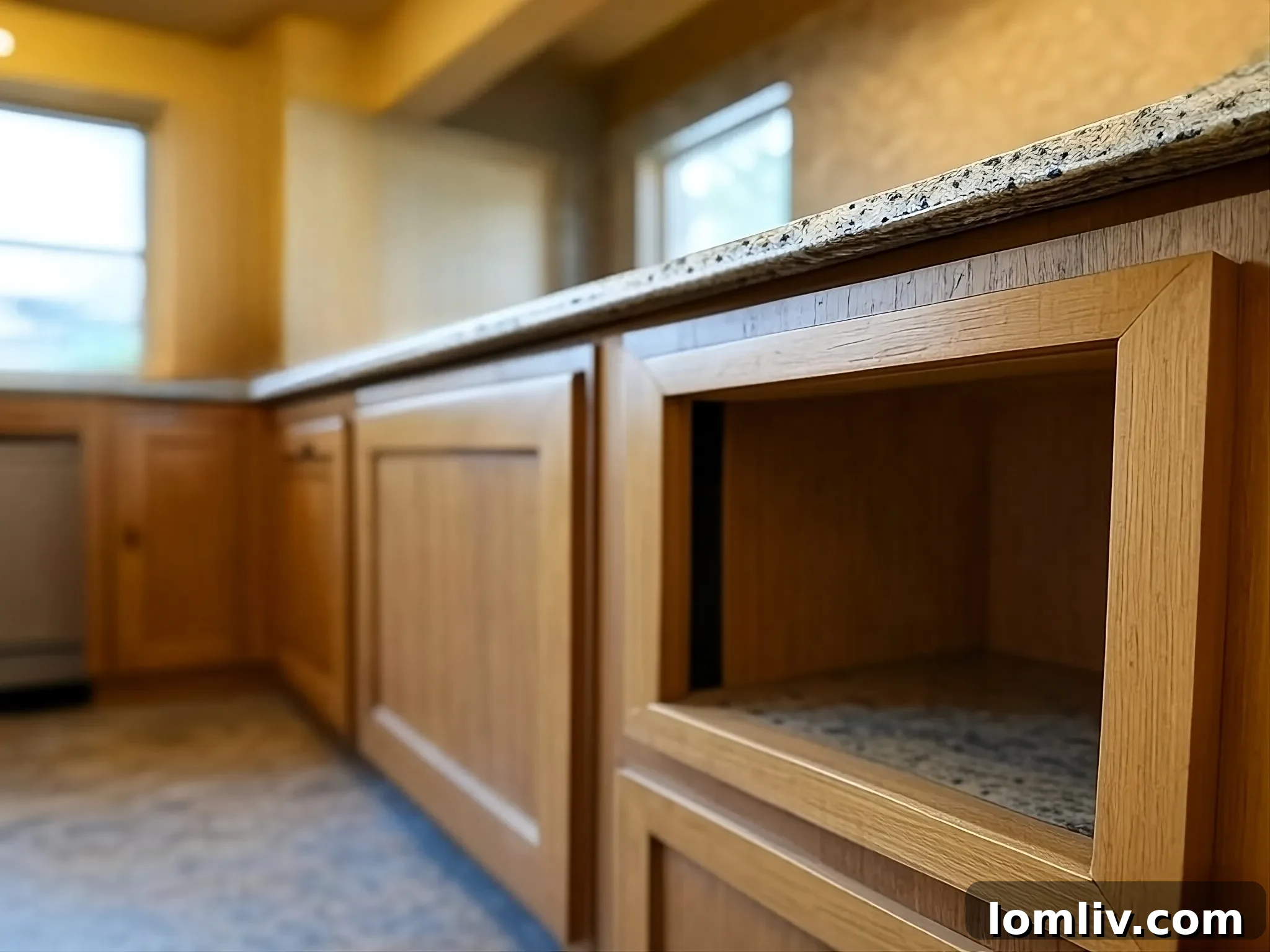
- Choose Healthier Countertops and Cabinetry: Many manufactured wood products used in cabinetry, such as particleboard or MDF, contain formaldehyde-based glues that can off-gas. Look for solid wood cabinetry, plywood with formaldehyde-free binders, or options like bamboo, recycled glass, or quartz countertops that are less likely to emit harmful chemicals. Always ask about material composition and certifications when making selections.
- Select Healthy Flooring Options: Carpets can trap allergens and emit VOCs from adhesives and synthetic fibers. If carpeting is a must, choose low-VOC options made from natural fibers like wool or sisal, installed with non-toxic adhesives. Hardwood floors with low-VOC finishes, cork, natural linoleum, or ceramic tiles are excellent alternatives that are easier to clean and inherently healthier.
- Upgrade Your Cookware: Nonstick cookware often contains per- and polyfluoroalkyl substances (PFAS), which can release harmful fumes when heated and have been linked to various health concerns. Gradually replace these with safer alternatives like cast iron, stainless steel, ceramic, or glass cookware. These materials are durable, non-toxic, and provide excellent cooking performance.
Making these conscientious swaps doesn’t demand a complete overhaul of your home all at once. Instead, tackle them strategically as you embark on remodeling projects, upgrade individual rooms, or replace worn-out items. Your long-term health and the quality of the air you breathe will undoubtedly be profoundly grateful for these thoughtful decisions.
Why Wellness and Space-Saving Go Hand in Hand in Modern Home Design
The concept of wellness at home transcends mere physical comfort or aesthetic appeal. It delves into how effectively your living environment supports your mental and emotional well-being, directly influencing your daily life. When rooms are cluttered, cramped, or overloaded with unnecessary furniture, it creates a sense of visual noise and psychological burden, making it significantly harder to find calm, focus, or simply relax.
This is precisely where intelligent, space-saving upgrades become indispensable. Innovations like Murphy bed cabinets are more than just clever solutions for reclaiming square footage; they are catalysts for creating mental breathing room. By enabling you to transform a multi-functional space from an office to a bedroom and back again, they reduce visual clutter and foster a sense of openness. This expansive layout makes room for fluid movement, quiet reflection, and, critically, supports better, more restorative sleep by creating a dedicated sleeping zone that can be tucked away when not in use.
The same synergistic relationship applies to at-home wellness features such as electric sauna heaters. You don’t need a sprawling estate to carve out a dedicated corner of tranquility. Compact saunas can ingeniously convert even a small bathroom, a spacious closet, or an underutilized basement nook into a powerful daily escape. These are not merely comfort upgrades; they represent astute investments that yield both immediate health benefits and contribute significantly to your home’s resale value, reflecting a growing market demand for wellness-integrated living spaces.
When you thoughtfully combine wellness goals with functional home design, you unlock a category of upgrades that work harder and smarter for you. The objective isn’t to accumulate more possessions but to meticulously curate a space that actively contributes to your well-being, helping you feel your best, day after day, year after year.
Final Thought: Seamlessly Integrate Wellness into Your Everyday Life
The most effective wellness upgrades for your home are not necessarily those that scream luxury, but rather those that seamlessly integrate into and support your daily routine. Whether your focus is on achieving more restorative sleep, breathing cleaner air, or simply carving out small, consistent moments of calm amidst life’s demands, your home should function as a supportive ecosystem for the way you aspire to feel.
As the global awareness and demand for holistic well-being continue to surge, these forward-thinking home enhancements become increasingly valuable. Upgrades such as the versatile Murphy bed and the revitalizing home sauna will not only deliver tangible, immediate benefits to your personal health and comfort but will also be recognized as intelligent, desirable features by future homebuyers, enhancing your property’s appeal and long-term value in a rapidly evolving market.
Frequently Asked Questions About Home Wellness Upgrades
- Do Murphy beds genuinely contribute to overall wellness?
Absolutely. Murphy cabinet beds are excellent for wellness as they dramatically reduce clutter, thereby fostering calmer, more organized, and flexible living spaces. This decluttering effect is known to positively impact mental health by reducing stress and anxiety, while the ability to create a dedicated, comfortable sleeping zone when needed significantly improves sleep quality. - Is installing a home sauna an expensive endeavor?
The cost of adding a sauna can vary significantly based on the type and complexity of the setup. However, modern electric sauna heaters are often a far more affordable and practical option compared to large, custom-built installations, making home saunas accessible for a wider range of budgets and spaces. Many homeowners discover that investing in a quality electric unit from reputable suppliers like Sauna Heater Supply offers greater value than annual spa memberships, providing daily health benefits directly in their home. - What is one of the most common and impactful indoor air quality mistakes people make?
One of the biggest mistakes is the routine use of synthetic air fresheners and scented candles. While they might mask odors, they frequently introduce a host of new volatile organic compounds (VOCs) and phthalates into the air, paradoxically worsening indoor air quality. A healthier approach is to use an essential oil diffuser with pure essential oils or to rely on a high-efficiency HEPA air purifier to genuinely clean the air. - What is an easy and immediate wellness upgrade I can implement right now?
Switching to smart lighting is arguably one of the quickest and most impactful wellness upgrades you can make. By adjusting light color and intensity throughout the day to mimic natural sunlight, smart lighting systems help regulate your circadian rhythm. This is particularly beneficial if you spend extended hours indoors, as it can significantly improve your energy levels during the day and promote more restful sleep at night. - Does investing in wellness design features actually increase home value?
Yes, increasingly so. As wellness trends gain mainstream traction, a growing number of prospective buyers are actively seeking homes that support a healthy lifestyle. Features such as advanced air filtration systems, abundant natural light, smart lighting, and personal saunas are no longer niche luxuries but desirable amenities that can significantly boost a home’s appeal, perceived value, and ultimately, its market price.