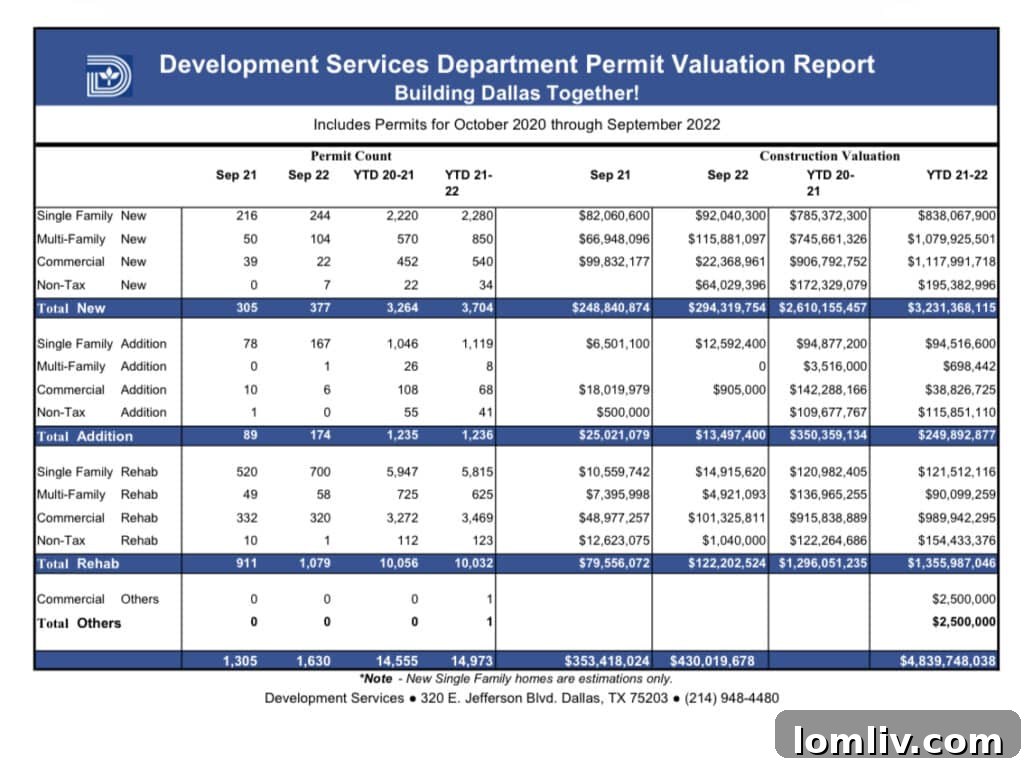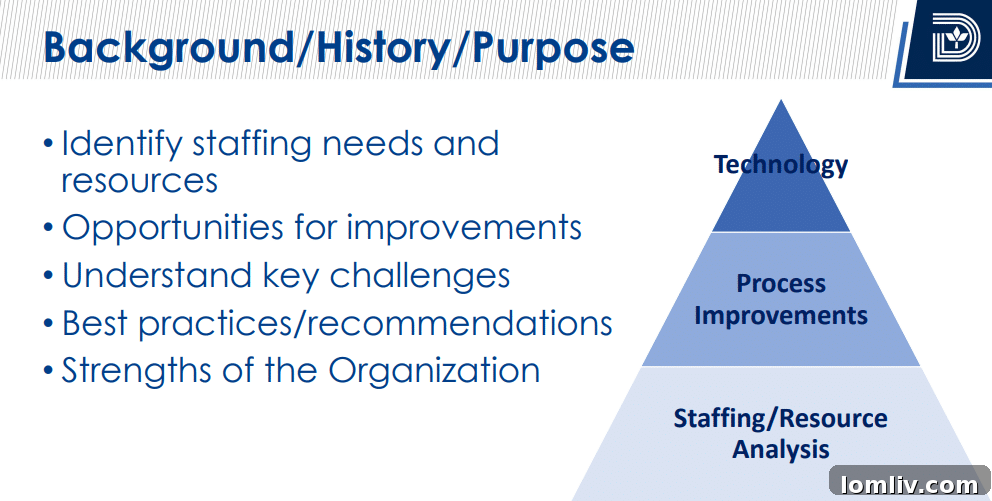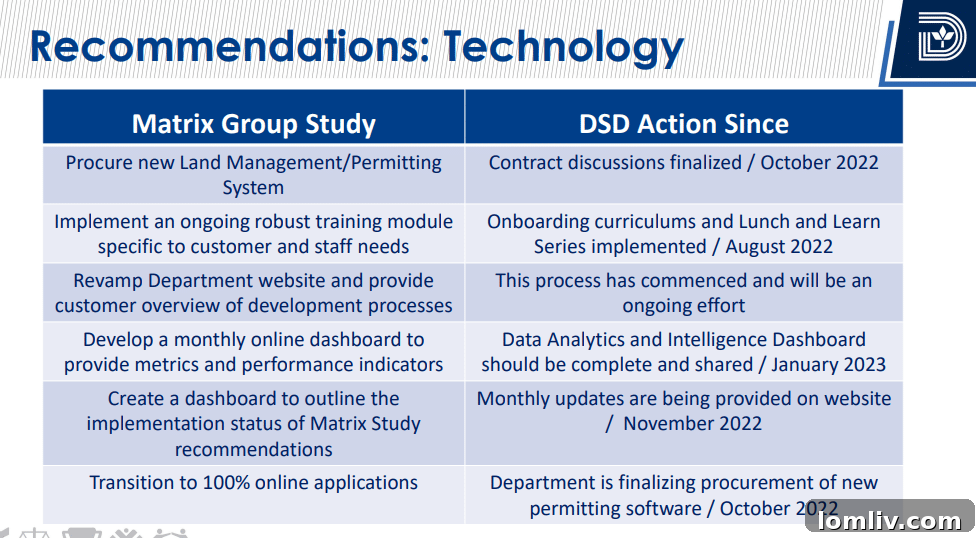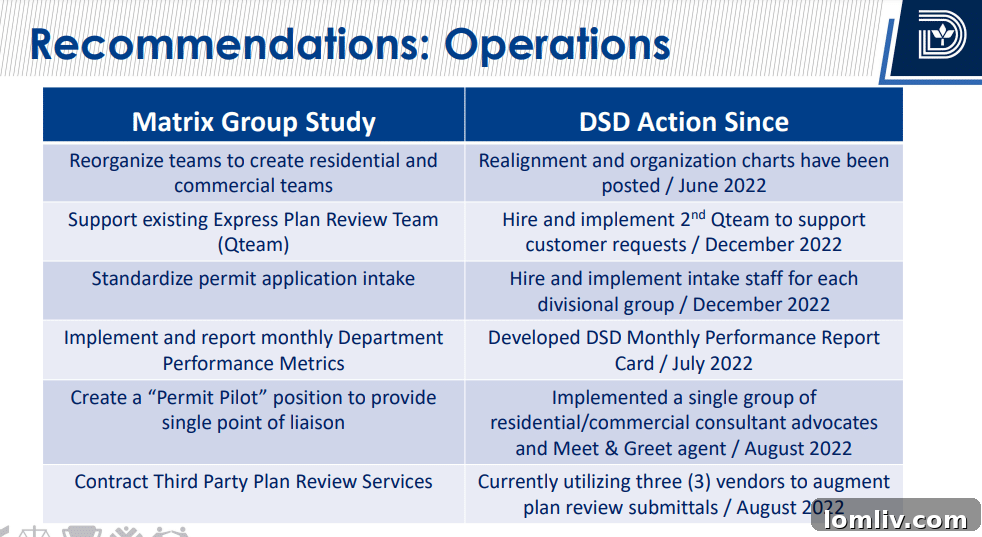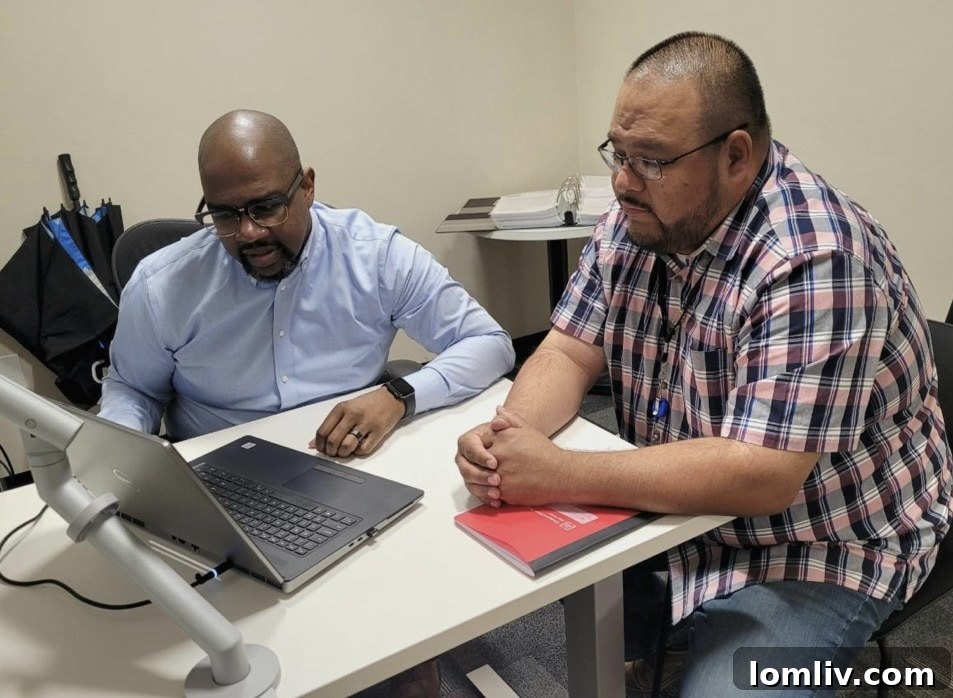
Imagine holding the reins to an entire city’s future growth and economic vitality, knowing that any bottleneck in your department could bring progress to a grinding halt. This is the demanding reality for Andrew Espinoza, Dallas’s Director of Development Services. His pivotal role places him at the forefront of the city’s complex permitting system, a system that, according to recent discussions among city council members, is currently struggling to keep pace, primarily due to challenges that predated his tenure.
Espinoza’s arrival in June was heralded with significant optimism. Tasked with the formidable challenge of clearing a substantial permitting backlog that originated during the unprecedented circumstances of the COVID-19 pandemic in 2020, he was seen as a much-needed catalyst for change. The city, hungry for development and growth, eagerly awaited improvements under his leadership.
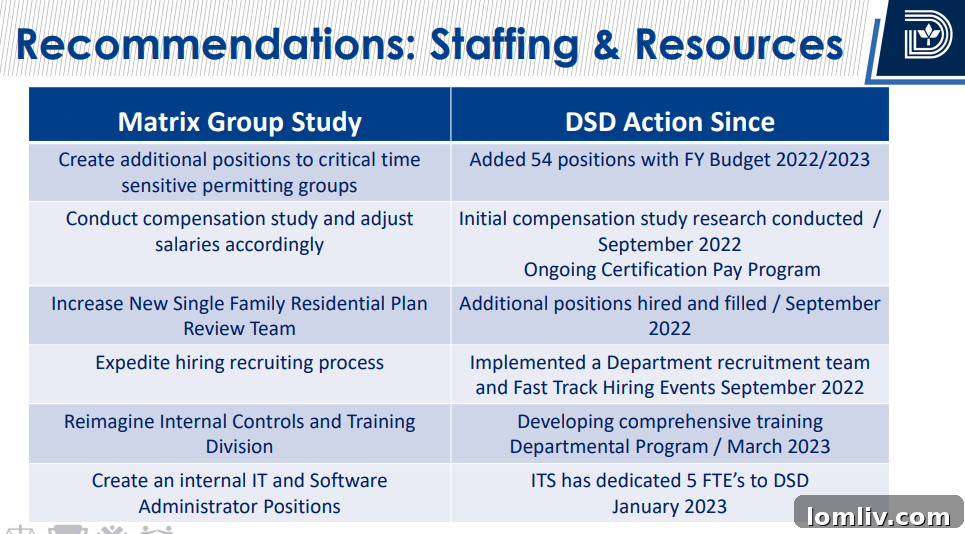
Indeed, under Espinoza’s diligent guidance, considerable strides have been made. These include crucial technology upgrades aimed at modernizing outdated processes, strategic new hires to bolster the department’s capacity, and the introduction of initiatives that allow certain builders to obtain same-day permits. These efforts reflect a proactive approach to a deeply entrenched issue. Across the board — from the building community, to elected officials, and the general public — Espinoza is widely recognized for his personable demeanor and his responsive approach to the immense demands of his high-stress position. However, despite his individual capabilities and dedication, his department continues to grapple with significant systemic hurdles, including 78 vacant positions, salary structures that struggle to compete with the private sector, and the daunting prospect of a new, crucial land management system that will require a full two years for complete implementation.
Navigating the Development Services Audit: Dallas’s Path to Progress
The efficiency of the Development Services Department (DSD) is not merely a bureaucratic concern; it is the linchpin of Dallas’s urban development. As several city council members emphasized, if the DSD fails to operate at peak performance, the city’s growth trajectory is severely compromised. This department controls the essential permits and approvals that transform architectural blueprints into tangible structures, making its function indispensable to Dallas’s future.
“We have to get this right,” asserted District 12 Councilwoman Cara Mendelsohn during a recent council meeting. She underscored the critical importance of the DSD’s role in shaping the city’s destiny. “This is so critical for our city and our future. If we can’t have people build, we won’t have more people move here. We won’t have our businesses grow. Everyone on this council hears people say, ‘It’s just too hard to work with Dallas.’” Her comments highlight the tangible impact of permitting delays on everything from population growth to business expansion, and the negative perception it creates for potential investors and residents.
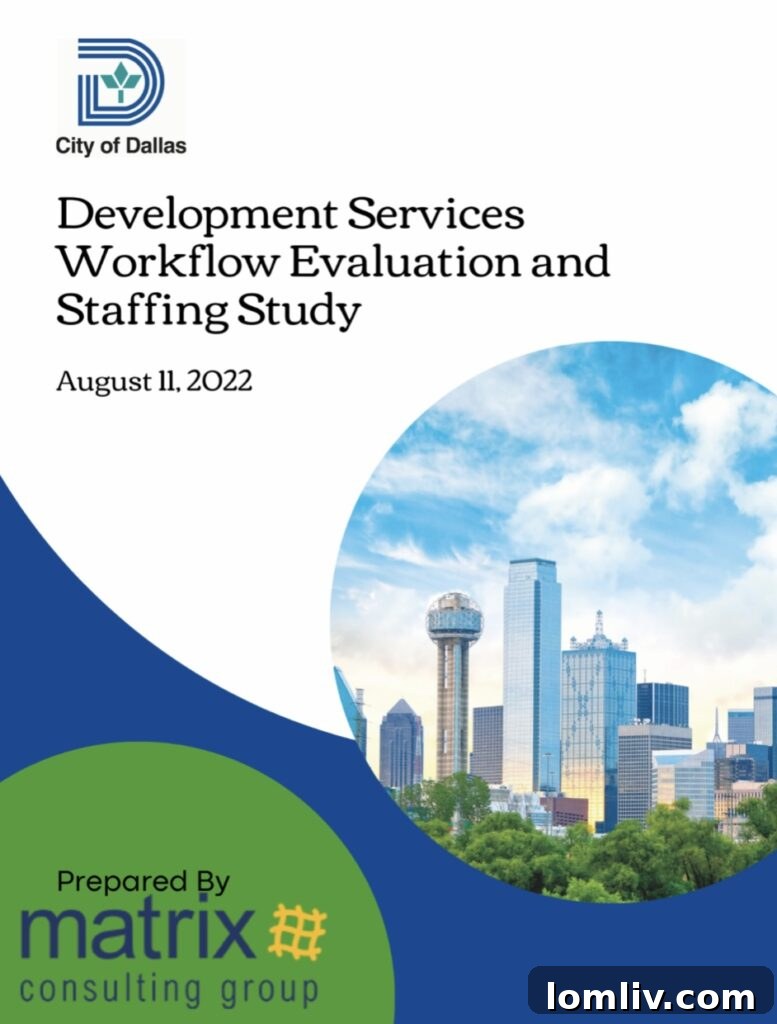
During the Wednesday Dallas City Council meeting, Director Espinoza meticulously reviewed the findings of a comprehensive, 153-page audit conducted on the Development Services Department. This detailed report, compiled by Matrix Consulting Group, laid bare the operational challenges and inefficiencies within the department. Espinoza faced a volley of incisive questions regarding the proactive measures being implemented to significantly improve the permit turnaround time, which, for many projects, still extends beyond a frustrating two-month period. This duration is simply untenable for developers and businesses that operate on tight schedules and budgets.
The intensity of the council’s concern was palpable when District 8 Councilman Tennell Atkins directly asked, “Do you think we’re the worst city in America for issuing permits?” The candid response, delivered by Assistant Director Vernon Young, was a resolute no. Young conveyed a sense of cautious optimism, stating, “We think overall we’re making incredible progress. Every day, we have to do better than we did the day before.”
To illustrate the department’s perspective, Young employed an analogy: if a group of six friends dines out and orders steak, the focus often shifts to the one individual who received a poorly cooked meal, overshadowing the five others who enjoyed a pleasant dining experience. This analogy, while attempting to frame progress, underscored the challenge of public perception when even a minority of negative experiences can cast a long shadow over broader improvements.
The Developer’s Dilemma: “A Lot of Bad Steak” in Dallas Permitting
Phil Crone, the influential executive officer for the Dallas Builders Association, represents a substantial constituency of 500 builder members, many of whom conduct the majority of their business within the city of Dallas. Crone’s perspective offers a critical and often blunt assessment of the DSD’s performance from the trenches of the development community. During the Nov. 2 meeting, he suggested that the comprehensive audit conducted by Matrix Consulting Group had, in his words, “buried the lead.”
Crone elaborated on his critique, pointing out that “Much of this report talks about Development Services and how it has to depend on other departments like HR and IT and planning, and some of the needed realignment that needs to happen.” His observation highlights a crucial systemic issue: the DSD’s efficacy is often constrained by its reliance on other city departments, creating a web of interdependencies that can impede efficiency. “We need to run the most critical department for economic development like a business. It needs to be entrepreneurial. We can’t have a situation continue where they’re not able to meet their IT and technical needs,” Crone argued, advocating for a more streamlined, business-oriented approach to a department vital for the city’s economic health.
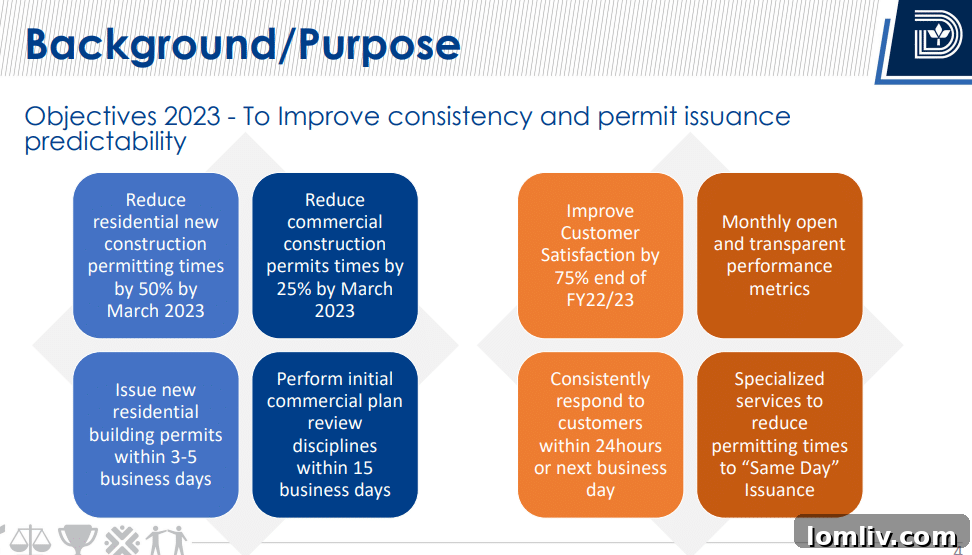
From a builder’s standpoint, the lack of predictability in the permitting process is a major impediment. Whether delays stem from issues in pre-screening, zoning complexities, or incomplete information on the applicant’s side, the inability to accurately forecast how long a permit will take severely hinders effective planning and efficient execution. Crone emphasized this point: “If builders can’t measure how long a permit is going to take, they can’t figure out effective and efficient solutions.” This uncertainty translates into increased costs, project delays, and a significant deterrent for new investments.
Crone starkly reminded the council that “Your competition is not from other departments. Your competition is from other cities and it’s from the other side of the permitting counter.” This powerful statement underscores Dallas’s position in the broader regional competitive landscape. Developers have choices, and if Dallas presents consistent, prolonged hurdles, they will take their business elsewhere. He provided compelling evidence of this struggle: “At the end of the day after three years of dealing with this, 80 percent of our members are still saying it’s taking 10 weeks or more to get a single-family residential permit out. That’s a lot of bad steak.” The “bad steak” analogy, previously used by Assistant Director Young to downplay issues, was here repurposed by Crone to highlight the pervasive and unacceptable nature of the delays, indicating that negative experiences are not isolated incidents but a widespread problem for the building community.
Streamlining the Permitting Process: Vision and Challenges Ahead
Director Espinoza articulated an ambitious but essential goal for the Development Services Department: to issue building permits within a rapid three to five days following the submission of a permit fee and application. This expedited timeline represents a significant departure from current realities and a clear vision for operational excellence.
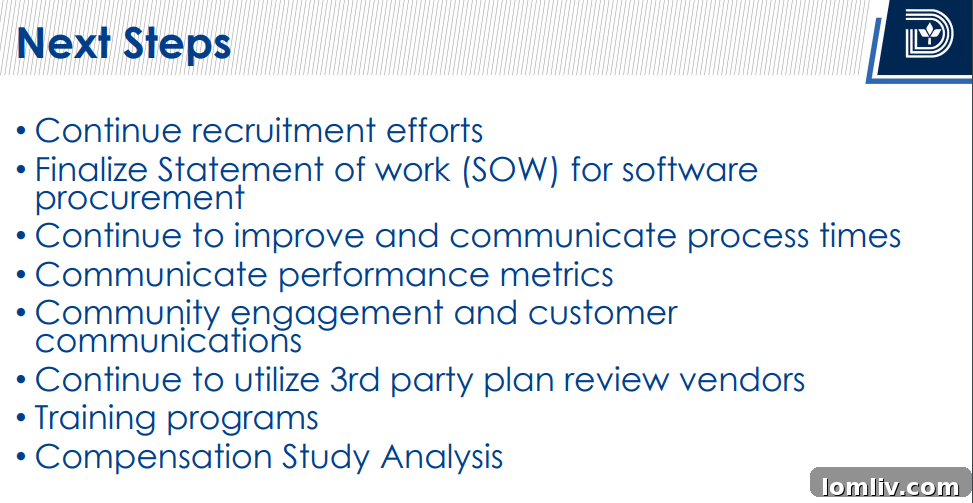
Central to achieving this ambitious target is the identification of a new, advanced land management system. This system is designed to integrate more effectively with the existing ProjectDox system, promising enhanced communication and vastly improved efficiency. While the benefits are clear, the path to implementation is lengthy, with Espinoza estimating a substantial 24-month timeline for full integration. In the interim, the department is not idle; it is actively working to mitigate current challenges by hiring new staff and consistently seeking feedback from both the vibrant building community and elected officials to inform and refine ongoing improvements.
The city’s commitment to growth and development, however, faces a crucial equity challenge. District 1 Councilman Chad West brought attention to a critical disparity, noting that while several measures are in place to accelerate permitting for market-rate development, affordable housing projects appear to be inadvertently overlooked. West voiced his concern during the Nov. 2 council meeting: “I worry about the optics of us not putting an expedited method out there for affordable housing, enabling that to happen more quickly and readily.” This highlights the need for equitable and inclusive development strategies that do not inadvertently disadvantage crucial housing initiatives.
Responding to this pressing concern, Espinoza outlined a proactive step: the formation of a dedicated team comprising eight staff members. This team will collaborate closely with the Housing and Neighborhood Revitalization department to specifically identify and prioritize affordable single-family housing and renovation projects. “What we intend to do is partner with those developers, builders, and small business contractors and facilitate and shepherd them through that process,” Espinoza explained, underscoring a commitment to provide targeted support for these vital community projects.
Beyond process and technology, West pinpointed another fundamental challenge: human capital. He strongly suggested that Development Services positions be reclassified, arguing that this would allow employees to earn higher, more competitive salaries. Addressing Espinoza directly, West passionately stated, “I know you want to have a championship team. This department should be like going to the majors. You get paid more; you have an opportunity for advancement.” He further pressed the issue, asking, “Why can’t we shake up the way we structure this department’s pay scale so we can pay them more and offer them more incentives? This should be where everybody in the city wants to go to work.” This proposal aims to transform the DSD into a highly attractive employer, capable of drawing and retaining top talent essential for its complex operations. West formally requested that this critical matter be presented before the city’s Government Performance and Financial Management Committee for serious consideration and action.
Phil Crone, while critical of past performance, acknowledged a significant positive shift. He praised the recent appointment of Andrew Espinoza and other key staff members, highlighting their proactive approach and willingness to take ownership of the persistent challenges. For years, Crone noted, Dallas has been “far and away the most challenging city to work with” within the 10-county region served by the Dallas Builders Association. This makes the commitment of current leadership all the more crucial.
The stakes for the Development Services Department are extraordinarily high. “There are thousands of businesses and residents who depend on this department, whose hopes and dreams are tied to this department,” Crone concluded, encapsulating the profound impact of the DSD’s efficiency on the lives and livelihoods of countless Dallasites. He reaffirmed the collective commitment of industry groups, stating, “There is nobody out there that wants this department to succeed more than our association and the other industry groups.” The journey to transform Dallas’s permitting process is complex and multi-faceted, requiring sustained effort in technology, staffing, policy, and leadership. The city’s future hinges on its success.