

As the calendar pages turn towards 2025, the North American property sector stands at the cusp of a transformative era. This coming year promises to be a pivotal moment, shaped by an intricate interplay of technological breakthroughs, significant demographic shifts, and the ongoing volatility of global financial markets. From cutting-edge building innovations to evolving lifestyle preferences, the real estate landscape is navigating both unprecedented challenges and dynamic opportunities. Understanding these forces is crucial for anyone involved in buying, selling, or investing in property across the continent.
To provide a clear lens into these forthcoming changes, we delve into six key trends that are poised to redefine the North American real estate market in 2025. These insights are not merely theoretical; they are grounded in real-world observations, with particular emphasis on the vibrant and rapidly expanding market of Texas. As one of America’s fastest-growing regions, Texas offers a compelling microcosm of the broader trends shaping the nation’s property future, providing practical examples of how these shifts are manifesting on the ground.
1. Artificial Intelligence (AI) Revolutionizing Property Transactions

The integration of Artificial Intelligence (AI) into the real estate sector is no longer a futuristic concept; it is rapidly becoming an indispensable tool, streamlining every facet of the property buying and selling process. In 2025, AI will significantly enhance efficiency, accuracy, and security for all stakeholders. Its capabilities extend far beyond simple data analysis, offering sophisticated solutions that empower buyers, sellers, and agents alike.
One of AI’s most impactful applications is in property valuation. By analyzing vast datasets including historical sales, market trends, neighborhood demographics, and even local amenities, AI algorithms can generate highly accurate and fair property price assessments. This precision helps sellers optimize their asking prices and ensures buyers are making informed offers. Furthermore, AI-powered systems are becoming adept at fraud detection, meticulously cross-referencing documents and transaction histories to identify irregularities, thereby safeguarding transactions against illicit activities.
For buyers, AI offers unparalleled convenience and personalization. Virtual assistants, powered by advanced natural language processing, are readily available to answer queries, guide users through complex processes, and even schedule virtual tours. More impressively, AI can analyze a buyer’s specific needs, preferences, and financial situation to provide hyper-targeted property recommendations. This goes beyond simple filter searches, learning from user interactions to present homes that truly align with their lifestyle and investment goals. In markets like Texas, where new residents are constantly seeking ideal communities, this personalized matching can significantly reduce the time and effort involved in finding the perfect home.
For real estate professionals, AI is an empowering ally rather than a replacement. It can automate repetitive tasks such as lead generation, initial client communication, and even draft essential legal documents like contracts and agreements. This frees up expert real estate agents to focus on high-value activities, such as client relationship building, complex negotiations, and providing nuanced local market insights. AI also assists agents in developing more targeted marketing strategies by identifying specific buyer segments and preferred communication channels, maximizing outreach effectiveness. From virtual staging that helps potential buyers visualize an empty space, to predictive analytics that forecast market shifts, AI streamlines every stage of buying and selling property, making the entire experience faster, more precise, safer, and ultimately, more efficient for everyone involved.
2. Surging Demand for Climate-Resilient Homes and Green Renovations
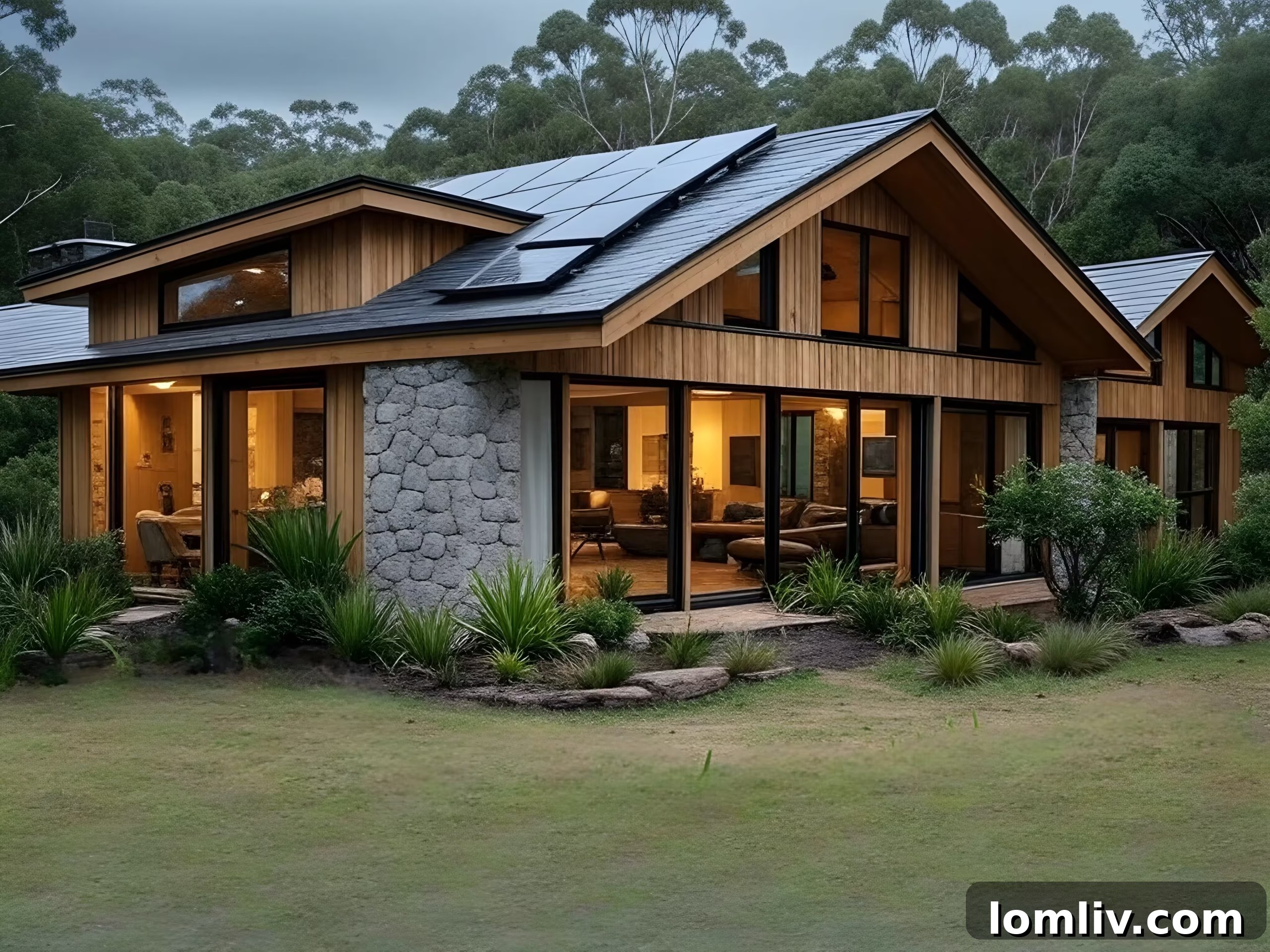
The escalating awareness of climate change and its tangible impacts is profoundly reshaping homeowner priorities. In 2025, the demand for sustainable and climate-resilient homes will continue its rapid ascent, driven by a confluence of environmental consciousness, compelling government incentives, and the undeniable financial benefits of eco-friendly living. Homebuyers are increasingly prioritizing properties that offer long-term protection against extreme weather events and contribute positively to environmental stewardship.
Homebuyers are actively seeking features designed to mitigate risks from increasingly frequent climate events, whether it’s the hurricane season in coastal Texas or the prolonged heatwaves across the state. The most sought-after characteristics include disaster-resistant building materials, such as impact-resistant windows, reinforced roofing, and flood barriers, which provide a crucial layer of protection. Furthermore, the adoption of renewable energy systems, primarily solar panels, is surging not just for environmental reasons but also for the significant reduction in energy bills. Energy-efficient appliances, smart thermostats, and advanced insulation technologies are also highly valued for their ability to minimize utility consumption and carbon footprint. Innovative ventilation designs, like passive cooling systems and strategically placed windows, are increasingly incorporated to maintain comfortable indoor temperatures while reducing reliance on air conditioning, especially in hot climates like Texas.
The appeal of green homes extends beyond their environmental bona fides. These properties are inherently more energy-efficient, translating directly into lower monthly utility costs for homeowners. This financial incentive, coupled with a growing desire for responsible living, makes them highly attractive. Beyond the immediate savings, climate-resilient and green homes often command a higher resale value, reflecting their superior construction quality, lower operating costs, and reduced risk profile. Insurance companies are also beginning to offer lower premiums for homes equipped with specific resilience features, further enhancing their economic appeal. The long-term benefits of reduced maintenance due to durable materials and robust construction add another layer of financial advantage, making green renovations and climate-resilient builds a sound investment for the future. Government initiatives, such as tax credits for solar installations or energy-efficient upgrades, are further catalyzing this trend, making sustainable living more accessible and economically viable.
3. The Rise of Multigenerational Living and Adaptable Space Design

The concept of multigenerational living, where multiple generations of a family reside under one roof, is experiencing a significant resurgence across North America, driven by a complex tapestry of economic and social factors. In 2025, this trend will continue to gain momentum, influenced by the escalating cost of housing, an aging population requiring care or companionship, and a powerful desire to strengthen family bonds and cultural connections. This shift is leading to innovative home designs that prioritize flexibility, privacy, and accessibility for residents of all ages.
Homes are now being thoughtfully designed to accommodate this evolving family dynamic. A key feature is the inclusion of separate living areas, which might range from full in-law suites with private entrances and kitchenettes to detached Accessory Dwelling Units (ADUs) in the backyard. These distinct spaces allow adult children, elderly parents, or other relatives to maintain a degree of independence and privacy while still benefiting from the proximity and support of family. Universal design features, such as wider doorways, no-step entries, grab bars in bathrooms, and easily accessible light switches and outlets, are also becoming standard. These elements ensure that homes are functional and comfortable for individuals with varying mobility levels, anticipating future needs as family members age. Moreover, adaptable layouts, utilizing movable walls or modular furniture, allow spaces to be reconfigured as family needs change, from a nursery to a home office, or from a shared playroom to separate bedrooms.
The benefits of this housing model are manifold. Economically, multigenerational living offers substantial cost savings by consolidating housing expenses, mortgage payments, and utility bills. In high-cost markets like many parts of Texas, this can make homeownership more attainable or allow families to afford larger, more suitable properties. Socially, it fosters a robust support system among family members, facilitating childcare for working parents, elder care for aging relatives, and shared responsibilities around the household. This communal living strengthens intergenerational relationships, promotes cultural transmission, and provides a sense of security and belonging. For instance, grandparents can actively participate in raising grandchildren, while adult children can ensure their parents’ well-being.
However, multigenerational living also presents its own set of challenges, including maintaining individual privacy within shared spaces, accommodating diverse lifestyles and daily routines, and managing potential communication breakdowns. These issues, if left unaddressed, can lead to friction. Fortunately, many of these challenges can be effectively mitigated through thoughtful architectural design that incorporates soundproofing, dedicated private zones, and clear visual separation. Equally important are establishing clear boundaries and fostering open, honest communication among all household members. Regular family meetings, clearly defined roles, and respect for individual needs are crucial for ensuring harmonious cohabitation, making this model a sustainable and enriching choice for many families in 2025 and beyond.
4. Adapting to Market Dynamics and the Persistent Quest for Affordability

The ongoing struggle for affordable housing remains one of the most pressing challenges in the North American real estate market, particularly in high-growth areas like Texas. In 2025, successful navigation of this landscape will necessitate a proactive and strategic approach from both buyers and policymakers. Understanding the multifaceted factors that influence housing costs, and exploring a wider array of solutions, will be key to making homeownership a reality for more individuals and families.
Addressing affordability often begins with a shift in perspective. Instead of fixating on large, traditional single-family homes, buyers might consider opting for a more modest home or exploring non-traditional housing solutions such as townhouses, condominiums, co-living arrangements, or even the burgeoning tiny home movement. Modular and pre-fabricated homes also offer cost-effective alternatives with increasingly sophisticated designs. Beyond property types, leveraging support from a variety of public and private programs can make a significant difference. These include government-backed down payment assistance programs, first-time homebuyer grants, mortgage credit certificates, and community land trusts that aim to keep housing permanently affordable. In Texas, a state characterized by rapid population influx, these programs are vital for maintaining diverse and accessible housing options.
A deeper understanding of what drives home prices higher is fundamental. Key factors include prevailing interest rates, which directly impact monthly mortgage payments and borrowing capacity; local income levels, which dictate purchasing power; the overall cost of living, which affects disposable income; and broader market shifts, such as supply and demand imbalances, speculative investment, and inflation. In 2025, these variables will continue to fluctuate, making informed decision-making paramount. The persistent shortage of housing inventory, exacerbated by rising construction costs for labor and materials, puts upward pressure on prices, making it even harder for the average buyer to compete.
For prospective buyers, a strategic approach could involve exploring emerging neighborhoods or suburban areas that still offer relative affordability but are experiencing growth and development. Researching which government programs might provide assistance specific to your situation, or considering properties slightly outside the most coveted zip codes, can open up viable options. When you’re ready to buy, staying rigorously up-to-date on what’s happening locally—from new construction projects to proposed zoning changes—can help you make a smarter, more confident decision. Working with an experienced real estate agent who specializes in affordable options and understands market nuances is invaluable. In an environment defined by fewer homes on the market and escalating construction costs, adaptability and diligent research are not just advantages; they are necessities for achieving the dream of homeownership.
5. The Profound Impact of Interest Rates and Broader Economic Conditions

The heartbeat of the North American real estate market is undeniably linked to the rhythms of the broader economy, with interest rates and inflationary pressures acting as critical determinants of property values and buyer affordability. As 2025 unfolds, these macroeconomic factors will continue to exert a profound influence, shaping investment decisions and homeownership aspirations across the continent. Understanding their dynamics is crucial for anyone engaging with the property market.
Changes in inflation directly impact the cost of goods and services, including construction materials and labor, which in turn affect the price of new homes. More critically, central banks often respond to inflation by adjusting benchmark interest rates. Higher interest rates translate directly into higher mortgage rates, which can significantly increase the monthly cost of homeownership and reduce the purchasing power of prospective buyers. Even a slight increase in mortgage rates can add hundreds of dollars to a monthly payment, effectively pricing out a segment of the market. This scenario has been acutely felt in Texas, a state that has experienced robust economic growth and population surges, yet where higher mortgage rates and climbing home insurance costs have collectively made it tougher for many people to purchase a home, even though underlying demand remains exceptionally strong due to job creation and inward migration.
Beyond interest rates, broader economic conditions such as employment levels, wage growth, and consumer confidence also play a pivotal role. A strong job market and rising incomes can offset some of the challenges posed by higher interest rates, bolstering demand. Conversely, economic slowdowns or uncertainties can lead to decreased buyer confidence and a softer market. Geopolitical events, global supply chain disruptions, and shifts in fiscal policy can all ripple through the economy, influencing everything from material costs for developers to investment appetite for real estate. In 2025, monitoring these intricate economic signals will be more critical than ever.
For both aspiring homeowners and seasoned investors, this means maintaining a vigilant eye on economic indicators and adjusting financial strategies accordingly. Prudent planning might involve securing pre-approvals to lock in favorable rates, exploring different mortgage products like adjustable-rate mortgages (ARMs) for potentially lower initial payments (though with inherent risks), or carefully stress-testing one’s budget against various interest rate scenarios. For investors, it necessitates a deep dive into local market fundamentals, understanding the long-term growth prospects, and diversifying portfolios to mitigate risks associated with economic downturns. Ultimately, being informed about the current economic climate and its potential trajectory is paramount for making smarter, more resilient investment and home buying plans that align with what’s happening in the dynamic North American property market.
6. The Ascendance of Digital Transactions and Blockchain Technology

The digital transformation of real estate transactions is accelerating at an unprecedented pace, promising to fundamentally alter how properties are bought, sold, and managed in North America by 2025. From the widespread adoption of e-signatures to the nascent but powerful integration of blockchain technology, digital tools are ushering in an era of enhanced efficiency, transparency, and security across the industry.
Digital tools are already revolutionizing various stages of the real estate journey. Online property portals offer immersive virtual tours and augmented reality experiences, allowing prospective buyers to explore properties remotely and make informed decisions without physical visits. Digital mortgage applications, online notarization services, and secure cloud-based document sharing platforms are streamlining administrative processes, significantly reducing paperwork and accelerating transaction timelines. The ubiquitous use of e-signatures on contracts and legal documents has become the norm, facilitating faster closings and reducing geographical barriers.
However, the most groundbreaking innovation on the horizon is the increasing application of blockchain technology. Blockchain, the distributed ledger system underpinning cryptocurrencies, holds immense potential for real estate. It promises to enhance security by creating an immutable and transparent record of ownership transfers, removing the need for intermediaries, and significantly reducing the risk of fraud. Each transaction is encrypted and permanently recorded, creating an unalterable history of a property’s ownership and title. This transparency can drastically reduce the time and cost associated with title searches and due diligence, making property transfers more efficient and trustworthy. Smart contracts, self-executing agreements stored on the blockchain, can automate various stages of a transaction, from escrow releases to the transfer of deeds, contingent upon predefined conditions being met.
While blockchain technology is still in its infancy in many regions, including Texas, its early applications are proving its immense potential. Pilot programs are exploring fractional ownership of real estate through tokenization, making property investment accessible to a broader range of investors. As regulatory frameworks evolve and the technology matures, blockchain is poised to become a foundational technology for future developments throughout North America, promising to increase security, efficiency, and accessibility in real estate transactions. Its ability to create a single, verifiable source of truth for property records could significantly mitigate disputes, speed up closings, and ultimately create a more liquid and trustworthy real estate market.
Key Takeaways for the North American Real Estate Market in 2025
As we look forward to 2025, it’s clear that the North American real estate landscape is dynamic and multifaceted, shaped by the convergence of significant demographic shifts, rapid technological advancements, and ever-evolving economic conditions. These powerful forces are collectively redefining how properties are developed, bought, sold, and lived in across the continent.
The vibrant market of Texas serves as an exemplary case study, highlighting the critical importance of addressing affordability in the face of robust population growth and the urgent need for creative housing solutions. Its experiences provide valuable lessons for other regions grappling with similar challenges. The state’s blend of economic dynamism and demand for innovative living solutions underscores the broad trends at play across North America.
For real estate agents and professionals, remaining competitive in this rapidly transforming environment necessitates a proactive approach. It requires a willingness to wholeheartedly embrace new technologies, such as AI and blockchain, and to adjust swiftly to market fluctuations and emerging consumer preferences. Staying abreast of the changing demands of a wide range of renters and buyers – from those seeking sustainable homes to families prioritizing multigenerational living arrangements – will be crucial for success. Adaptability, continuous learning, and a client-centric approach, empowered by technological innovation, will be the hallmarks of leading professionals in the North American real estate market of 2025 and beyond.