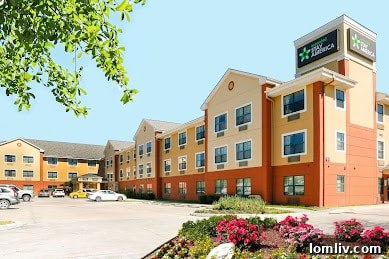
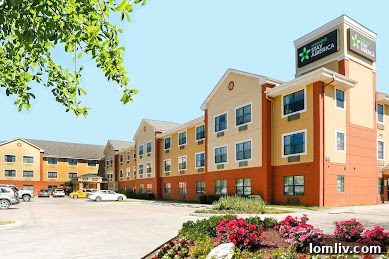
The transformation of a notorious extended-stay hotel, once infamously known as the “Hotel From Hell,” into a beacon of hope for affordable housing is underway in Dallas. Situated conveniently near a major highway and a DART station, this property, long plagued by crime, is poised for a significant repurposing that promises to uplift the community and provide much-needed stable homes.
At the forefront of this ambitious initiative is Mark Melton, a distinguished figure in the realm of housing advocacy in Dallas. His vision is transforming what was once a hub of criminal activity into a vital resource for affordable housing, aligning perfectly with his relentless efforts to combat housing insecurity.
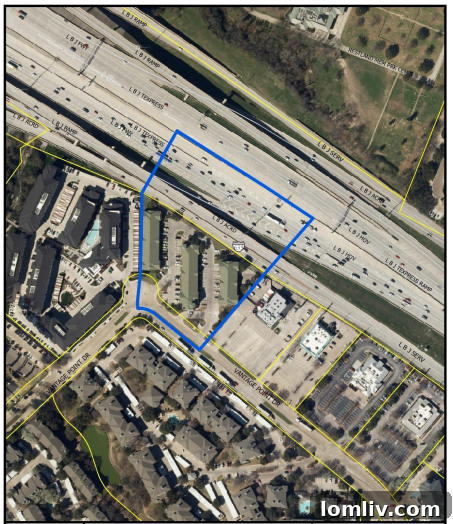
A pivotal step in this transformative journey was taken last week when a letter of intent was signed by Volunteers of America (VOA). This leading nonprofit organization is set to acquire the 2.9-acre property, strategically located on the north side of Vantage Point Drive near Greenville Avenue. This acquisition marks a significant milestone in the effort to provide permanent supportive housing solutions for vulnerable populations in Dallas.
Melton, acclaimed as the founder of the Dallas Eviction Advocacy Center, has made a profound impact by personally challenging the Dallas County justice of the peace courts on eviction cases. His dedication has led to rehousing hundreds of individuals and families who faced displacement, a testament to his unwavering commitment to housing justice. When the opportunity arose to convert a distressed property into permanent supportive housing complete with comprehensive wraparound services, Melton immediately recognized its potential to serve the community profoundly.
Reflecting on the vision for the site, Melton shared, “[Volunteers of America] would undertake a complete rehabilitation of the entire structure, converting it into a multi-family complex. The existing 136 units will be reconfigured into 105, which allows us to create a mix of one-bedroom and two-bedroom apartments suitable for small families. I am confident that we can transform this into a vibrant and welcoming community.” This thoughtful reduction in unit count is designed to enhance living spaces and foster a more stable environment for residents.
To ensure the project aligns with the most pressing housing needs, Melton proactively engaged with key organizations such as DHA, Housing Solutions for North Texas, and Housing Forward. Their insights were crucial in shaping a plan that directly addresses critical housing shortages in the region, focusing on creating truly affordable and supportive living conditions.
The next critical phase for this project rests with the Dallas City Council. A rezoning hearing is scheduled to address the necessary land-use changes. However, sources within City Hall indicate that the matter might be deferred for approximately 60 days, allowing ample time for all contractual agreements to be meticulously finalized. This deferral underscores the complexity and significant impact of a project of this scale, requiring careful planning and stakeholder alignment.
From Notorious Crime Hub to Affordable Housing Haven
The history of the Vantage Point Drive hotel paints a stark picture of urban decay and neglect. At a community meeting held in October, residents were informed by Dallas police and the Drug Enforcement Administration about a disturbing pattern of numerous arrests. These arrests at the site spanned a wide array of serious offenses, including murder, large-scale drug trafficking, sex crimes, and the handling of stolen vehicles. The sheer volume and severity of these criminal activities led local residents to collectively brand the property as the chilling “Hotel From Hell.” This moniker vividly captured the profound sense of fear and insecurity that permeated the neighborhood due to the hotel’s presence.
However, the tide has turned. Melton reports a dramatic shift: the property is now largely vacant, and, significantly, no major criminal incidents have been reported for the past three months. This reduction in crime is a direct result of concerted efforts to secure the property and prepare it for its new purpose. It demonstrates a proactive approach to community safety that is essential before any large-scale housing project can begin.
There’s a common misconception about voucher properties, that they are synonymous with poverty and increased crime. The reality is quite different. Many individuals holding these housing choice vouchers are young, single mothers. For them, losing that voucher would be catastrophic. They are incredibly diligent, adhering to all rules and ensuring a problem-free living environment, precisely because they understand they cannot afford market-rate apartments. This program often represents their sole opportunity to raise their children in a secure and stable setting.
Mark Melton, Dallas Eviction Advocacy Center
During an online community meeting on February 14, co-hosted by Melton and District 10 Councilman Adam McGough, a recurring question from concerned residents focused on potential security issues: “How will you prevent homeless individuals from breaking into units and squatting?” Melton addressed these anxieties directly, stating, “The key to preventing such issues is to ensure there are no empty units.” This strategy emphasizes immediate occupancy and active management as crucial deterrents against illicit activities.
To further bolster security and community confidence, the property has undergone significant upgrades. A new, robust fence has been erected, security personnel have been augmented, and comprehensive video surveillance systems are now operational. Melton also highlighted the proven effectiveness of active community policing. He explained, “When community policing is active and engaged in a specific area, crime rates invariably decrease.” This integrated approach combines physical security enhancements with strategic law enforcement presence.
Melton affirmed the transformation of the property, stating, “This was, without a doubt, a habitual criminal property. However, the city attorney’s office has confirmed that all significant criminal activity has ceased.” He further elaborated on the current status of the hotel’s operations, noting, “The current owners, who were operating it as a hotel, have stopped accepting new customers.” This deliberate cessation of business has been instrumental in clearing out the previous problematic elements. Melton also pointed out the advantageous location, observing, “It’s not adjacent to single-family homes; it’s perfectly situated to add a multi-family property next to an existing cluster of similar developments. The units are small, which makes them ideally suited for renting out at truly affordable prices.” This strategic positioning and unit size are critical factors in the project’s viability and its ability to deliver accessible housing.
Empowering Futures Through the Housing Choice Voucher Program
The financial commitment required to transform the former “Hotel From Hell” into a viable affordable housing community is substantial. Volunteers of America, the esteemed nonprofit spearheading this initiative, is prepared to invest a minimum of $3 million into the rehabilitation of the property. This significant investment will be financed through a combination of debt issuance and securing essential bank financing, demonstrating VOA’s robust financial planning and dedication to the project, as confirmed by Melton.
Melton further underscored the philanthropic nature of the endeavor, stating, “Any potential equity involved would be purely philanthropic. There is absolutely no for-profit motivation in this entire deal.” This core principle ensures that every dollar invested directly serves the community’s needs rather than generating private profit. “The overarching goal is to create affordability where it has vanished, provide crucial services to the residents, help stabilize their lives, offer educational opportunities, and ultimately guide them towards a more secure and prosperous future,” Melton elaborated, articulating the profound social mission behind the project.
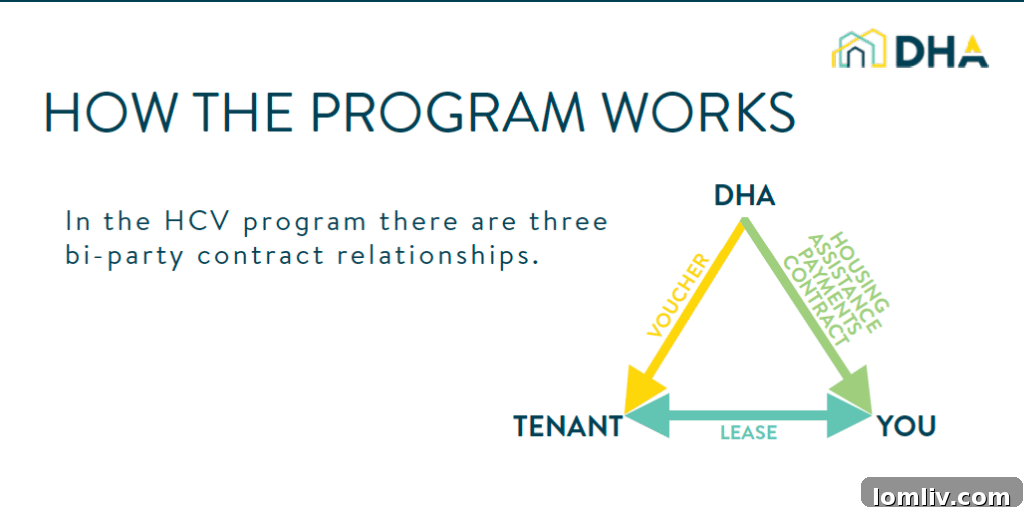
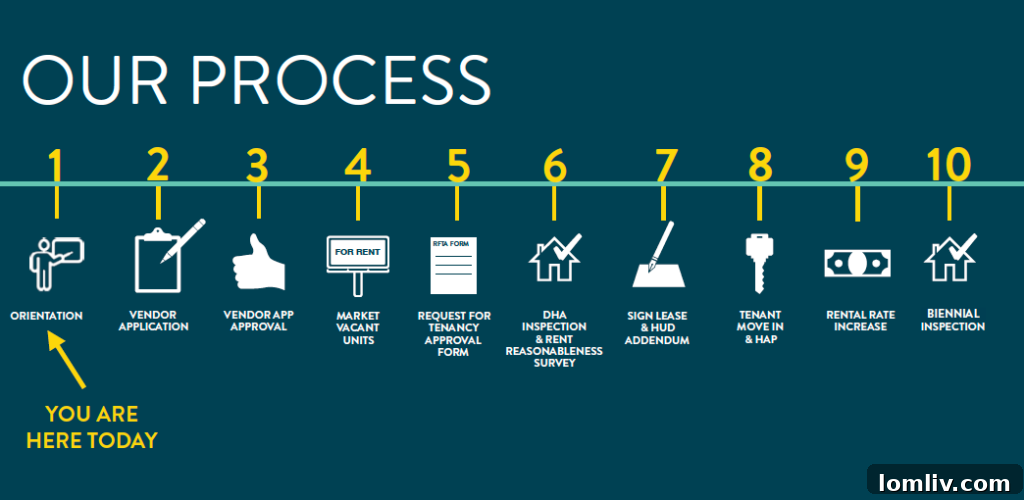
In his discussions with Housing Forward and DHA, Melton emphasized the commitment to creating the exact types of housing units most desperately needed in the community. While a portion of these units might be allocated to assist individuals transitioning out of homeless encampments, the primary focus will be on serving residents eligible for the Housing Choice Voucher (HCV) program. This program is particularly vital, as most HCV participants are widely recognized as exemplary tenants who are deeply committed to maintaining their housing stability.
Melton reiterated a crucial point about the Housing Choice Voucher program, which is often misunderstood: “If you examine properties that accept housing vouchers, there’s a persistent misconception that all residents are impoverished and that these properties inherently attract a high level of crime. This is far from the truth.” He passionately debunked this myth, explaining, “The reality is that a significant number of these voucher holders are young, single mothers. For them, the loss of their housing voucher would be devastating. They go above and beyond to adhere strictly to all rules and regulations, ensuring there are no issues. They are acutely aware that market-rate apartments are simply beyond their financial reach, making this program their only viable path to provide a safe and stable environment for their children.” This insight highlights the program’s critical role in empowering families and fostering community stability, countering negative stereotypes with empirical understanding.
The success rates associated with supportive housing programs further reinforce the project’s viability. Peter Brodsky, the esteemed chair of the Housing Forward board, proudly reported a remarkable 99 percent success rate among the more than 1,700 individuals and families his organization has housed. This outstanding track record underscores the effectiveness of comprehensive support systems. Melton succinctly captured the essence of this success: “The magic lies in the case management.” This personalized support, which helps residents navigate challenges and access resources, is crucial for long-term housing stability and self-sufficiency.
DHA, Housing Solutions for North Texas, plays a critical role in facilitating these connections by actively working to connect landlords with the Housing Choice Voucher program. Their efforts are vital in expanding the network of available affordable housing options. A DHA spokesperson affirmed their commitment, stating, “DHA currently supports approximately 16,000 voucher families who are funded and in urgent need of affordable housing options. We actively seek partnerships with landlords, offering access to great, thoroughly vetted tenants for any available vacancies.” This robust infrastructure ensures that once the Lake Highlands property is rehabilitated, there will be a strong and reliable pool of prospective residents ready to call it home.
A Vision for What’s Best For Dallas
Despite ongoing initiatives to incentivize the private sector to develop affordable housing, the stark reality in Dallas remains challenging. As Melton points out, even the city’s most affordable apartments, often located in areas with higher crime rates, typically command rents of at least $1,200 per month. This figure is unattainable for many low-income families and individuals, highlighting a severe gap in the housing market that traditional development models often fail to address.
This persistent challenge sparked a transformative idea in Melton’s mind. “I had a fundamental thought: ‘What if we, as advocates, simply acquired a significant number of these lower-cost properties and managed them through a nonprofit structure?’” he recounted. This approach radically redefines the landlord-tenant relationship. “As owners operating under a nonprofit framework, we have the unique ability to treat people with the dignity and respect they deserve, while rigorously adhering to all legal statutes,” Melton explained. Crucially, without the imperative of generating profit, all financial resources can be reinvested directly into the community. “Every dollar saved can be channeled back to the tenants in the form of lower rents and significantly enhanced services,” he concluded, highlighting the profound economic and social benefits of this model.
One of the project’s key advantages is the current vacancy of the building. This eliminates the complex and often contentious issue of tenant displacement, allowing the rehabilitation process to proceed without disrupting existing residents. It streamlines the transition and focuses all efforts on creating new, stable homes rather than relocating current ones.
Melton firmly believes in the broader impact of this project on the city. “Ultimately, our responsibility is to act in the best interest of the City of Dallas—and this initiative unequivocally serves the people of Dallas,” he declared. The conversion of the “Hotel From Hell” into a thriving, supportive affordable housing community represents more than just a building renovation; it symbolizes a commitment to justice, dignity, and a stronger, more equitable future for all Dallas residents.