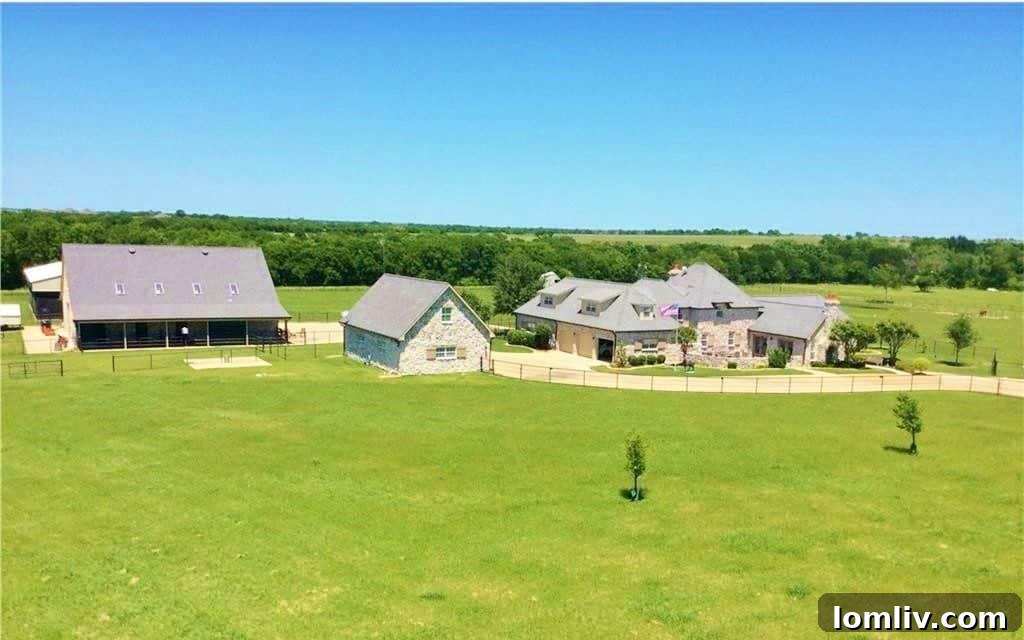
Equestrian Subdivisions: Reclaiming Freedom and Community for Horse Owners
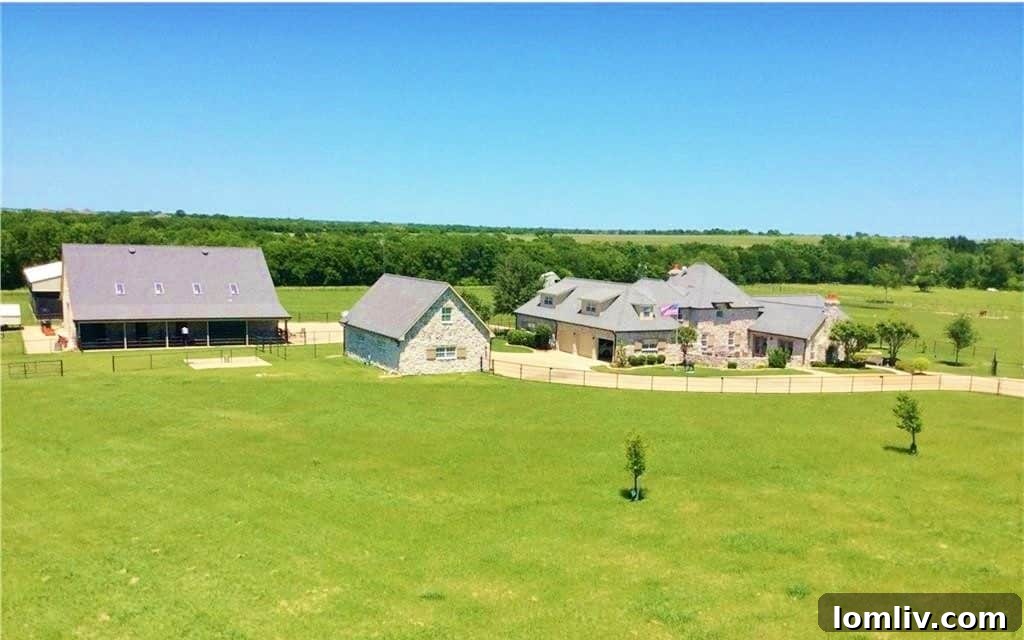
For many passionate equestrians, the dream of owning a horse property goes beyond just having a barn; it’s about embracing a lifestyle defined by freedom, flexibility, and an unyielding bond with their horses. However, navigating the world of horse boarding facilities often comes with its own set of challenges—commonly referred to as “barn drama.” Restrictive feeding schedules, limited turnout, fluctuating costs, and interpersonal conflicts can quickly overshadow the joy of horse ownership. This yearning for a more personal, autonomous approach to horse care is a primary driver for many considering the significant step into owning their own land.
As Kathryn Roan, a respected Farm and Ranch columnist, aptly puts it, “For better or worse, current boarding barn arrangements are often front-and-center on the list of concerns brought to me by virgin horse property buyers.” The move to a private horse property represents a profound liberation. Imagine having the liberty to feed your horses precisely what you’d like, at times that suit their individual needs, without seeking permission. Envision providing generous shavings in their stalls, administering any supplement deemed beneficial, and turning them out whenever the weather permits, not according to a rigid schedule. This extensive list of freedoms is what beckons many horse owners away from shared facilities and towards their own green acres.
Escaping the Boarding Barn Blues: The Allure of Private Horse Care
The transition from a boarding barn to your own property is often fueled by a desire for greater control and peace of mind. While boarding can offer convenience and social interaction, it frequently comes with compromises. Horse owners often report feeling limited in their ability to make independent decisions regarding their horse’s diet, exercise, and overall welfare. The subtle (and sometimes not-so-subtle) politics of shared barn spaces can create an environment of stress rather than relaxation, detracting from the very reason many people own horses – for joy and connection.
When you own your own horse property, the benefits extend far beyond just avoiding “drama.” It’s about cultivating a deeper, more intimate relationship with your equines. You become the sole architect of their daily lives, ensuring every detail aligns with their health and happiness. This hands-on approach allows for immediate responses to any changes in their condition, fosters a deeper understanding of their personalities, and ultimately leads to a more harmonious equestrian experience. Moreover, the long-term financial implications can also be appealing; while initial setup costs for private property can be significant, the ongoing expenses often stabilize, and the property itself can become a valuable asset.
Equestrian Subdivisions: A Hybrid Solution for Modern Horse Owners
While the idea of sprawling, isolated acreage might appeal to some, many horse owners find themselves grappling with potential trade-offs when considering leaving boarding behind. Concerns about loneliness, finding riding partners, or accessing shared amenities like arenas can be deterrents. Could there be a middle ground that offers the cherished freedom of private ownership while retaining the camaraderie and convenience often associated with boarding? This is where equestrian subdivisions emerge as an increasingly popular and often ideal solution.
Equestrian subdivisions are meticulously planned communities designed specifically for horse owners. They offer larger-than-average lots, providing ample space for personal barns, paddocks, and turnouts. What truly sets them apart, however, are the community-oriented features that cater directly to the equestrian lifestyle. These often include shared riding trails that weave through the neighborhood, communal arenas, round pens, and sometimes even cross-country courses. These amenities foster a strong sense of community among like-minded individuals, ensuring that while you have the privacy and control over your own horses, you’re never truly alone.
The Distinct Advantages of Choosing an Equestrian Community
Opting for an equestrian subdivision offers a unique blend of benefits, marrying the best aspects of private ownership with the advantages of a supportive community:
- Built-in Riding Community: One of the biggest fears of moving to an isolated property is the lack of riding partners. Equestrian subdivisions solve this by surrounding you with fellow enthusiasts. Group rides, clinics, and social gatherings become an integral part of life, fostering friendships and shared experiences.
- Shared, Maintained Amenities: Instead of bearing the full cost and responsibility of maintaining an arena or extensive trail system yourself, these facilities are often managed by the homeowners’ association (HOA), ensuring they are well-kept and readily available for residents.
- Safety and Security: Living in a community where neighbors understand and appreciate horses often translates to a safer environment. A collective watchfulness, combined with the presence of other experienced horse people, can offer peace of mind, especially during emergencies or when traveling.
- Preserved Equestrian Environment: These communities are designed with horses in mind, meaning zoning and covenants are typically horse-friendly. You won’t have to worry about future developments infringing upon your equestrian space or local ordinances suddenly restricting livestock.
- Convenience and Accessibility: Many equestrian subdivisions are strategically located, offering a balance between rural serenity and proximity to essential services like veterinarians, farriers, feed stores, and tack shops, as well as schools and urban centers.
- Enhanced Property Value: Due to their specialized appeal and robust amenities, homes within well-managed equestrian subdivisions often maintain or increase their value, appealing to a niche market of dedicated horse owners.
What to Consider When Exploring Equestrian Subdivisions
While the appeal of equestrian subdivisions is undeniable, making an informed decision requires careful consideration of several factors to ensure the community aligns perfectly with your needs and lifestyle:
- Homeowners’ Association (HOA) Fees and Covenants (CC&Rs): Understand the HOA structure, monthly fees, and the specific covenants, conditions, and restrictions. These rules can dictate everything from barn size and fencing styles to the number of horses allowed per acre, architectural guidelines, and usage rules for community amenities. Ensure they align with your vision and budget.
- Property Size and Zoning: Verify that the individual lots offer sufficient space for your current and future horse needs, including pastures, turnouts, and a barn. Always check local zoning laws regarding livestock and equestrian facilities.
- Quality and Maintenance of Shared Amenities: Inspect community trails, arenas, and other shared facilities. Are they well-maintained? Is there a clear plan for their upkeep? Talk to current residents about their satisfaction with these resources.
- Accessibility to Equestrian Services: Research the availability and reputation of local veterinarians, farriers, equine dentists, and feed suppliers. Proximity to these essential services is crucial for seamless horse care.
- Pasture Management and Soil Quality: Evaluate the quality of the soil and existing pastures. Good pasture management is vital for horse health and reduces feed costs. Inquire about any community-wide pasture management programs or recommendations.
- Water and Drainage: Adequate water access for your horses and proper drainage across the property are non-negotiable. Investigate the water source (municipal, well) and ensure the land is suitable for horse habitation, especially during wet seasons.
- Community Vibe: Spend time in the community. Attend an HOA meeting if possible, or simply observe daily life. Are residents friendly and welcoming? Does the overall atmosphere resonate with your personal equestrian values?
- Resale Value and Market Stability: While typically strong, research the local market for equestrian properties. Understanding the demand can give you insights into future investment potential.
Making the Leap: Tips for Finding Your Ideal Horse Property
Embarking on the journey to find your perfect equestrian property, especially within a specialized subdivision, can be both exciting and complex. It’s a significant investment that requires thorough planning and expert guidance.
First and foremost, it’s highly recommended to work with a real estate agent who specializes in farm and ranch properties, particularly those with expertise in equestrian communities. These agents possess invaluable knowledge of zoning regulations, water rights, land suitability for horses, and the intricacies of equestrian HOAs. They can help you navigate the unique challenges and opportunities of this niche market, ensuring you find a property that truly meets your needs.
Beyond professional guidance, conduct your own due diligence. This includes comprehensive property inspections, land surveys, and a meticulous review of all HOA documents and CC&Rs. Don’t hesitate to visit potential communities multiple times, at different times of the day and week, and engage with current residents. Their firsthand experiences can offer invaluable insights into daily life within the subdivision.
Finally, prepare a detailed budget that accounts for not just the purchase price, but also potential costs for barn construction or renovation, fencing, pasture seeding, and initial setup for your horses. Moving from a boarding situation to private ownership is a transition that involves more than just a new address; it’s about building a new home for you and your beloved horses.
Embrace the Equestrian Dream
The desire for “green acres and less barn drama” is a deeply rooted aspiration for countless horse owners. Equestrian subdivisions offer a compelling pathway to fulfill this dream, providing an environment where you can enjoy the freedom of private horse care without sacrificing the joy of community and shared passion. By carefully evaluating your options and understanding what these unique communities offer, you can discover a place where your horses thrive, your equestrian lifestyle flourishes, and you truly find your peace. It’s time to move beyond the constraints of boarding and step into a world where you and your horses can truly live your best lives.