The landscape of urban living is continually evolving, and few topics spark as much debate in modern cities as the regulation of short-term rentals (STRs). In Dallas, Texas, this issue has reached a critical juncture, with local authorities grappling with how to balance property rights, economic opportunity, and community preservation. The city’s Zoning Ordinance Advisory Committee (ZOAC) recently cast a spotlight on this contentious topic, voting to delve deeper into the matter and potentially enact regulations that could significantly alter the operation of short-term rentals in Dallas, particularly those located within residential neighborhoods.
This pivotal decision signals a concentrated effort by the City of Dallas to address widespread concerns and establish a clear framework for STRs. The ZOAC is slated to reconvene on July 7 to continue its deliberations, with the ultimate goal of formulating a recommendation for the Dallas City Council, which will then make the final, binding decision. This process underscores the complexity and high stakes involved for both residents and property owners across the city.
The debate surrounding Dallas short-term rentals is not new; it has simmered for years, fueled by divergent experiences and perspectives. Currently, all operators of lodging establishments, including hotels, motels, bed and breakfasts, and short-term rentals in Dallas, are legally required to register with the city and remit hotel occupancy taxes. However, enforcement and compliance have been perennial challenges, leading to significant discrepancies between the number of operating STRs and those officially registered.
Last week’s ZOAC hearing saw dozens of Dallas residents voice their opinions, painting a vivid picture of the community’s divisions. A predominant theme from those advocating for stricter development code regulations on STRs was the profound negative impact on residential areas. Complaints centered on “party houses” that disrupt tranquility, an uptick in criminal activity perceived to be linked to transient guests, and the pervasive issue of absentee property owners who are often detached from the community they operate within. These concerns highlight a fundamental tension between the commercial interests of STR operators and the desire of long-term residents to maintain the character and stability of their neighborhoods.
Matthew Bach, a resident of Holiday Park, articulated this sentiment clearly, stating, “This isn’t a case of trying to balance two competing legitimate interests. STRs are owned primarily by investors who simply want to make money. They have no long-term stake in our neighborhoods or city, yet healthy, strong, stable neighborhoods are the lifeblood of Dallas. If our neighborhoods decline, so, too, will the city of Dallas. This is truly a landmark decision that will reverberate for years to come throughout Dallas and have a lasting impact on the quality of Dallas’s neighborhoods.” Bach’s powerful testimony encapsulates the view that unregulated STRs, particularly investor-owned properties, erode the social fabric of residential areas and ultimately threaten the city’s long-term vibrancy.
Conversely, the ZOAC hearing also provided a platform for hundreds of “superhosts” and responsible operators of Dallas Airbnb properties to share their experiences. These hosts emphasized their commitment to stringent self-regulation, ensuring their properties are registered, and their hotel occupancy taxes are current. Many boasted unblemished records, free from guest or neighbor complaints. For these individuals, operating an STR is more than just an investment; it’s often a vital source of income that supports their families. The prospect of outright bans or overly restrictive zoning poses a dire threat, potentially forcing them to cease operations or even relocate.
Lisa Sievers, an East Dallas resident who, alongside her husband, manages two STRs, has actively engaged with the city on this issue, participating in three separate task forces. Sievers highlighted her exemplary track record, stating, “We are superhosts with over 800 five-star reviews. We are current on our HOT taxes. We meet our guests personally and oversee our properties with respect for our neighbors and neighborhoods. We do not allow parties. There are hundreds, if not thousands of us, operating respectful, neighborhood-friendly short-term rentals.” Her testimony serves as a testament to the fact that not all STRs contribute to neighborhood problems, and that many hosts operate with a strong sense of responsibility and community respect.
Sievers further reinforced her argument by referencing a 2021 city staff report, which presented compelling data suggesting that over 90 percent of STRs in Dallas have no associated 311 or 911 calls. The report also concluded that “nuisance STRs are outliers, and STRs have limited measurable impact on neighboring communities and no evidence of a citywide impact. Less than half a percent of the city’s total residences are STRs.” This data challenges the narrative of a widespread crisis, implying that the problem may be more localized and manageable than often portrayed.
Based on these findings, Sievers asserted, “That says to me this is not a crisis of epic proportions, nor are STRs creating a housing shortage. This says to me that this is a nuisance issue that can be handled with some fair and sensible solutions, many of which have been presented in the proposed ordinance and registration which is before the city council right now. Why do we want to zone STRs out of existence when over 90 percent of them are good operators? Let’s move forward with an ordinance with teeth to root out the few bad operators and allow the rest of us to continue to operate. There is absolutely no need to zone us out of existence when no enforcement mechanism has been in place to correct the very few nuisance STRs.” Her plea advocates for a nuanced approach, focusing on targeted enforcement against problematic STRs rather than imposing a blanket ban that would penalize responsible operators.
The legal implications of STR zoning ordinance Dallas are also a significant point of contention. Both sides have alluded to potential litigation. Proponents of STRs often cite case law, such as Zaatari v. City of Austin, which has been interpreted by some as favorable to property owners’ rights to operate STRs. Conversely, opponents frequently point to Honolulu’s decisive decision to ban short-term vacation rentals outside of resort areas. District 4 resident Tom Forsyth echoed Honolulu’s rationale, stating, “They said, ‘Short-term rentals are disruptive to the character and the fabric of our neighborhoods. They are inconsistent with the land uses that are intended for our residential zoned areas. And they increase the price of housing for our residents by removing housing stock from the for-sale in the long-term rental markets. The city council finds that any economic benefit of opening up our residential areas for tourism is far outweighed by the negative impacts to our neighborhoods and local residents.’” This highlights the legal and philosophical battleground where city councils must weigh economic gains against social costs.
Navigating the Options: Dallas Short-Term Rental Regulations
During the June 23 ZOAC hearing, officials revealed a striking statistic: out of approximately 6,000 short-term rentals operating in Dallas, only about 300 are officially registered. This significant disparity underscores the challenges in regulating the burgeoning STR market and highlights the need for a comprehensive and enforceable policy. To address this, three distinct options for regulating Dallas short-term rentals were presented to the zoning board:
- Option A: Owner-Occupied Focus
Under this proposal, owner-occupied STRs would be permissible across all zoning districts. However, non-owner-occupied STRs would be restricted to specific areas, namely limited multi-family and non-residential zones. A crucial element of this option is the explicit prohibition of STRs being used as event venues, directly targeting the “party house” issue. This option seeks to preserve the ability for residents to earn supplementary income from their primary homes while mitigating the impact of purely commercial, investor-owned properties on residential neighborhoods. - Option B: Broad Allowance with Venue Restrictions
Option B offers a more liberal approach, allowing STRs in all zoning districts. The key distinction here is the treatment of event venues, which would be designated as a separate use and permitted only in limited non-residential areas. This option aims to avoid blanket bans, acknowledging the economic benefits of STRs, but still attempts to control large-scale disruptive events. - Option C: “Keep It Simple Solution” – Lodging-Specific Zoning
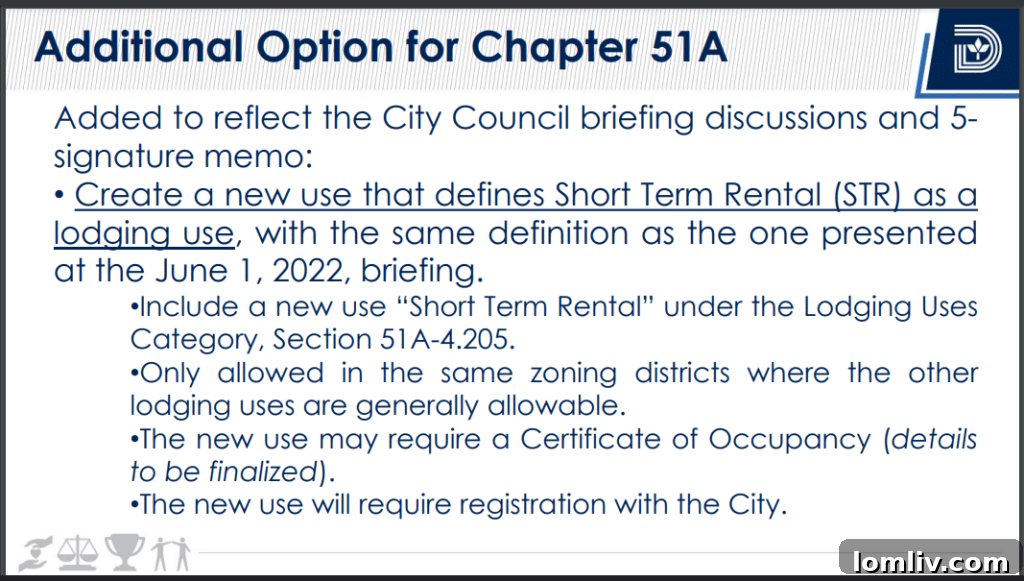
This option represents the most restrictive approach. It redefines STRs as a “lodging use,” thereby limiting their operation exclusively to zones where traditional lodging establishments (like hotels) are permitted. Consequently, this would effectively eliminate STRs from all residential and most multi-family areas. Furthermore, a certificate of occupancy would be required, ensuring compliance with commercial building codes and safety standards.
Julia Ryan, Director of Planning and Urban Design, presented these options to the City Council during a June 15 meeting. She notably highlighted Option C, often referred to as the “Keep It Simple Solution,” as the favored proposal, put forward by District 14 Councilman Paul Ridley and backed by a five-signature memo from council members. Councilman Ridley expressed his preference for this option, stating, “I would propose that the preferred option communicated to ZOAC would be the additional ‘keep it simple’ option, which provides some latitude for ZOAC and [City Plan Commission] to provide recommendations to us in terms of the details and yet represents a significant number of council members’ wishes.” This indicates a strong leaning within a segment of the council towards a more stringent regulatory framework.
In parallel to the zoning discussions, the city’s Code Compliance department is also proposing a comprehensive registration ordinance. This ordinance would mandate that all STR owners register their properties, pay an annual fee, provide emergency contact information, and submit to regular inspections by city staff. This multi-pronged approach suggests that Dallas is not only looking at where STRs can operate but also how they operate, aiming to improve accountability and address nuisance issues through active monitoring and enforcement.
However, the timeline for these critical decisions remains a concern. District 1 Councilman Chad West voiced apprehension that the process could “fester” for a year at the City Plan Commission (CPC) level, essentially reactivating another task force to study the matter. He questioned the feasibility of a swift resolution, asking, “Maybe that’s a good thing in some cases, but is it realistic to really get back up here by August? ZOAC and CPC are very hardworking, but their meeting schedule is not as frequent as ours. That’s my concern.” Julia Ryan, however, expressed optimism, setting a goal to return to the council with recommendations in late summer or early fall, indicating a desire for timely action.
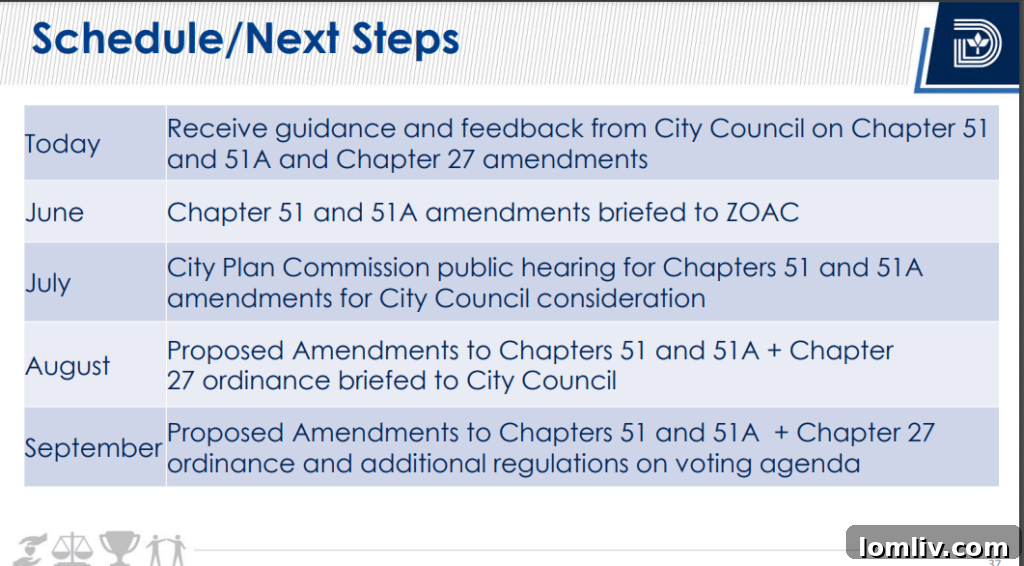
Further considerations were raised by District 10 Councilman Adam McGough, who emphasized the importance of ensuring STRs maintain a certain distance from schools, citing child safety concerns. City officials confirmed that the proposed code already includes a provision for a 1,500-foot buffer between STRs, and that proximity to schools could similarly be addressed within the framework. Mayor Eric Johnson indicated that Option C, with its definitive stance on limiting STRs to commercial lodging areas, appears to be the “consensus option” among council members, suggesting a leaning towards stricter control over Dallas short-term rental regulations.
Should Option C be adopted, stipulating that STRs cannot operate in residential zones, a critical question arises regarding the fate of existing STRs. ZOAC members briefly discussed whether such properties could be phased out over time or if they might remain operable under a “grandfather clause.” This aspect introduces significant legal and fairness considerations, as current operators, many of whom have invested heavily, would face immediate business disruption.
Diverse Challenges Posed by Short-Term Rentals in Dallas
The opposition to short-term rentals in Dallas stems from a multifaceted set of concerns, often centered on their perceived detrimental impact on the quality of life and the housing market within residential communities. Critics frequently highlight Dallas’s ongoing housing shortage and the dwindling availability of affordable housing as compelling reasons to curb or eliminate Airbnb-style properties in residential areas. The argument is that STRs convert potential long-term rental units or homes for sale into transient accommodations, thereby exacerbating the affordability crisis and pushing up housing prices for permanent residents.
Beyond economic concerns, the social ramifications are equally pressing. Numerous residents living adjacent to STRs have recounted experiences with illegal activity, excessive noise from loud parties, and large, disruptive events. These incidents not only disturb the peace but also strain local law enforcement and emergency services. Tom Forsyth, a staunch critic, pointed out that renters in STRs often lack proper vetting, and their activities are rarely monitored, leading to a higher potential for problematic behavior. Another speaker at the hearing articulated the core philosophical divide, arguing that STRs are fundamentally for-profit commercial businesses, whereas residential neighborhoods are, and should remain, sanctuaries for families and homeowners, fostering a sense of long-term community.
Laura Palmer, a District 1 resident from Kidd Springs, powerfully illustrated the diverse range of problems associated with STRs. She recounted a stark anecdote, stating, “You know there’s a problem when, at your Christmas tamale get-together in your neighborhood, you’re not talking about what you’re doing for the holidays. You’re talking about the hostel that’s next door to you or you’re trying to determine whether a single-family home that is being rented on Airbnb is being used for sex trafficking.” Her statement underscored the deep unease and anxiety that some residents experience, fearing for their safety and the integrity of their neighborhoods. Palmer emphasized, “Dallas residents are having to deal with a regular stream of STR guests in their neighborhoods, guests who have no regard for our neighborhoods.” This sentiment speaks to a perceived erosion of community respect and cohesion when transient populations frequently cycle through residential areas.
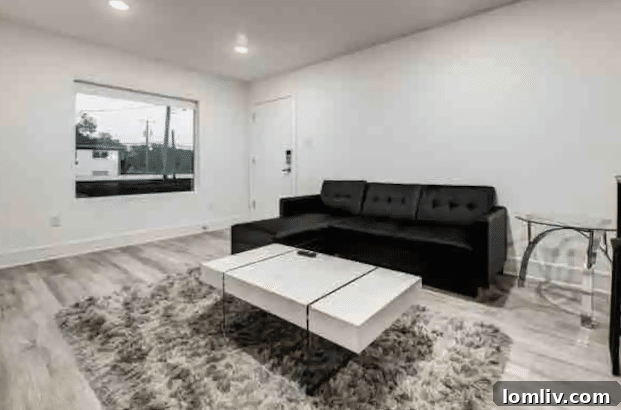
Norma Minnis, a District 14 resident, further articulated the concern about zoning inconsistency, arguing that neighborhoods inevitably deteriorate when land use regulations are not consistently applied. She posed a poignant question to the committee: “How does the city staff think a neighborhood will survive having commercial businesses next door? I’m asking you to help us keep our single-family neighborhoods and our residential neighborhoods residential.” Her plea underscores the desire for clear boundaries between commercial and residential activities to protect the intended character of established communities. Olive Talley, a resident of Prospect Avenue, while also a critic, did acknowledge a practical point: if zoning regulations are adopted, STRs would still be permitted to operate outside of residential neighborhoods, suggesting that the goal is not to eliminate them entirely but to control their location and impact.
The Other Side of the Coin: Not All Dallas STRs Are Bad Neighbors
While the concerns about problematic short-term rentals are legitimate, a significant number of Dallas STR hosts presented a counter-narrative during the ZOAC meeting, advocating passionately for their right to continue operating. Their core argument hinges on the principle of individual accountability: rather than imposing broad bans, they propose that enforcement should target the specific individuals and properties that cause nuisances, break laws, or violate existing city ordinances. This approach seeks to differentiate between responsible hosts and the few “bad actors” who tarnish the reputation of the entire industry.
Advocates for responsible STRs highlighted the crucial role these accommodations play in serving a diverse clientele. They pointed out that traveling workers, professionals on temporary assignments, medical patients, or individuals visiting Dallas for extended periods—ranging from two weeks to several months—often find Airbnb properties to be an affordable, safe, and comfortable alternative to traditional hotels. These guests frequently seek home-like environments with amenities such as kitchens and laundry facilities, which STRs readily provide, often at a more competitive price point for longer stays.
Fernando Bautista, an STR host, passionately defended his business and the broader community of good hosts. He stated, “There are a lot of good Airbnb hosts out there. We’re being punished by several who are not [good hosts]. I think it’s something good for the city to have alternative housing. Even when the crisis of COVID happened, we were the only ones out there operating. We are a superhost, and we employ a bunch of good, hard-working people. To be punished for something like this, I don’t think it would be fair.” Bautista’s testimony highlights the economic contribution of STRs, not just for property owners but also for the local ecosystem of cleaners, maintenance staff, and other service providers they employ. He also underscored the resilience of STRs, particularly during the pandemic, when they often filled a critical need for flexible lodging options.
Nicole McClelland, who, along with her husband, has successfully operated STRs for seven years, provided a detailed account of their responsible hosting practices. “We are responsible hosts who monitor our guests closely,” she explained. “We don’t allow parties. We attend to any issues during their stay in a timely manner. We are registered and pay our hotel taxes monthly.” McClelland’s experience underscores that many hosts are diligent about managing their properties and being good neighbors. For her family, this is not merely a passive income stream but a primary livelihood. She emotionally articulated, “I am a mother of three and this is our bread and butter for our family. I have taken my kids to our Airbnbs, feeling perfectly safe. They have watched me clean and operate our STRs from the very beginning. They have watched me welcome and interact with our guests… This is not a passive income for us. Zoning STRs would hurt our family business. As a taxpayer, I do not think this is the solution. Please, I beg you, do not shut us down by zoning STRs.” Her heartfelt plea encapsulates the significant personal and financial impact that broad zoning changes would have on many Dallas families, transforming a legitimate small business into an illegal operation overnight.
The complex debate surrounding Dallas short-term rentals presents the city council with a challenging decision that will undoubtedly shape the future of its neighborhoods and economy. Balancing the concerns of long-term residents with the economic contributions and property rights of responsible STR operators requires careful consideration, robust data analysis, and a commitment to equitable enforcement. The outcome of these deliberations will determine whether Dallas opts for a restrictive ban, a permissive framework, or a nuanced regulatory approach that seeks to harness the benefits of STRs while mitigating their negative impacts.