Unlocking the Secrets of American Home Styles with Virginia Savage McAlester
Have you ever pondered the intriguing history behind the homes that define our communities? What pivotal events led to the widespread adoption of white stucco for new constructions after World War II? How did the Federal Housing Administration (FHA) inadvertently steer the trajectory of residential design? What groundbreaking innovations sparked the rise of the iconic ranch home? And in a society where outward displays of wealth were often subtle, how did the intricate details of a Victorian residence quietly signify its owner’s affluence?
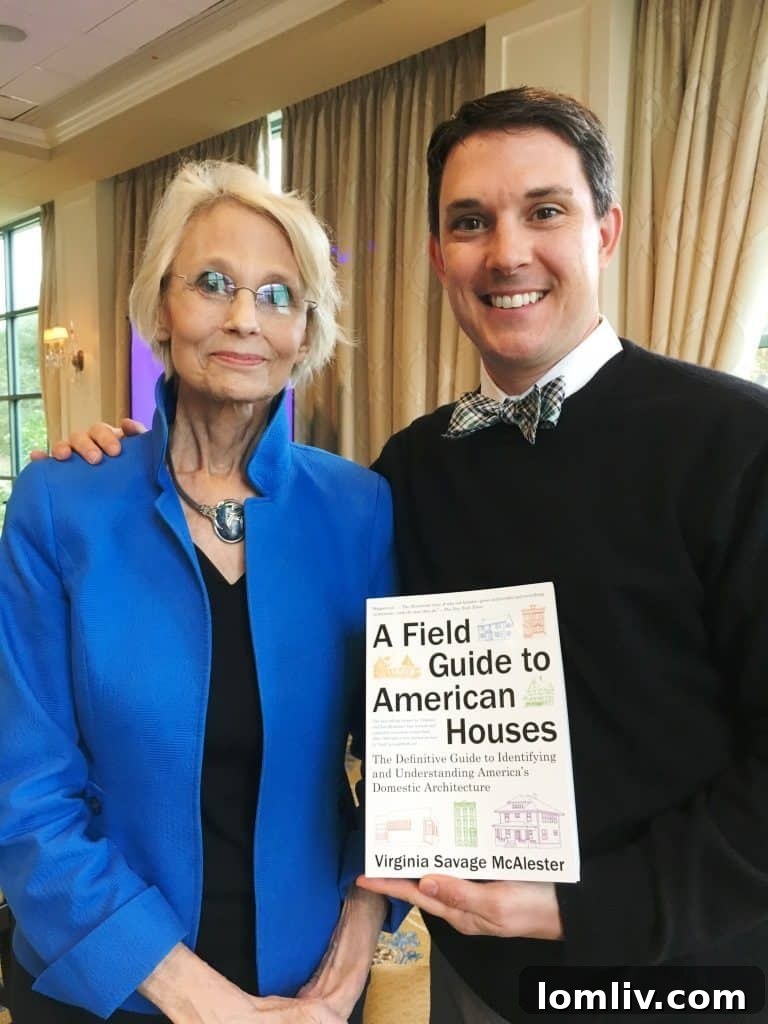
These captivating questions, along with a treasure trove of architectural insights, were recently brought to light during a special visit by celebrated Dallas author Virginia Savage McAlester. She shared her unparalleled expertise with the dedicated real estate agents of Williams Trew Real Estate in Fort Worth. McAlester is globally recognized as the author of A Field Guide to American Houses, a monumental work universally considered the authoritative guide for anyone seeking to unravel the rich and diverse tapestry of American residential architecture.
The Indispensable Role of Real Estate Professionals in Preserving Architectural Heritage
During her compelling presentation, McAlester emphasized a profound truth: “Realtors are the key to saving many older homes. You are responsible for educating your clients on architectural styles and historic areas of your town. Without Realtors, many homes in older neighborhoods would be torn down.” This powerful declaration underscores the immense influence and responsibility that knowledgeable real estate agents wield in safeguarding our architectural legacy and shaping the character of urban landscapes. By acquiring a deep understanding of the distinctive characteristics, historical context, and inherent value of various home styles, agents are uniquely positioned to champion the cause of older properties. They can guide clients to appreciate and invest in homes that possess unique charm and historical significance, potentially preventing them from falling victim to demolition and redevelopment.
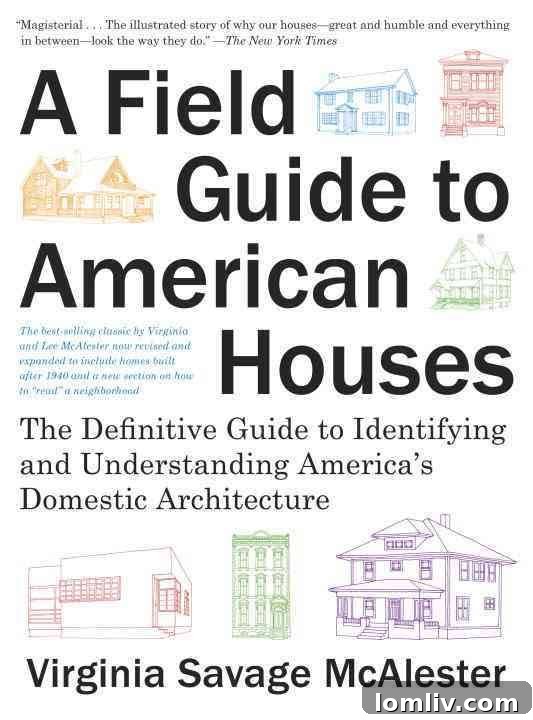
McAlester’s groundbreaking book, originally co-authored with Lee McAlester and first published in 1984, quickly became a cornerstone reference for architects, historians, students, and homeowners. Recognizing the dynamic evolution of American architecture, a thoroughly updated and revised edition was released in 2015. This comprehensive new version significantly expanded upon the original, meticulously incorporating emerging styles, refining existing classifications, and updating terminology to reflect contemporary understanding and new scholarly insights. This commitment to continuous improvement firmly solidifies its status as the preeminent guide in the field of American home architecture.
Deconstructing American Home Styles: A Timeless Categorization
Despite the seemingly endless array of design preferences and construction innovations, McAlester presented a remarkably clear and compelling framework to the assembly of Realtors. She asserted that the vast majority of American homes, across their myriad styles, can be distilled into four fundamental architectural traditions: Ancient Classical, Medieval, Renaissance, and Modern. She eloquently likened these foundational styles to the primary colors in an artist’s palette—basic, distinct elements that are frequently combined, adapted, and reinterpreted with diverse cultural and regional influences to forge an astonishing spectrum of unique and captivating home styles across the nation. Grasping these core categories provides an invaluable lens through which to analyze and truly appreciate the seemingly boundless variety in residential architecture we encounter daily.
The ‘Trickle-Down’ Theory: How Architectural Trends Evolve
To further illuminate the fluid and dynamic nature of architectural development, McAlester drew an insightful and highly relatable parallel to the fashion industry. “Styles of homes are similar to the fashion and design industry,” she explained. “In fashion, it all starts in Paris, where you see these crazy, strange, expensive outfits that no one really wears. But then those trends and elements of fashion trickle down to New York, where they are refined a little, becoming a bit more affordable and practical.” This process of adaptation and accessibility doesn’t stop there. “Finally, the New York version spreads across the country and is more like J.C. Penney or Sears for the masses, where the clothes now make sense, are affordable, and accepted by many. House styles are the exact same way. What is created in Europe eventually makes its way to the United States and has certain elements of the original design but is modified to be affordable and accepted by the masses.” This elegant analogy beautifully encapsulates how high-concept, often elaborate, European architectural innovations are gradually simplified, democratized, and made accessible for broader consumption, ultimately evolving into the diverse, yet distinctly American, styles that populate our neighborhoods today.
Empowering Real Estate Professionals Through Architectural Literacy
McAlester’s engaging hour-long discourse was far more than an informative lecture; it was a potent call to action. She passionately encouraged the Realtors to invest time in learning the distinct styles of homes and their precise vernacular, urging them to move beyond vague, generic labels. For instance, she stressed the critical importance of being able to accurately differentiate a true Modernist home, characterized by specific design philosophies and features, from one that is merely Contemporary in its aesthetic or simply incorporates a Shed roof design. This heightened level of architectural precision, while demanding dedicated study and observation, can profoundly elevate a Realtor’s professional credibility and cultivate immense trust with clients. Imagine the lasting impression created when an agent can articulate the intricate architectural nuances of a property, rather than resorting to broad generalizations. Such specialized expertise not only impresses but also instills a deep sense of confidence, assuring clients that they are genuinely in the hands of a knowledgeable and dedicated professional.
A Vision of Preservation: Dallas and Fort Worth Leading the Way
The insightful visit concluded on an undeniably optimistic note, with McAlester expressing profound delight regarding the exemplary efforts undertaken in the Dallas and Fort Worth metropolitan areas. She lauded these communities for their commendable dedication to preserving cherished older architectural styles while simultaneously embracing new construction that thoughtfully integrates classic design principles. Her satisfaction stemmed from observing local builders who, instead of discarding valuable architectural traditions, are actively attempting to thoughtfully re-create past styles. This approach demonstrates a deep-seated respect for heritage and an unwavering commitment to timeless design. This harmonious balance between honoring the architectural treasures of the past and innovating for the future ensures that the unique character and enduring charm of these vibrant North Texas cities will continue to flourish for generations to come.
Your Essential Guide to American Homes: A Highly Recommended Read
For anyone who harbors an aspiration to become a true aficionado or a self-proclaimed “nerd” when it comes to understanding homes and their myriad, captivating styles (and, believe me, it is an incredibly rewarding intellectual pursuit!), I wholeheartedly and enthusiastically endorse picking up an updated version of A Field Guide to American Houses. Available in both convenient paperback and durable hardcover editions, this comprehensive tome is far more than just a book; it represents an invaluable investment in knowledge and architectural appreciation. Weighing in at approximately seven pounds, it offers a literal weight of information, making it an indispensable reference tool not only for real estate professionals and architecture students but also for discerning homeowners and passionate enthusiasts alike. It serves as an engaging journey through the vast architectural landscape of America, promising to fundamentally transform your perception and understanding of every home you encounter.
Solving the Architectural Riddles: Answers Revealed
Let’s now revisit those intriguing questions posed at the beginning of our exploration and uncover the fascinating answers that shed light on pivotal moments in American architectural history and design:
- Post-WWII White Stucco: After the conclusion of World War II, there was a collective desire among architects and the public to move away from incorporating geographically unique building materials. The prevailing rationale was to prevent any perception of regional favoritism or the potential for lingering animosity in the wake of such a widespread global conflict. White stucco emerged as the material of choice because it was universally accessible and presented a neutral, uncontentious aesthetic, allowing builders to construct homes with a consistent appearance regardless of their specific location across the nation.
- FHA’s Influence on Design: The Federal Housing Administration (FHA) played a significant, albeit conservative, role in shaping residential design trends in post-war America. The FHA harbored a distinct preference for more traditional architectural styles, demonstrating a general aversion to the burgeoning and innovative Modern architecture movement. Consequently, they frequently refused to provide crucial loan guarantees for homes constructed in the avant-garde Modern style. This policy effectively incentivized both builders and potential homebuyers towards more conventional designs, thereby dampening architectural innovation in the mass-market housing sector for a considerable period.
- The Rise of the Ranch Home: The widespread adoption and increasing affordability of the automobile profoundly influenced the design and soaring popularity of the ranch house. As cars became a staple in almost every household, the integration of attached garages became a highly desirable and practical feature. This era also saw the advent of spacious circle driveways and deeper front setbacks from the street, which allowed for more expansive front yards and a greater sense of privacy, all catering directly to a burgeoning car-centric suburban lifestyle.
- Victorian Wealth Display Through Spindles: Victorian homes are celebrated for their elaborate, often painstakingly handcrafted architectural details, including decorative spindles found on porches, staircases, and gables. These intricate spindles were labor-intensive and, consequently, very expensive to produce. Homeowners would subtly yet effectively showcase their wealth and social standing through the sheer quantity and complexity of these decorative elements. For instance, a home boasting “12 spindles” would be less opulent and, therefore, less costly than a “24-spindle home,” which proudly displayed double the number of these exquisite, handmade embellishments. It was a discreet, yet unmistakable, indicator of status and affluence within Victorian society.
See why immersing yourself in this book and comprehending these rich historical contexts is so profoundly crucial? Every single home, from the simplest to the most grandiose, narrates a unique story, and Virginia Savage McAlester’s extraordinary work provides us with the indispensable vocabulary to fully read and appreciate them.
That’s all from Tarrant County this week, dear readers. Remember, if you have comments, questions, snide remarks, or compelling ideas for future stories—I’m always here to listen and engage!
Seth Fowler is a licensed real estate sales professional with Williams Trew Real Estate in Fort Worth. Statements and opinions expressed are solely his own. Seth has been actively involved in the home sales and real estate business across the DFW Metroplex since 2004. He and his family have been residents of the vibrant Fort Worth area for over 14 years. Seth is also known for his fondness for bow ties. You can reach Seth directly at 817.980.6636 or via email at [email protected].