

Welcome to “Upon Closer Inspection,” a weekly series brought to you by the meticulous experts at Green Scene Home Inspections. Here, we empower Daltxrealestate.com readers with invaluable insights into the world of home inspection, revealing what truly lies beneath the surface of potential dream homes.
Navigating the Dallas-Fort Worth Real Estate Market: More Than Just Luck
Stepping into the Dallas-Fort Worth (DFW) real estate market today requires a unique blend of determination, quick decision-making, and, perhaps, a touch of good fortune. As you embark on the exciting, yet often stressful, journey of buying a home in this vibrant Texas region, you’re likely to encounter an intensely competitive environment. Housing inventory remains notably low, while demand continues its upward trajectory. This dynamic often means that finding the perfect home in your desired neighborhood, complete with all your must-have features, can feel like searching for a pot of gold at the end of a rainbow. Many buyers find themselves in bidding wars, needing to act swiftly with offers, sometimes even foregoing traditional contingencies to secure a property.
While we certainly wish you all the luck in your home search, we also believe in empowering buyers with knowledge. In the spirit of preparedness, and with a nod to the unpredictable nature of real estate, let’s explore some scenarios that commonly prompt us to utter, “Good luck with that!” These are the moments where professional insight transforms potential pitfalls into informed decisions, turning what might seem like bad luck into actionable foresight.
Beyond “Good Luck With That”: Uncovering Hidden Home Inspection Challenges
Every home tells a story, and sometimes, that story includes chapters filled with hidden repairs, neglect, or even dangerous design flaws. A comprehensive home inspection is your opportunity to read that story before you sign the deed. Here are some eye-opening discoveries that highlight the critical need for a thorough evaluation, even in the fastest-moving markets.
The Mystery of the Crawl Space: What Lies Beneath?
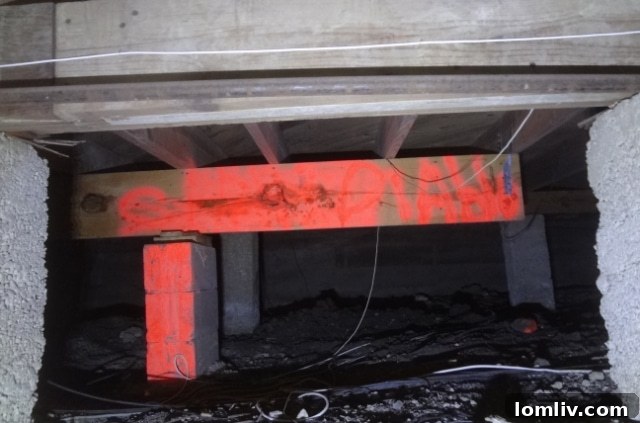
The crawl space is often the most overlooked and least-loved part of a home, yet it’s a treasure trove of information for an inspector. It’s where foundational integrity, plumbing leaks, HVAC ductwork issues, and even pest infestations can quietly fester, unseen by the casual observer. If, during an inspection, we encounter something akin to “El Diablo” – a term we playfully use for anything from alarming structural damage and severe mold growth to a veritable menagerie of critters – you’ll certainly need more than just luck. This dark, confined area can harbor significant problems that, if left unaddressed, can lead to costly repairs and health hazards down the line. A thorough crawl space inspection can reveal crucial details about the home’s structural health, moisture levels, and potential environmental concerns, providing peace of mind or, if needed, a clear roadmap for necessary repairs.
Roof Integrity: A Shield Against the Elements (and Other Surprises)
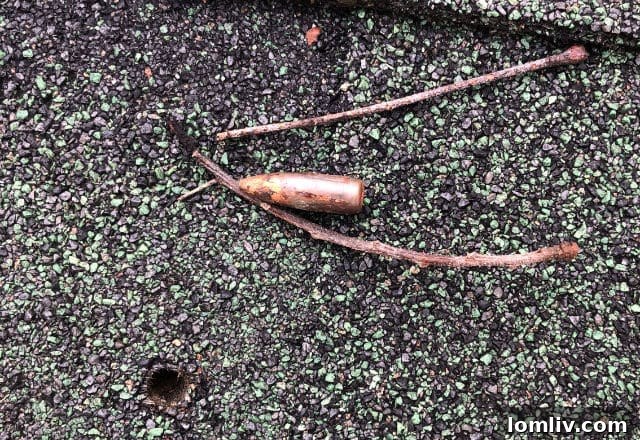
The roof is your home’s first line of defense against the unpredictable Texas weather. Its condition is paramount for protecting everything beneath it. While hail damage is a common concern in the DFW area, sometimes inspectors uncover more unusual issues. Imagine discovering your roof adorned not just with typical wear and tear, but with bullet holes – and even actual bullets! This extraordinary finding certainly makes one wonder about past occupants or neighborhood incidents. Such severe, localized damage, much like extensive hail damage, would undoubtedly warrant a complete roof replacement. More broadly, a roof inspection examines shingles for wear, missing pieces, curling, or blistering, assesses flashing around chimneys and vents, checks gutters and downspouts for proper drainage, and looks for signs of leaks or water penetration in the attic. A compromised roof isn’t just an aesthetic issue; it can lead to water damage, mold, and significant structural problems, making its condition a critical factor in your home-buying decision.
Outdated Electrical Systems: A Shocking Reality
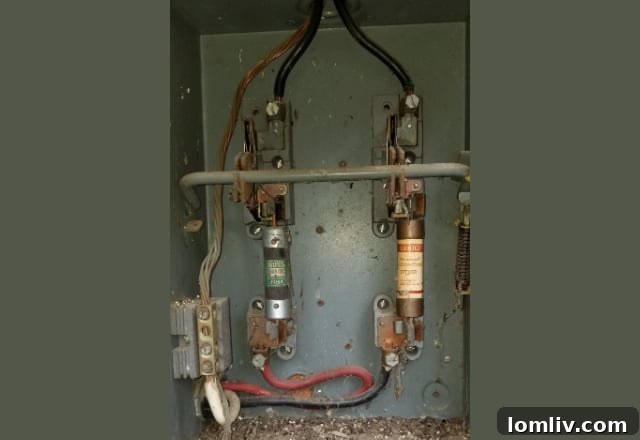
Electrical systems are the backbone of any modern home, but older properties often come with outdated wiring and panels that pose serious risks. If your potential new home features an electrical panel like the one pictured – a pre-circuit breaker style fuse panel – we first wish you immense good luck, and second, strongly advise against any DIY electrical work. These antiquated panels often lack proper grounding, significantly increasing the risk of electrocution. Moreover, it’s not uncommon to find that such systems have been “modified” over the years by unqualified individuals attempting to accommodate modern power demands. These modifications, often ill-conceived and poorly executed, can lead to overloaded circuits, wiring overheating, and a substantially elevated risk of electrical fires. Modern homes rely on circuit breakers for safety, which trip instantly when an overload occurs, protecting both the wiring and the occupants. An old fuse panel, especially one that has been tampered with, is a major red flag that necessitates immediate attention from a licensed, qualified electrician. Investing in a professional electrical assessment and potential upgrades is not merely a recommendation; it’s a crucial safety measure to protect your family and your new investment.
When Design Goes Wrong: Electrical Hazards and Plumbing Perils

Some design flaws are simply baffling, indicating a profound lack of understanding regarding basic safety principles. Imagine discovering an electrical outlet positioned directly beneath a water source – perhaps a leaky faucet or a frequently splashed sink. While a plastic cover might offer a superficial attempt at protection, it utterly fails to mitigate the inherent danger. Water and electricity are a deadly combination, and such a careless installation warrants extreme caution and an immediate remedy. This type of egregious design flaw is a critical indicator that demands an extra careful inspection of the *entire* house. If such a fundamental safety oversight exists in one area, it raises serious questions about the overall quality of workmanship, adherence to building codes, and attention to detail throughout the rest of the property’s construction or renovation. It’s a stark reminder that what you don’t see can indeed hurt you, underscoring the indispensable value of a professional inspector trained to spot these life-threatening anomalies.
The Evolving Role of Home Inspections in a Seller’s Market
In the current fast-paced and competitive DFW real estate market, buyers often face unique challenges. With fewer available options and the pressure of multiple offers, securing the desired home can sometimes lead to compromises. Under these circumstances, the traditional role of a home inspection as a primary negotiation tool has subtly shifted. When other buyers are willing to take a house “as-is,” attempting to negotiate extensive repairs based on an inspection report can sometimes jeopardize your offer. However, this doesn’t diminish the absolute necessity of a professional home inspection; it merely redefines its purpose.
From Negotiation Tool to Essential Planning Guide
In today’s market, a home inspection transforms into an indispensable planning guide. It becomes your comprehensive roadmap for understanding the true condition of the property you intend to purchase. Knowing that you might have to replace a water heater in the near future, upgrade an aging HVAC system, or address foundation issues can significantly factor into your decision-making process. This foresight allows you to accurately budget for immediate and future expenses, helping you assess the true long-term cost of ownership. It might even influence whether you proceed with the purchase at all, or if you adjust your offer to reflect anticipated repair costs, even if the house is technically “as-is.” An inspection arms you with the knowledge to make an informed financial commitment, preventing unforeseen expenditures from becoming major financial burdens later on.
Understanding “As-Is” Purchases: Why an Inspection is Still Paramount
When a home is sold “as-is,” it means the seller will not make repairs or provide credits for defects found. While this term might deter some buyers, it doesn’t mean you should skip the inspection. On the contrary, buying a home “as-is” makes a thorough inspection even more critical. It’s your opportunity to fully understand what “as-is” truly entails. The inspection report will detail all discovered deficiencies, from minor cosmetic issues to major structural or system failures. With this information, you can decide if the known issues are manageable within your budget and risk tolerance. If the inspection reveals significant, costly problems – such as a compromised foundation, a failing roof, or hazardous electrical systems – you maintain the option to walk away from the deal (provided your contract includes an inspection contingency) without losing your earnest money. This protects you from inheriting a “money pit” and ensures you enter homeownership with your eyes wide open.
Key Areas a Thorough Home Inspection Covers
A professional home inspection conducted by Green Scene Home Inspections covers a vast array of critical components, ensuring you receive a holistic view of the property’s condition. Our detailed reports typically include:
- Structural Components: Evaluation of the foundation, framing, and observable structural integrity.
- Exterior: Assessment of siding, trim, windows, doors, driveways, walkways, and drainage.
- Roofing: Comprehensive check of roofing materials, flashing, chimneys, gutters, and downspouts.
- Plumbing System: Inspection of water supply, drain, waste, vent systems, water heaters, and fixtures.
- Electrical System: Examination of the service panel, wiring, outlets, switches, and lighting fixtures.
- Heating, Ventilation, and Air Conditioning (HVAC): Evaluation of heating and cooling equipment, ductwork, and thermostats.
- Interior: Review of walls, ceilings, floors, doors, windows, and built-in appliances.
- Insulation and Ventilation: Assessment of insulation in the attic and crawl space, and overall ventilation.
- Fireplace and Chimney: Inspection of visible components for safe operation.
Each of these areas is meticulously examined to identify potential defects, safety hazards, and areas requiring immediate attention or future maintenance. Our goal is to provide you with a clear, unbiased assessment, empowering you with the knowledge to make the best possible decision for your investment.
Invest in Knowledge, Not Just Luck: Your DFW Home Buying Journey
While a little luck never hurts, especially in a bustling market like Dallas-Fort Worth, an informed decision is ultimately your most powerful asset. Don’t leave your significant investment to chance. A comprehensive home inspection provides the clarity and confidence you need to navigate the complexities of home buying. It transforms uncertainty into understanding, helping you identify potential issues before they become your problems.
At Green Scene Home Inspections, we are committed to providing you with the detailed, professional insights necessary to make the best choice for your future. May your home search be fruitful, and may the home of your dreams be the true pot of gold at the end of a thoroughly inspected, double rainbow!