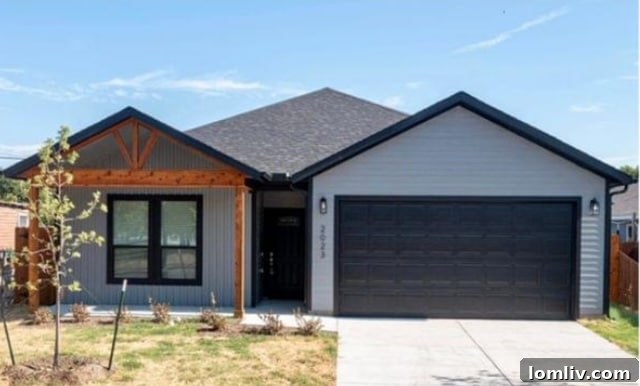
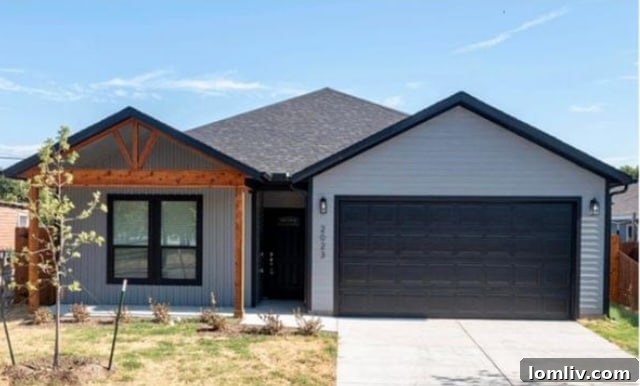
The city of Dallas, like many rapidly growing metropolitan areas, faces a persistent and pressing challenge: the critical shortage of affordable housing. This issue is particularly acute in historically underserved communities across southern and West Dallas, where access to quality, affordable homes remains a significant barrier for many residents. Visionary developers, such as James Armstrong, CEO of Builders of Hope, are at the forefront of efforts to bridge this gap, tirelessly working to create sustainable housing solutions. However, their commendable endeavors are frequently hampered by the inherent complexities and stringent limitations of federal housing programs, which, while well-intentioned, often create more hurdles than they clear for those dedicated to urban revitalization.
In November, during a crucial meeting with members of the Dallas City Council’s housing committee, developers voiced their collective frustration regarding the federal funding mechanisms designed to support such projects. Programs like the Single-Family Home Ownership Development Program (SFHDR) and the Land Transfer Program (LTP) were described as both “costly and restrictive.” This feedback highlighted a fundamental disconnect between the federal guidelines and the practical realities faced by developers on the ground, ultimately impeding the efficient and widespread creation of much-needed affordable homes. The intricate web of compliance requirements, coupled with financial obligations, transforms what should be a straightforward process into a bureaucratic labyrinth, slowing progress and escalating development costs.
In response to these critical concerns, city staff recently put forth a proposed solution via an official memorandum, aiming to streamline these processes and alleviate the burdens on developers. This pivotal proposal, however, necessitates an amendment to existing program guidelines and requires the full endorsement of the Dallas City Council. The path forward remains uncertain, as it is presently unclear whether there is sufficient political will and unanimous support among elected officials to enact these vital changes. The decision hangs in the balance, with the future of affordable housing development in Dallas potentially hinging on the council’s willingness to adapt and innovate in its approach to housing policy.
The aforementioned staff memorandum, meticulously issued on December 8 by Assistant City Manager Majed Al-Ghafry, directly addressed the multitude of issues and concerns raised by both developers and council members during the November 14 meeting of the council’s Housing and Homeless Solutions (HHS) Committee. This document serves as a testament to the city’s recognition of the challenges and its intent to seek viable solutions.

During the intense discussions within the HHS Committee, members specifically tasked city staff with the crucial assignment of identifying and exploring alternative funding sources. The core request was for mechanisms that are “less restrictive than federal sources” to provide more effective assistance in the development of single-family housing projects. This directive underscored a growing consensus that the existing federal framework, while providing essential capital, inadvertently creates bottlenecks that hinder the very progress it aims to foster. The search for flexibility and efficiency is paramount.
Al-Ghafry’s comprehensive memo outlined a potential game-changing resolution: an update to the Dallas Housing Resource Catalog. This proposed update would fundamentally alter the terms for the Single-Family Homeownership Development Requirements Program (SFHDR). Instead of the current repayable loan structure, the recommendation is to transition to a forgivable loan model for both non-profit and for-profit single-family homeownership developers, encompassing both ongoing projects and future initiatives. This shift represents a significant departure from current policy, recognizing the substantial financial risks developers undertake when building affordable homes in challenging markets. As Al-Ghafry clearly articulated, “This recommendation would require an amendment to the current program statement,” highlighting the necessity of formal legislative action to implement such a transformative change.
Understanding HUD Programs for Affordable Housing in Dallas
The city of Dallas relies heavily on funding from the U.S. Department of Housing and Urban Development (HUD) to fuel its affordable housing initiatives. Annually, Dallas receives approximately $16 million from HUD, which is strategically allocated across various critical programs designed to foster community development and increase homeownership opportunities. A substantial portion, roughly $10 million, is administered through the Community Development Block Grant (CDBG) program, while another $6 million flows through the HOME Investment Partnerships Program. These funds are vital lifelines for numerous projects, yet they come with specific directives and limitations that often dictate their application.
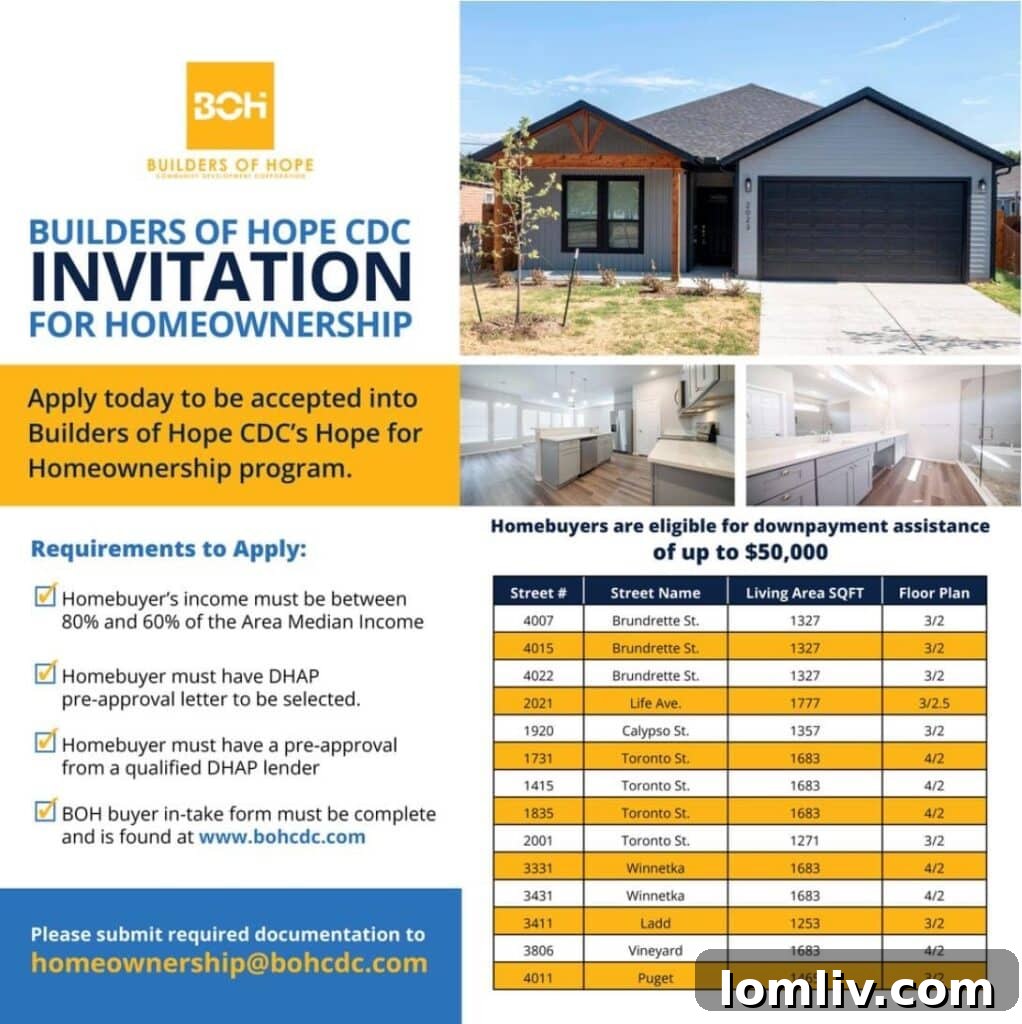
One salient example of the restrictive nature of HUD funding lies within the CDBG program. Critically, CDBG funds are expressly prohibited from being utilized for new construction projects. This means that while these funds are invaluable for acquisition and infrastructure development – such as purchasing land or improving roads, utilities, and drainage systems in underdeveloped areas – they cannot directly contribute to the actual building of new homes. This limitation forces developers to seek alternative, often more challenging, funding sources for the construction phase, thereby adding layers of complexity and financial strain to projects aimed at increasing the housing supply in Dallas. The inability to use CDBG for vertical construction is a significant bottleneck in rapid urban development.
The Single-Family Home Ownership Development Requirements (SFHDR) Program plays a crucial role by providing essential gap financing to a diverse range of developers. This includes for-profit entities, dedicated non-profit organizations, and certified community housing development organizations, all working towards the shared goal of expanding affordable homeownership. By bridging the financial gap between construction costs and accessible home prices, SFHDR aims to make homeownership a reality for more Dallas families.
In parallel, the Land Transfer Program (LTP) is another pivotal initiative designed to incentivize the development of high-quality, sustainable housing. This program achieves its objective by making city-owned vacant surplus and tax-foreclosed land available to developers at significantly below-market prices. The intention is clear: to reduce land acquisition costs, a major component of housing expenses, and thus spur additional affordable housing projects. Both SFHDR and LTP are critical tools in Dallas’s arsenal against housing inequality, yet their implementation is fraught with challenges.
Al-Ghafry’s memo meticulously details the operational framework and inherent difficulties of these programs. Under the SFHDR, gap financing is currently extended to developers in the form of a repayable loan. This loan is structured to be repaid on a pro-rata basis, meaning a portion is repaid as each home is successfully sold, drawing from the sales proceeds. This mechanism places a direct financial burden on developers, particularly when they are committed to providing genuinely affordable homes for households earning between 60% and 80% of the Area Median Income (AMI). These income brackets represent essential workers and families who are often priced out of the conventional housing market but are crucial to the city’s economic and social fabric. The repayable nature of the loan means developers carry significant debt and risk until all units are sold, which can be a slow process for affordable housing, thereby limiting their capacity to undertake multiple projects simultaneously.
The memo further elucidates the challenges embedded within the Land Transfer Program. While LTP aims to boost affordable housing by selling city-owned lots at reduced prices, these lots are typically secured by deed restrictions. These restrictions are intended to ensure the long-term affordability of the homes for low-to-moderate-income homebuyers. However, a critical conflict arises when a home, initially purchased through LTP, is subsequently sold to an income-eligible homebuyer who receives assistance through the Dallas Homebuyer Assistance Program (DHAP). The federal deed restriction requirements imposed by programs like DHAP can conflict with the city’s original LTP deed restrictions, creating legal and administrative complexities that can hinder sales and undermine the efficiency of both programs. This incongruity creates a bureaucratic impasse, delaying the very transactions meant to expand homeownership.
Navigating Federal Program Complexities: Challenges for Dallas Developers
The complexities of federal housing programs often lead to spirited debate among city officials and developers, highlighting the different perspectives on how best to address the affordable housing crisis. During the contentious November 14 meeting, District 12 Councilwoman Cara Mendelsohn articulated her concerns, suggesting that the city’s current subsidy model might be too narrow in its impact. She expressed a sentiment that these substantial subsidies benefit only “a few people” and questioned whether the funds could be more effectively deployed to develop a greater volume of housing units, thereby serving a larger segment of the population.
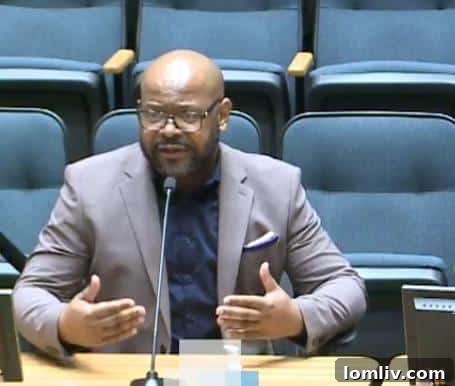
James Armstrong, CEO of Builders of Hope, promptly offered a compelling rebuttal, underscoring the vital role of targeted assistance in addressing profound economic disparities. He emphasized that programs like the Dallas Homebuyer Assistance Program (DHAP) are indispensable tools that enable homeownership for individuals and families who would otherwise be irrevocably priced out of an increasingly unaffordable market. These are often essential workers – nurses, teachers, administrative assistants, and service industry employees – who form the backbone of the city’s economy but struggle to afford housing where they work.
Armstrong meticulously clarified the financial flow of these subsidies: “I won’t waste time talking about my woes, but what I will say is … the $50,000 that goes through DHAP doesn’t come to the developer.” He explained that these funds are directed towards the homebuyers, effectively increasing their purchasing power and making quality homes attainable. “It increases the affordability for someone who may work at a local hospital or as an administrative assistant,” he stated, reinforcing the direct benefit to the workforce. He passionately argued against the misconception that these homes are substandard or merely a drain on public funds. “We are not building shoddy homes. These are homes that have to be subsidized for our current workforce,” he affirmed, stressing that the quality of housing provided by developers like Builders of Hope is often on par with market-rate homes, but built to be accessible to lower-income brackets.
His argument culminated in a powerful statement about the city’s commitment to its diverse residents: “Essentially, if we don’t allow the $44,000 to sit as a subsidy on the home, what we’re saying is that homeownership for 60 to 80 percent of [Area Median Income] is not welcome in the city of Dallas.” This rhetorical challenge highlighted the fundamental choice facing the city council: either embrace subsidies as a necessary mechanism to foster an inclusive and economically diverse population or implicitly exclude a significant portion of its essential workforce from the dream of homeownership. The implications extend beyond individual families, affecting the city’s overall economic stability and social cohesion.
Looking ahead, the Dallas Department of Housing and Neighborhood Revitalization officials are diligently preparing to present a comprehensive resolution to the city council in March. This upcoming resolution is specifically designed to address and refine the programs outlined within the ambitious Dallas Housing Policy 2033. This policy framework represents the city’s long-term vision for creating a more equitable and accessible housing market, focusing on strategies for affordability, robust home repair programs, and critical preservation initiatives. The proposed changes to federal program guidelines, particularly the shift to forgivable loans and the resolution of deed restriction conflicts, are expected to be central to these discussions, marking a potentially transformative moment for affordable housing development in Dallas.