The Transformative Power of Renovation: Why Breathing New Life into Your Home is a Smarter Choice
By Kim Armstrong
Interior Designer, Kim Armstrong Interior Design
As an interior designer with a profound passion for reimagining spaces, I am a staunch advocate for renovating existing homes rather than opting for complete demolition and rebuilds. My personal journey reflects this belief, not only in the thoughtful transformation of my own home and office but also through the many rewarding design projects where the greatest triumphs have emerged from renovating cherished properties, not constructing new ones from scratch. This philosophy is deeply ingrained in my approach, and I believe it offers immense value. If you find yourself contemplating the future of your home, feeling that its current layout or aesthetic no longer aligns with your evolving lifestyle, I urge you: do not abandon it prematurely. Your home possesses an inherent potential, a canvas ready to be painted into the comfortable, charming sanctuary you envision. The decision to renovate can unlock a myriad of benefits, far exceeding what you might initially conceive.
Renovation is more than just an update; it’s an act of preservation, a financially astute decision, and a catalyst for boundless creativity. It allows you to honor the past while designing for the future, fostering a deeper connection to your living space and the community around it. In a world increasingly focused on sustainability and individuality, giving an existing structure a new lease on life offers a compelling alternative to the often-impersonal process of new construction. Let’s explore the multifaceted advantages that make renovation a truly exceptional choice.
1. Preserve the Unique Character of Your Neighborhood
Consider the reasons that first drew you to your neighborhood. Perhaps it was the prime location, the distinctive architectural styles, the undeniable charm, or the reputable schools. Every community, particularly in a vibrant city like Dallas, cultivates its own unique personality over decades, sometimes centuries. This rich tapestry of individual character, forged through time and lived experiences, simply cannot be replicated or preserved through the proliferation of new construction. When older homes are indiscriminately torn down, and replaced by what many affectionately (or perhaps not so affectionately) refer to as “McMansions,” this intrinsic character is irrevocably lost. These new, often oversized structures frequently loom over their long-standing neighbors, disrupting the established aesthetic harmony and, quite frankly, diminishing the privacy of adjacent properties.
Renovation, conversely, acts as a guardian of this cherished neighborhood identity. By working within the existing footprint and respecting the architectural vernacular, you contribute to the ongoing narrative of the area. It allows for modern comforts and updated aesthetics without erasing the visual language that makes your street unique. Maintaining a diverse array of architectural styles, from charming mid-century cottages to elegant historic homes, enhances the overall appeal and value of the community. It speaks to a respect for history, a commitment to sustainability, and an appreciation for the subtle nuances that make a place feel like home, not just another tract development.
2. A Prudent Financial Decision with Long-Term Benefits
While the allure of charm and character is often enough to convince an interior designer like myself to choose preservation over demolition, I understand that for many pragmatic homeowners, the financial implications are paramount. From a practical standpoint, embracing renovation can prove to be an exceptionally wise financial choice, especially when tax season rolls around. When a property is completely demolished and a brand-new home is constructed in its place, it is immediately subjected to a new assessment and a higher tax base. Imagine replacing a home valued at $500,000 with a new build appraised at $1 million; your property taxes will instantly double, reflecting this significant jump in value.
However, the financial landscape shifts dramatically with a renovation. If you transform a $500,000 home into a property that could ultimately be valued at $1 million, the increase in your property taxes is typically capped. In many areas, tax increases on renovated properties are limited, often to a percentage like 10 percent of your property’s value per year, until it reaches its full appraised value. This incremental increase provides a substantial cushion, allowing homeowners to accrue significant savings over several years. For example, the difference in tax liability could amount to tens of thousands of dollars – a staggering $48,650 in savings over time, as meticulously calculated by my MBA-holding brother! These savings represent a tangible, long-term benefit that directly impacts your household budget. Beyond taxes, renovations can also be more cost-effective upfront, avoiding the extensive costs associated with demolition, new foundations, and lengthy new construction permits, making it an attractive option for homeowners looking to maximize their investment while keeping an eye on their bottom line.
3. Fostering Creative Solutions and Unique Designs
One of the most exhilarating aspects of renovating an original home is the unique opportunity it presents for igniting the creative thought process. Unlike new builds, where you often start with a blank slate that can sometimes feel overwhelming or uninspiring, existing structures come with their own set of constraints and quirks. It is precisely these challenges – an awkwardly placed wall, a restrictive ceiling height, or an unusual layout – that often lead to the most inventive, meaningful, and conversation-starting design outcomes. These obstacles force designers and homeowners alike to think outside the box, pushing the boundaries of conventional design.
A prime example of this transformative process is a recent project involving an Old Lake Highlands home I designed and renovated. The home presented an ideal opportunity for a loft office space, a coveted feature in many modern homes. However, the existing structural constraints and limited floor space did not allow for a standard, full-sized staircase to access it. Initially, a simple ladder seemed to be the only viable, albeit impractical, solution. Given that this was to be a professional office space, not a whimsical child’s hideaway, a ladder was clearly unrealistic and unsafe for daily adult use. The “problem” became the catalyst for an ingenious solution: a uniquely designed, short side-step altered staircase. This innovative design significantly reduced the staircase’s footprint by an impressive 50%, making efficient use of the confined space while providing easy and safe access for any adult. This bespoke staircase not only solved a practical dilemma but also became the home’s undeniable focal point, a testament to how constraints can inspire unparalleled creativity and result in truly unique, personalized architectural features that new constructions often struggle to replicate.
4. Nurturing the Soul and History of Your Home
An older home is far more than just a structure of bricks and mortar; it is a living entity imbued with history, memory, and a palpable sense of “soul.” This inherent character is what truly gives a home its life, its unique energy, and its enduring appeal. When you choose to renovate, you don’t erase this rich history; instead, you actively contribute to its ongoing narrative, adding new chapters to an already compelling tale. A thoughtful renovation allows the stories of past inhabitants – the families who grew within its walls, the laughter that echoed through its rooms, the significant life experiences shared there – to continue unfolding.
It’s a powerful connection to generational continuity, expanding the home’s story not just within its structure, but also within the broader neighborhood. Preserving an older home through renovation is an act of respect for its legacy and a nod to sustainable living, minimizing waste and utilizing existing resources. Conversely, a tear-down extinguishes that irreplaceable soul, obliterates its history, and often leaves a lasting, regrettable scar on the neighborhood’s collective memory. There’s an undeniable warmth and authenticity that radiates from a home that has witnessed decades of life, a depth that cannot be replicated by even the most luxurious new build. This emotional resonance, this sense of connection to something larger and older than ourselves, is a profound benefit that renovation inherently offers, enriching not only the property but also the lives of those who inhabit it.
5. Igniting a Renovation Movement: Be a Trendsetter in Your Community
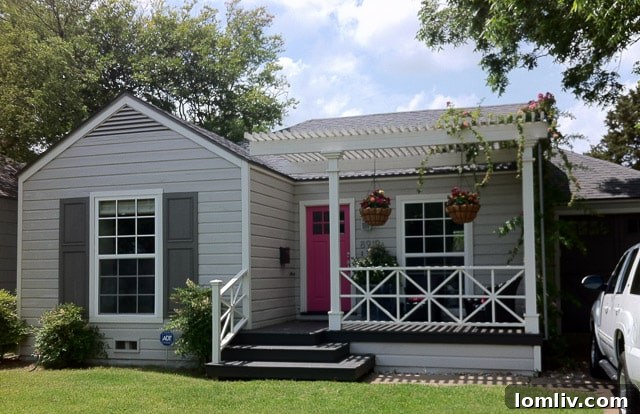
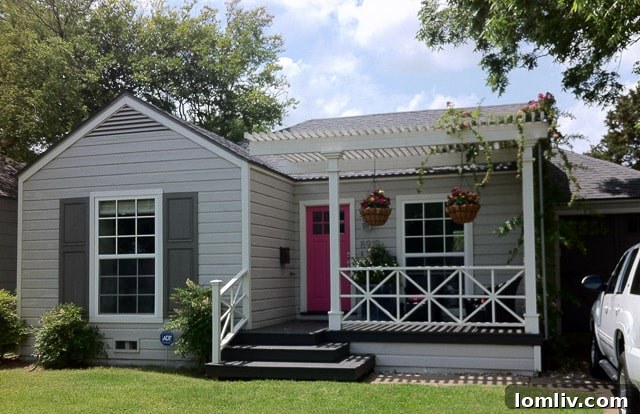
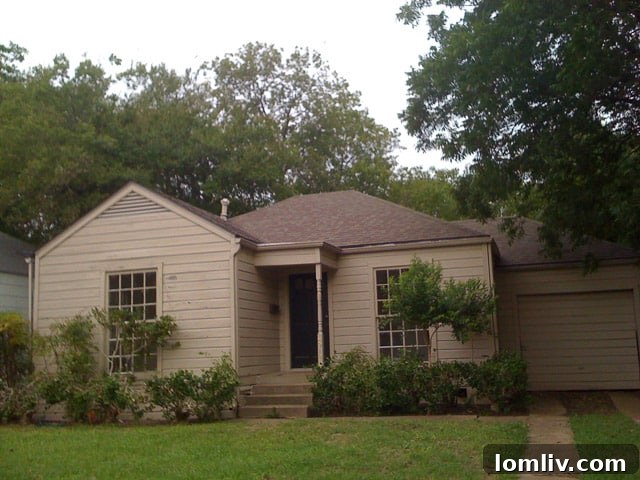
My journey into renovation truly solidified when I purchased a post-World War II starter home, eyeing its potential as a creative office space. It was, to put it mildly, a sad, worn-out relic—an ex-hoarder’s abode filled with decades of neglect and filth. Yet, beneath the grime and disarray, I could feel an undeniable soul pulsating within this humble cottage. Most observers, however, saw only dilapidation. The prevailing question from evening walkers passing by was often a blunt, “When are you tearing it down?” But in my eyes, this little gem was not destined for destruction; it practically screamed “renovation.” And so, the meticulous work began.
As the transformation unfolded, a palpable shift occurred in the community’s perception. Passers-by gradually realized that this cottage was not headed for the landfill. As the renovation progressed, the nature of the inquiries from evening walkers evolved. Instead of questions about demolition, I was fielding queries about specific materials, design features, and the innovative solutions we were implementing. Neighbors began asking for tours, bringing their cameras to capture ideas and inspiration for their own homes. They were captivated by the preservation of original elements, such as the charming black and white mosaic tile in the bathroom and the wooden floors, which bore the beautiful, natural patina of time—a rich character that a newly hand-scraped floor can never truly replicate. Another beloved feature was the cottage’s original crystal doorknobs, which added a touch of timeless elegance to every room. This post-World War II cottage now serves as a vibrant, inspiring space for my design business and, even more gratifyingly, has sparked a “renovation fever” on my block and throughout the surrounding neighborhood, proving that one thoughtful renovation can indeed become a beacon for community-wide transformation.
Addressing Common Renovation Concerns
While the benefits of renovation are abundant, it’s essential to approach any home improvement project with a clear understanding of potential challenges. Thoughtful planning can mitigate many common concerns, ensuring a smoother and more successful outcome.
Budgeting for Your Dream Renovation
One of the primary concerns for any homeowner is the budget. Renovations, like new builds, can have unexpected costs. It’s crucial to establish a realistic budget from the outset, including a contingency fund of at least 10-15% for unforeseen issues that might arise, especially in older homes. Prioritize your needs versus wants, and consider phased renovations if your budget requires it. Investing in quality materials and professional expertise often pays off in the long run, reducing maintenance costs and enhancing durability.
Understanding the Renovation Timeline
Renovation timelines can vary significantly based on the project’s scope and complexity. While a kitchen facelift might take weeks, a whole-house overhaul could span several months. Realistic expectations are key. Delays can occur due to material availability, permit approvals, or unexpected structural discoveries. Maintaining open communication with your design and construction team can help manage expectations and keep the project on track as much as possible.
The Importance of Professional Expertise
The success of a renovation often hinges on the professionals you engage. Partnering with experienced interior designers, architects, and reputable contractors is paramount. A skilled designer can envision possibilities you might not see, navigate complex challenges, and ensure the final aesthetic is cohesive and functional. A trustworthy contractor is essential for quality execution, adherence to timelines, and budget management. Don’t hesitate to ask for portfolios, references, and detailed contracts.
Embracing Sustainable Renovation Practices
Renovating is inherently a more sustainable choice than building new. By reusing existing structures, you reduce demolition waste sent to landfills and decrease the demand for new building materials, which have significant environmental footprints. Further enhance sustainability by choosing eco-friendly materials, energy-efficient appliances, and incorporating design elements that maximize natural light and ventilation. This not only benefits the planet but can also lead to long-term savings on utility bills.
Conclusion: The Enduring Value of Renovation
In weighing the options between renovation and demolition, the advantages of breathing new life into an existing home are compelling and multifaceted. From preserving the unique fabric of our neighborhoods and making sound financial decisions, to inspiring unparalleled creativity and nurturing the very soul of a home, renovation stands as a testament to thoughtful, sustainable living. It’s an opportunity to create a space that is deeply personal, historically rich, and environmentally conscious, fostering a profound connection that new builds often struggle to achieve.
Your home holds potential, a narrative waiting to be expanded and enriched. Don’t be quick to discard its story. Instead, envision the possibilities, embrace the challenges as creative opportunities, and embark on a journey of transformation. By choosing to renovate, you’re not just remodeling a house; you’re investing in a legacy, setting a trend, and crafting a unique haven that truly reflects who you are and how you live. I encourage you to explore the transformative power of renovation; you might discover the comfortable charmer you’ve always desired, and so much more.
 Kim Armstrong is a sought-after interior designer based out of Little Forest Hills, a neighborhood that is as colorful and whimsical as Kim’s own designs. A former competitive soccer player, Kim brings her unwavering drive and commitment to every project, transforming homes and offices across North Texas with her distinctive vision. Discover more about her firm and how to arrange a consultation on her website.