Dallas Champions Innovative Housing Solutions with Expanded CDBG Funding and Tiny Home Initiatives
The City of Dallas is poised to significantly bolster its efforts in addressing housing shortages and homelessness, following a recent proposal to accept additional Community Development Block Grant (CDBG) funds. This development has ignited broader conversations within the Dallas City Council about leveraging these crucial federal dollars to foster alternative housing options, particularly for vulnerable populations and those experiencing homelessness. The discussion underscores Dallas’s commitment to creating more inclusive and sustainable urban communities.
City leaders recently disclosed the availability of an additional $15,967 in disaster recovery funds for Dallas. This supplemental allocation significantly enhances the standard CDBG allocation, bringing the total financial commitment from the U.S. Department of Housing and Urban Development (HUD) to an impressive $40,000. These funds are specifically earmarked to support local community development needs, emphasizing the provision of decent housing, a suitable living environment, and expanded economic opportunities, predominantly for low-to-moderate-income individuals and families within the city.
Recognizing the profound impact these funds could have, District 13 Dallas City Councilwoman Gay Donnell Willis proactively requested that the matter be placed on the March 21 agenda of the Housing and Homeless Solutions Committee. This strategic move ensures a thorough and in-depth discussion among council members and relevant stakeholders. Further emphasizing transparency and community involvement, a public hearing on the matter is meticulously scheduled for April 12, offering residents an invaluable opportunity to voice their perspectives and contribute to the decision-making process concerning these vital housing initiatives.
Councilwoman Willis highlighted the city’s forward-thinking approach, revealing a proposed preliminary budget of approximately $12.5 million dedicated to the new construction of residential units, primarily utilizing grant funding. This substantial investment signifies Dallas’s serious intent to expand its housing inventory and offer diverse solutions to its residents. Within this context, Councilwoman Willis expressed a keen interest in exploring innovative and cost-effective housing models, specifically stating, “I started asking questions about an opportunity for tiny homes.” This statement marks a pivotal moment in Dallas’s housing strategy, opening doors to a novel approach in urban development.
The Promise of Tiny Homes: A Viable Solution for Affordable Housing in Dallas
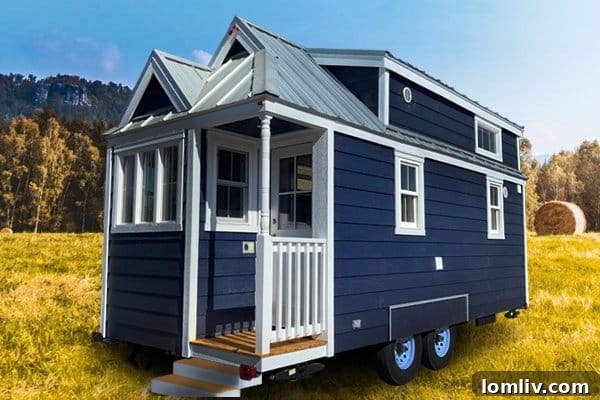
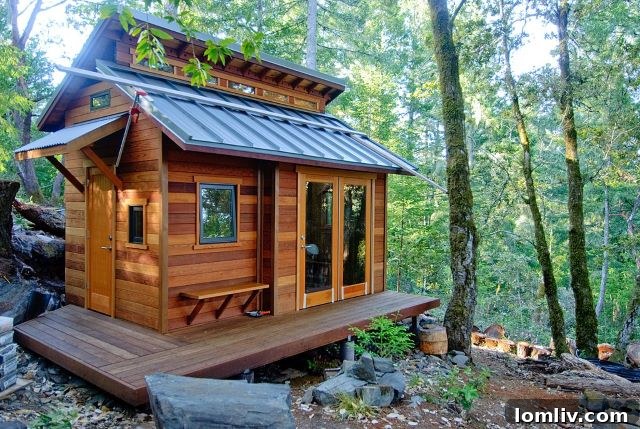
The concept of “tiny homes” has gained considerable traction nationwide as an imaginative and often more affordable housing alternative. These small, self-contained cottages, typically costing less than $50,000, are not only appealing for their economic accessibility but also for their potential to serve as accessory dwelling units (ADUs) or standalone residences. Councilwoman Willis confirmed that, based on initial assessments, these compact and efficient dwellings appear to meet the specific criteria required for CDBG purposes. However, she emphasized the importance of a comprehensive committee-level discussion to fully explore their integration into Dallas’s housing framework, ensuring alignment with federal guidelines and local community needs.
The conversation around tiny homes extends beyond mere cost-effectiveness; it delves into creating sustainable, community-oriented living spaces. These structures can be rapidly deployed, offer individuals a sense of ownership and privacy, and contribute to a diversified housing landscape. As Dallas grapples with escalating housing prices and rental rates, the appeal of a smaller, more manageable footprint becomes increasingly evident. By exploring tiny homes, the city is considering an agile solution that could swiftly provide shelter and stability to those in dire need, while simultaneously promoting responsible land use and community development. This forward-thinking approach is crucial for a metropolitan area facing complex housing challenges.
Councilwoman Willis, who is actively seeking re-election to her council seat in May, running against Priscilla Shacklett, has made addressing housing issues a cornerstone of her campaign. Her advocacy for innovative solutions like tiny homes reflects a broader commitment to improving the quality of life for all Dallas residents and ensuring that the city’s growth is inclusive and equitable. Her dedication to exploring viable and immediate housing options aligns with the community’s demand for practical solutions to pressing urban problems, further solidifying her role as a champion for affordable housing in District 13.
Understanding Community Development Block Grants (CDBG) and Their Impact on Dallas
The CDBG program, a federal initiative administered by HUD, stands as a cornerstone of urban community development across the United States. Its primary objective is to foster viable urban communities by ensuring the provision of “decent housing,” cultivating a suitable living environment, and systematically expanding economic opportunities. The program’s design inherently prioritizes the needs of persons of low-to-moderate income, directing resources to where they are most critically needed to alleviate poverty and improve living standards.
CDBG funds are remarkably versatile, making them accessible to a broad spectrum of entities, including non-profit organizations, for-profit businesses, various city departments, and local government corporations. This wide eligibility ensures that a diverse array of projects and initiatives can benefit from federal support. To qualify for CDBG funding, projects must meet one of three fundamental criteria: they must primarily benefit low-to-moderate-income residents, actively contribute to the prevention or elimination of slums and blight, or address an urgent community need that poses a serious and immediate threat to the health or welfare of the community and for which other financial resources are not available. This stringent yet flexible framework guarantees that CDBG allocations are strategically utilized to achieve maximum community benefit and impact, fostering robust and resilient urban environments.
Addressing the Homelessness Crisis: Tiny Homes as a Critical Missing Solution
The challenge of homelessness remains a pressing concern for Dallas, as it does for many major metropolitan areas. Current strategies, while valuable, often face limitations, particularly when it comes to providing immediate and dignified shelter for individuals living in encampments. District 12 Councilwoman Cara Mendelsohn, a proactive member of the housing committee, candidly addressed this gap. She acknowledged that while the concept of a “tiny home village” has been discussed within city circles, specific funding allocations for such a development have historically been elusive, preventing these promising ideas from materializing.
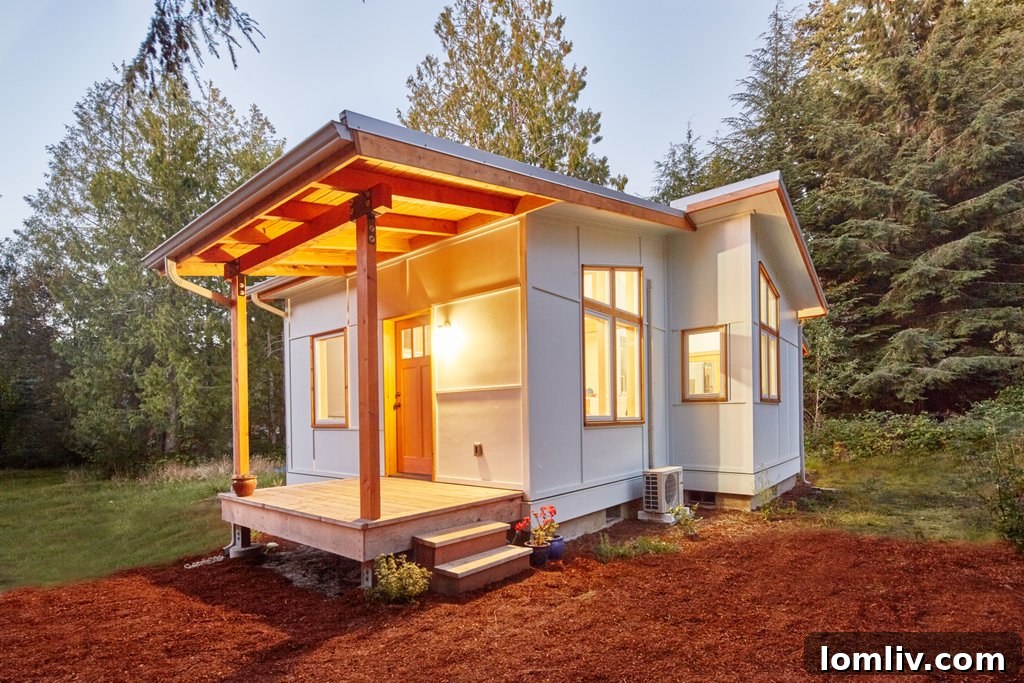
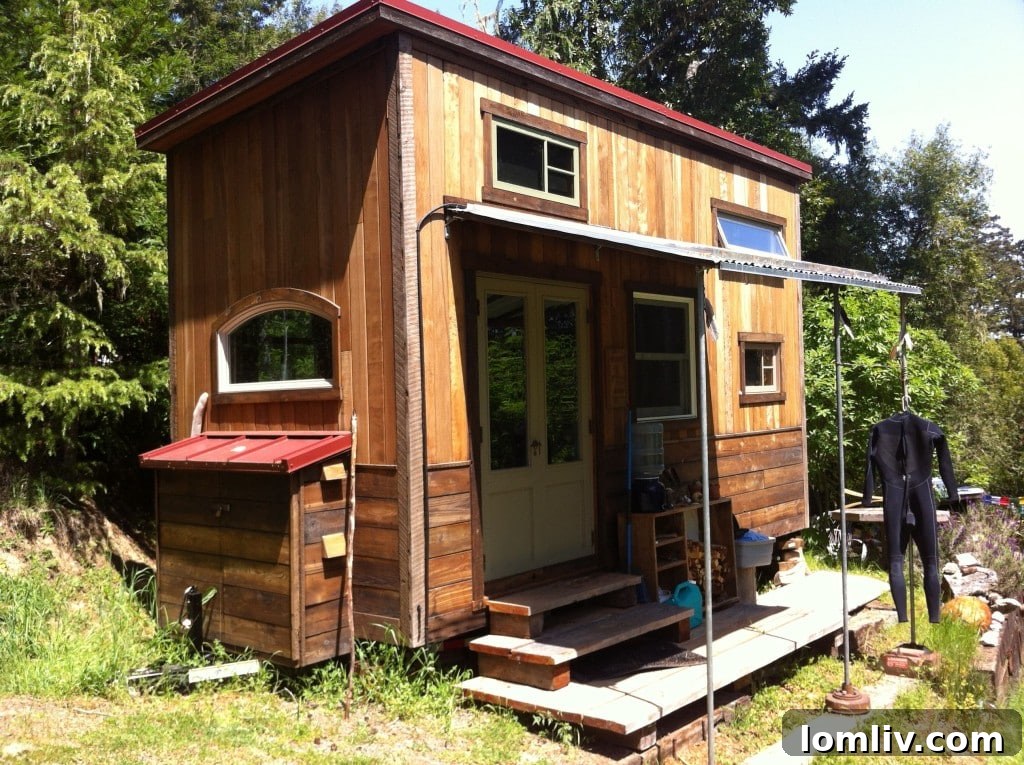
Councilwoman Mendelsohn articulated a compelling argument for tiny homes, stating, “This seems to be a really reasonable missing solution in our community for all the encampments that we have.” She highlighted a frequent challenge faced by city staff: the inability to remove people from encampments due to a lack of available shelter, especially within the Rapid Rehousing Program, where apartment vacancies are often scarce. Her vision emphasizes the potential for rapid deployment:
“We can easily create, with these dollars from HUD, immediate locations where someone could come off an encampment, be given a pallet where they’ll have privacy … and wraparound support services.”
This statement underscores the multifaceted benefits of tiny homes: not just providing a physical structure, but offering a pathway to stability through privacy, dignity, and crucial supportive services. These “wraparound services” are fundamental, encompassing everything from mental health support and substance abuse counseling to job placement assistance and life skills training, all designed to empower individuals to regain independence. The councilwoman stressed that all city providers would collaborate, focusing their efforts on guiding these individuals towards self-sufficiency. Such an integrated approach is vital for long-term success, transforming temporary shelter into a stepping stone for sustainable reintegration into society.
While acknowledging that tiny homes may not serve as a “universal solution for homelessness,” Councilwoman Mendelsohn strongly asserted their crucial role: “I do think it’s missing in our continuum of care.” The continuum of care model in homelessness services refers to a comprehensive system that provides a range of housing and services to meet the diverse needs of homeless individuals and families. Tiny homes, with their capacity for rapid deployment and provision of individualized space, could fill a critical gap between street outreach and permanent housing, offering an intermediate, stable environment for recovery and transition. Her concluding sentiment resonated with many: “I would love to see us allocate some money for this service,” reflecting a growing consensus on the need for innovative, practical interventions.
The Road Ahead for Dallas Housing Initiatives
The discussions surrounding the expanded CDBG funds and the potential for tiny home initiatives represent a significant step forward for Dallas in its ongoing commitment to housing and homelessness solutions. By strategically allocating federal grants, exploring innovative housing models, and fostering collaboration among city departments and service providers, Dallas aims to create a more compassionate and equitable urban landscape. The upcoming committee meetings and public hearing are critical junctures, providing platforms for detailed planning, community input, and the ultimate shaping of policies that will have a lasting positive impact on the lives of countless residents. These proactive measures highlight Dallas’s dedication to building stronger, more inclusive communities where every individual has access to safe, stable, and affordable housing. The city’s willingness to embrace new ideas, like tiny home villages, demonstrates a forward-thinking approach to tackling some of its most persistent social challenges, ensuring a brighter future for all.