As the vibrant hues of spring begin to paint the landscape, the undeniable reality of storm season looms large, especially across the vast expanse of Texas. The National Weather Service consistently highlights March, April, and May as the most active months for severe weather phenomena, including powerful thunderstorms, destructive tornadoes, and damaging hail. For Texans, this isn’t merely a statistic; it’s a stark annual reminder to fortify their homes and families against nature’s fury. The Lone Star State, tragically, often bears the brunt of these events. Just last year, Texas endured 14 named hurricanes and an astounding 159 tornadoes, making it the U.S. state with the highest frequency of these devastating natural occurrences. The financial toll is equally staggering, with storm damages accumulating to an eye-watering $58.3 billion between 2017 and 2021—again, the highest in the nation. Given these challenging figures, adopting a proactive and comprehensive approach to severe weather planning has become not just advisable, but absolutely essential. Our homes represent not only our primary shelters but often our most significant financial investments, prompting countless homeowners to seek the most effective strategies for safeguarding against the inevitable during Texas storm season.
Investing in Resilience: The Power of Proactive Home Construction for Texas Storms
Understanding the critical role of structural integrity, experts like Phil Crone, executive director of the Dallas Builders Association, dedicate considerable effort to enhancing the safety and resilience of homes across Dallas and beyond. Crone emphasizes a pivotal evolution in construction practices: “Due to an evolution of understanding in both straight-line winds and tornadic winds, our modern building codes have informed much smarter and higher quality construction. Therefore, those purchasing newer builds can be confident that their homes are protected more so than older homes.” This insight underscores a fundamental truth: newer homes, built to more stringent, contemporary standards, inherently offer superior protection against severe weather compared to their older counterparts.
Modern building codes, continuously updated to reflect the latest engineering insights and material advancements, dictate everything from foundation strength and wall bracing to roof-to-wall connections and window specifications. These codes are not just guidelines; they are mandates designed to make homes more robust against common storm threats like high winds, heavy rain, and even seismic activity. Features such as hurricane clips, stronger sheathing, and impact-resistant windows are often standard in newer construction, providing a significant advantage in areas prone to severe weather like Texas. For homeowners, understanding these differences is key to making informed decisions about property acquisition and upgrades.
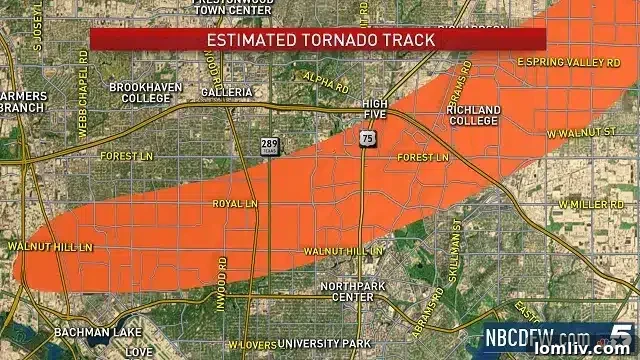
This enhanced resilience was strikingly evident during the infamous Preston Hollow EF-3 tornado in 2019. With wind speeds soaring up to 140 mph, the storm unleashed over $2 billion in damages across North Texas. Yet, as Crone observed, the consequences could have been far more tragic: “We saw with the 2019 tornado that a lot of the modern builds in the area prevented loss of life.” This real-world validation highlights the life-saving impact of robust building codes and quality construction. Beyond meeting baseline codes, a growing number of homeowners and builders are choosing to “go above and beyond.” Crone points out, “You do see people wanting to go above and beyond. There is one builder in our association that builds homes with concrete walls. It’s certainly an exception from the norm, but it could make your home resistant to all but an F4 tornado.” These advanced construction techniques, which might include reinforced concrete foundations, specialized roofing systems designed to resist uplift, and dedicated safe rooms or storm shelters, offer an unparalleled level of safety and peace of mind. Investing in a home built with these proactive measures can not only offer superior protection but potentially lead to insurance benefits, such as lower premiums, and a stronger long-term property value, making it a wise decision for any Texan homeowner looking to enhance their severe weather preparedness and home storm protection.
Leveraging Innovation: Advanced Building Materials for Ultimate Protection Against Texas Weather
As technological frontiers expand, so too does our capacity to build safer, more resilient structures. The rapid evolution of material sciences has ushered in an era of building innovations that were once unimaginable, offering homeowners unprecedented levels of protection. Leading this charge are forward-thinking entrepreneurs like Anette Rubin, a mother and business owner who, alongside her husband, is harnessing new technology to revolutionize structural safety and, ultimately, save lives. This exemplifies the growing trend of integrating cutting-edge materials and construction methods to create truly storm-resistant homes.
Rubin and her husband are the proprietors of Vero Building Systems, a company at the forefront of resilient construction. They specialize in manufacturing cutting-edge 3D-printed Structural Concrete Insulated Panels (SCIPs) designed with extraordinary strength. These panels are engineered not only to withstand the intense forces of earthquakes but also to endure the catastrophic winds of Category 5 hurricanes. Anette’s inspiration for pioneering such robust building solutions stemmed from a deeply personal experience. “Three weeks after my first child was born, Hurricane Michael hit,” Rubin recounts. “It was a really terrifying experience. In trying to figure out whether or not to evacuate, I started researching building codes. I learned that in our area, the building code was only Category 3. At the time, the storm had already built up to Category 4.5.”
This harrowing experience starkly highlighted the gap between standard building codes and the actual ferocity of modern superstorms. While Hurricane Michael narrowly bypassed Rubin and her family, the proximity to such a powerful storm ignited a fervent desire for proactive change and a commitment to advanced home storm protection. “That led to my husband and I wanting to start this company,” Rubin explains. Their commitment to superior safety is evident in their product’s certifications. “Our system is Miami-Dade standard so our panels provide up to 250 mph wind resistance. We also have the highest fire rating that Florida certifies.” The Miami-Dade standard is globally recognized as one of the most stringent building codes for hurricane-prone regions, signifying an exceptional level of durability and protection against extreme wind loads and projectile impacts, making it a benchmark for hurricane-resistant building materials.
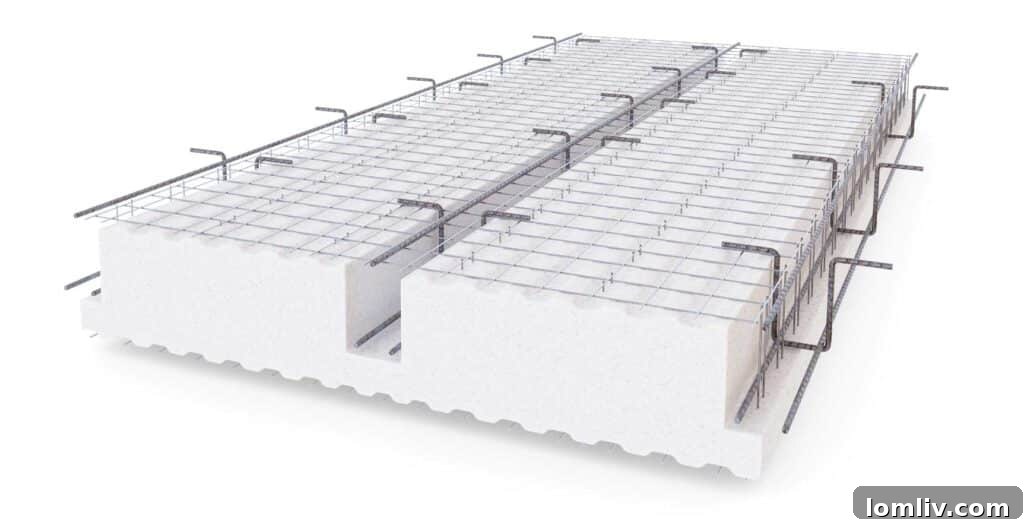
While these advanced SCIP panels are rigorously tested and rated for the severe hurricanes that plague Florida’s coastlines, their inherent strength makes them exceptionally well-suited for the challenging weather conditions of Texas. “In Dallas, I know there are tornados, thunderstorms, and of course the ice storms,” Rubin affirms. “These panels would be an excellent choice for protecting against wind, fire, and even our smallest panels have a measured insulation performance of R19 without added insulation.” This remarkable R-value contributes significantly to energy efficiency, offering long-term savings in addition to paramount safety, making them a smart choice for sustainable and resilient construction. Beyond their impressive resistance to wind and fire, Vero’s panels offer a suite of additional benefits that make them a truly holistic solution for homeowners. They are mold-proof, ensuring healthier indoor air quality; termite-proof, eliminating a common and costly structural threat; soundproof, providing a quieter, more peaceful living environment; and incredibly, they are “literally bullet and explosion-proof,” demonstrating an extraordinary level of structural integrity. Such multifaceted protection offers not just peace of mind, but a truly fortified home, capable of standing strong against a wide array of unforeseen circumstances, making Vero Building Systems a leader in advanced storm protection technology.
Comprehensive Preparedness: Beyond Construction for a Storm-Ready Home
While investing in resilient construction and advanced materials provides a foundational layer of protection, a truly storm-ready home encompasses more than just its physical structure. Comprehensive preparedness involves a multi-faceted approach that includes ongoing maintenance, robust emergency planning, and understanding your insurance coverage. Before storm season arrives, proactive home maintenance is crucial. Regularly inspect your roof for loose shingles or damage, clear gutters and downspouts to ensure proper drainage, and trim any tree branches that hang precariously over your home or power lines. Securing outdoor furniture, trash cans, and other loose items can prevent them from becoming dangerous projectiles in high winds. These seemingly small actions can significantly mitigate potential damage and enhance overall safety, forming a critical part of your storm season home maintenance checklist.
Equally vital is having a well-thought-out emergency preparedness plan. This includes assembling a comprehensive emergency kit with at least three days’ worth of non-perishable food and water, a first-aid kit, flashlights, batteries, a NOAA weather radio, and any necessary medications. Don’t forget copies of important documents, such as insurance policies, identification, and medical records, stored in a waterproof bag. It’s also imperative to establish a family communication plan, identifying an out-of-state contact and designating a meeting point in case of separation. Regularly practice your family’s emergency plan, including evacuation routes and where to take shelter during different types of severe weather, ensuring everyone knows their role and what to do.
Reviewing your home insurance policy is another critical step in comprehensive storm preparedness. Understand what your homeowner’s policy covers regarding wind, hail, and flood damage, as these can often be separate endorsements or even require distinct policies. Texas, with its diverse weather threats, necessitates a close look at deductibles and overall coverage limits to ensure you are adequately protected against the financial repercussions of severe weather. Consider options like dedicated flood insurance, even if you’re not in a designated flood plain, and specialized wind/hail coverage. Finally, exploring options like backup power generators can provide essential continuity during extended power outages, keeping critical appliances running and maintaining comfort and safety when the grid goes down, further enhancing your home’s resilience against severe Texas weather.
Knowledge and Alertness: Your Foremost Defense Against Texas Weather Threats
Ultimately, one of the most powerful tools in safeguarding yourself and your family during a storm is staying informed and alert. Knowledge truly is power when facing unpredictable weather events. Modern technology offers numerous ways to receive timely warnings. Beyond traditional television and radio alerts, consider investing in a NOAA Weather Radio, downloading reliable weather apps on your smartphone, and signing up for local emergency alerts from your city or county. Following official sources on social media can also provide real-time updates and instructions during rapidly developing situations, forming the backbone of your severe weather alerts strategy in Texas.
When severe weather strikes, knowing where to seek shelter is paramount. As Phil Crone advises, “If you don’t have a safe room or advanced construction, I would advise following the advice of the meteorologists and seek shelter in interior rooms with no windows. This is your best defense, no matter what type of house you have.” An interior room on the lowest floor of your home, away from windows, offers significantly more protection than rooms with exterior walls or glass. For those with the means, purpose-built safe rooms or underground storm shelters provide the highest level of protection against tornadoes and extreme winds. These structures are engineered to withstand incredible forces and can be a life-saving investment, offering unparalleled tornado safety. Regardless of your home’s construction, having a designated safe space and knowing the quickest, safest route to get there is crucial. By combining advanced building solutions with diligent personal preparedness and an unwavering commitment to staying informed, Texans can significantly enhance their resilience and navigate storm season with greater confidence and security, protecting both their most significant investment and, more importantly, their loved ones.