Preserving Fort Worth’s Legacy: The Critical Sale of Historic School Properties
The Fort Worth Independent School District (FWISD) has announced plans to sell 18 properties from its extensive portfolio. While routine property sales typically wouldn’t capture widespread public attention, this particular divestiture has sparked significant concern among local historians, architects, and community advocates. The reason? Among the properties slated for sale are three iconic and deeply significant historic Fort Worth school sites: Farrington Field, the Boulevard Heights Transition Center, and the Jack A. Billingsley Field House.
The news, initially reported by the Fort Worth Star-Telegram in November, immediately highlighted a critical issue: these cherished buildings, integral to the very fabric and collective memory of Fort Worth, currently lack official historical landmark designation. This absence of protection raises serious questions about their future, prompting a fervent call from preservationists to safeguard these irreplaceable elements of the city’s heritage.
The Heart of Fort Worth: Three Historic Gems at Risk
Each of the three historic properties targeted for sale holds a unique place in Fort Worth’s narrative:
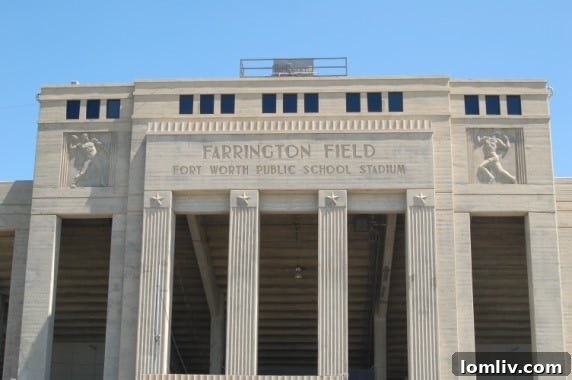
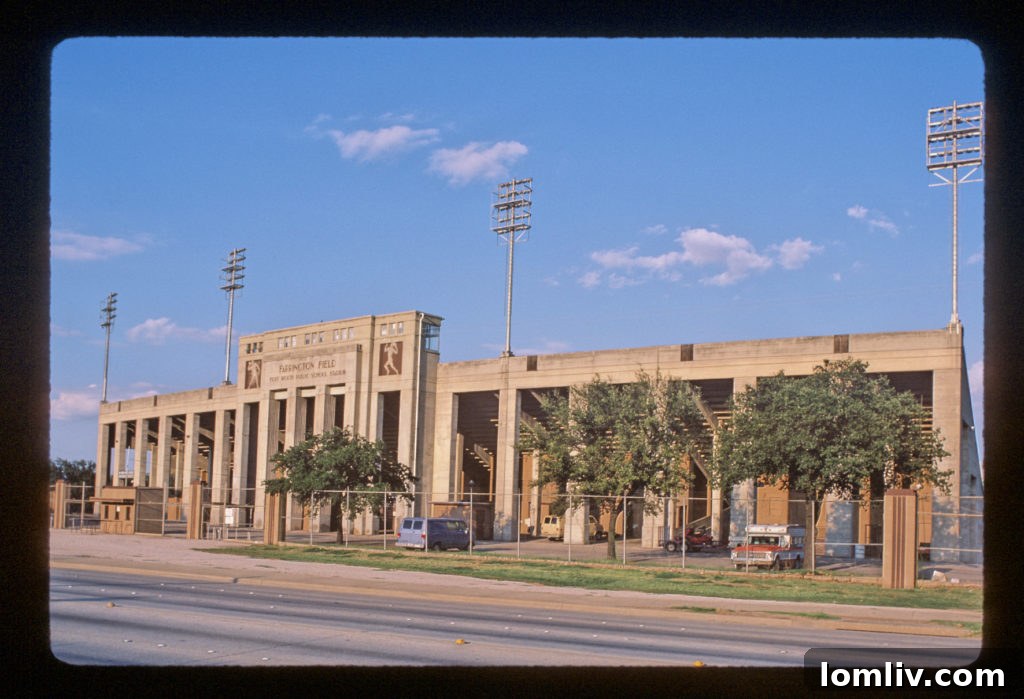
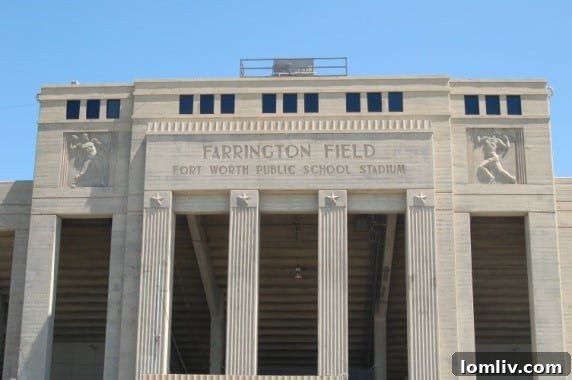
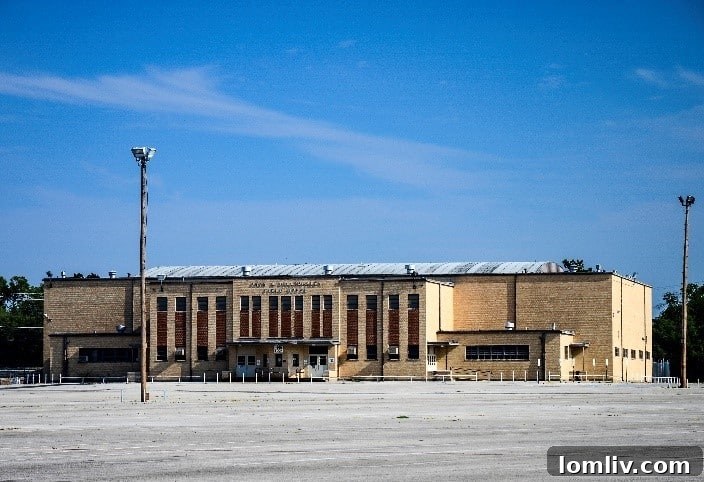
- Farrington Field: More than just a sports venue, Farrington Field is an architectural marvel. Completed in 1939 as a Public Works Administration (PWA) project, its distinctive Art Deco design makes it one of the finest examples of the style in Texas. For decades, it has hosted countless football games, track meets, graduations, and community events, serving as a central gathering place and a symbol of civic pride for generations of Fort Worth residents. Its grandstands and iconic tower represent a bygone era of public investment in community infrastructure.
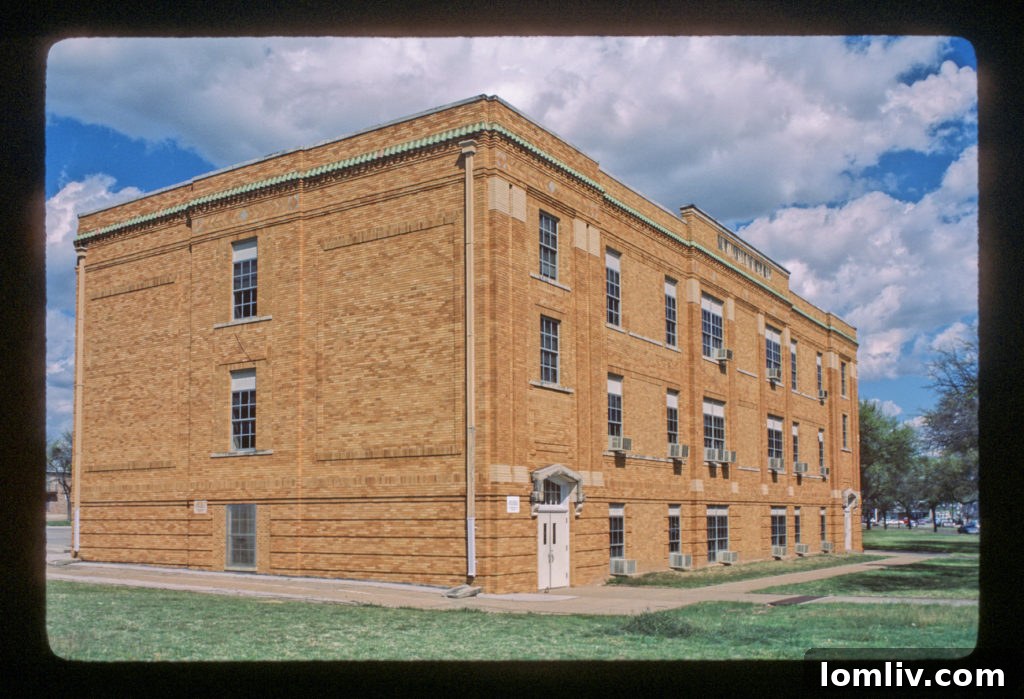
- Boulevard Heights Transition Center: This property is comprised of three distinct buildings constructed at various periods, which were eventually integrated into a single complex. Located strategically within a developing area, these structures tell a story of educational evolution and urban growth in Fort Worth. While less individually famous than Farrington Field, their collective history and location make them significant contributors to the city’s built environment.
- Jack A. Billingsley Field House: Complementing Farrington Field, the Billingsley Field House has supported athletic programs and community activities for decades. It’s a testament to the district’s commitment to sports and physical education, holding memories of countless team huddles, locker room camaraderie, and the pursuit of athletic excellence.
As Jerre Tracy, Executive Director of Historic Fort Worth Inc., eloquently puts it, “Each one of these properties makes Fort Worth distinct from any other city in Texas. Once we lose that distinction, there won’t be the same rationale to make Fort Worth your home. Why would you undo what is already good?” This sentiment underscores the profound impact the loss of these buildings would have on the city’s identity and appeal.
A Resounding Call for Stewardship: Historic Fort Worth Inc.’s Advocacy
In response to the FWISD’s announcement, Historic Fort Worth Inc. issued a comprehensive press release, urging the community and district trustees to reconsider the fate of these valuable assets. The organization emphasizes that the FWISD, as a key educational institution and significant landowner, has a unique opportunity to lead by example in the preservation of the built environment. Here are key excerpts from their urgent message:
THE FORT WORTH INDEPENDENT SCHOOL DISTRICT HAS A GOLDEN OPPORTUNITY TO TEACH STEWARDSHIP OF THE BUILT ENVIRONMENT
“Fort Worth proudly possesses one of the most remarkable collections of historic buildings, schools, bridges, and structures in this entire region of Texas. Regrettably, we are witnessing their disappearance at an alarming and accelerating rate. As the most influential educator of our city’s youth, and as the owner of the largest collection of historic grade school buildings among any public or private entity in Fort Worth, we implore the trustees of the FWISD to embrace their responsibility to care for this enviable collection of historic structures.
Now is the opportune moment for the FWISD to step forward and serve as the paramount stewardship leader for the next generation, guiding them in understanding the value of our built environment. True stewardship encompasses a deep understanding of how to care for that which is irreplaceable. It profoundly respects the conservation of rare building materials, validates the enduring quality of timeless construction methods, fosters a keen understanding of architectural scale, actively reduces waste destined for our landfills, and, most critically, instills a profound respect for those unique places irrevocably associated with key architects, pivotal buildings, visionary city founders, and influential leaders who have collectively defined the essence of Fort Worth.
Among the various properties the FWISD intends to sell, Historic Fort Worth, Inc. has specifically identified three historically significant resources that currently lack any protective designation. Two of these are prominently situated within burgeoning development zones, presenting immediate challenges, while the third represents three distinct buildings constructed across different time periods that were eventually harmoniously combined into one cohesive structure. Collectively, these assets have been an integral part of our city’s landscape for 70 to 100 years, and it is imperative that they are granted a future within it. It falls upon this current group of FWISD trustees to actively protect these invaluable historic buildings and structures, assets that earlier trustees wisely prioritized, commissioning their design and construction by the finest architects and construction firms of their respective eras.”
Balancing Progress and Preservation: An Architect’s Vision for Adaptive Reuse
The conversation around these properties isn’t solely about preventing demolition; it’s also about envisioning a future where history and innovation coexist. Michael Bennett, a principal with Bennett Brenner Architects in Fort Worth and an advisor to FWISD on this process, offers a pragmatic yet passionate perspective.
“Farrington Field is undeniably one of the best Art Deco buildings in the state,” Bennett observes. He describes himself as “a committed preservationist” and believes the FWISD is genuinely seeking a balanced approach. “The impression I get from the FWISD is to preserve, but also to use these resources as wisely as they can. They are looking at the right balance, which is the right way to look at it.”
Bennett sees immense potential for adaptive reuse and community revitalization. He envisions an “innovation district” centered around areas like Farrington Field, leveraging its walkability and proximity to downtown Fort Worth. “There is an opportunity that these buildings bring to us as a city,” he explains. “My hope is we get a game-changer. The approach we are taking is one that would incentivize preservation.”
He proposes bold ideas, such as redeveloping Farrington Field to accommodate a professional soccer team, a concept that could significantly benefit Fort Worth. “What if we redevelop the field and save the parts that are historically important while increasing the value around the area?” This forward-thinking approach suggests that preservation doesn’t mean stagnation but rather intelligent growth that honors the past while embracing the future.
Lessons from the Past: The Cautionary Tale of P.C. Cobb Stadium
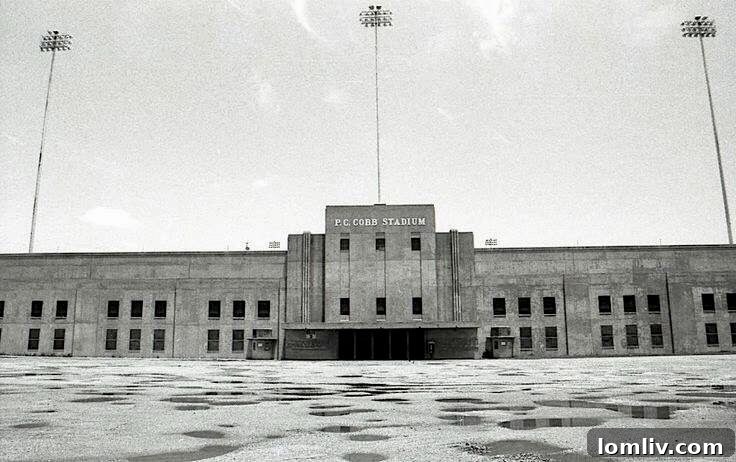
The urgency of the current situation is amplified when considering past preservation battles. A stark warning comes from Dallas with the fate of P.C. Cobb Stadium. Originally known as Dal-Hi Stadium, this magnificent Art Deco facility, another product of the Works Progress Administration built in 1937, served as the primary athletic venue for the Dallas school system for many years. Renamed in 1957 to honor P.C. Cobb, the man instrumental in its construction, it was celebrated for its beauty, even serving as a backdrop for fashion photography.
However, despite its historical and architectural significance, P.C. Cobb Field was sold to Trammell Crow in 1979 and subsequently demolished. Today, the Infomart stands in its place, and the stadium is merely a fading memory. The loss of P.C. Cobb Stadium serves as a powerful reminder of what can happen when historic structures lack protection and fall victim to development pressures. “P.C. Cobb Stadium in Dallas is a great example of what you don’t want to do,” states Michael Bennett, highlighting the irreversible consequences of such decisions. This tragic outcome is precisely the kind of loss that dedicated historic preservationists tirelessly strive to prevent in Fort Worth today.
It’s an unfortunate truth that, all too often, the siren call of immediate financial gain can overshadow the long-term value of historical and cultural heritage. “When money talks, history walks,” is a poignant adage that resonates deeply with preservationists who have witnessed invaluable landmarks vanish.
A Blueprint for Success: The Eagle Ford School Model
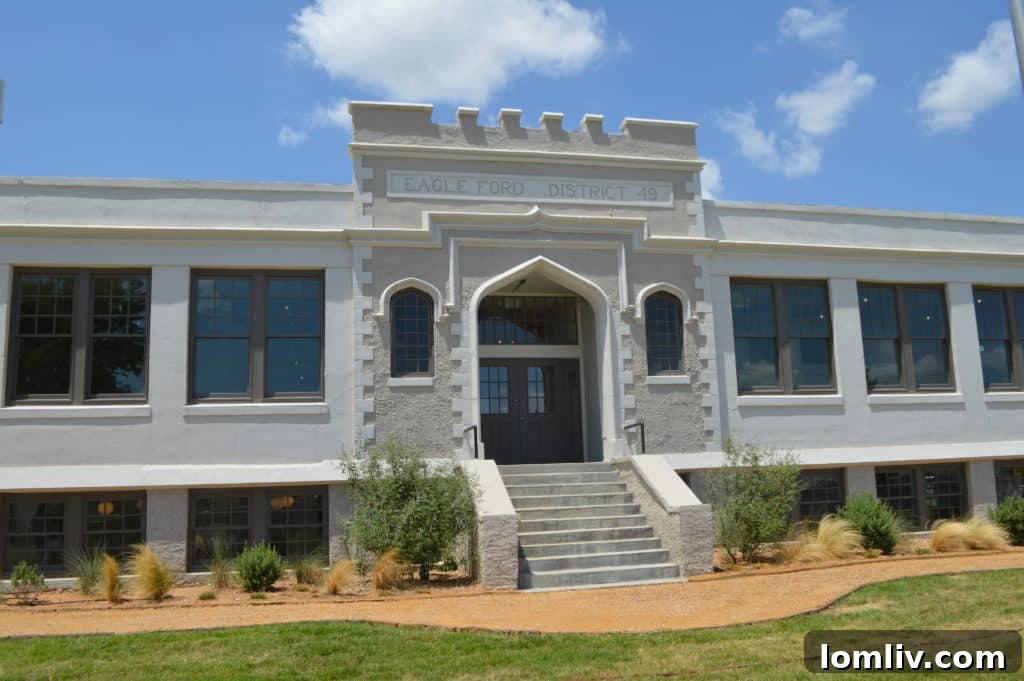
While the story of P.C. Cobb Stadium serves as a cautionary tale, there are inspiring examples of successful preservation through adaptive reuse. The Eagle Ford School in Dallas, famously associated with Bonnie Parker of Bonnie and Clyde notoriety, provides a shining model. This historic building, rather than facing demolition, underwent a remarkable transformation.
Today, the former Eagle Ford School stands as a beautifully restored event space, pulsating with new life while honoring its storied past. This project demonstrates that with vision, creative planning, and dedicated hard work, historic buildings can be given a vibrant second life, contributing economically and culturally to their communities. It’s a testament to the fact that preservation doesn’t necessarily mean freezing a building in time, but rather finding innovative ways for it to continue serving the public in a modern context.
The Intrinsic Value of Heritage: Why Preservation Matters to Fort Worth
To further understand the profound importance of safeguarding these properties, we turned to esteemed architect Lloyd Lumpkins. His insights articulate the fundamental philosophy behind historic preservation:
“Why do we need to preserve older buildings? They serve as tangible links to our past, powerful narrators of who we were as a community. They imbue us with an irreplaceable sense of place, offering a concrete understanding of where we have been, establishing a vital context to help guide us toward where we aspire to go! Can you truly imagine embarking on a journey without any knowledge of your starting point? You would be utterly lost before you even began. In essence, preserving buildings is profoundly about preserving culture itself – it is about maintaining a conscious awareness of who we are, what defines us, and, crucially, where our collective future lies.”
Indeed, the benefits of preservation extend far beyond mere sentimentality. They encompass:
- Cultural Identity: Historic buildings anchor a city to its past, providing a unique character that cannot be replicated by new construction. They are physical reminders of the events, people, and architectural styles that shaped the community.
- Economic Vibrancy: Preserved historic districts and adaptively reused buildings often become vibrant hubs for tourism, local businesses, and residential communities, fostering economic growth and creating jobs.
- Sustainability: The greenest building is often one that already exists. Reusing existing structures reduces demand for new materials, minimizes construction waste, and saves the embodied energy already expended in their original construction.
- Educational Opportunities: These buildings serve as invaluable outdoor classrooms, teaching future generations about history, architecture, engineering, and civic responsibility.
The Road Ahead: Opportunities for FWISD and Fort Worth
The sale of these FWISD properties presents Fort Worth with a critical juncture. It is an opportunity to not only protect precious architectural heritage but also to demonstrate a commitment to thoughtful urban development. The district has the chance to set a precedent for how public entities can responsibly manage historic assets, ensuring they continue to serve the community for generations to come.
By engaging with preservation advocates, exploring innovative adaptive reuse strategies, and prioritizing landmark designation, FWISD can transform a potentially controversial sale into an exemplary model of stewardship. The future of Farrington Field, Boulevard Heights Transition Center, and Jack A. Billingsley Field House is more than just a real estate transaction; it’s a profound decision about Fort Worth’s identity, its respect for history, and its vision for a vibrant, distinctive future.
The city’s heritage is not merely a collection of old buildings; it is the soul of Fort Worth, defining its character and distinguishing it from any other place. Ensuring the preservation and wise reuse of these historic school properties is an investment in that soul, a commitment to future generations, and a testament to what makes Fort Worth truly unique.