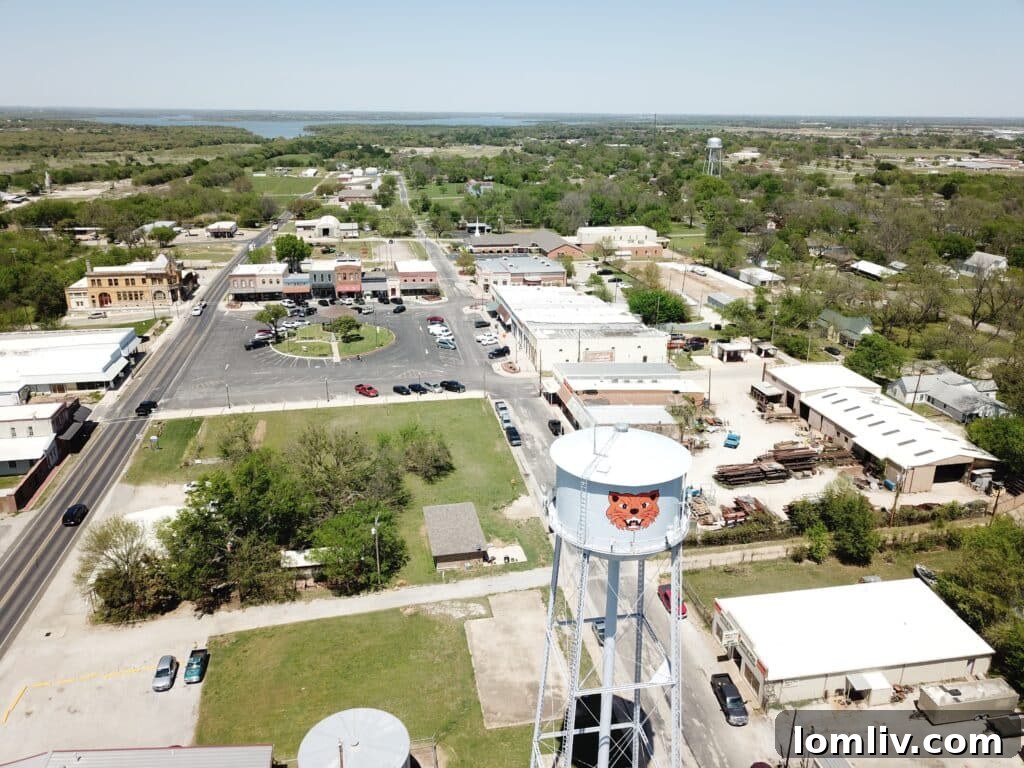
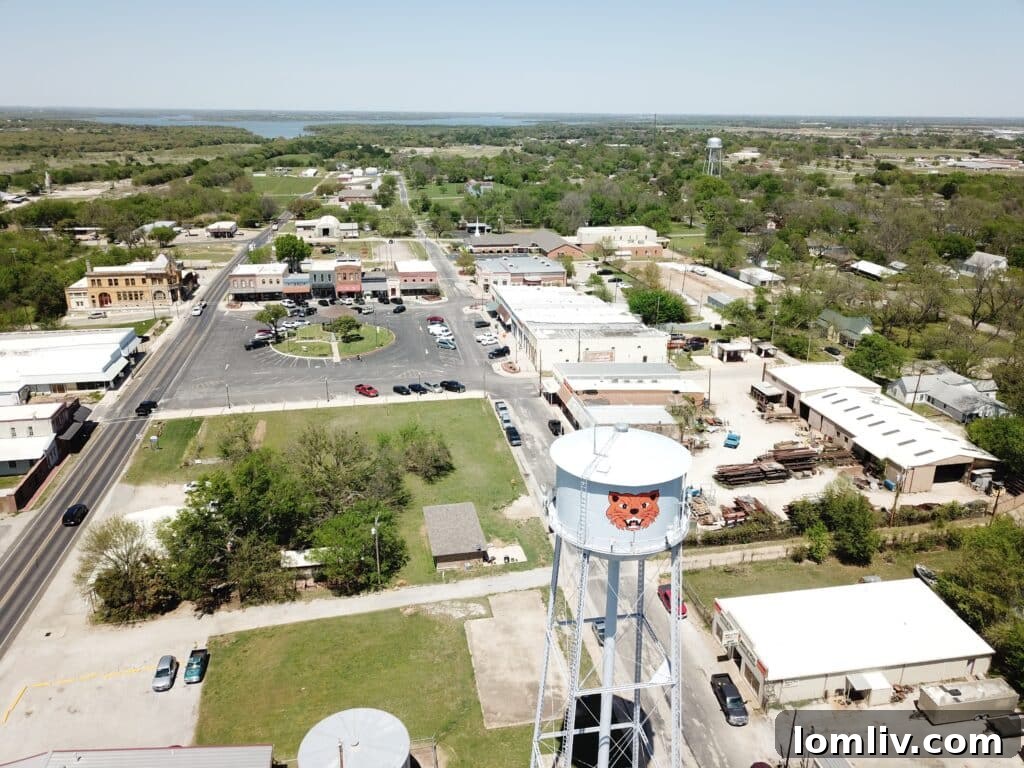
Once quaint rural towns, communities across Denton County are now rapidly evolving into bustling exurban centers, grappling with the challenge of providing essential services as the Dallas-Fort Worth expansion pushes relentlessly past US 380.
The Dallas-Fort Worth (DFW) metropolitan area has experienced an unprecedented surge in population and economic activity over the past two decades. This relentless growth has transformed the region into one of the fastest-growing in the United States. Data illustrates this dramatic shift, showing the DFW population ballooning from a robust 4.1 million residents in 2000 to an impressive 6.5 million by 2022. This exponential increase is not confined to the urban cores of Dallas or Fort Worth; instead, it’s rippling outwards, reaching once-sleepy towns that are now finding themselves at the epicenter of North Texas development.
As this wave of expansion moves northward, particularly beyond the traditional growth corridors and past US 380, communities formerly celebrated for their rural charm and quiet country living are witnessing a rapid influx of new residents and businesses. These towns, once considered distant outposts, are now feeling immense pressure to adapt and expand their infrastructure and services to keep pace with the rest of the dynamic DFW region. This phenomenon marks a significant transformation, reshaping landscapes, economies, and the very fabric of these evolving communities.
North Texas Development: The Unstoppable Push Further North
The northward march of development across North Texas is undeniable, presenting both opportunities and significant challenges for local governments. Aubrey Mayor Chris Rich articulates this sentiment, stating, “We do feel the pressure of growth intensely.” One of the primary battles cities face involves developers who prefer not to annex their properties within city limits. This preference often stems from a perception that it is more profitable for them to establish Municipal Utility Districts (MUDs) within the city’s Extra-Territorial Jurisdiction (ETJ).
Operating within the ETJ frequently allows developers to navigate a less restrictive regulatory environment compared to building directly within city boundaries. This flexibility can lead to quicker development timelines and potentially lower initial costs. Mayor Rich emphasizes Aubrey’s proactive stance: “So, we are making sure that these new developments, even if they do build in the ETJ, are providing the most benefit for the community as a whole as we can get them to agree.” This strategic approach aims to ensure that even projects outside direct city control contribute positively to the overall community welfare.
Rich further elaborated on the complexities, noting that while developers find it easier to build outside city limits, they still expect crucial municipal services like police and fire protection. “We will always provide that service,” Rich affirmed, “but we have fees in place for them to ‘pay their fair share,’ even though they aren’t contributing any ad valorem taxes.” These impact fees are strategically implemented for various services, including police, fire, parks, roadway infrastructure, and water/wastewater systems, where applicable. This mechanism ensures that the financial burden of new development is not unfairly shifted to existing taxpayers.
“Managing this to not cause any new local residents to impact the tax bill of existing taxpayers is the number one goal,” Mayor Rich added, highlighting the city’s commitment to fiscal responsibility. He proudly noted, “So far, we’ve been able to do all of this, while simultaneously lowering our taxes.” This achievement underscores Aubrey’s success in navigating the complexities of rapid growth without compromising the financial stability of its long-term residents. The city has seen its population skyrocket by over 200 percent since the year 2000, reaching approximately 4,350 residents by 2020 and continuing its upward trajectory.
The mayor indicated that the majority of Aubrey’s growth has been residential, driven by families seeking new homes and a desirable quality of life in North Texas. However, he also observed a noticeable increase in small commercial projects, which are vital for supporting the burgeoning population and creating local job opportunities. With this influx of new residents, Aubrey has been actively enhancing its community activities and events, aiming to foster a stronger sense of togetherness and ensure that new residents feel welcomed and integrated. “We are building our long-time traditions to make them even bigger than they have been in the past,” Rich explained, emphasizing the importance of preserving the town’s unique character while embracing its expansion.
To maintain its high level of service amidst escalating demand, Aubrey is proactively adding personnel and strengthening its municipal departments. Rich highlighted the establishment of a new team of department heads dedicated to building robust departments designed to stay ahead of the growth curve. Significant infrastructure investments are also underway, including critical water and wastewater expansion projects. Furthermore, the city is addressing historical infrastructure gaps, such as adding generators to its water wells to enhance resilience and ensure uninterrupted service. Public safety is another key focus, with the city actively working on its third fire station to support its growing fire department. The police force has also expanded dramatically, growing from merely six officers a decade ago to approximately 24 today, with plans for further additions this year, demonstrating Aubrey’s commitment to safety and community well-being.
Dallas North Tollway Drives Population Growth and Economic Expansion
A pivotal factor accelerating the northward migration of residents and businesses is the strategic expansion of the Dallas North Tollway (DNT) beyond US 380. This major infrastructure project is more than just a roadway; it’s a critical artery fueling the economic and demographic transformation of North Texas. The North Texas Tollway Authority (NTTA)’s ambitious expansion encompasses 13.7 miles extending north past US 380. This significant development will forge direct and efficient links between downtown Dallas and the rapidly growing counties of Collin, Denton, and Grayson, directly impacting or bordering communities such as Aubrey and its neighbor, Pilot Point.
Pilot Point City Manager Britt Lusk detailed the city’s comprehensive preparations for this anticipated growth. In recent years, the city council, dedicated staff, and numerous volunteer groups have collaborated to craft visionary master plans, including master parks plans, master trails plans, and crucial 30-year water and sewer plans. These forward-thinking strategies are designed to ensure that Pilot Point’s infrastructure and amenities can adequately support a significantly larger population while preserving the city’s quality of life.
Lusk underscored the unique pressures faced by smaller cities compared to larger metropolitan areas, primarily due to limited resources and staff. “We have prepared for the growth by strengthening our relationship with our ISD, County, and State officials,” Lusk explained, highlighting the importance of inter-agency collaboration. Pilot Point strategically utilizes contractors where feasible and meticulously evaluates cost-benefit analyses when considering new staff positions, ensuring efficient resource allocation. To mitigate the financial burden of rapid expansion, the city has implemented impact fees, charging developers for their proportional effect on public infrastructure. Additionally, Pilot Point mandates park dedication requirements to guarantee adequate parkland and green spaces for its expanding community, recognizing the importance of recreational areas for residents.
The expansion of the Dallas North Tollway, Lusk emphasized, “will have a large impact” on Pilot Point’s growth trajectory, especially since a significant portion of future development is expected to cluster along the Tollway corridor. This infrastructural investment is set to unlock new potential for residential, commercial, and industrial growth, fundamentally altering the city’s landscape.
Pilot Point has already demonstrated a robust growth pattern, with the city reporting a 33 percent population increase since 1990. While the city recorded just over 5,000 residents in 2010, current projections suggest a population exceeding 20,000 by 2030. Lusk further revealed the astonishing scale of impending development, noting that Pilot Point currently has 12,000 homes in various stages of development. If these projects come to fruition, population projections could soar to an incredible 70,000 residents, transforming Pilot Point into a major North Texas hub.
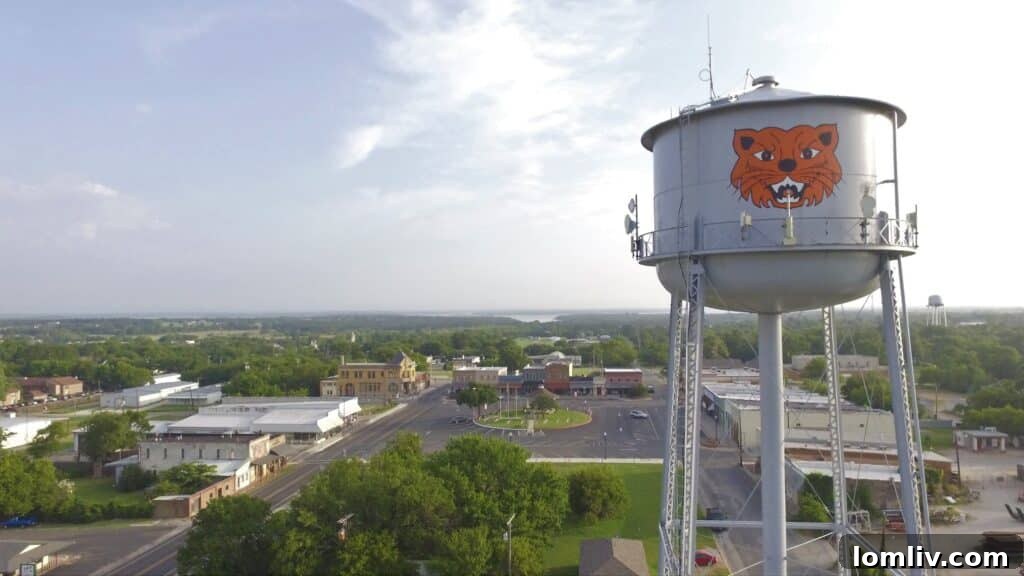
This dramatic expansion, while bringing prosperity, also presents considerable challenges. “We will have increased traffic and wear and tear on our infrastructure,” Lusk cautioned. He stressed the critical importance for Pilot Point to effectively manage these growth impacts and, crucially, “to protect the historical neighborhoods that have formed the ‘heart’ of the city since the 1800s.” Preserving the unique heritage and small-town charm amidst rapid urbanization is a delicate balance that the city is committed to maintaining.
Lusk anticipates that commercial and industrial growth will naturally follow the residential boom, particularly along the US 377 corridor through Pilot Point. Planned developments are envisioned to include a diverse range of amenities, such as new schools, parks, expanded trail systems, protected open spaces, improved roads, and other facilities designed to enhance the quality of life without negatively impacting existing residents. “The projected population growth will attract future job-creating opportunities in master-planned industrial and commercial projects that serve our needs to create a community based on living, working, and playing in Pilot Point,” Lusk stated, outlining a holistic vision for the city’s future.
Back in Aubrey, Mayor Rich acknowledged that while the Dallas North Tollway is located further east from the city, its rapid development is already drawing people and businesses into the broader region. He believes that the increased activity along the Tollway corridor could significantly drive traffic to Aubrey’s local shops and businesses, boosting the city’s commercial sector. Furthermore, Rich pointed to the planned “Outer Loop” as potentially having the most substantial impact on Aubrey’s future development, envisioning it as a major catalyst for further expansion.
If current growth patterns persist, Mayor Rich projects that Aubrey could realistically see its population double within the next five years. This incredible growth trajectory underscores the profound transformation underway in Denton County, as once-rural towns become integral components of the sprawling and dynamic North Texas landscape. Managing this rapid evolution while preserving community identity and ensuring sustainable development remains the paramount challenge and opportunity for these burgeoning cities.