

The Art of Selling: Navigating the Complexities of Home Staging in Real Estate
In the competitive world of real estate, presentation is paramount. A property’s visual appeal can significantly influence its market value, attracting potential buyers or, conversely, deterring them before they even step foot inside. Home staging, the practice of preparing a property for sale in the best possible light, is a critical component of this process. It involves decluttering, depersonalizing, and strategically arranging furniture and decor to highlight a home’s best features and help prospective buyers envision themselves living there. While effective staging can dramatically accelerate a sale and often lead to higher offers, not all staging approaches are created equal. In fact, some can be so unconventional they achieve the exact opposite effect.
This week, we delve into a fascinating, albeit perplexing, case study from South Lake Tahoe that perfectly illustrates the extreme ends of the home staging spectrum. This particular property presents a unique challenge, showcasing not one, but two distinctly different approaches to presenting a home for sale – each with its own set of questionable choices. It serves as a compelling lesson in what to do, and more importantly, what not to do, when marketing a property. The stark contrast between these two styles within the same listing prompts us to reconsider the fundamental principles of real estate photography and presentation.
South Lake Tahoe Opportunity: A Duplex with Untapped Potential
Our featured property is a duplex located in scenic South Lake Tahoe, a region renowned for its natural beauty, outdoor recreation, and vibrant community. While the exact market nuances of South Lake Tahoe might vary, the general principles of real estate marketing remain universal. This duplex, as described in its listing, holds considerable promise as an income-generating asset, a highly desirable feature for many investors and homeowners alike in a popular destination area. Its central location further enhances its appeal, placing it conveniently close to key attractions such as casinos, pristine beaches, various shopping options, prime skiing locations, and the town’s sole cinema. These amenities suggest a strong rental potential, making the duplex an intriguing prospect for those looking to capitalize on the region’s tourism and residential demand.
“With a little love, this duplex has great income property potential. Centrally located and close to casinos, beaches, shopping, skiing and the only cinema in town. There is a spacious 3 bedroom 2 bathroom unit upstairs and a 2 bedroom 1 bathroom unit with a 1 car garage downstairs. Large driveway that can accommodate numerous cars. Don’t miss out on this unique opportunity! Property to be sold ‘as-is’.”
The listing description provides valuable context, emphasizing the property’s “income property potential” and its “as-is” sale condition. This “as-is” clause is crucial; it signals to potential buyers that the property is being sold in its current state, with no expectation of the seller making repairs or improvements. While this can sometimes be a red flag, it often translates to a more competitive price point and an opportunity for savvy investors to add value through renovations. However, even an “as-is” sale benefits immensely from proper presentation, as a well-maintained and aesthetically pleasing property can still command more interest and a better price, even if it requires some “love.”

The Unstaged: A Glimpse into the ‘As-Is’ Reality
The first set of images for this duplex reveals a stark absence of staging, embodying what can only be described as a raw, untouched portrayal of an “as-is” property. These photographs depict living spaces that appear to have been vacated without much preparation for a showing. Rooms are either entirely empty, save for a few forgotten items, or present a disheveled look that does little to inspire confidence or excitement in a prospective buyer. This lack of effort in presentation raises immediate questions: Was there insufficient notice given to the occupants, or was there simply a complete disregard for the property’s public image?
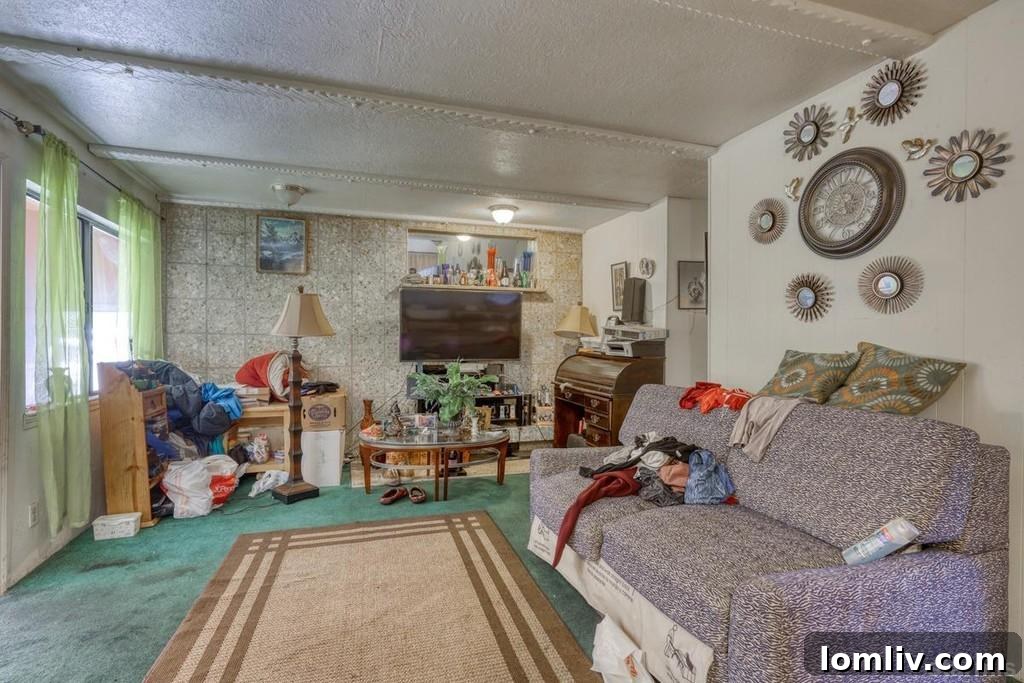
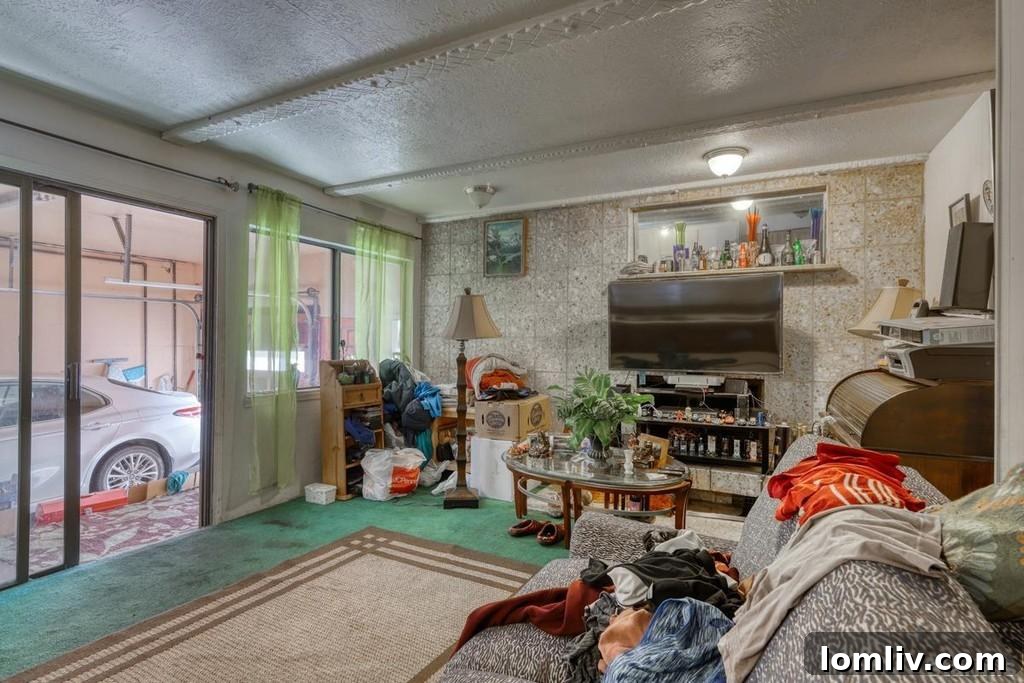
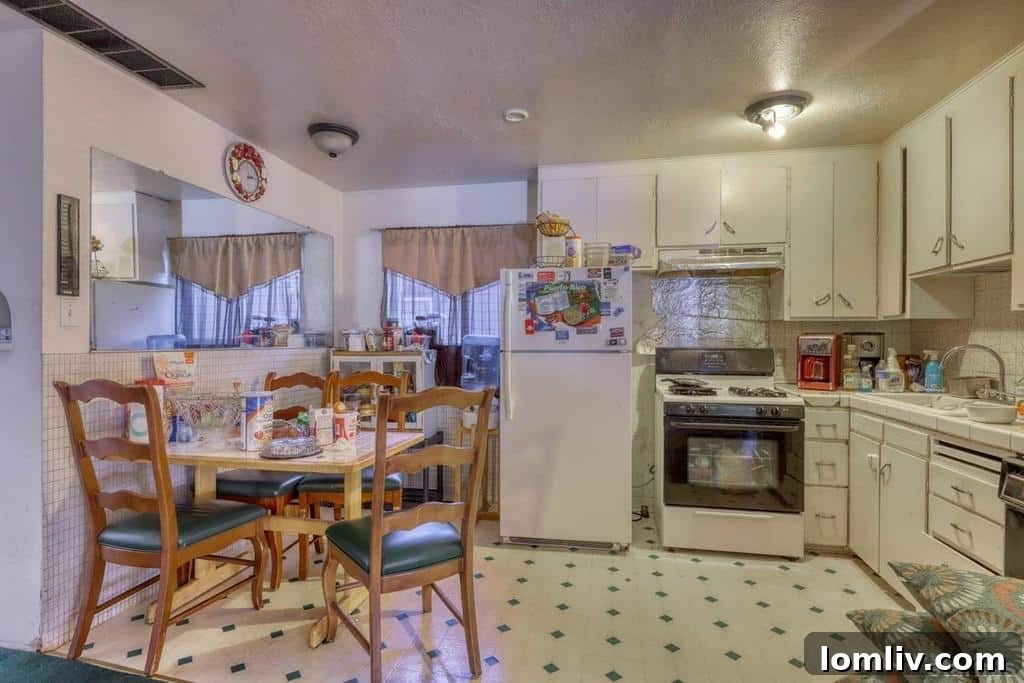
The impact of such imagery on a buyer is overwhelmingly negative. When spaces are cluttered, uncleaned, or sparsely furnished in an unappealing way, it becomes incredibly difficult for potential purchasers to envision the property as their future home or a lucrative investment. Instead, their minds are often filled with concerns about the amount of work required, the potential hidden issues, and the overall cleanliness or maintenance history of the property. This visual neglect can directly translate into lower offers or, worse, a complete lack of interest, regardless of the property’s inherent value or prime location. Even for an “as-is” sale, a clean, decluttered, and well-lit space can make a world of difference in perception.
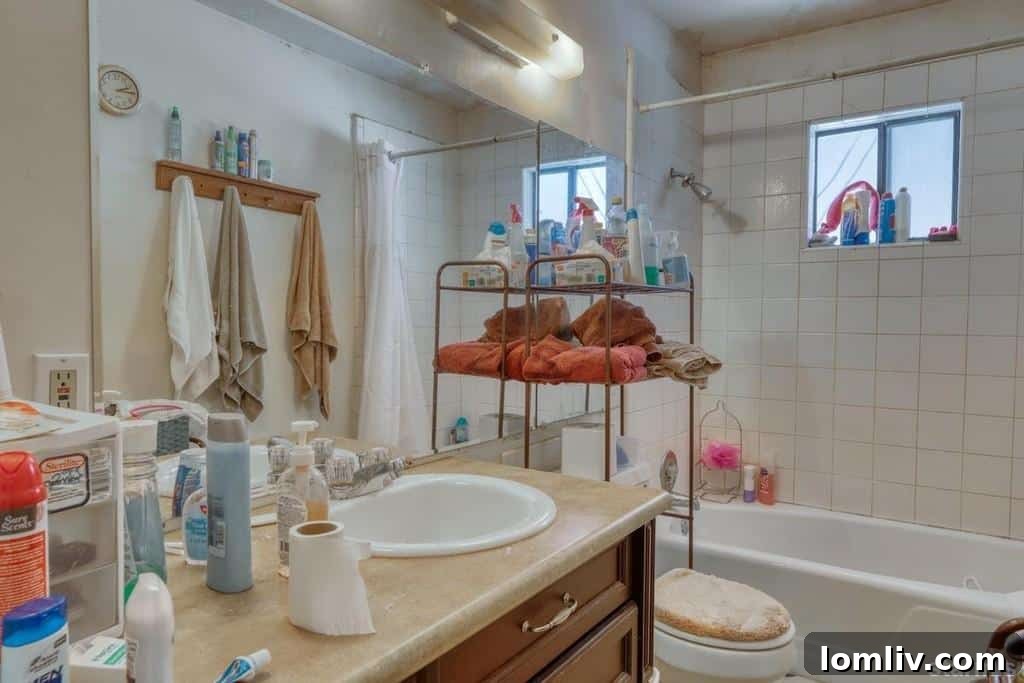
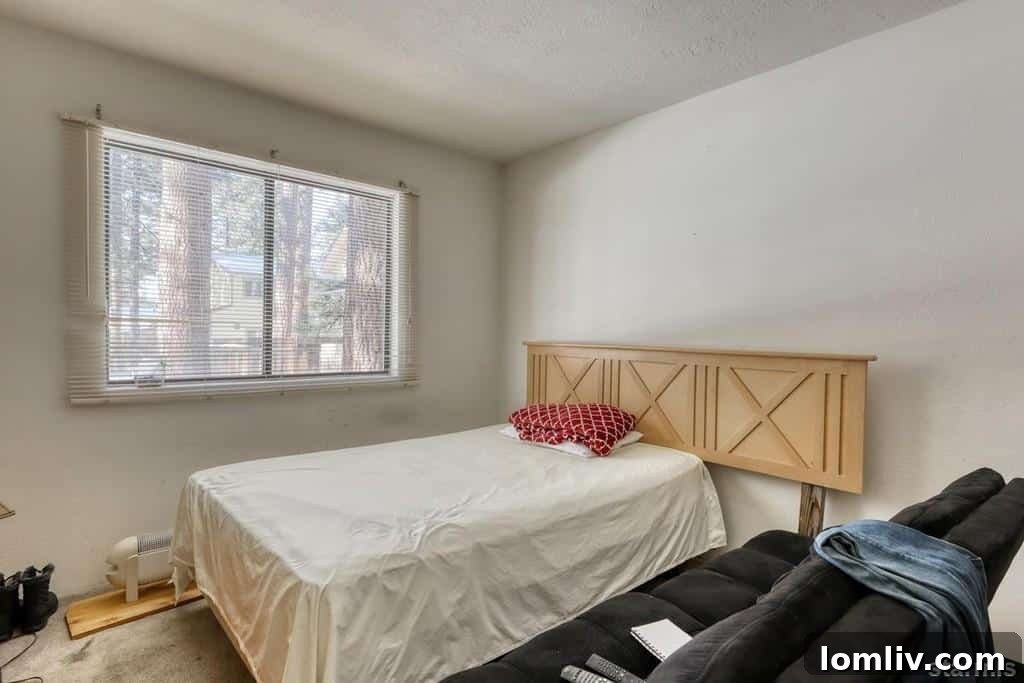
The absence of thoughtful staging here is a missed opportunity to showcase the duplex’s potential. A professional real estate photographer would typically advise sellers to undertake basic preparations: cleaning, removing personal items, and ensuring all light sources are functioning. Even an empty space can be made to look inviting with good lighting and wide-angle shots that emphasize its dimensions. The current images, however, unintentionally highlight disarray and create an impression of neglect, which is a significant hurdle for any listing, especially one marketed for its income potential.
The Over-Staged: When Mannequins Take Over
Just when one might conclude that the lack of staging in the first unit was the property’s main visual challenge, the second half of the listing photos introduces an entirely different, and arguably more perplexing, staging strategy. This approach is not merely “staged” but features a bizarre and extensive use of mannequins throughout the living spaces. It’s a bold, unconventional choice that undeniably captures attention, but for all the wrong reasons.

The intention behind such an extreme staging choice is unclear. Perhaps it was an attempt to inject personality, humor, or simply to differentiate the listing. However, the overwhelming presence of motionless figures tends to create an unsettling, almost eerie atmosphere rather than a welcoming one. Instead of helping buyers visualize themselves in the home, these mannequins become a significant distraction, drawing focus away from the property’s architectural features, layout, and overall potential.


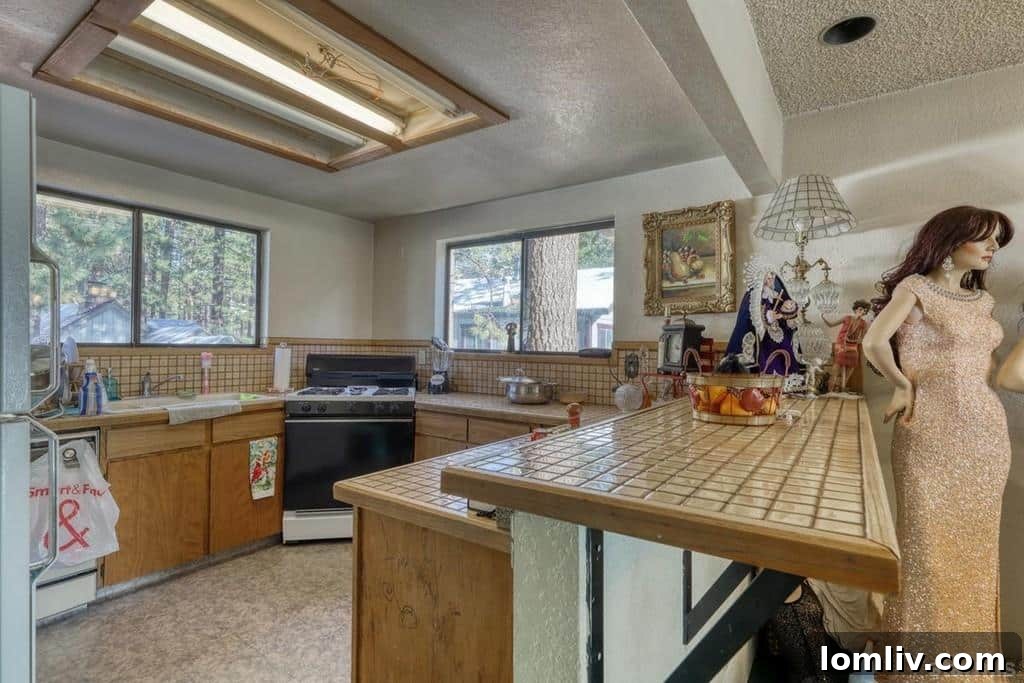


The key to successful staging is creating a neutral, aspirational environment that allows the buyer to project their own lifestyle onto the space. Mannequins, by their very nature, are highly personal and often perceived as strange or even creepy. They fail to achieve the goal of depersonalization, instead introducing an unexpected and idiosyncratic element that overshadows everything else. One can only wonder about the story behind these silent inhabitants: Are they permanent fixtures? A last-ditch effort by tenants after receiving an eviction notice? The mind races with questions, diverting attention from the property’s actual features and potential.
The Psychology of Real Estate Photography and First Impressions
In the digital age, real estate photography serves as the ultimate gatekeeper. The vast majority of potential buyers begin their home search online, scrolling through dozens, if not hundreds, of listings. Professional, high-quality photographs are no longer a luxury but a necessity for making a strong first impression. Images that are poorly lit, cluttered, feature strange elements, or simply fail to showcase a property’s best assets can lead to an instant “swipe left” from prospective buyers. This South Lake Tahoe duplex, with its dual staging dilemmas, perfectly encapsulates the perils of ineffective visual marketing.
The “unstaged” unit struggles to convey value, suggesting a property that might require extensive work, thereby attracting only bargain hunters. The “mannequin-staged” unit, while memorable, achieves this notoriety at the expense of genuine buyer appeal. Instead of seeing a potential home or a solid investment, buyers are likely to remember “the house with the mannequins,” an association that may hinder serious consideration. Both scenarios illustrate a fundamental breakdown in understanding how visual presentation influences buyer perception and decision-making.

Best Practices for Effective Home Staging and Marketing
So, what can be learned from this unique listing? The importance of professional, thoughtful home staging and photography cannot be overstated, even for properties sold “as-is” or those with clear income potential. Here are some best practices that could have transformed this South Lake Tahoe duplex into a far more appealing prospect:
- Declutter and Depersonalize: Remove excessive personal items, family photos, and general clutter. This allows buyers to visualize their own belongings and style in the space.
- Thorough Cleaning: A sparkling clean home signals good maintenance and care, regardless of its age or condition.
- Neutral Color Palette: Repaint walls in neutral tones (grays, whites, beiges) to broaden appeal and make rooms appear larger and brighter.
- Strategic Furniture Placement: Arrange furniture to define spaces, improve flow, and highlight architectural features. If a home is vacant, consider renting tasteful, minimalist staging furniture.
- Enhance Lighting: Ensure all lights are working, open blinds and curtains to maximize natural light, and add lamps where needed to create a warm, inviting atmosphere.
- Minor Repairs: Address obvious small repairs like leaky faucets, broken doorknobs, or peeling paint. These seemingly minor issues can create an impression of neglect.
- Professional Photography: Invest in a professional real estate photographer. They know how to capture the best angles, lighting, and features of a home, producing high-quality images that attract online attention.
- Highlight Unique Selling Points: For an income property like this duplex, emphasize its separate entrances, distinct living units, ample parking, and proximity to attractions.
For a duplex with “great income property potential” in a desirable location like South Lake Tahoe, a well-executed staging and marketing strategy could have significantly boosted its appeal, leading to a quicker sale and potentially a higher selling price. Even if a property requires “a little love,” a clean, presentable, and thoughtfully photographed space communicates respect for the buyer and belief in the property’s inherent value. The goal is to minimize distractions and maximize the perceived potential, ensuring that the online impression is as strong and positive as possible.
Conclusion: A Tale of Two Staging Blunders
This South Lake Tahoe duplex offers a compelling, albeit bizarre, look into the critical role of home staging in modern real estate. From the almost complete absence of staging in one unit, suggesting an oversight or indifference, to the startling inclusion of mannequins in the other, which created an undeniably unsettling and distracting environment, this property serves as a powerful reminder of how NOT to present a home for sale. The contrasting approaches, while individually problematic, collectively underscore the deep impact visual presentation has on a property’s marketability.
Ultimately, a successful real estate listing is about selling a dream, an opportunity, or a lifestyle. Whether it’s a family home or an income-generating duplex, the images presented online are the first, and often only, chance to capture a buyer’s imagination. This case demonstrates that whether a listing is under-staged or over-staged in an unconventional manner, the outcome can be the same: a missed opportunity to connect with serious buyers and achieve the property’s full market potential. Learning from such extreme examples helps reinforce the foundational principles of effective real estate marketing: clarity, appeal, and professionalism.
To view the full listing and experience this unique property firsthand, you can click here. We encourage you to reflect on these images and consider the profound impact that staging, or the lack thereof, can have on a property’s journey from listing to sale.