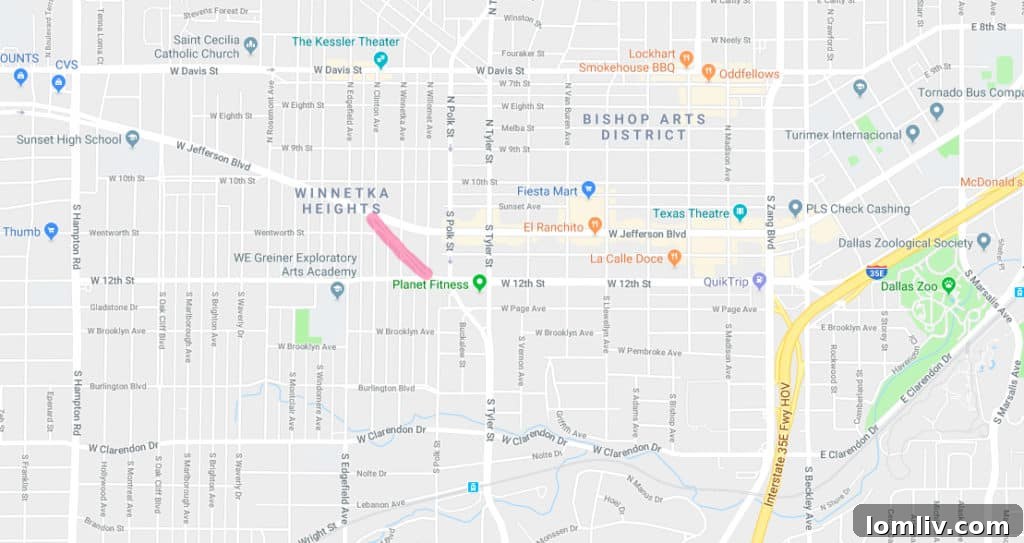
In a landmark decision that promises to reshape the urban landscape of North Oak Cliff, the historic Winnetka Heights neighborhood recently celebrated a monumental victory at Dallas City Hall. After decades of tireless advocacy, the city’s thoroughfare plan was officially amended to facilitate the permanent removal of the intrusive 12th Street Connector. This pivotal change is set to mend the fabric of the neighborhood, integrating formerly divided areas with vibrant parks and inviting open spaces, thereby enhancing community connectivity and quality of life. For residents, many of whom have championed this cause for over 40 years, this represents a dream realized – a testament to the enduring power of grassroots activism and the collective will of a community.
The 12th Street Connector, a six-lane thoroughfare installed in 1967, stands as a relic of a past urban planning philosophy that prioritized vehicular traffic above neighborhood cohesion. Born in an era when cars began to dominate American cities, it was designed to funnel northbound traffic efficiently from the Tyler and Polk Street one-way couplet directly to West Jefferson Road, bypassing the bustling Jefferson Street commercial core. While it initially served the practical purpose of improving traffic flow and, crucially, allowing first responders stationed at Polk and 12th streets quicker access to the northern parts of the neighborhood, its benefits came at a significant cost. The connector physically severed Winnetka Heights, creating an unwelcome barrier that fragmented the community, diminished pedestrian safety, and detracted from the historic character of the area.
The journey to this transformative outcome gained significant momentum with the election of Dallas City Council member and former mayoral hopeful Scott Griggs to the District 1 seat in 2011. Griggs’ deep understanding and embrace of “new urbanism” principles—a planning movement that advocates for walkable, mixed-use neighborhoods with a strong sense of place—proved to be a crucial turning point. Lee Ruiz, president of the Winnetka Heights Neighborhood Association, articulates the sentiment perfectly, stating, “The project got legs when Scott joined council. He understands the new urbanist feel of how neighborhoods should be.” This alignment between the community’s long-held vision and a sympathetic city leader created the necessary political will to propel the project forward from concept to actionable plan.
The seeds of this advocacy were sown much earlier, with conversations between Winnetka Heights residents and City of Dallas staff and elected officials dating back to 1981, the very year the neighborhood association was formally established. At that time, initial efforts focused on dedicating the area as a Conservation District, a move designed to preserve its unique architectural heritage and community character. Even then, the 12th Street Connector was identified as a significant impediment to achieving true neighborhood integrity. However, despite these early discussions and persistent lobbying, the removal of the connector remained a low priority for the city for many years. Undeterred, the community continued its unwavering fight, demonstrating a profound commitment to their vision. As Ruiz aptly puts it, “Our neighborhood is known for its tenaciousness.”
A crucial precursor to the connector’s removal was the successful 2016 Tyler-Polk two-way conversion project. This initiative proved that reconfiguring existing thoroughfares could enhance accessibility, including for first responders, without requiring disruptive highway-like connectors. Building on this success, funding for the 12th Street Connector project was strategically prioritized in the city’s 2017 bond program. By 2018, a contract was sent to bid, ultimately executed by the City Council in December with IEA, Inc. and Urban Engineers Group, focusing on comprehensive streetscape and urban design. This formalized commitment marked a new chapter, with physical work officially commencing this month.
A significant factor in ensuring the project’s success and its alignment with community aspirations was the strategic inclusion of a landscape architect on the design team. This decision underscored the city’s commitment to not just removing infrastructure but transforming the reclaimed space into truly meaningful community assets. Renowned Oak Cliff local celebrity designer Kevin Sloan of Kevin Sloan Studios was selected for this critical role. His expertise will be vital in crafting nuanced and creative solutions that achieve the neighbors’ vision for integrated green spaces, pedestrian pathways, and community gathering areas. The thoroughfare plan amendment on Wednesday was the final, official step, cementing the project’s legal standing and paving the way for its full implementation.
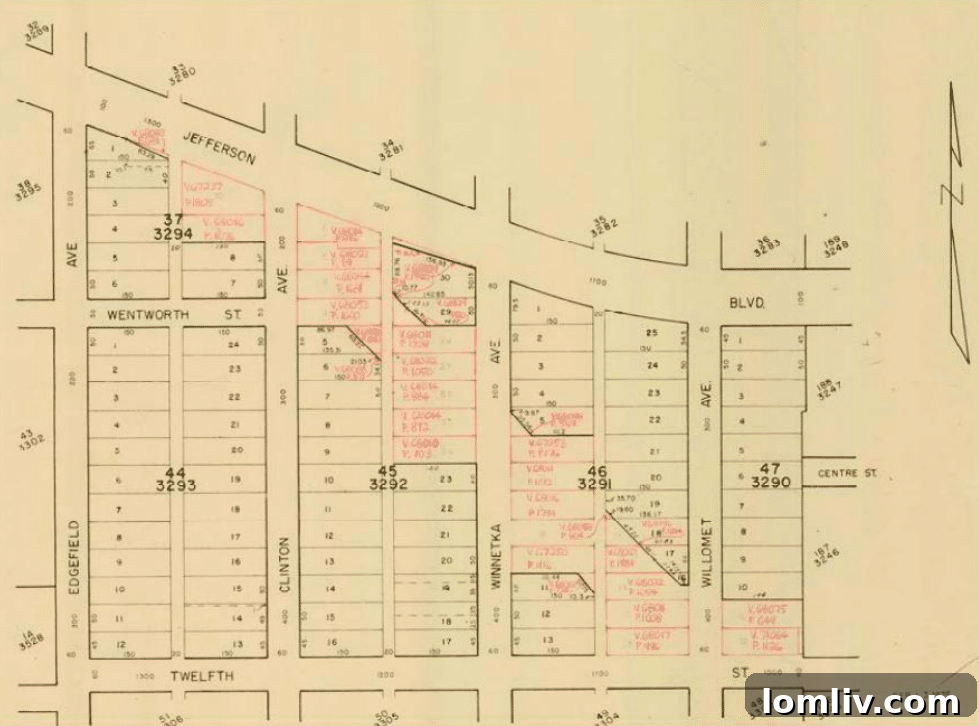
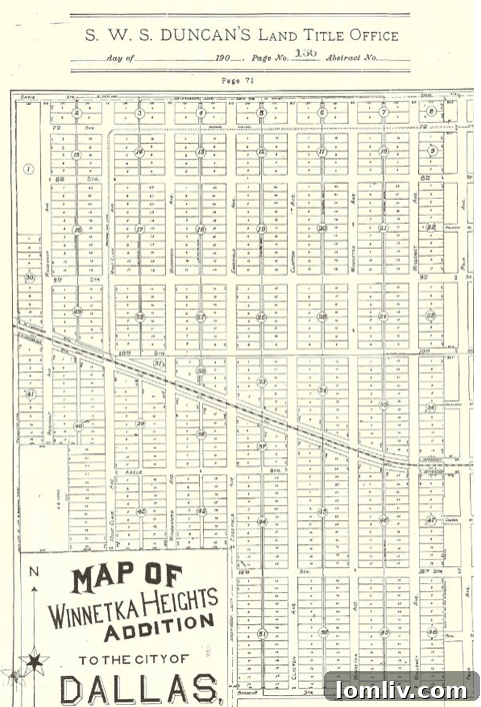
The saga of preservation in Winnetka Heights is deeply rooted, tracing back to pioneers like Mary Griffith, who began advocating for the neighborhood’s integrity in 1972. When Realtor Diane Sherman moved to Winnetta Heights in 1979, achieving historic district designation became a central goal. The rigorous nomination process, which included a comprehensive survey of the neighborhood, starkly highlighted the 12th Street Connector as “the single most intrusive change” inflicted upon Winnetka Heights. This sentiment was echoed decades later when the neighborhood was considered for National Historic Designation, reinforcing the connector’s status as the primary detractor from the area’s historical authenticity and charm. Its removal is not merely an urban renewal project; it is an act of historical reclamation.
Diane Sherman, a veteran of community activism, draws parallels to past successes, reminding residents of their collective power. “We did this once before,” she recalls, referencing a significant change to the thoroughfare plan in the 1980s. “Edgefield was scheduled to be a secondary thoroughfare, and we changed it to a Neighborhood Collector, so it’s designed to funnel traffic; it doesn’t speed it up.” This historical precedent serves as a powerful reminder that city plans are not immutable and can be reshaped through sustained community effort and strategic advocacy. The current project to remove the 12th Street Connector is also drawing inspiration from more recent local triumphs, such as the road closure at Davis and Rosemont, where a small connector street was successfully transformed into a vibrant, on-street neighborhood park. Sherman describes this project as “a stepping stone to this project,” illustrating a proven model for converting redundant roadways into cherished public spaces.
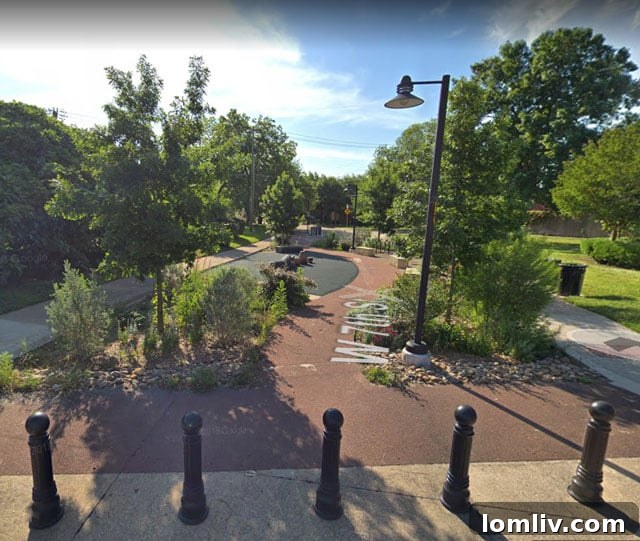
The overarching vision for this transformative project extends beyond simple infrastructure removal; it’s about profoundly enhancing the very essence of community living. Nick Dean, a local architect actively involved in this recent change, encapsulates this aspiration: “It’s about neighborhood tranquility, neighborhood reclamation and so many things. A better stronger connector with nature.” The removal of the bustling six-lane connector will dramatically reduce noise pollution, improve air quality, and create safer, more enjoyable streets for pedestrians and cyclists. It represents a powerful act of reclaiming urban space for its residents, fostering a sense of peace and belonging that has been absent for too long. The project embodies a forward-thinking approach to urban design, prioritizing human scale and environmental integration over automotive dominance, thereby creating a stronger, healthier, and more connected community.
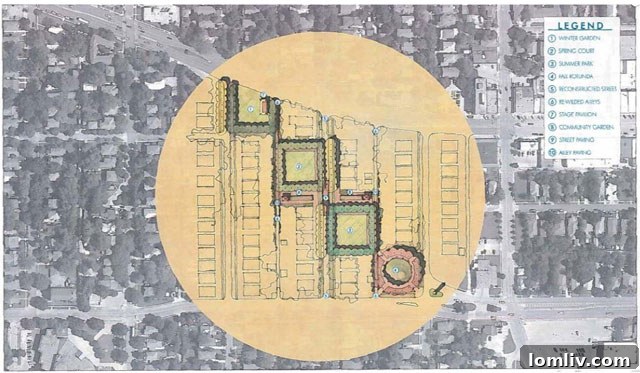
The scope of work for the 12th Street Connector project is comprehensive and ambitious, designed to maximize the benefits for Winnetka Heights and North Oak Cliff. It includes the complete removal of the existing six-lane connector, which will open up a substantial amount of urban land. Following this, a meticulous restoration of the original grid of residential streets will commence, reconnecting once-divided blocks and re-establishing the historic street pattern that defines the neighborhood. Alongside this, vital city-owned utilities, including water and wastewater mains and the drainage system, will be upgraded and integrated into the new layout. Most excitingly, the newly created open spaces will be transformed into a chain of beautifully landscaped public areas or “pocket parks.” These green oases will feature amenities such as comfortable benches, enhanced walkways for leisurely strolls, and strategically placed plantings, creating inviting spaces for recreation, relaxation, and community gathering. The vision is to transform a barrier into a series of vibrant, pedestrian-friendly hubs that seamlessly weave the neighborhood back together, fostering social interaction and a deeper connection to nature right within the urban environment.
Next Steps: A Vision Unfolding
- Project Kick-off and Design Phase: The ambitious project is officially slated to enter its intensive design phase at the beginning of February. This period will involve detailed planning, preliminary engineering, and architectural conceptualization to translate the community’s vision into actionable blueprints.
- Surveying and Conceptual Design: Over the first three months, extensive surveying will be conducted to gather precise data on existing conditions. Concurrently, conceptual designs will be developed, exploring various options for the layout of new streets, green spaces, and community amenities. This phase will involve iterative design processes, incorporating initial ideas and structural considerations.
- Public and Stakeholder Engagement: In April and May of 2019, a series of crucial public meetings will be scheduled. These gatherings will bring together the wider community and key Winnetka Heights stakeholders to provide updates on the project’s status, present conceptual plans, and most importantly, gather invaluable input from those who will directly benefit from and shape the new urban environment. This will mark the first of two or three public forums designed to ensure a collaborative and inclusive design process.
- Design Completion and Construction Bid: The design phase is targeted for completion by the end of 2019. Upon finalization, the project will move into the bidding process, with contracts expected to be awarded for construction in the Spring of 2020. This step is critical for selecting qualified contractors who can bring the meticulously planned designs to life.
- Construction and Completion: Construction is anticipated to commence in mid-2020 and is projected to span approximately one year, concluding by mid-2021. This period will see the physical transformation of the former connector site into vibrant new streets, public parks, and integrated community spaces, marking the culmination of decades of effort.
The removal of the 12th Street Connector in Winnetka Heights stands as a profound testament to the power of community, persistence, and visionary urban planning. This decades-long struggle, culminating in the recent amendment to Dallas’ thoroughfare plan, is more than just an infrastructure project; it’s a powerful act of neighborhood reclamation. By replacing a divisive six-lane thoroughfare with a network of interconnected streets and lush public parks, Winnetka Heights is set to restore its historic integrity, enhance pedestrian safety, and foster a stronger sense of community. This victory in North Oak Cliff serves as an inspiring blueprint for other urban areas seeking to prioritize people over vehicles, creating more livable, sustainable, and connected cities for future generations. The journey has been long, but the promise of a tranquil, vibrant, and unified Winnetta Heights is now beautifully within reach.