The allure of a do-it-yourself (DIY) project is undeniable. The promise of saving money, the satisfaction of personal accomplishment, and the creative freedom often draw homeowners into tackling renovations and repairs themselves. However, the line between a successful DIY endeavor and a catastrophic “DIY Fail” can be surprisingly thin. What starts as an ambitious project can quickly unravel into a costly, dangerous, and often comical mishap if not approached with proper knowledge, tools, and respect for the craft. From minor aesthetic blunders to significant structural and safety hazards, poorly executed DIY jobs are more common than one might think.
In this article, we’re diving headfirst into the world of DIY gone wrong, showcasing some epic examples of home repair blunders that serve as cautionary tales. These aren’t just minor inconveniences; they represent significant risks to property value, safety, and peace of mind. Let’s explore these common pitfalls and understand why some jobs are simply best left to the professionals, emphasizing the critical importance of a thorough home inspection, especially when purchasing a property that has undergone recent renovations or a quick flip.
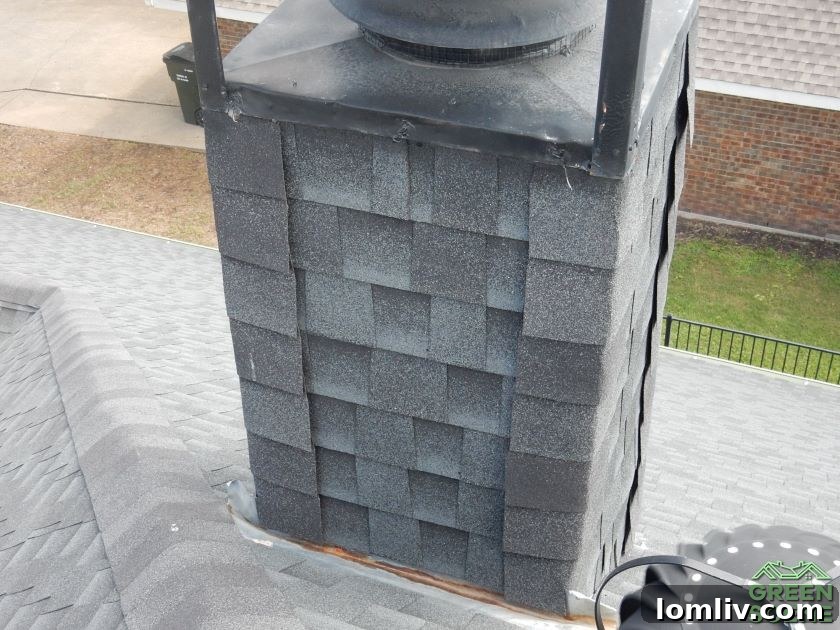
What Should I Do With These Extra Shingles? Improper Roofing Red Flags
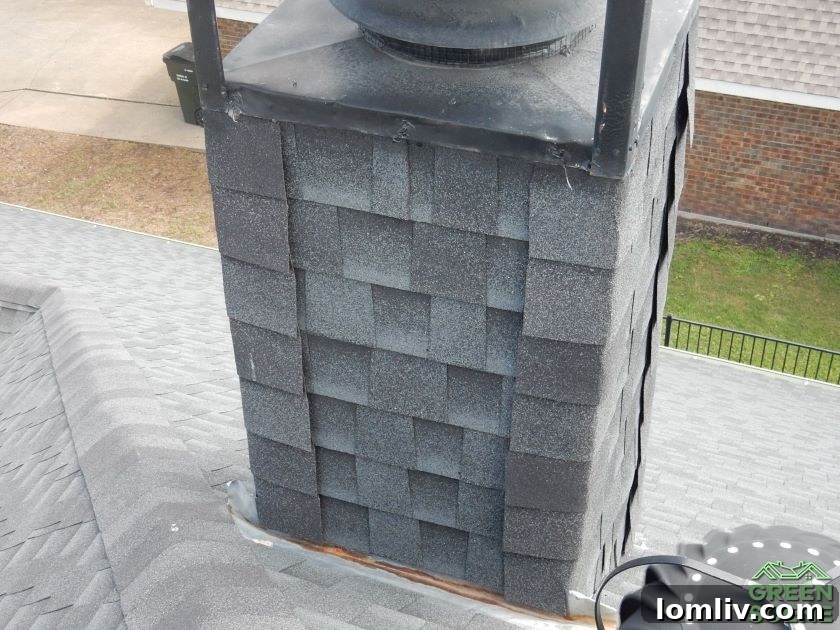
It seems logical, in a twisted DIY way, not to waste any materials. But when those “extra shingles” end up haphazardly applied, perhaps even on a chimney, it’s a glaring red flag for a DIY roofing job gone awry. Professional roofing is a precise craft, demanding specialized knowledge and experience to ensure the structural integrity and weather resistance of your home. The sight of shingles applied directly to a chimney stack is a prime example of amateur error; chimneys require specialized flashing to prevent water intrusion, not shingles. Shingles on the chimney indicate a complete misunderstanding of roofing principles, often leading to leaks, rot, and extensive damage over time.
Another tell-tale sign of a DIY roofing disaster is the presence of multiple layers of shingles applied over existing ones. While it might seem like a shortcut, adding a second or third layer without removing the old ones is problematic. It adds excessive weight to the roof structure, which can compromise its integrity, especially in areas prone to heavy snow or high winds. Furthermore, these additional layers can trap moisture, accelerate deterioration of the underlying structure, and often void manufacturer warranties for new shingles. Proper roofing involves stripping down to the roof deck, inspecting for damage, installing new underlayment, and then meticulously laying down new shingles with proper fasteners and flashing techniques. This meticulous process ensures long-term protection and prevents costly repairs down the line. To learn more about common roofing issues and adjuster claims, you can find valuable information on additional layers of shingles and how to handle hail damage.
AC Oversight: The Critical Role of HVAC Airflow
Your home’s heating, ventilation, and air conditioning (HVAC) system is a complex network designed to maintain optimal indoor climate control. It operates on a fundamental principle: air circulation. Air is drawn from your home through return air vents, cooled or heated by the HVAC unit, and then distributed back into your living spaces through supply vents. This continuous flow is essential for efficient operation, comfort, and the longevity of the system. This Facebook video vividly illustrates a common yet critical DIY fail: blocking the return air. When the return air intake is obstructed, the unit cannot draw in enough air to cool or heat, leading to a cascade of problems.
An HVAC system deprived of adequate return air will struggle. It will overwork, constantly trying to reach the thermostat setting without success. This can lead to the evaporator coil freezing up in AC units, dramatically reducing cooling capacity and potentially damaging internal components like the compressor. In the long run, this inefficiency translates to significantly higher energy bills, frequent breakdowns, and a shortened lifespan for the entire HVAC system. Moreover, improper airflow can create uneven temperatures throughout the home, leading to uncomfortable hot and cold spots. HVAC systems involve intricate electrical wiring, refrigerant lines, and precise calibration, all of which require specialized training and certification. Attempting to DIY these systems without the necessary expertise is not only ineffective but can also be dangerous. This is particularly relevant when dealing with “flippers” – individuals who renovate homes quickly for resale. Without proper oversight, they may cut corners on critical systems like HVAC, leading to hidden issues that new homeowners discover only after purchase.
A Little Tape Should Fix That: When “Temporary” Becomes Dangerous
@greenscenehome When it’s time to give up and just buy a new ladder. #homeinspectionfinds askahomeinspector #homeinspection DIYfail #tape #dangerous #dallasrealestate #badidea
♬ original sound – Green Scene Home Inspections – Green Scene Home Inspections
The sentiment of “a little tape should fix that” resonates with many DIY enthusiasts hoping for a quick, cheap solution. While we’ve all been tempted to use a bit of duct tape or electrical tape for a temporary patch, some situations absolutely demand a proper repair or replacement. The embedded TikTok post, featuring a ladder held together by tape, serves as a chilling reminder of the dangers of this mindset. A compromised ladder is not just an inconvenience; it’s a serious fall hazard waiting to cause grievous injury or worse. At some point, logic must prevail, and it becomes clear that safety necessitates investing in new equipment.
This “tape it up” mentality extends to other critical home components, often with far more serious consequences. Using electrical tape on frayed wiring, for instance, is an open invitation for short circuits and house fires. Duct tape on a leaking pipe might offer a momentary reprieve, but it will eventually fail, leading to significant water damage and potential mold growth. These quick fixes are never permanent solutions and frequently disguise bigger, underlying problems that will only become more expensive and difficult to remedy in the future. Prioritizing genuine repairs and replacements over temporary patches is crucial for ensuring the long-term safety and integrity of your home. It’s a testament to the fact that sometimes, the true cost of a shortcut far outweighs the savings.
Hot is Cold, Cold is Hot: The Perils of Reversed Plumbing
One of the more disorienting and potentially dangerous DIY plumbing fails is the hot and cold water reversal. Imagine turning on the “cold” tap only to be met with scalding water, or expecting hot water and receiving a frigid blast. While a simple faucet reversal might be an easy fix, the scenario described in the Instagram reel – where both the sink and toilet experience this issue – points to a much deeper problem. This isn’t just an inconvenience; it can pose significant safety risks, particularly for children, the elderly, or individuals with limited mobility who might not react quickly enough to avoid burns.
A widespread hot/cold reversal suggests that the pipes themselves have been improperly installed or connected, either within the walls, under the floors, or incorrectly plumbed at the water heater. Fixing such an issue often requires opening up walls or accessing crawl spaces, a task far beyond the scope of basic DIY. Furthermore, incorrect plumbing can lead to other serious issues, such as cross-contamination between potable and non-potable water lines, or even backflow, which can introduce contaminants into your drinking water supply. Licensed plumbers understand complex piping systems, pressure regulation, water codes, and safety standards. They ensure that water flows correctly, at the right temperature, and without posing health hazards. Trusting these critical systems to anyone without professional training is a gamble that rarely pays off.
The Hidden Dangers of DIY Electrical Work
Of all the home systems, electricity is perhaps the least forgiving of amateur mistakes. Unlike a leaky faucet that gives visual cues, electrical faults can be silent killers, often leading to devastating fires or life-threatening electrocution. Common DIY electrical fails include using the wrong gauge wire for a circuit, improper grounding, overloading circuits with too many outlets or fixtures, and exposed wiring. Many DIYers might not understand the intricacies of amperage, voltage, or the importance of components like Ground Fault Circuit Interrupters (GFCIs) in wet areas and Arc Fault Circuit Interrupters (AFCIs) in bedrooms, which are designed to prevent fires.
The consequences of shoddy electrical work are severe. Incorrect wiring can cause appliances to malfunction, create fire hazards due to overheating wires, and pose a direct risk of electric shock to anyone in the household. Furthermore, unpermitted or improperly done electrical work can significantly devalue your home and make it difficult to sell. Insurance companies may also refuse to cover damages resulting from non-code-compliant electrical installations. Licensed electricians undergo extensive training, adhere to strict safety protocols, and are well-versed in local electrical codes. They ensure that your home’s electrical system is safe, efficient, and up to standard, protecting your property and loved ones from invisible dangers.
Structural Snafus: When DIY Undermines Integrity
Homeowners often dream of open-concept living spaces, which can lead to the ambitious (and sometimes reckless) decision to remove walls. However, not all walls are created equal. Removing a load-bearing wall without proper structural support can lead to sagging floors, cracked ceilings, and, in extreme cases, partial or total structural collapse. This is one of the most dangerous DIY fails, as it directly impacts the fundamental integrity and safety of the entire dwelling.
Other structural DIY blunders include improperly constructed decks that can collapse under weight, poorly reinforced foundations that lead to shifting and cracking, or even incorrectly installed windows and doors that compromise the surrounding framing and invite water intrusion. These types of projects require not only specialized construction knowledge but often the expertise of a structural engineer to assess loads and design appropriate support systems. Permitting is almost always required for structural changes, ensuring that the work is inspected and meets safety codes. Attempting to DIY structural work without this level of expertise is a perilous undertaking, potentially turning your dream home into a nightmare of instability and exorbitant repair costs that far outweigh any initial savings.
Beyond the Surface: Cosmetic DIY Fails with Deep Roots
While less immediately dangerous than electrical or structural errors, cosmetic DIY fails can still hide significant underlying problems and lead to recurring expenses. For example, painting over mold without addressing the moisture source will only mask the problem temporarily; the mold will inevitably return, potentially spreading and posing health risks. Similarly, improper tiling can lead to uneven surfaces, cracked grout, and, more seriously, water seeping into walls and floors, causing rot and further mold growth.
Shoddy drywall work can result in visible seams, cracks, and uneven textures that detract from a room’s aesthetic appeal and lower property value. Attempting to cover up water stains or damaged areas with paint or superficial patches without first identifying and repairing the leak source is another common mistake. These cosmetic fixes are often short-sighted, leading to wasted time and materials when the underlying issue eventually resurfaces. Proper renovation demands thorough preparation, identification of root causes, and meticulous execution to ensure that both the aesthetics and the functionality of the home are sound and long-lasting.
Understanding the “Flipper” Phenomenon and Its Impact
The term “flipper” often refers to individuals or companies that buy properties, perform quick renovations, and then sell them for a profit. While some flippers operate with integrity, many are known for cutting corners to maximize their profit margins. As mentioned with HVAC systems, this often means employing the cheapest labor, using substandard materials, or skipping crucial steps like obtaining permits and professional inspections. The goal is to make the property look good on the surface, without necessarily addressing deeper, more expensive issues.
For potential homebuyers, this can be a significant trap. A freshly painted wall might hide cracks from a settling foundation, new flooring might cover up water damage, and updated fixtures might disguise outdated and unsafe electrical wiring. These hidden defects become the new homeowner’s problem, leading to unexpected repair costs, safety hazards, and immense frustration. This makes the home inspection process even more critical when purchasing a recently “flipped” home. A knowledgeable home inspector can often spot the signs of rushed or shoddy workmanship that a casual observer might miss, providing crucial insights into the true condition of the property.
When to DIY and When to Call a Professional
The line between a rewarding DIY project and a regrettable DIY fail often comes down to a simple question: Do you truly have the necessary knowledge, tools, and experience? While small, cosmetic tasks like painting a single room (with proper prep), minor landscaping, or assembling flat-pack furniture are generally safe and satisfying DIY endeavors, more complex projects demand professional expertise. Anything involving your home’s critical systems – plumbing, electrical, HVAC, roofing, gas lines, or structural components – should almost always be entrusted to licensed and insured professionals. These jobs not only require specialized skills and tools but are also often subject to local building codes and permitting requirements, which professionals are equipped to handle.
Don’t gamble with your home’s integrity or your family’s safety. The initial cost savings of a DIY attempt often pale in comparison to the expenses incurred from fixing a botched job, not to mention the potential for injury or property damage. Before embarking on any significant home project, objectively assess your skills, research thoroughly, and, when in doubt, consult with or hire a qualified professional. And when you’re purchasing a home that has had recent renovations or has been flipped, make sure you have a comprehensive home inspection conducted by a reputable expert. Catching shoddy workmanship before the sale gives you the leverage to negotiate repairs or reassess your purchase, saving you from inheriting someone else’s DIY disaster.