Navigating the Mortgage Market: Unpacking Fed Decisions, Inflation, and Your Home Loan
The landscape of the mortgage market is constantly shifting, influenced by a complex web of economic indicators and Federal Reserve policy decisions. For anyone involved in real estate, whether buying a first home, refinancing, or investing, staying informed is not just beneficial—it’s essential. As we highlighted in last week’s Mortgage Report, significant news was on the horizon, poised to create ripples across the bond market and, by extension, affect mortgage rates. Key among these indicators were the Personal Consumption Expenditures (PCE) report, the Federal Reserve’s preferred measure of inflation, and the eagerly anticipated comments from Fed Chairman Jerome Powell.
Understanding these critical economic signals is paramount, as they often dictate the direction of interest rates, which directly impacts the cost of borrowing for homeowners and aspiring buyers alike. A slight shift in the Fed’s stance or an unexpected inflation reading can lead to notable fluctuations in the bond market, directly influencing the attractiveness and affordability of home loans.
The Bond Market Reacts: Expert Insights from Bob Johnson (BobMortgage)
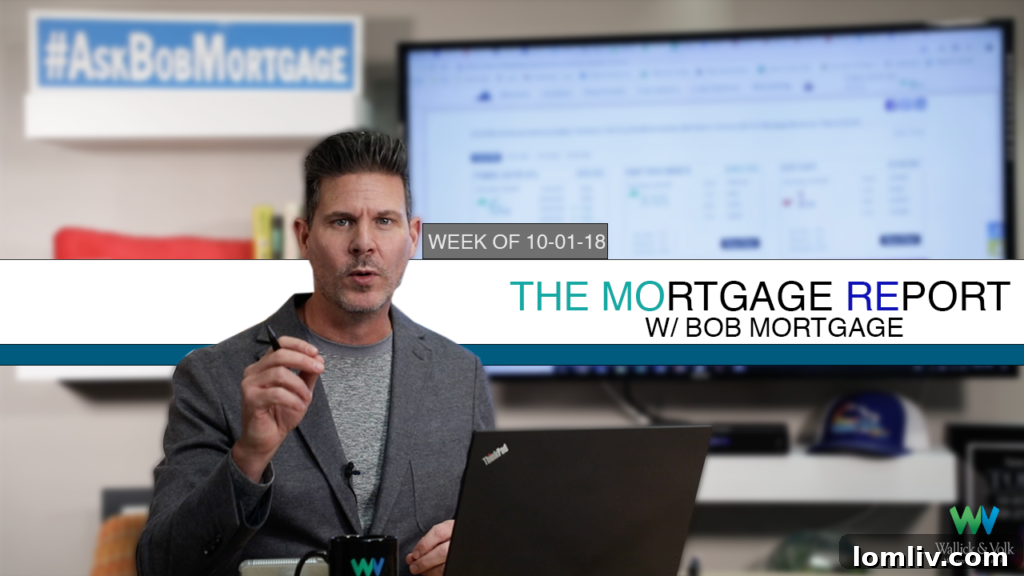
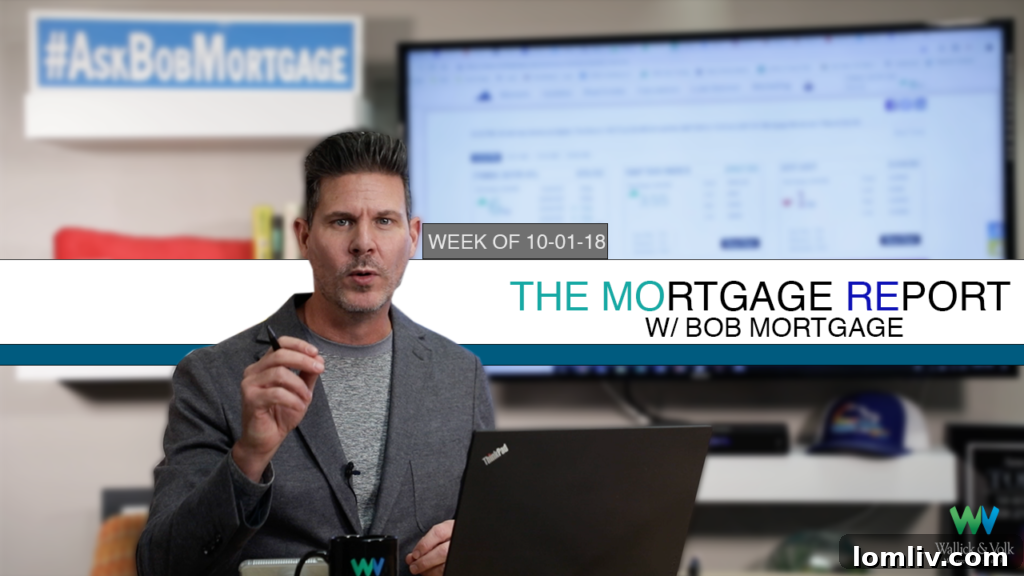
True to expert predictions, the bond market indeed experienced a noteworthy “run up,” according to none other than Bob Johnson, widely known as BobMortgage. As the senior mortgage adviser at Wallick & Volk, the nation’s oldest private lender, Bob Johnson possesses an unparalleled understanding of market dynamics and their implications for consumers. His insights are a cornerstone of timely and reliable mortgage advice, helping countless individuals navigate the complexities of home financing.
But what exactly does a “bond market run up” signify for you, the homeowner or prospective buyer? Generally, a run up in the bond market implies that bond prices are increasing, which typically leads to a decrease in bond yields. Since mortgage rates often track the yield of the 10-year Treasury bond, a fall in yields can, in many scenarios, translate to a favorable environment for mortgage rates. However, the interplay of various factors makes this relationship nuanced and complex, requiring expert interpretation.
This week marks a special milestone for “The Mortgage Report with BobMortgage” as we celebrate its 75th episode! For over a year, this series has been a consistent source of crucial updates and strategic advice, guiding listeners through volatile market conditions with clarity and confidence. To get the full breakdown of what this week’s economic developments mean for your financial future and homeownership goals, we encourage you to tune into the latest installment of the Mortgage Report with BobMortgage.
Deconstructing the PCE Report: Why It Matters to Your Mortgage
The Personal Consumption Expenditures (PCE) price index is a cornerstone of the Federal Reserve’s economic analysis, often preferred over the more widely known Consumer Price Index (CPI) when assessing inflation. But why does the Fed put so much stock in the PCE, and how does its performance directly influence your mortgage? The PCE typically captures a broader range of goods and services and allows for shifts in consumer behavior—meaning it accounts for consumers substituting cheaper alternatives when prices rise. This makes it a more comprehensive and stable measure of underlying inflation trends in the economy.
A higher-than-expected PCE report signals stronger inflationary pressures, which might prompt the Federal Reserve to adopt a more hawkish stance, potentially leading to interest rate hikes. Conversely, a PCE report indicating cooling inflation could give the Fed more flexibility, possibly leading to a more dovish approach or even rate cuts in the future. These shifts in monetary policy directly impact the federal funds rate, which, while not directly tied to long-term mortgage rates, significantly influences the broader interest rate environment, including the yield on the 10-year Treasury bond that mortgage rates tend to follow.
Therefore, understanding the nuances of the PCE report isn’t just for economists; it’s a vital piece of information for anyone considering a mortgage. It provides a sneak peek into the Fed’s likely actions, allowing you to anticipate potential movements in mortgage rates and plan your home financing strategy accordingly. Bob Johnson consistently monitors these intricate reports, translating complex data into actionable advice for his audience.
Jerome Powell’s Remarks: Shaping Market Sentiment and Mortgage Rates
Beyond economic data, the words of Federal Reserve Chairman Jerome Powell carry immense weight and can single-handedly sway market sentiment. His comments, whether delivered during a press conference, testimony before Congress, or a public address, are scrutinized by investors, analysts, and anyone with a vested interest in the economy. Powell’s communication about the Fed’s economic outlook, inflation targets, and future monetary policy intentions provides critical clues about the trajectory of interest rates.
For example, if Powell signals a commitment to aggressively combat inflation, even if it means raising rates more steeply or maintaining them at higher levels for longer, the market will react by pushing bond yields up, thereby increasing mortgage rates. Conversely, if his remarks suggest that inflation is under control and the economy might be slowing, potentially opening the door for rate cuts, bond yields could fall, leading to a more favorable mortgage rate environment. The market often interprets subtle shifts in his language, making every word a potential indicator of future rate movements.
Bob Johnson emphasizes the importance of paying close attention to these statements, as they often precede or accompany significant market adjustments. His expert analysis in “The Mortgage Report” consistently distills Powell’s complex messages into understandable terms, offering practical guidance on how these pronouncements might impact your ability to buy a home or refinance an existing loan.
The Interplay: Fed Actions, Economic Indicators, and Your Mortgage
The relationship between Federal Reserve policy, economic indicators like the PCE, and mortgage rates is a dynamic and intricate dance. The Fed’s primary tools, such as adjusting the federal funds rate and conducting open market operations, influence short-term interest rates directly. However, long-term mortgage rates are more closely tied to the 10-year Treasury yield, which responds to a wider array of factors, including inflation expectations, economic growth forecasts, and global demand for U.S. debt.
When the Fed takes action to combat inflation—by raising rates, for instance—it increases the cost of borrowing across the economy, pushing up yields on long-term bonds. This typically results in higher mortgage rates. Conversely, when the Fed aims to stimulate economic growth, it might lower rates, making borrowing cheaper and potentially reducing mortgage costs. However, the market’s expectation of future Fed actions can often move rates even before the Fed officially acts. This anticipation is heavily shaped by data like the PCE and statements from Chairman Powell.
For homebuyers, this means that waiting for a definitive Fed announcement might be too late; the market often prices in these changes well in advance. This is where the guidance of an experienced mortgage advisor like Bob Johnson becomes invaluable. He helps clients understand these forward-looking signals, enabling them to make timely decisions, whether it’s locking in a rate, adjusting their budget, or exploring different loan products.
What This Means for Homebuyers and Homeowners
The current economic climate, shaped by inflation data and central bank rhetoric, presents both challenges and opportunities for those in the housing market. For **prospective homebuyers**, understanding the direction of mortgage rates is crucial for budgeting and determining affordability. A downward trend in rates can significantly increase purchasing power, allowing buyers to qualify for larger loans or secure lower monthly payments on the same loan amount. Conversely, rising rates demand a more conservative approach to financing, emphasizing the importance of securing a pre-approval and locking in a rate when conditions are favorable.
For **existing homeowners**, these market movements open doors for potential refinancing. If current rates drop significantly below your existing mortgage rate, refinancing could lead to substantial savings over the life of the loan or a reduction in your monthly payments. Additionally, changes in interest rates can influence the attractiveness of home equity lines of credit (HELOCs) or cash-out refinances, providing flexible options for accessing home equity for renovations, debt consolidation, or other financial needs. However, the decision to refinance should always be carefully considered, taking into account closing costs and the long-term benefits.
In either scenario, the counsel of a seasoned professional like Bob Johnson is indispensable. His team at Wallick & Volk can provide personalized advice, analyze your specific financial situation, and help you navigate the best course of action amidst fluctuating market conditions. Proactive planning and informed decision-making are your strongest allies in today’s dynamic mortgage environment.
The Consistent Value of “The Mortgage Report with BobMortgage”
For 75 episodes, “The Mortgage Report with BobMortgage” has consistently delivered timely, actionable, and expert advice, becoming a trusted resource for countless individuals seeking to understand the mortgage market. In an era of constant information overload, Bob Johnson cuts through the noise, providing clear, concise, and reliable insights that empower both first-time homebuyers and seasoned real estate investors.
The report goes beyond just relaying news; it deciphers the underlying causes and potential consequences of economic events, explaining how they directly translate to your mortgage. From detailing the intricate workings of the Federal Reserve’s monetary policy to analyzing the latest inflation reports and interpreting the bond market’s reaction, BobMortgage ensures that his audience is well-equipped to make intelligent financial decisions. His longevity and the consistent quality of his analysis underscore his deep expertise and commitment to serving the community.
Looking Ahead: What to Watch in the Coming Weeks
The mortgage market is a living entity, constantly evolving with new data and policy shifts. As we move forward, there are several key indicators and events that will continue to shape the trajectory of interest rates. Beyond the PCE and Fed commentary, investors and homebuyers should keep a close eye on upcoming jobs reports, which provide crucial insights into the health of the labor market and its potential impact on inflation. Gross Domestic Product (GDP) reports will also offer a broader picture of economic growth, influencing the Fed’s stance on monetary policy.
Furthermore, geopolitical events and global economic trends can sometimes have unforeseen ripple effects on U.S. bond markets and, consequently, mortgage rates. Staying vigilant and informed about these broader economic currents is vital. Bob Johnson and “The Mortgage Report” will continue to be your guide through these complexities, breaking down upcoming developments and offering strategic advice to help you stay ahead of the curve.
Secure Your Future: Act on Expert Mortgage Advice Today
In conclusion, the recent bond market run-up, influenced by critical inflation data from the PCE report and the insightful comments from Fed Chairman Jerome Powell, underscores the dynamic nature of today’s mortgage landscape. These movements directly impact mortgage rates, presenting both potential savings and challenges for individuals looking to buy a home or refinance.
Navigating these complexities requires more than just general knowledge; it demands expert analysis and personalized guidance. Bob Johnson, AKA BobMortgage, and the dedicated team at Wallick & Volk are your trusted partners in this journey. With their deep understanding of the market and commitment to client success, they empower you to make informed decisions that align with your financial goals.
Don’t leave your homeownership dreams or refinancing opportunities to chance. Take advantage of the comprehensive insights offered in “The Mortgage Report with BobMortgage.” We invite you to watch the latest episode – the celebratory 75th! – to gain a complete understanding of the current market and what it means for you. Connect with Bob Johnson and the experts at Wallick & Volk today to discuss your specific needs and secure your financial future in the housing market.