Casa Linda Plaza: A Story of Community, Conservation, and Renewal in East Dallas
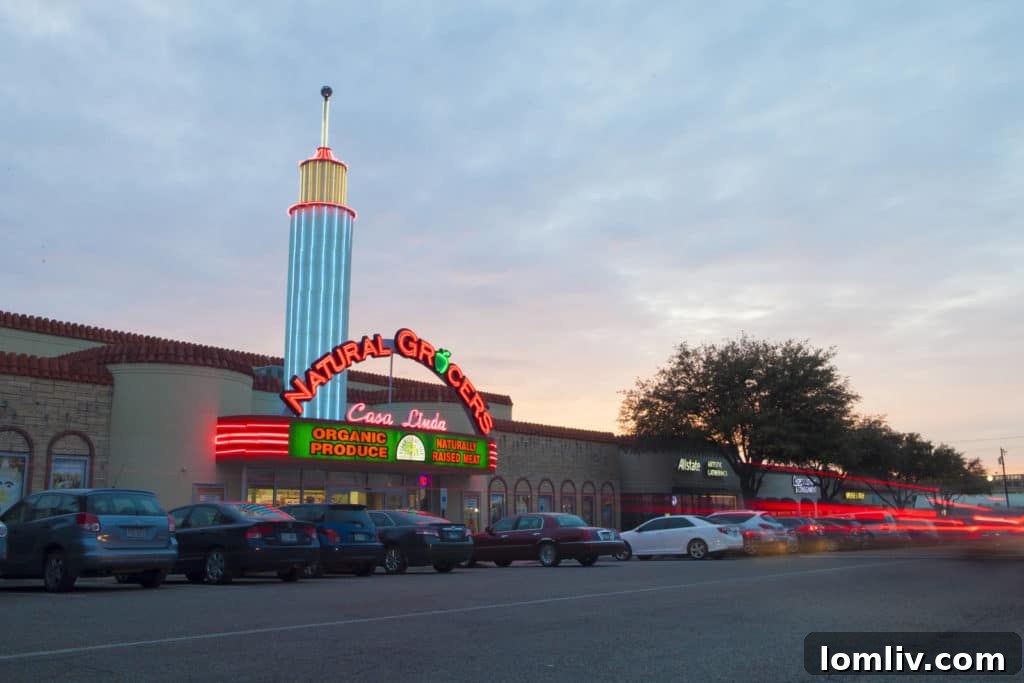
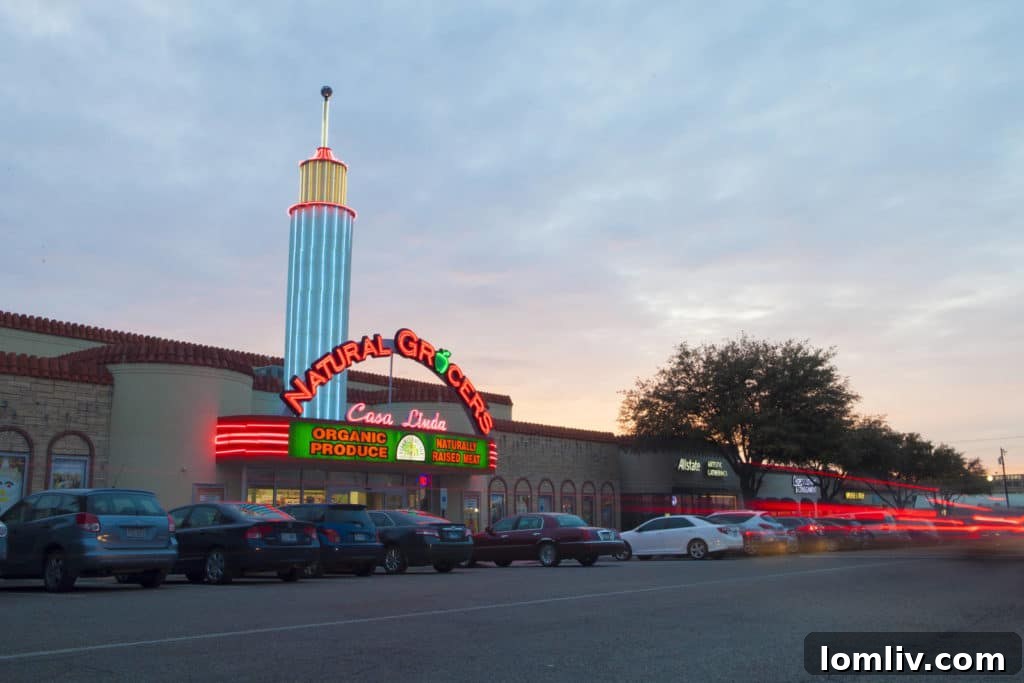
Nestled at the vibrant intersection of Garland Road and Buckner Boulevard, Casa Linda Plaza stands as more than just a retail destination; it is a cherished historical landmark and proudly holds the title of Dallas’s oldest shopping center. Built in 1946, this iconic plaza has woven itself deeply into the fabric of East Dallas, serving as a vital commercial and social hub for surrounding communities such as Casa Linda, Forest Hills, Little Forest Hills, and Emerald Isle. Its enduring presence and unique charm have cultivated a profound sense of loyalty among local residents, who view it not merely as a place to shop, but as an integral part of their neighborhood identity and heritage. This strong community bond came to the forefront recently when plans for a significant remodel by its owner, Edens, sparked a passionate debate over the preservation of the plaza’s mature tree canopy.
The controversy centered on a proposal to remove several mature cedar elms, trees that had graced the plaza for decades, offering essential shade and contributing significantly to its established aesthetic. For the dedicated conservationists and long-time residents of these East Dallas neighborhoods, the prospect of losing these venerable trees was met with widespread concern and immediate opposition. They saw the trees not just as landscaping elements, but as living monuments reflecting the plaza’s history and providing crucial environmental benefits. However, thanks to the thoughtful intervention and leadership of District 9 Dallas City Council member Mark Clayton, what began as a contentious dispute transformed into a collaborative dialogue. This proactive approach not only secured a more robust and expansive tree canopy for the revitalized shopping center but also paved the way for the potential revival of a beloved neighborhood tradition: the Casa Linda Plaza Christmas Tree Lighting ceremony. This remarkable outcome underscores the power of community advocacy and effective local governance in shaping urban development projects.
The Enduring Legacy of Casa Linda Plaza: A Dallas Icon
Casa Linda Plaza’s designation as Dallas’s oldest shopping center speaks volumes about its historical significance and its enduring place in the city’s narrative. Since its inception in 1946, it has witnessed and adapted to countless changes in retail trends, architectural styles, and urban development, yet it has retained a unique character that resonates deeply with its patrons. This open-air shopping village, a popular concept in the post-war economic boom, offered a new kind of convenience for suburbanizing families looking for a centralized retail experience. Over the decades, it has evolved from a practical necessity to a vibrant community focal point, hosting generations of shoppers, local businesses, and cherished family memories.
While its architecture may not be grand in the traditional sense, it possesses a nostalgic charm that evokes a strong sense of place and history for many East Dallas residents. The plaza’s familiar layout, its diverse tenant mix often featuring local favorites alongside national brands, and its role as a consistent gathering spot have cemented its status as a cultural icon rather than just another commercial development. It represents continuity and tradition in a rapidly growing and transforming city like Dallas, providing a tangible link to the past while continually serving the present. The surrounding neighborhoods, including the namesake Casa Linda, Forest Hills, and Little Forest Hills, are known for their picturesque streets, historic homes, and particularly strong community spirit. Residents here are deeply invested in their local environment, and this extends naturally to the preservation and careful development of key assets like Casa Linda Plaza.
The Heart of the Matter: Trees, Shade, and Community Value
The mature trees within and around Casa Linda Plaza are not merely decorative elements; they are vital components of the urban ecosystem. They provide much-needed shade against the intense Texas sun, improve air quality by filtering pollutants, support local biodiversity by offering habitat, and contribute significantly to the overall beauty and liveability of the East Dallas area. For many residents, these majestic, decades-old trees are silent witnesses to the plaza’s long history, embodying the passage of time and the continuity of community life. They represent a natural heritage that adds immeasurable value beyond aesthetics. Thus, any proposal affecting their presence inevitably touches a raw nerve, highlighting the profound emotional, environmental, and historical connections residents have with their shared public and commercial spaces.
The debate over the trees at Casa Linda Plaza is a microcosm of a larger, national conversation about balancing the imperative for urban development and modernization with the equally crucial need for environmental stewardship and the preservation of community character. Developers often face the challenge of updating aging infrastructure to meet contemporary standards and consumer expectations, which sometimes requires difficult decisions regarding existing landscape features. However, for residents, the long-term benefits of mature trees—their ecological services, aesthetic contribution, and historical significance—often outweigh the perceived convenience of their removal for new construction. This tension underscores the importance of thoughtful planning, transparent communication, and meaningful community engagement in all urban renewal projects, particularly those involving cherished landmarks like Casa Linda Plaza.
The Genesis of Conflict: Renovation Plans and Community Outcry
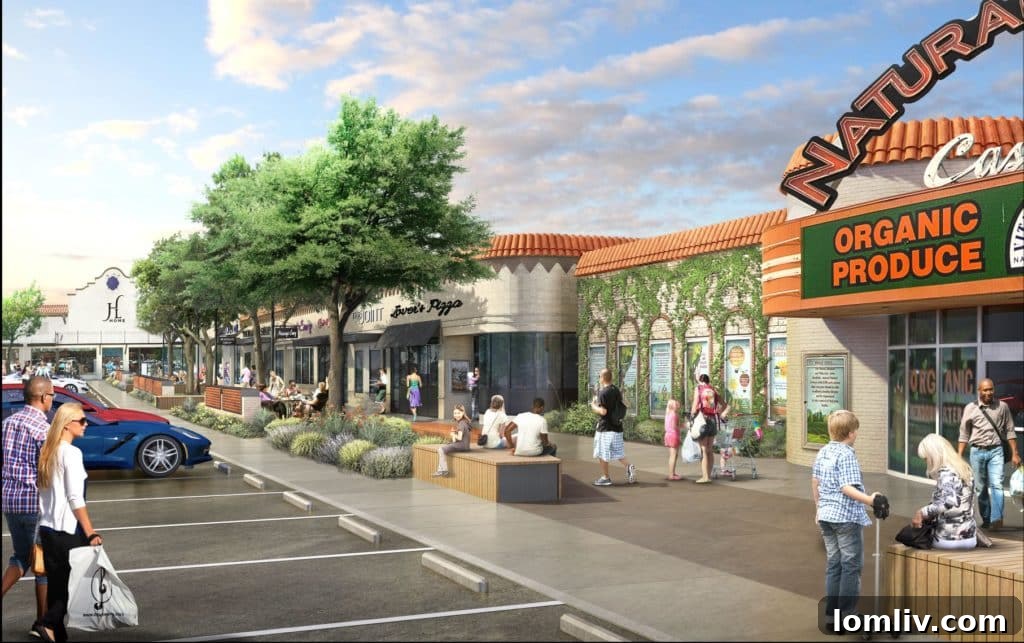
The initial stir of concern within the East Dallas community began in early July when details emerged regarding Edens’ extensive redevelopment plans for Casa Linda Plaza. Edens, a prominent national retail real estate owner, manager, and developer, had outlined ambitious goals to modernize and enhance the shopping experience at the historic center. A key, and ultimately contentious, component of these plans involved the proposed removal of an estimated five to seven mature cedar elms. These trees were strategically situated along the promenade directly in front of Natural Grocers, a popular anchor tenant located on the highly visible southeast corner of Buckner Boulevard and Garland Road. These particular trees were highly visible landmarks, offering a considerable stretch of much-needed shade along the sidewalk, a precious commodity during Dallas’s often scorching summers. Estimated to be around 70 years old, these tall and full trees had become an established and cherished feature of the plaza’s landscape, symbols of its longevity and charm.
While the trees themselves were robust and healthy, the surrounding infrastructure, specifically the parking lot and adjacent walkways on the southeast side of the development, had undeniably fallen into disrepair. Decades of heavy use, coupled with the relentless Texas weather, had taken their toll, resulting in cracked pavement, uneven surfaces, and an overall dilapidated appearance that detracted significantly from the plaza’s appeal and functionality. Edens’ renovation efforts sought to comprehensively address these pressing issues, aiming to improve accessibility, enhance safety, and upgrade the overall aesthetic quality of the shopping center. The fundamental challenge lay in reconciling the necessity for modernization and structural repair with the community’s deep-seated desire to preserve the plaza’s natural heritage and mature tree canopy. This tension is a frequently encountered narrative in urban development, where the drive for progress and efficiency often grapples with the imperative of environmental and historical preservation.
Navigating the Legal Landscape and Sparking Dialogue
Initially, the situation appeared legally straightforward, albeit emotionally charged for residents. As District 9 Dallas City Council member Mark Clayton adeptly explained to concerned constituents, Edens, as the private property owner, held significant latitude in making decisions regarding their land. Crucially, no specific zoning request was filed for the tree removal, nor was it legally necessary given the nature of the proposed work. This meant that the community’s leverage was not based on legal prohibitions or regulatory mandates but rather on the collective power of public opinion, organized advocacy, and the potential impact on the plaza’s reputation and customer loyalty. This realization underscored the critical importance of negotiation and constructive dialogue over confrontational tactics.
The potential loss of such iconic trees sparked a broader and deeper discussion within East Dallas about the delicate balance between commercial development and environmental stewardship. Residents voiced concerns not only about the immediate ecological impact of tree removal, such as the loss of vital shade and urban habitat, but also about the symbolic message it sent regarding the plaza’s historical character. There was a palpable fear that an aggressive or insensitive modernization might inadvertently strip Casa Linda Plaza of its unique historic flair and disrupt its carefully cultivated mix of local and national tenants, which residents greatly valued. The plaza, after all, was not just a collection of stores; it was a living piece of Dallas’s history, a cultural landmark whose identity was intrinsically linked to its established aesthetic and natural features. Any changes, therefore, threatened to alter its very soul.
A Collaborative Solution: More Trees, More Shade, More Investment
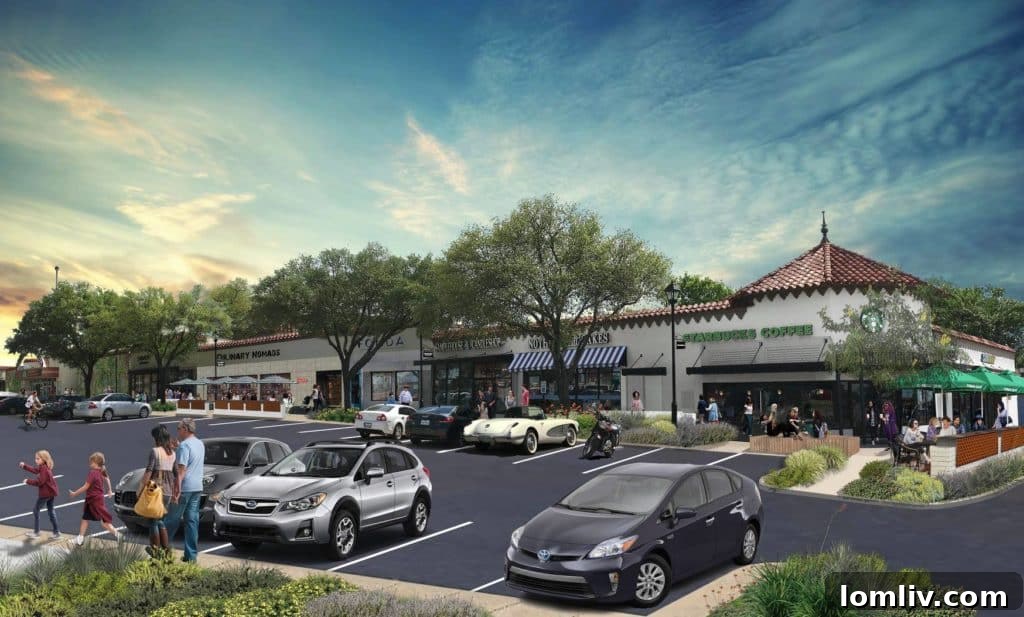
What could have easily devolved into a protracted and acrimonious dispute instead became a compelling testament to successful community engagement facilitated by responsive and proactive leadership. Councilman Clayton played a pivotal role in bridging the gap between Edens and the concerned East Dallas residents. Recognizing that every dispute presents an opportunity for negotiation and mutual benefit, he initiated and maintained open lines of communication, ensuring that community voices were heard and considered. While Edens’ original redevelopment plans certainly included new landscaping and additional tree plantings throughout the property, the direct and organized engagement with the community prompted a significant and impactful enhancement of these provisions.
Through these critical discussions and negotiations, Edens committed to a substantially more robust tree planting program. Instead of smaller, less impactful saplings, the agreement stipulated the planting of trees with an impressive caliper size ranging from four to ten inches. This is a crucial detail for effective urban forestry, as larger caliper trees establish more quickly, offer more immediate shade, and have a significantly higher survival rate, ensuring a more rapid return on environmental investment. The long-term vision of this commitment is to cultivate a new, vibrant canopy that will, over time, surpass the shade and ecological benefits previously provided by the removed trees. This enhanced planting strategy represents a substantial additional investment by Edens, estimated to be in the significant range of $50,000 to $75,000. This financial commitment highlights the developer’s responsiveness to community values and their understanding of the intrinsic importance of green infrastructure to the plaza’s long-term success, aesthetic appeal, and overall environmental health. It transformed a potential loss into a future gain, ensuring that the revitalized Casa Linda Plaza would be both modern and environmentally conscious.
This Facebook post from Councilman Mark Clayton provides further insight into the negotiations and the positive outcome:
Beyond Trees: Preserving Heritage and Reviving Cherished Traditions
While the successful negotiation for an expanded and improved tree canopy was a significant and celebrated victory for the Casa Linda community, the conversation extended beyond purely environmental concerns to touch upon the very soul of the plaza. The extensive upgrades, though undeniably necessary for the longevity, modernization, and competitive edge of the retail center, naturally raised anxieties among some residents. There was a genuine concern that Casa Linda Plaza might inadvertently lose its cherished historic flair and disrupt its unique, carefully cultivated mix of local and national tenants. This fear is understandable, as countless redevelopment projects nationwide have inadvertently erased the unique character that made a place beloved in the first instance, sacrificing authenticity for modernity. However, Edens has shown commendable dedication and a proactive approach to addressing these deeper concerns head-on.
The developer has reportedly redoubled its efforts to engage actively, transparently, and meaningfully with the East Dallas community throughout the renovation process. This proactive communication and genuine willingness to listen have been crucial in rebuilding trust and ensuring that the modernization efforts respect the plaza’s deep roots in local history and culture. This engagement is not merely cosmetic; it reflects a genuine understanding that the plaza’s long-term success and enduring appeal are intrinsically linked to its community connection and historical identity. As Councilman Clayton enthusiastically highlighted, these expanded talks, born from the initial dispute, have led to a truly exciting prospect for East Dallas: the possible return of the highly anticipated and much-missed Casa Linda Plaza Christmas Tree Lighting Ceremony.
The Return of a Beloved Tradition: The Casa Linda Plaza Christmas Tree Lighting
The Casa Linda Plaza Christmas Tree Lighting Ceremony is far more than just a seasonal event; it is a quintessential neighborhood tradition, deeply etched into the collective memories and hearts of generations of East Dallas families. For decades, this cherished ceremony served as the unofficial and eagerly awaited kickoff to the holiday season, drawing families from Casa Linda, Forest Hills, Little Forest Hills, Emerald Isle, and beyond to gather in festive celebration. Children would eagerly anticipate the countdown, their eyes wide with wonder as the magnificent tree illuminated the plaza, filling the night with a magical glow and the spirit of the season. Parents and grandparents fondly recall attending the event in their own youth, creating a powerful sense of intergenerational continuity, shared community experience, and a strong connection to the plaza itself.
The potential revival of this beloved ceremony represents a profound victory for community spirit and cultural preservation. Its return would symbolize that the modernization of Casa Linda Plaza is not about erasing the past but about enhancing its future while honoring its most cherished traditions and strengthening its community ties. It demonstrates Edens’ admirable commitment to fostering deep community connections and their understanding that true value in a retail center extends far beyond commercial transactions to include shared experiences, cultural touchstones, and the cultivation of local identity. This initiative beautifully illustrates how a significant development project, initially met with contention over environmental concerns, can evolve through open dialogue and collaborative effort to become a powerful catalyst for strengthening community bonds and enriching local life in East Dallas.
A Model for Sustainable Urban Development and Empowered Communities
The journey of Casa Linda Plaza, from a contentious tree removal plan to a comprehensive agreement that includes expanded green initiatives and the triumphant revival of beloved traditions, offers a compelling and inspiring case study in sustainable urban development. It highlights the critical importance of balancing economic growth and modernization with unwavering environmental stewardship and the deep reverence for community heritage. This outcome resoundingly proves that developers and residents do not have to be adversaries locked in opposition; instead, they can forge strong partnerships in creating urban spaces that are both commercially viable, environmentally responsible, and deeply meaningful to the diverse communities they serve.
The thoughtful and collaborative resolution achieved at Casa Linda Plaza powerfully underscores the growing influence and effectiveness of organized community advocacy in shaping local development. When residents, supported by responsive and committed local leadership like Councilman Mark Clayton, voice their concerns clearly, collectively, and strategically, they possess the power to significantly influence the trajectory of even the largest urban projects. Edens’ commendable willingness to listen intently, negotiate flexibly, and invest substantially more in response to legitimate community input sets a positive and progressive precedent for corporate responsibility in future urban renewal projects across Dallas and beyond. It sends an unequivocal message that integrating community values – whether environmental, historical, cultural, or social – into comprehensive development plans is not merely good public relations, but demonstrably good business and a pathway to creating truly resilient and beloved urban environments. The plaza is now poised to emerge from its extensive renovation not only modernized and aesthetically improved but also more deeply connected to the heart and soul of East Dallas. This is indeed a truly significant achievement, far surpassing what might have been, making it a remarkably encouraging and enduring outcome for all stakeholders involved in the vibrant Casa Linda community.